Car Door Side Beading The Complete And Ultimate Guide
Car door side beading is a trim strip that runs along the edge of your car door. It protects against dents, water damage, wind noise, and adds a polished look to your vehicle. This guide covers everything from installation to replacement and maintenance.
Have you ever noticed the thin strip running along the edge of a car door? That small detail is called car door side beading. It might look simple, but it does a lot of heavy lifting. This strip protects your door from dents, blocks wind noise, and keeps water out. It also gives your car a finished, polished look that turns heads.
Whether you are a car enthusiast or just someone who wants their vehicle to last longer, understanding car door side beading is essential. In this complete guide, we will walk you through everything you need to know. We will cover what it is, why it matters, the different types available, and how to install and maintain it. By the end, you will be a car door side beading expert.
Key Takeaways
- What car door side beading is: A protective and decorative strip fitted along the door edge to shield against damage and enhance appearance.
- Why it matters: It prevents dents, reduces wind noise, blocks water leaks, and keeps your car looking sharp.
- Types available: Rubber, chrome, adhesive, and screw-on beading options suit different needs and budgets.
- Installation is doable at home: With the right tools and a few simple steps, you can fit new beading yourself.
- Maintenance keeps it lasting: Regular cleaning and inspection extend the life of your door beading significantly.
- Signs of wear matter: Cracks, peeling, and loose fit are clear signals that replacement is needed soon.
📑 Table of Contents
- What Is Car Door Side Beading?
- Types of Car Door Side Beading
- How to Install Car Door Side Beading
- Common Problems with Car Door Side Beading
- How to Maintain Your Car Door Side Beading
- When Should You Replace Car Door Side Beading?
- Car Door Side Beading vs. Door Seal: What Is the Difference?
- Expert Tips for Choosing the Right Car Door Side Beading
- Final Thoughts on Car Door Side Beading
What Is Car Door Side Beading?
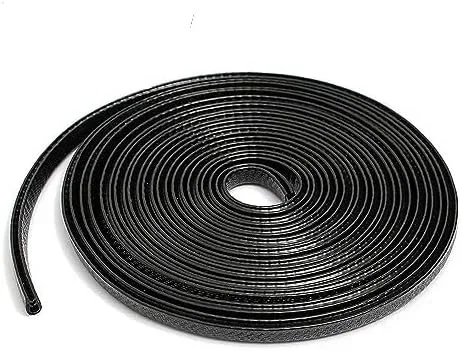
Car door side beading is a strip of material attached to the outer edge of a car door. It runs along the seam where the door meets the body of the vehicle. This strip serves both a functional and cosmetic purpose. Think of it as a shield and a style upgrade in one neat package.
The beading is usually made from rubber, plastic, chrome, or a combination of materials. It clips or adheres to the door edge and creates a buffer between your car and the outside world. Without it, your door edge is exposed to scratches, dents, and moisture damage every single day.
Why Does Car Door Side Beading Matter?
You might wonder why this small strip deserves so much attention. The answer is simple. Car door side beading protects your car in several important ways. Here is why it matters:
- Dent prevention: The beading absorbs minor impacts from parking bumps and shopping cart hits. It stops small dents from forming on your door edge.
- Water protection: It seals the door edge against rain and moisture. This helps prevent rust and water leaks into your cabin.
- Wind noise reduction: A tight-fitting beading strip reduces wind noise when you drive at high speeds. Your rides become quieter and more comfortable.
- Scratch defense: The strip acts as a buffer against scratches from branches, keys, and other objects in parking lots.
- Visual appeal: Beading gives your car a clean, finished look. It can enhance the overall design of your vehicle, whether it is a classic or a modern model.
Types of Car Door Side Beading
Not all beading strips are the same. Different materials and styles serve different purposes. Let us explore the most common types of car door side beading available on the market today.
Rubber Beading
Rubber beading is the most popular choice for most car owners. It is flexible, durable, and affordable. Rubber strips are easy to install and come in various shapes and sizes. They work well for sealing out water and reducing wind noise. Most factory-installed door seals use rubber or rubber-like materials.
One of the best things about rubber car door side beading is its versatility. It fits almost any car model and can handle all weather conditions. Over time, rubber may harden or crack, but replacement is simple and inexpensive.
Chrome Beading
Chrome beading is all about style. It gives your car a shiny, premium look that many people love. Chrome strips are often used on classic cars, trucks, and luxury models. They add a touch of elegance that rubber simply cannot match.
However, chrome beading requires more care. It can chip, scratch, and lose its shine over time. If you choose chrome car door side beading, be prepared to polish and maintain it regularly. The good news is that modern chrome finishes are more durable than ever before.
Adhesive Beading
Adhesive beading sticks directly to the door edge using a strong backing glue. You do not need clips or screws to hold it in place. This makes installation quick and easy. Many aftermarket car door side beading products use adhesive backing for a clean, seamless look.
The downside is that adhesive can weaken over time, especially in extreme heat or cold. If you live in a harsh climate, you may need to reapply adhesive or choose a different type of beading. Still, for many car owners, adhesive strips are the most convenient option.
Screw-On Beading
Screw-on beading uses small screws or clips to attach the strip to the door. This method is very secure and long-lasting. It is common in commercial vehicles and heavy-duty applications. Screw-on car door side beading holds up well under tough conditions and does not rely on adhesive at all.
The trade-off is that installation takes more effort. You need the right tools and a bit of patience. But once it is on, screw-on beading stays put for years without peeling or loosening.
How to Install Car Door Side Beading
Installing car door side beading is easier than most people think. You do not need to visit a mechanic or spend hours in a garage. With the right tools and a little patience, you can do it yourself at home. Here is a step-by-step guide to help you through the process.
Tools You Will Need
- New beading strip (measured to your door size)
- Clean cloth and mild soap
- Isopropyl alcohol or surface cleaner
- Scissors or a utility knife
- Measuring tape
- Clamps or masking tape (for adhesive beading)
- Screwdriver or drill (for screw-on beading)
Step-by-Step Installation Guide
Follow these steps to install your car door side beading like a pro:
- Clean the door edge: Use a cloth and mild soap to wash the door edge thoroughly. Remove any dirt, grease, or old adhesive. A clean surface ensures the new beading sticks properly.
- Dry the surface completely: Use a dry towel and let the door edge air dry. Any moisture left behind can weaken the bond of adhesive beading.
- Measure the door length: Use a measuring tape to measure the full length of the door edge. Cut the beading strip to match. Leave a small overlap at the ends for a secure fit.
- Test fit the strip: Hold the beading against the door edge before removing the backing. Make sure it lines up correctly. Adjust as needed before committing to the final placement.
- Remove the backing and apply: For adhesive beading, slowly peel off the backing and press the strip onto the door edge. Start from one end and work your way to the other. Use even pressure to avoid bubbles or gaps.
- Secure the edges: Use clamps or masking tape to hold the beading in place for 24 hours. This gives the adhesive time to bond fully with the door surface.
- Check for gaps or loose spots: After 24 hours, inspect the entire length of the beading. Press down any areas that feel loose. Trim any excess material with a sharp knife.
Tips for a Perfect Installation
- Work on a cool, dry day. Heat and humidity can affect adhesive performance.
- Use a hair dryer on low heat to warm the adhesive if it feels stiff.
- Do not stretch the beading during installation. It should sit naturally against the door edge.
- Double-check your measurements before cutting. Measure twice, cut once.
Common Problems with Car Door Side Beading
Even the best car door side beading can develop problems over time. Knowing what to watch for helps you fix issues before they become bigger headaches. Here are the most common problems car owners face with door beading.
Peeling and Loosening
Adhesive beading often peels away from the door edge. This happens when the glue weakens due to heat, cold, or age. A loose beading strip does not protect your door properly. It also looks unsightly and can flap in the wind while driving.
If your beading is peeling, you have two options. You can reapply adhesive to the back of the strip, or you can replace it entirely. Replacing old beading is usually the better long-term solution.
Cracking and Hardening
Rubber beading can crack and harden over time, especially in sunny or cold climates. When rubber loses its flexibility, it stops doing its job. Cracks let water seep through and cause rust or interior leaks. Hard beading also looks worn and old, which takes away from your car’s appearance.
The fix is straightforward. Remove the damaged beading and install a new strip. Regular conditioning of rubber beading can slow down this process and extend its lifespan.
Water Leaks
If you notice water dripping inside your car near the door, your beading may be the culprit. A damaged or missing car door side beading strip creates a gap where water can enter. Over time, this leads to rust, mold, and damage to your interior.
Inspect your door beading regularly for gaps, cracks, or missing sections. Seal any small gaps with automotive silicone. Replace heavily damaged strips to keep your car dry and protected.
Wind Noise
A whistling sound at highway speeds often points to a problem with your door beading. When the strip is loose, worn, or misaligned, it fails to block wind properly. This creates annoying noise that can ruin your driving experience.
Check the beading for gaps or areas where it has pulled away from the door. Replacing or reattaching the strip usually eliminates wind noise quickly and effectively.
How to Maintain Your Car Door Side Beading
Proper maintenance keeps your car door side beading looking great and functioning well for years. A little effort goes a long way in protecting your investment. Here are simple tips to keep your beading in top shape.
Clean It Regularly
Dirt, road salt, and grime can damage beading material over time. Clean your door beading every time you wash your car. Use a mild soap and a soft cloth. Avoid harsh chemicals that can dry out rubber or damage chrome finishes.
Condition Rubber Beading
If your beading is made from rubber, apply a rubber conditioner every few months. This keeps the material flexible and prevents cracking. A good rubber conditioner also protects against UV damage from the sun. You can find quality rubber care products at any auto parts store.
Inspect for Damage
Make it a habit to inspect your door beading every few weeks. Look for cracks, peeling, or loose spots. Catching small problems early saves you from expensive repairs later. A quick fix today prevents a big headache tomorrow.
Avoid Harsh Chemicals
When cleaning your car, stay away from abrasive cleaners and strong solvents near the beading. These products can break down the material and cause premature failure. Stick to gentle, automotive-safe cleaning products for the best results.
When Should You Replace Car Door Side Beading?
Knowing when to replace your car door side beading is just as important as knowing how to install it. Here are clear signs that tell you replacement time has come.
- Cracks and splits: Visible damage that cannot be repaired with sealant or adhesive.
- Peeling from the door: The strip has pulled away and will not reattach properly.
- Water leaks inside the car: Moisture is entering through gaps in the beading.
- Excessive wind noise: The strip no longer seals the door edge effectively.
- Visible rust on the door edge: The underlying metal is showing signs of corrosion.
- Beading is more than five years old: Even if it looks okay, older beading loses its protective properties over time.
Replacing your car door side beading is a relatively simple and affordable job. A new strip costs between $10 and $50 depending on the material and your car model. You can do it yourself in under an hour, or a mechanic can handle it for a small fee. Either way, the protection and appearance benefits are well worth the small investment.
Car Door Side Beading vs. Door Seal: What Is the Difference?
Many people confuse car door side beading with the door seal. While both protect your car door, they serve different purposes and are located in different places.
The door seal is the rubber strip that runs along the inner edge of the door. It creates a tight seal when the door is closed, keeping water, wind, and dust out of the cabin. The door seal is the main barrier between your car interior and the outside environment.
Car door side beading, on the other hand, runs along the outer edge of the door. Its primary job is to protect the door edge from physical damage like dents and scratches. It also adds a decorative finish to the door’s appearance. Both components work together to keep your car in great shape, but they are not interchangeable.
| Feature | Car Door Side Beading | Door Seal |
|---|---|---|
| Location | Outer edge of the door | Inner edge of the door frame |
| Primary Function | Physical protection and styling | Weather sealing and insulation |
| Material | Rubber, chrome, plastic | Rubber, foam, synthetic |
| Protects Against | Dents, scratches, UV damage | Water, wind, dust, noise |
| Replacement Cost | $10 – $50 | $20 – $100 |
| DIY Friendly | Yes, very easy | Moderate difficulty |
Understanding the difference between these two components helps you take better care of your car. Both the car door side beading and the door seal need regular inspection and timely replacement to keep your vehicle in top condition.
Expert Tips for Choosing the Right Car Door Side Beading
Choosing the right car door side beading can feel overwhelming with so many options available. Here are expert tips to help you make the best choice for your car.
Match the Material to Your Climate
If you live in a hot, sunny area, choose UV-resistant rubber or synthetic beading. These materials handle heat and sun exposure without cracking. In cold climates, pick flexible beading that stays pliable in low temperatures. Chrome beading works well in any climate but requires more maintenance.
Check Compatibility with Your Car Model
Not every beading strip fits every car. Measure your door edge carefully before purchasing. Check the product specifications to confirm compatibility with your car make and model. Many manufacturers list compatible vehicles on their product pages, making it easy to find the right fit.
Consider Your Style Preference
Beading is not just functional, it is also a style choice. Think about the overall look of your car. Chrome beading suits classic and luxury vehicles. Black rubber beading works well with modern and sporty cars. Choose a finish that complements your car’s design and personal taste.
Buy from Reputable Brands
Quality matters when it comes to car door side beading. Stick with reputable brands known for durability and performance. Reading customer reviews and checking product ratings helps you make an informed decision. A quality beading strip lasts longer and protects better than a cheap alternative.
Final Thoughts on Car Door Side Beading
Car door side beading might seem like a small detail, but its impact on your car is significant. It protects your doors from dents, scratches, and water damage. It reduces wind noise and improves the look of your vehicle. Whether you are replacing worn-out beading or installing it on a new car, this simple upgrade goes a long way.
Take the time to choose the right type of beading for your needs. Follow the installation steps carefully, and maintain your beading regularly. A little care and attention keeps your car door side beading in excellent condition for years to come. Your car will look better, stay protected, and serve you well on every drive.
Now that you have all the knowledge you need, it is time to take action. Inspect your current door beading, decide if replacement is needed, and enjoy the benefits of a well-protected, great-looking car door edge. Your car deserves the best, and car door side beading is one of the simplest ways to give it the care it deserves.
Frequently Asked Questions
What is car door side beading made of?
Car door side beading is typically made from rubber, chrome, plastic, or a combination of these materials. Rubber is the most common choice because it is flexible, durable, and affordable. Chrome beading is popular for its stylish appearance, while plastic offers a lightweight and budget-friendly option.
Can I install car door side beading myself?
Yes, installing car door side beading is a straightforward DIY project. Most adhesive and clip-on strips can be fitted in under an hour with basic tools. You just need a clean surface, a measuring tape, and a steady hand. Many car owners prefer the satisfaction of doing it themselves.
How long does car door side beading last?
With proper care, car door side beading can last between five and ten years. Rubber beading may need replacement sooner in harsh climates. Regular cleaning and conditioning help extend the lifespan of any beading material significantly.
Does car door side beading prevent rust?
Yes, it helps prevent rust by sealing the door edge against moisture. Water is one of the main causes of rust on car doors. A properly fitted beading strip keeps water from reaching the metal surface, reducing the risk of corrosion and rust formation over time.
How much does car door side beading cost to replace?
Replacement costs are quite affordable. A new beading strip typically costs between $10 and $50. If you hire a mechanic, you might add $20 to $50 for labor. Overall, it is one of the most budget-friendly car maintenance tasks you can do.
Can I paint over car door side beading?
It depends on the material. Rubber and plastic beading should not be painted directly. Chrome beading can be painted with automotive spray paint designed for metal surfaces. Always clean and sand the surface lightly before painting for the best adhesion and finish.
=== CONCLUSION ===
Car door side beading is a small but mighty component that deserves your attention. It protects your car from physical damage, weather, and everyday wear and tear. Whether you choose rubber, chrome, adhesive, or screw-on beading, the right strip makes a real difference in how your car looks and performs.
Installation is simple, maintenance is easy, and replacement costs are minimal. With the tips and guidance in this guide, you are fully equipped to handle any car door side beading project. Take care of your car today, and it will take care of you for miles to come.