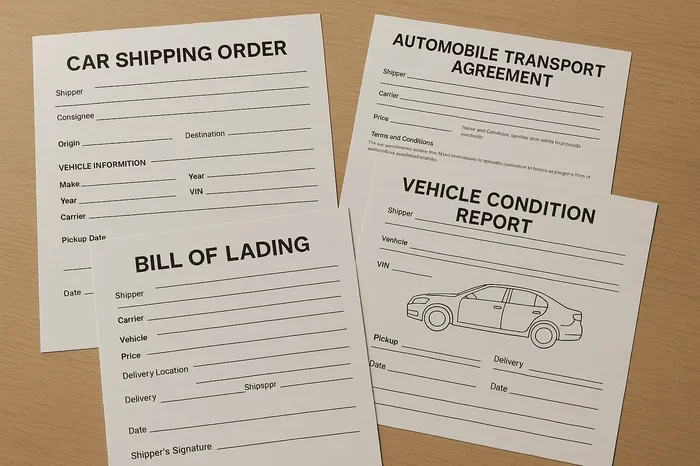
Car Delivery Note Format Everything You Need to Know
A car delivery note format is a essential document that records the transfer of a vehicle from seller to buyer. It captures key details like vehicle information, delivery terms, and signatures to protect both parties. Whether you are a dealership, a private seller, or a logistics company, using the right format ensures a smooth and legally sound transaction. This guide covers everything from templates to common mistakes you should avoid.
A car delivery note format is more than just a piece of paper. It is a critical document that records the transfer of a vehicle from one party to another. Whether you are buying a car from a dealership, selling your vehicle privately, or managing a fleet of cars for a logistics company, the delivery note plays a vital role. It captures essential information like the vehicle details, the parties involved, and the terms of delivery. Without it, you are left with no official record of the transaction.
Many people overlook the importance of a proper vehicle delivery documentation process. They assume a simple receipt is enough. But a delivery note goes far beyond a receipt. It outlines the condition of the vehicle at the time of handover, specifies delivery responsibilities, and serves as a legal reference if disputes arise later. In this guide, we will walk you through everything you need to know about the car delivery note format. From the essential elements to templates and best practices, you will find it all here.
If you have ever wondered what belongs on a delivery note or how to create one that actually works, you are in the right place. Let us dive in and break it all down.
Key Takeaways
- A car delivery note format serves as proof of vehicle transfer: It protects both the seller and the buyer during the handover process.
- Key elements include vehicle details, delivery terms, and signatures: Missing any of these can create legal or financial risks.
- Multiple templates exist for different use cases: From private sales to commercial logistics, the format adapts to your needs.
- Digital delivery notes are gaining popularity: They offer faster processing, easy storage, and reduced paperwork.
- Common mistakes include incomplete details and unsigned documents: These can lead to disputes and delivery delays.
- A well-structured delivery note improves transparency: It builds trust between all parties involved in the vehicle transaction.
📑 Table of Contents
- What Is a Car Delivery Note Format and Why Does It Matter?
- Essential Elements of a Car Delivery Note Format
- Common Car Delivery Note Format Templates
- How to Create a Car Delivery Note Format That Works
- Common Mistakes to Avoid When Using a Car Delivery Note Format
- Digital vs Paper Car Delivery Notes
- Expert Insights on Vehicle Delivery Documentation
- Key Takeaways
- Conclusion
What Is a Car Delivery Note Format and Why Does It Matter?
A car delivery note format is a structured document used to record the details of a vehicle being delivered from a seller to a buyer. It acts as a formal acknowledgment that the transfer has taken place. Unlike a simple bill of sale, the delivery note focuses specifically on the logistics and condition of the vehicle at the point of handover.
Think of it as a handshake in written form. It confirms that the car was delivered in a certain condition, at a certain time, and to a certain person. This document protects everyone involved. For sellers, it proves that the vehicle was handed over in good shape. For buyers, it provides evidence of what they received. For logistics companies, it serves as a tracking tool for fleet management and delivery operations.
Understanding the Purpose of a Delivery Note
The main purpose of a vehicle delivery note is to create a clear record of the transaction. It answers key questions like who delivered the car, who received it, what condition it was in, and what terms were agreed upon. This clarity prevents misunderstandings and disputes down the road.
Here are some key reasons why a car delivery note format matters:
- Legal protection: It serves as evidence in case of disputes or claims.
- Condition tracking: It documents the vehicle’s state at the time of delivery.
- Accountability: Both parties sign the document, creating mutual responsibility.
- Record keeping: It provides a permanent record for future reference.
- Logistics coordination: It helps transport companies manage delivery schedules and routes.
Essential Elements of a Car Delivery Note Format
Not all delivery notes are created equal. A well-designed car delivery note format includes specific elements that make it complete and useful. Leaving out important details can lead to confusion or even legal problems. Let us break down the essential components you should include in every delivery note.
Header and Identification Details
The header section sets the stage for the entire document. It should clearly identify the document type, the date of delivery, and a unique reference number. This reference number helps you track the note in your records later.
Include the following in the header:
- Document title: Clearly label it as “Car Delivery Note” or “Vehicle Delivery Record.”
- Date of delivery: The exact date the vehicle was handed over.
- Reference number: A unique ID for tracking purposes.
- Company or seller name: The name and logo of the delivering party.
- Contact information: Phone number, email, and address of the seller or logistics company.
Vehicle Information Section
This is the most important part of any vehicle delivery documentation. It contains all the details about the car being delivered. Make sure every field is filled out accurately. Even small errors can cause big problems later.
- Vehicle make and model: For example, Toyota Camry 2022.
- Vehicle Identification Number (VIN): The unique 17-character code for the car.
- License plate number: The current registration plate.
- Color and body type: Silver sedan, black SUV, etc.
- Mileage at delivery: The exact odometer reading at the time of handover.
- Fuel level: Full, half, quarter, or empty.
- Condition notes: Any existing scratches, dents, or mechanical issues.
Delivery Terms and Conditions
The terms section outlines the responsibilities of each party. It clarifies who pays for what, when the delivery happens, and what happens if something goes wrong. This section protects both the seller and the buyer.
Key terms to include:
- Delivery method: Was the car driven, towed, or transported by carrier?
- Delivery location: The exact address or location where the vehicle was handed over.
- Payment terms: Was the payment full or partial at the time of delivery?
- Warranty information: Any included warranties or guarantees.
- Liability clause: Who is responsible for damages during transit?
- Inspection period: How long does the buyer have to report issues?
Signatures and Acknowledgment
No delivery note is complete without signatures. Both the seller and the buyer must sign the document. This confirms that both parties have reviewed the details and agree with the condition of the vehicle at the time of delivery. If a witness or logistics coordinator is involved, they should sign as well.
Common Car Delivery Note Format Templates
Different situations call for different approaches. There is no one-size-fits-all car delivery note format. The template you choose depends on the type of transaction, the number of vehicles involved, and the level of detail required. Let us look at the most common templates used today.
Standard Private Sale Delivery Note
This is the simplest and most common type. It is used when a private individual sells a car to another individual. The format is straightforward and focuses on the basics: vehicle details, buyer and seller information, delivery terms, and signatures.
A standard private sale note typically includes:
- Seller name, address, and contact details
- Buyer name, address, and contact details
- Complete vehicle information (make, model, VIN, plate number)
- Odometer reading and fuel level at delivery
- Condition checklist with checkboxes
- Signature lines for both parties
Dealership Vehicle Delivery Slip
Car dealerships handle hundreds of deliveries every month. Their car delivery note format is more detailed and often includes dealership branding. The slip usually incorporates a multi-point inspection checklist, financing details, and warranty information.
Dealership delivery slips often feature:
- Dealer name, address, and license number
- Customer information and purchase order number
- Detailed vehicle inspection results
- Financing or lease agreement references
- Warranty terms and coverage details
- Customer acknowledgment and signature
Commercial Fleet and Logistics Delivery Note
For logistics companies and fleet operators, the delivery note is part of a larger supply chain process. The transport logistics form used in these cases includes additional fields for tracking, routing, and carrier information.
Commercial delivery notes typically include:
- Carrier name and tracking number
- Origin and destination addresses
- Estimated and actual delivery dates
- Driver name and license number
- Vehicle condition report with photos
- Consignee signature and timestamp
How to Create a Car Delivery Note Format That Works
Creating a car delivery note format does not have to be complicated. You do not need expensive software or a design degree. What you need is a clear structure and attention to detail. Follow these steps to build a delivery note that is practical, professional, and legally sound.
Step-by-Step Guide to Building Your Note
- Choose your format: Decide whether you want a digital template or a printed form. Digital formats are easier to store and share.
- Add the header: Include the document title, date, and reference number at the top.
- Fill in the parties: Add the names, addresses, and contact details of both the seller and the buyer.
- Enter vehicle details: Be thorough. Include the VIN, plate number, mileage, and condition notes.
- Outline delivery terms: Specify the delivery method, location, and any special conditions.
- Add a condition checklist: Use checkboxes for common items like tires, lights, brakes, and interior condition.
- Include signature lines: Add space for the seller, buyer, and any witnesses.
- Review and save: Double-check every field before finalizing the document.
Quick Tips for Accuracy
Small errors can lead to big headaches. Here are some quick tips to keep your car delivery note format accurate and reliable:
- Always verify the VIN against the vehicle registration.
- Take photos of the vehicle before delivery and attach them to the note.
- Use a digital format to avoid missing fields or illegible handwriting.
- Keep a copy for your records and give the buyer their copy immediately.
- Update the template regularly to reflect any changes in your process or local regulations.
Common Mistakes to Avoid When Using a Car Delivery Note Format
Even with the best intentions, people make mistakes with their vehicle delivery documentation. These errors can cause delays, disputes, or even legal issues. Being aware of common pitfalls helps you avoid them entirely.
Skipping the Condition Report
The biggest mistake people make is not documenting the vehicle’s condition properly. A vague note like “car in good condition” is not enough. Be specific. Note every scratch, dent, and imperfection. Take photos and attach them. This protects both you and the other party.
Forgetting to Include the VIN
The Vehicle Identification Number is the single most important identifier for any car. Leaving it out of your car delivery note format is like sending a package without a tracking number. Always include the full 17-character VIN.
Not Getting Both Signatures
A delivery note without signatures is essentially worthless. Both the seller and the buyer must sign the document. If one party refuses to sign, note that on the document and have a witness sign instead.
Using Outdated Templates
Laws and regulations change over time. Using an old template that does not reflect current requirements can create compliance issues. Review and update your car delivery note format at least once a year.
Ignoring Digital Options
Many people still use paper forms in a digital age. Digital delivery notes offer faster processing, easier storage, and the ability to search and retrieve records instantly. Consider switching to a digital format for better efficiency.
Digital vs Paper Car Delivery Notes
The debate between digital and paper delivery notes is ongoing. Both formats have their strengths. Understanding the differences helps you choose the right approach for your needs.
Digital delivery notes offer several advantages. They are easy to create, edit, and store. You can send them instantly via email or messaging apps. They reduce the risk of lost documents and make searching for past records simple. Many digital platforms also include built-in templates and auto-fill features that save time.
Paper delivery notes still have their place. They are tangible, easy to present on the spot, and do not require technology or internet access. For rural areas or situations where digital access is limited, a paper form remains practical.
Many businesses now use a hybrid approach. They create the note digitally but print a copy for signatures during the handover. This combines the efficiency of digital with the legality of a physical signature. Whatever format you choose, make sure it is consistent and professional.
Expert Insights on Vehicle Delivery Documentation
Industry experts agree that proper documentation is the backbone of any successful vehicle transaction. According to logistics professionals, the car delivery note format is often the first document reviewed in the event of a dispute. Making it thorough and accurate is not just good practice, it is essential protection.
Fleet managers also emphasize the importance of consistency. Using the same car delivery note format across all transactions creates a standardized process. This makes it easier to compare records, track patterns, and identify issues early. Whether you are delivering one car or one hundred, consistency is key.
Legal experts recommend reviewing your delivery note template with a lawyer if you are running a business. Laws regarding vehicle transactions vary by state and country. A legal review ensures your document meets all requirements and holds up in court if needed.
Key Takeaways
- A car delivery note format serves as proof of vehicle transfer: It protects both the seller and the buyer during the handover process.
- Key elements include vehicle details, delivery terms, and signatures: Missing any of these can create legal or financial risks.
- Multiple templates exist for different use cases: From private sales to commercial logistics, the format adapts to your needs.
- Digital delivery notes are gaining popularity: They offer faster processing, easy storage, and reduced paperwork.
- Common mistakes include incomplete details and unsigned documents: These can lead to disputes and delivery delays.
- A well-structured delivery note improves transparency: It builds trust between all parties involved in the vehicle transaction.
Conclusion
A car delivery note format is a small document with a big impact. It protects your interests, creates a clear record of the transaction, and builds trust between all parties. Whether you are a private seller, a dealership, or a logistics company, taking the time to get your delivery note right is always worth it.
Use the templates and tips shared in this guide to create delivery notes that are thorough, professional, and legally sound. Avoid the common mistakes that trip up so many people. And if you are still using paper forms, consider making the switch to digital for greater efficiency and convenience.
The next time you buy or sell a car, do not skip the delivery note. It is one of the simplest ways to protect yourself and ensure a smooth transaction every single time. Take the extra few minutes to fill it out properly. Your future self will thank you.
Frequently Asked Questions
What is a car delivery note format used for?
A car delivery note format is used to record the transfer of a vehicle from a seller to a buyer. It documents the vehicle details, condition at handover, delivery terms, and signatures of both parties. It serves as a legal record and protects everyone involved in the transaction.
Do I need a delivery note for a private car sale?
While it is not always legally required, having a car delivery note format for a private sale is highly recommended. It provides proof of the vehicle’s condition at the time of transfer and protects both the buyer and seller from future disputes. It is a simple step that adds significant protection.
Can I create my own car delivery note template?
Yes, you can easily create your own car delivery note format using word processing software or spreadsheet tools. Just make sure to include all essential elements like vehicle details, party information, delivery terms, and signature lines. Many free templates are also available online to get you started quickly.
Is a digital delivery note legally valid?
Yes, digital delivery notes are legally valid in most jurisdictions as long as they include all required fields and are signed electronically or printed for physical signatures. Digital formats offer advantages like easy storage, fast sharing, and reduced risk of loss or damage compared to paper copies.
What happens if I forget to include the VIN on the delivery note?
Leaving out the Vehicle Identification Number is a common mistake that can cause problems later. The VIN is the most reliable way to identify a specific vehicle. Without it, your car delivery note format may not hold up as strong evidence in case of a dispute. Always double-check that the VIN is included before finalizing the document.
How does a car delivery note differ from a bill of sale?
A car delivery note format focuses on the logistics and condition of the vehicle at the time of handover, while a bill of sale primarily records the financial terms of the transaction. Both documents serve different purposes and are often used together to provide complete coverage of the sale and delivery process.