Car Cleaning at Home Simple Steps for a Perfect Shine
Car cleaning at home is easier than most people think, and it saves you serious money. With the right supplies and a simple routine, you can make your vehicle look like it just rolled off the lot. This guide walks you through every step, from washing the exterior to deep cleaning the interior. You will learn pro tips that detailers use, plus common mistakes to avoid. Follow along and transform your car with basic tools and a little effort.
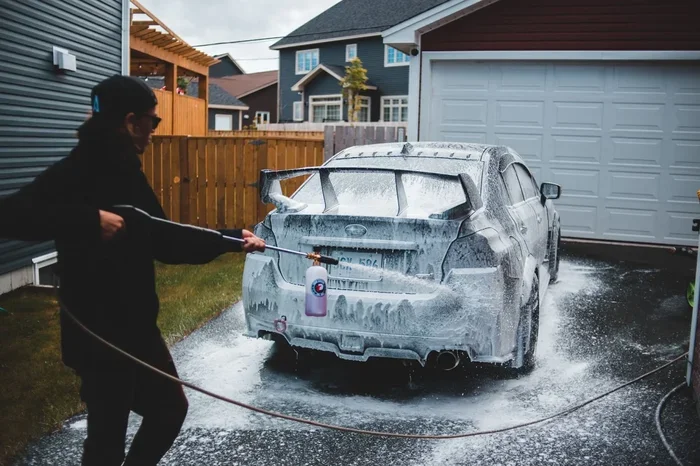
There is something deeply satisfying about seeing your car shine like new. Whether you park it on the street or in a driveway, car cleaning at home gives you control over every detail. You do not need a fancy garage or expensive equipment. A few good tools, some patience, and the right knowledge are all you need.
Many people spend hundreds of dollars at car washes and detailers every year. But the truth is, you can achieve incredible results right in your own driveway. Washing your car at home lets you take your time, focus on problem areas, and use products that suit your vehicle’s specific needs. This guide breaks everything down into simple, easy-to-follow steps.
Whether you are a complete beginner or someone who wants to refine their routine, you will find plenty of practical advice here. We will cover everything from the supplies you need to the techniques that professionals swear by. By the end, you will feel confident tackling car cleaning at home like a true pro.
Key Takeaways
- Start with the right supplies: Having quality microfiber cloths, car shampoo, and a good bucket makes all the difference.
- Use the two-bucket method: This prevents swirl marks and keeps your paint safe during every wash.
- Clean interior and exterior: A complete car care routine covers both sides for a truly showroom finish.
- Protect your paint: Waxing or sealing after washing adds a layer of defense against dirt and UV rays.
- Avoid common mistakes: Things like using dish soap or letting your car air dry can cause damage over time.
- Build a regular schedule: Consistent cleaning keeps your car looking great and preserves its value.
📑 Table of Contents
- Why Cleaning Your Car at Home Makes Sense
- The Essential Car Cleaning Supplies You Need
- How to Wash Your Car Exterior Like a Pro
- Deep Cleaning the Interior of Your Car
- Protecting and Finishing Your Car’s Shine
- Common Mistakes to Avoid When Cleaning Your Car at Home
- DIY vs Professional Car Cleaning: A Comparison
- Quick Tips for a Perfect Shine Every Time
- Expert Insights on Home Car Maintenance
- Key Takeaways
- Conclusion
Why Cleaning Your Car at Home Makes Sense
The Benefits of DIY Car Washing
Cleaning your car yourself offers advantages that go beyond just saving money. When you wash your car at home, you control the entire process. You choose the products, the tools, and the level of care your vehicle receives.
Here are some key benefits of car cleaning at home:
- Cost savings: A single trip to a professional detailer can cost $150 or more. At home, your supplies last for multiple washes.
- Convenience: You can clean your car whenever it suits your schedule. No waiting in line at a car wash.
- Better results: You can focus on areas that automatic washes often miss, like door jambs and wheel wells.
- Gentler on paint: Professional touchless washes sometimes use harsh chemicals. At home, you choose safe, paint-friendly products.
- Bonding time: Many car owners find washing their vehicle to be a relaxing and rewarding activity.
Another big advantage is that you can inspect your car closely during the process. You will notice small scratches, chips, or areas that need extra attention. This kind of regular inspection helps you catch problems early.
How Often Should You Clean Your Car
The frequency of car cleaning at home depends on several factors. Where you live, the weather, and how much you drive all play a role. As a general rule, washing your car every two weeks is a solid baseline.
However, some situations call for more frequent cleaning:
- Near the ocean: Salt air can corrode metal and damage paint quickly. Wash your car weekly if you live close to the coast.
- Winter conditions: Road salt and grime build up fast in cold months. Aim for a wash every week during winter.
- Tree sap and bird droppings: These are highly acidic and can eat into your paint. Remove them as soon as possible.
- Daily commuting: If you drive on dusty or gravel roads, a weekly wash keeps your paint in good shape.
Regular exterior car wash routines also make interior cleaning easier. When you stay on top of things, each session takes less time and effort.
The Essential Car Cleaning Supplies You Need
Must-Have Tools for Exterior Cleaning
Before you start, make sure you have the right tools. Using the wrong materials can scratch your paint or leave residue behind. Here is a list of essentials for car cleaning at home:
- Two buckets: One for soapy water and one for rinsing your mitt. This is the foundation of the two-bucket method.
- Microfiber wash mitt: Soft and gentle on paint. Avoid sponges, which can trap dirt and cause scratches.
- Microfiber drying towels: These absorb water quickly and leave no lint behind.
- Car shampoo: A pH-balanced formula designed for automotive paint. Never use dish soap.
- Wheel brush: A dedicated brush for cleaning tires and wheels where brake dust builds up.
- Grit guards: These sit at the bottom of your buckets and trap dirt before it can contaminate your mitt.
- Hose with a nozzle: A gentle spray setting helps rinse without blasting water into seams and gaps.
Investing in quality car cleaning tools pays off quickly. Cheap supplies often cause more harm than good. Look for microfiber products with a high GSM (grams per square meter) rating for the best results.
Products for Interior Detailing
Interior car detailing tips require a slightly different set of supplies. You want products that are safe for plastic, vinyl, leather, and fabric surfaces.
- Interior cleaner spray: A all-purpose cleaner designed for car interiors works well on most surfaces.
- Vacuum with crevice tool: This is essential for reaching tight spaces between seats and console areas.
- Upholstery brush: A soft brush helps agitate dirt from fabric seats without damaging the material.
- Leather conditioner: If your car has leather seats, this keeps them supple and prevents cracking.
- Glass cleaner: A streak-free formula made for automotive glass gives clear, crystal-clean windows.
- Dash and trim protectant: This prevents fading and gives plastic and vinyl surfaces a refreshed look.
Having these supplies ready before you start makes the whole process smoother. You will not need to stop midway to grab something you forgot.
How to Wash Your Car Exterior Like a Pro
The Two-Bucket Method Explained
The two-bucket method is the gold standard for car cleaning at home. It is simple, effective, and prevents swirl marks on your paint. Here is how it works:
- Fill one bucket with clean water and add car shampoo according to the product instructions.
- Fill the second bucket with plain rinse water. Place a grit guard at the bottom.
- Dip your wash mitt into the soapy bucket and wash one section of the car at a time.
- After washing a panel, rinse the mitt thoroughly in the clean water bucket.
- The grit guard traps dirt at the bottom so it does not go back onto your mitt.
- Repeat the process section by section until the entire car is washed.
This method keeps your soapy water clean throughout the entire wash. Dirty water means dirty mitts, and dirty mitts mean scratches. By rinsing your mitt between sections, you keep your paint safe.
Drying and Decontamination
Drying is just as important as washing. Letting your car air dry can leave water spots and mineral deposits on the paint. These spots can be hard to remove and may damage the clear coat over time.
Follow these steps for a spot-free dry:
- Use a clean, soft microfiber drying towel. Never use old bath towels, which can contain rough fibers.
- Pat the surface dry rather than dragging the towel across it. This minimizes the risk of scratching.
- Dry in sections so water does not have time to evaporate and leave spots.
- Pay extra attention to areas where water pools, like around the mirrors and door handles.
After drying, consider using a clay bar treatment to remove embedded contaminants from the paint. A clay bar glides over the surface and picks up tiny particles that washing alone cannot remove. This step is optional but highly recommended for a truly smooth finish.
Deep Cleaning the Interior of Your Car
Vacuuming and Upholstery Care
The interior of your car collects dirt, crumbs, dust, and debris faster than you might think. Regular vacuuming is the backbone of interior car cleaning and keeps your cabin looking and smelling fresh.
Start by removing all floor mats and shaking them out. Then follow this process:
- Use the crevice tool to clean between seats, along the center console, and around seat tracks.
- Switch to the main vacuum head and work from the top of the seats downward.
- Vacuum the carpet thoroughly, going over each area multiple times.
- Use the upholstery brush on fabric seats to lift embedded dirt.
- Do not forget the trunk area, which often accumulates a surprising amount of debris.
For stains on fabric seats, use a fabric cleaner specifically designed for automotive upholstery. Spray it on, gently agitate with the brush, and blot with a clean microfiber towel. Let it dry completely before using the car again.
Dashboard and Console Cleaning
The dashboard and center console gather dust, grime, and sun damage over time. Cleaning these surfaces properly makes a big difference in how your car looks and feels inside.
Here is a simple approach:
- Spray interior cleaner onto a microfiber cloth, not directly onto the surfaces. This prevents excess liquid from seeping into electronics.
- Wipe the dashboard, center console, and door panels gently but thoroughly.
- Use a cotton swab to clean tight spots around buttons and knobs.
- Apply a dash protectant or trim restorer to prevent fading and give surfaces a subtle matte finish.
Avoid using household cleaners on car interiors. Products like all-purpose cleaners meant for home use can leave a greasy residue or damage vinyl and plastic over time.
Protecting and Finishing Your Car’s Shine
Waxing and Sealing for Lasting Protection
Once your car is clean and dry, the final step is protection. Applying a car wax or sealant adds a barrier against UV rays, bird droppings, tree sap, and environmental contaminants.
There are two main options:
- Carnauba wax: This natural wax provides a warm, deep glow. It offers moderate protection and needs to be reapplied every few months.
- Ceramic coating or sealant: These synthetic products create a long-lasting protective layer. They can last six months to a year or more with proper care.
For most car cleaning at home routines, a quality spray wax or sealant is the easiest option to apply. You simply spray it on, wipe it off with a microfiber towel, and admire the results. It is a quick way to add shine and protection without a lot of effort.
Tire and Wheel Care
Do not overlook your tires and wheels when finishing your car. Clean, shiny tires make a huge visual difference and protect the rubber from cracking and drying out.
- Apply a tire dressing after cleaning. Use a small applicator pad for even coverage.
- Wipe away any excess dressing from the wheel face to avoid slinging onto the paint.
- Choose a water-based tire shine rather than a solvent-based one for a natural, non-greasy look.
Clean wheels also contribute to better paint protection during future washes. Brake dust is highly corrosive, so keeping wheels clean is about more than just looks.
Common Mistakes to Avoid When Cleaning Your Car at Home
Even with the best intentions, mistakes happen. Knowing what to avoid can save you time, money, and your car’s finish. Here are the most common errors people make during car cleaning at home:
- Using dish soap: It strips away wax and can dry out your paint. Always use a dedicated car shampoo.
- Washing in direct sunlight: The heat causes soap and water to dry too quickly, leaving spots and streaks.
- Using a single bucket: This reapplies dirty water to your paint and increases the risk of scratches.
- Letting your car air dry: Water spots form quickly and can be difficult to remove without polishing.
- Using a dirty wash mitt: A mitt that has picked up grit from one section will scratch the next section you clean.
- Skipping the wheels: Dirty wheels contaminate your wash water and can transfer brake dust to your paint.
These mistakes are easy to avoid once you know about them. Build good habits from the start, and your car care routine will be much more effective and enjoyable.
DIY vs Professional Car Cleaning: A Comparison
Many car owners wonder whether they should clean their vehicle at home or take it to a professional. Both options have their place, and understanding the differences helps you decide what works best for you.
| Factor | DIY at Home | Professional Detailer |
|---|---|---|
| Cost per wash | $10 to $25 | $100 to $300+ |
| Time required | 1 to 2 hours | 3 to 6 hours |
| Control over products | Full control | Limited, depends on service |
| Convenience | Do it anytime | Must schedule an appointment |
| Depth of cleaning | Good for regular maintenance | Excellent for deep restoration |
| Equipment needed | Basic tools and supplies | None needed from your side |
| Best for | Regular upkeep and light cleaning | Special occasions or heavy contamination |
For most car owners, a combination of both works best. Keep up with regular wash car at home routines between professional detailing sessions. This keeps your vehicle in great shape year-round without breaking the bank.
Quick Tips for a Perfect Shine Every Time
Here are some expert-level car detailing tips that make a noticeable difference in your results:
- Pre-rinse your car: Always rinse off loose dirt and debris before you start washing. This prevents you from grinding particles into the paint.
- Work in the shade: Find a shaded spot or wash in the early morning or late evening for the best results.
- Use a rinseless wash: For light dirt between full washes, a rinseless wash product lets you clean with just one bucket of water.
- Replace your microfiber towels regularly: Worn-out towels lose their softness and can scratch your paint.
- Clean from top to bottom: Gravity pulls dirt downward, so start with the roof and work your way down.
- Store supplies in one place: Keep all your car cleaning supplies in a single caddy or bin for quick access.
These small habits add up to big improvements over time. The more consistent you are, the easier and faster each wash becomes.
Expert Insights on Home Car Maintenance
Professional detailers agree that consistency is the single most important factor in maintaining a beautiful car. According to automotive experts, a regular car cleaning at home routine does more for your vehicle’s appearance than any single deep cleaning session ever could.
Experts also emphasize the importance of using the right water pressure. A garden hose with a gentle spray nozzle works perfectly for most washes. High-pressure washers can force water into seals and electrical components, causing damage over time.
Another expert tip is to always wash your car in straight lines rather than circular motions. This reduces the chance of creating swirl marks in the paint. Use long, smooth strokes with a well-rinsed mitt, and you will see the difference in your finish.
Key Takeaways
- Start with the right supplies: Having quality microfiber cloths, car shampoo, and a good bucket makes all the difference.
- Use the two-bucket method: This prevents swirl marks and keeps your paint safe during every wash.
- Clean interior and exterior: A complete car care routine covers both sides for a truly showroom finish.
- Protect your paint: Waxing or sealing after washing adds a layer of defense against dirt and UV rays.
- Avoid common mistakes: Things like using dish soap or letting your car air dry can cause damage over time.
- Build a regular schedule: Consistent cleaning keeps your car looking great and preserves its value.
Conclusion
Car cleaning at home is one of the simplest and most rewarding things you can do for your vehicle. It does not require expensive equipment or years of experience. With the right supplies, a solid routine, and a little patience, you can keep your car looking incredible every single time.
Remember that regular maintenance beats occasional deep cleaning every time. A quick wash every two weeks, combined with interior care and periodic waxing, goes a long way. Your car will look better, last longer, and hold its value far better than a neglected vehicle ever could.
Start small if you need to. Pick one area of your car and give it proper attention. Once you see the results, you will want to do the whole vehicle. Before you know it, washing your car at home will become a habit you enjoy rather than a chore you dread.
The road to a perfect shine starts with a single step. Grab your bucket, grab your mitt, and get started today. Your car will thank you for it.
Frequently Asked Questions
What is the best soap for car cleaning at home?
A pH-balanced car shampoo is the best choice for washing your vehicle at home. These formulas are specifically designed to lift dirt without stripping wax or damaging paint. Avoid household dish soaps, as they are too harsh for automotive surfaces.
How long does it take to clean a car at home?
A thorough exterior and interior cleaning session typically takes one to two hours. If you follow a consistent routine, subsequent washes become faster. The first wash may take longer as you get familiar with the process and your supplies.
Can I use a pressure washer for car cleaning at home?
Yes, but use it carefully. A pressure washer on a low setting works well for rinsing off loose dirt. Avoid spraying high pressure directly at door seals, windows, and electrical components, as this can force water into areas where it does not belong.
How often should I wax my car after washing?
Most experts recommend waxing every two to three months for regular protection. If you use a ceramic sealant, it can last six months or longer. The frequency depends on how often you drive, what weather conditions you face, and how much sun exposure your car gets.
Is it better to wash my car in the shade or in the sun?
Always wash your car in the shade or during cooler parts of the day. Direct sunlight causes soap and water to dry too quickly, leaving spots and streaks. A shaded spot allows you to work at a comfortable pace and rinse thoroughly before drying.
What is the easiest way to clean car interiors at home?
The easiest approach is to start with a thorough vacuum, followed by wiping down hard surfaces with an interior cleaner. Use an upholstery brush on fabric seats and a dedicated leather conditioner on leather seats. Finish by cleaning all windows with a streak-free glass cleaner for a polished look.