Can Police Unlock Your Car And What You Should Know
Yes, police can unlock your car under specific legal circumstances. They use specialized tools like lock picks, air wedges, and 3M Car Glass Cleaner to gain entry without causing major damage. Understanding your rights and the legal process helps you stay informed and prepared if this ever happens to you.
This is a comprehensive guide about Can Police Unlock Your Car?.
Key Takeaways
- Legal Authority: Police can unlock cars with a warrant, exigent circumstances, or owner consent.
- Common Tools Used: Air wedges, lock picks, and long-reach tools are standard police equipment.
- Your Rights Matter: You have the right to ask for a warrant and document the interaction.
- Damage Is Possible: Even professional methods may cause minor damage to your vehicle.
- Prevention Helps: Keeping spare keys safe and knowing your rights reduces stress in these situations.
- Aftercare Is Important: Clean and inspect your car after police access using quality products like 3M Car Care Delhi services.
[FEATURED_IMAGE_PLACEHOLDER]
Have you ever locked your keys inside your car and wished someone could just open it for you? Now imagine that someone is a police officer. Can police unlock your car? The short answer is yes, but the full story is more nuanced than you might think. There are legal rules, specific tools, and procedures that officers must follow before they can gain entry to your vehicle.
Whether you are a car owner, a curious reader, or someone who has already faced this situation, this guide covers everything you need to know. We will break down the legal framework, the tools police use, your rights as a vehicle owner, and practical steps you can take to protect yourself. Let us dive in.
Understanding how police handle car lockouts is not just about curiosity. It is about being an informed citizen who knows their rights. When you understand the process, you feel more confident and less anxious if law enforcement ever needs to access your vehicle. This article will walk you through every aspect of this topic in simple, clear language.
Can Police Unlock Your Car Legally?
The question of whether police can unlock your car comes down to legality. Officers cannot simply walk up to any vehicle and break in whenever they feel like it. There are strict rules that govern when and how law enforcement can access a locked car. These rules come from constitutional protections, state laws, and departmental policies.
When Police Can Unlock Your Car
Police generally have the legal authority to unlock a vehicle in these situations:
- With a Warrant: A judge issues a warrant that specifically allows officers to enter the vehicle. This is the most straightforward legal method.
- Exigent Circumstances: If there is an emergency, such as a child or pet locked inside a hot car, officers can act immediately without a warrant.
- Owner Consent: If you give the police permission to unlock your car, they can proceed without any legal complications.
- Search Incident to Arrest: During a lawful arrest, police may search the vehicle if the arrestee is within reaching distance of the car.
- Probable Cause: If officers have strong evidence that a crime is occurring inside the vehicle, they may enter without consent.
Each situation is different, and the legal standards can vary by jurisdiction. However, these five scenarios cover the most common reasons police might need to unlock a car. Understanding them helps you know when an officer’s actions are justified and when they might not be.
When Police Cannot Unlock Your Car
Just as important as knowing when they can is knowing when they cannot. Police do not have the right to unlock your car simply because they want to look inside. Random searches without a warrant, probable cause, or your consent are generally unconstitutional. If an officer unlocks your car without a valid reason, any evidence found inside may be challenged in court.
This is a powerful protection for every car owner. You should always be aware of your rights during any interaction with law enforcement. If you feel a search is unjustified, you have the right to remain silent and request a lawyer.
What Tools Do Police Use to Unlock Cars?
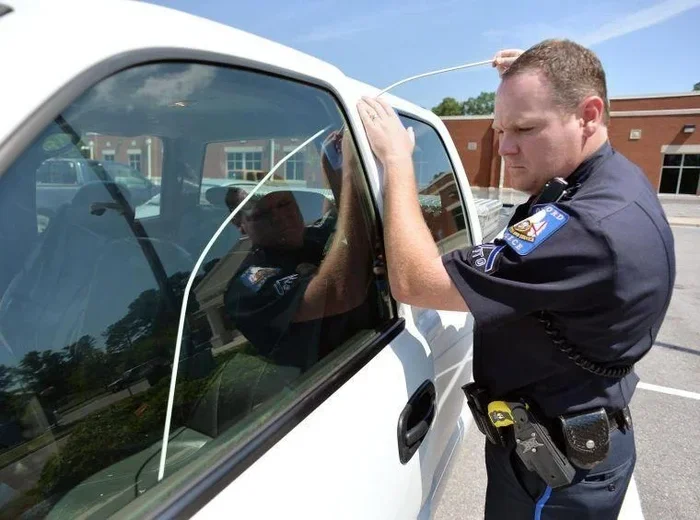
Police officers have access to a range of specialized tools designed to open vehicle doors without causing major damage. These tools have evolved significantly over the years, and modern law enforcement agencies invest in training and equipment to handle car lockouts efficiently.
Common Police Lockout Tools
Here are the most common tools officers use to unlock a car:
- Air Wedges: These inflatable devices create a small gap between the door and the frame. Officers then use a long-reach tool to press the unlock button or manipulate the interior lock mechanism.
- Lock Picks and Slim Jims: These are thin metal strips or picks that officers slide into the door to manually move the lock rods inside. This requires significant skill and training.
- Long-Reach Tools: Also called “Slim Jim” alternatives, these tools reach through the door gap to pull the unlock lever or press buttons.
- Key Code Readers: Some advanced systems can read the key code from the vehicle’s onboard computer and generate a replacement key.
- Inflatable Bags: Similar to air wedges, these bags are placed around the door frame to create space for tool insertion.
These tools require training and practice. A police officer cannot just pick up a lock pick set and expect to open a car. Each vehicle model has a different lock mechanism, and officers must learn the specifics of various makes and models. Many departments send their officers to specialized automotive access training programs.
Do These Tools Cause Damage?
The good news is that professional police lockout tools are designed to minimize damage. However, minor scratches, small dents, or cosmetic marks can sometimes occur. An air wedge might leave a slight mark on the door frame, and lock picks can scratch the interior if not used carefully.
Most police departments take responsibility for any damage caused during a lawful lockout. If your car is damaged during a police entry, you have the right to file a claim. Keeping your car well-maintained, including using protective accessories like 7D Car Mats For Swift or similar protective products, can help minimize interior damage during any entry process.
Your Rights During a Police Car Lockout
Knowing your rights is just as important as understanding what police can do. You are protected by constitutional rights that apply during any interaction with law enforcement, including car lockouts.
Right to Ask for a Warrant
If a police officer wants to unlock your car and you are not present, you have every right to ask for a warrant. A valid warrant must specify the vehicle, the location, and the legal justification for the search. If the officer cannot produce a warrant, you can politely decline the search.
Here is a quick tip: always remain calm and respectful during these interactions. Being cooperative does not mean giving up your rights. It simply means communicating clearly and calmly.
Right to Document the Interaction
You have the right to record any interaction with police, including a car lockout. In most jurisdictions, recording law enforcement in public spaces is legal. This can protect both you and the officers by providing an accurate record of what happened.
After the interaction, inspect your vehicle carefully for any damage. Take photos of any marks, scratches, or dents. If you notice damage, document it with the police department and consider filing an official report. You can also follow up with professional 3M Car Care Delhi services to restore your vehicle’s interior and exterior.
Right to Seek Compensation for Damage
If police damage your vehicle during a lawful lockout, you may be entitled to compensation. Most departments carry liability insurance for these situations. You can file a claim with the department’s risk management or insurance office. Keep all receipts for repairs and document the damage thoroughly.
Real-Life Scenarios: When Police Unlock Cars
Theoretical knowledge is helpful, but real-life examples make the topic more relatable. Let us look at some common scenarios where police might need to unlock a car.
Child or Pet Locked Inside a Hot Car
This is perhaps the most urgent and life-threatening scenario. During hot weather, a child or pet locked inside a car can face serious danger within minutes. In these cases, police have the authority and the duty to break into the vehicle immediately. Most jurisdictions have Good Samaritan laws that protect bystanders who break car windows to rescue animals or children in danger.
If you ever witness a child or pet locked in a hot car, call emergency services immediately. Do not attempt to break the window yourself unless there is no other option and the situation is life-threatening.
Keys Locked Inside the Vehicle
Sometimes police assist with simple lockouts where the owner has locked their keys inside the car. In these cases, officers may use their lockout tools to open the door without damage. However, this service is not guaranteed in all jurisdictions. Some police departments do not offer lockout assistance for non-emergency situations.
If your local police do not provide this service, a professional locksmith is your best alternative. Many locksmiths carry similar tools and can open your car quickly and safely.
Crime or Accident Investigation
During a crime investigation or accident response, police may need to access a vehicle to gather evidence or check for injuries. In these situations, the legal standards for entry are different from a simple lockout. Officers must follow proper procedures and document their reasons for accessing the vehicle.
How to Prevent Unauthorized Car Access
While you cannot completely prevent police from unlocking your car during emergencies, you can take steps to protect your vehicle from unauthorized access in everyday situations.
Keep Spare Keys Safe
One of the best ways to avoid a police lockout is to keep a spare key in a safe place. You can hide a spare key at home, give one to a trusted family member, or use a magnetic key box attached to the underside of your vehicle.
Never leave your spare key inside the car. Many people make this mistake and end up locked out with no way to get back in.
Use Quality Car Accessories
Investing in quality car accessories can help protect your vehicle. For example, using 3M Cloth For Car to keep your interior clean makes it easier to spot any marks or damage after a police entry. Similarly, maintaining your car’s electrical system with proper tools like a 12V Car Socket To 3 Pin adapter ensures everything stays in working order.
Install a Car Alarm or GPS Tracker
A car alarm can deter unauthorized access, while a GPS tracker helps you locate your vehicle if it is ever towed or taken by law enforcement. These modern tools give you peace of mind and an extra layer of security.
Know Your Local Police Policies
Different police departments have different policies regarding car lockouts. Some offer free lockout assistance, while others do not. Knowing your local department’s policies can save you time and frustration if you ever find yourself locked out.
Frequently Asked Questions
Can police unlock any car model?
Most police officers are trained to handle a wide range of car models, but some newer vehicles with advanced security systems may require specialized equipment. In these cases, police may call for a locksmith or use a key code reader to generate a replacement key.
Is it illegal for police to unlock my car without a warrant?
It depends on the circumstances. If there are exigent circumstances, such as a child in danger, or if you give consent, police can unlock your car without a warrant. However, if there is no legal justification, the search may be considered unconstitutional.
Will police pay for damage caused during a lockout?
Most police departments carry liability insurance that covers damage caused during lawful operations. You can file a claim with the department if your vehicle is damaged. Keep all documentation and photos to support your claim.
Can I refuse to let police unlock my car?
Yes, you can refuse if the officers do not have a warrant and there are no exigent circumstances. However, if they have a valid warrant, you cannot physically prevent them from entering the vehicle. Always remain calm and respectful during these interactions.
What should I do if police damage my car during a lockout?
Document the damage with photos, file a report with the police department, and contact your insurance company. You may also be entitled to compensation through the department’s liability insurance.
Do all police departments offer car lockout services?
No, not all departments offer this service. Some only assist in emergency situations, while others do not provide lockout help at all. Check with your local police department to understand their specific policies.
Conclusion
So, can police unlock your car? Yes, they can, but only under specific legal conditions and with proper authorization. Whether it is a warrant, an emergency, or your consent, there are clear rules that govern when law enforcement can access your vehicle. Understanding these rules empowers you as a car owner and helps you navigate these situations with confidence.
Police use a variety of specialized tools, from air wedges to lock picks, to gain entry without causing major damage. However, minor cosmetic damage can sometimes occur, and you have the right to seek compensation if your vehicle is harmed during a lawful lockout.
Knowing your rights, keeping spare keys safe, and using quality car care products are all practical steps you can take today. Whether it is maintaining your vehicle with 3M Car Glass Cleaner or understanding the legal process, being prepared makes all the difference.
Stay informed, stay prepared, and always know your rights. The road ahead is much smoother when you understand how the world around you works, including the rules that govern police access to your vehicle.
Frequently Asked Questions
What is Can Police Unlock Your Car??
Can Police Unlock Your Car? is an important topic with many practical applications.