Can a Honda CR-V Tow – The Complete Guide to Towing
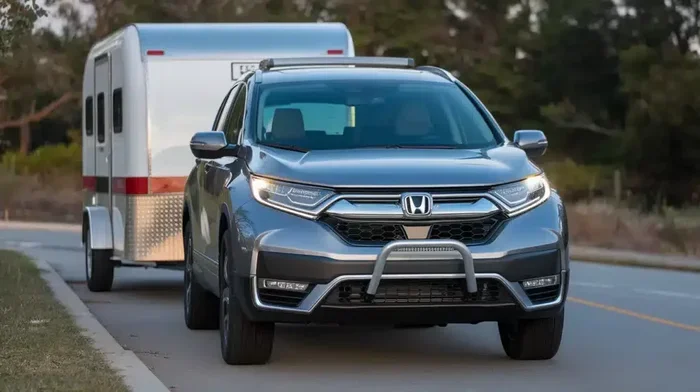
Yes, a Honda CR-V can tow, but the exact capacity depends on your model year, engine type, and whether you have the proper tow package installed. Most Honda CR-V models can tow between 1,500 and 3,500 pounds when properly equipped. Always check your specific owner’s manual and confirm your trim level before attaching a trailer.
So you want to know can a Honda CR-V tow? It is a great question, and one that a lot of CR-V owners ask when they need to haul a trailer, a boat, or even a small camper. The short answer is yes, but the full answer comes with some important details you need to know.
The Honda CR-V is a reliable compact SUV that has been a household favorite for decades. But towing capability is not something every trim level supports equally. Your model year, engine type, and trim package all play a role in determining how much weight your CR-V can safely pull. In this guide, we will walk you through everything you need to know about Honda CR-V towing capacity, what equipment you need, and how to stay safe on the road.
Whether you are planning a weekend camping trip or need to move a small trailer across town, understanding your vehicle’s limits is the first step. Let us dive into the details so you can tow with total confidence.
Key Takeaways
- Towing Capacity Varies: Honda CR-V towing capacity ranges from 1,500 to 3,500 lbs depending on the model year and trim level.
- Tow Package Matters: Not all CR-V trims come with a factory tow package. You may need to add specific equipment.
- Hybrid Models Have Different Limits: The CR-V Hybrid has its own towing specifications that differ from the gas-only version.
- Safety Is Non-Negotiable: Proper hitch installation, weight distribution, and braking systems are essential for safe towing.
- Check Your Owner’s Manual: Always verify your specific vehicle’s towing limits and requirements before hauling anything.
📑 Table of Contents
Honda CR-V Towing Capacity By Model Year
Understanding your Honda CR-V towing specs starts with knowing your model year. Towing capacity has changed across different generations of the CR-V. Here is a general breakdown of what you can expect.
Older Generations (Pre-2017)
Earlier model CR-Vs generally had lower towing capacities. Most models from the early 2000s through 2016 could tow around 1,500 pounds. These vehicles were not designed with heavy towing in mind, so if you own an older CR-V, you will need to be extra careful about what you haul.
Mid-Range Models (2017-2022)
The 2017 through 2022 Honda CR-V models saw an increase in towing capability. Many of these models could tow up to 2,000 pounds when equipped with the proper tow package. This made the CR-V a more viable option for light towing needs like small utility trailers and jet skis.
Recent Models (2023 and Newer)
The newest Honda CR-V models, including the CR-V Hybrid, have seen improvements in towing capacity. Some recent trims can tow up to 3,500 pounds when properly configured. This is a significant jump and makes the CR-V a much more versatile vehicle for families who enjoy outdoor activities.
What You Need for Towing With a Honda CR-V
Just because your CR-V can tow does not mean you can simply attach a trailer and go. There are specific requirements you need to meet. Skipping any of these steps can be dangerous and may also void your warranty.
Tow Hitch Installation
The first thing you need is a properly installed tow hitch. Not every CR-V comes with a factory-installed hitch. In many cases, you will need to have one added by a certified dealer or a qualified mechanic. Can you put a hitch on a hybrid car? Yes, you can, and the same applies to the CR-V Hybrid. However, the installation process and hitch type may vary depending on whether you have a gas or hybrid model.
Here are the key hitch components you should consider:
- Receiver hitch: The main connector that attaches to your vehicle’s frame.
- Ball mount: The adjustable piece that holds the trailer ball at the correct height.
- Trailer ball and clip: The actual connection point between your hitch and the trailer coupler.
- Wiring harness: Essential for connecting your trailer lights to the CR-V’s electrical system.
Trailer Wiring and Lights
Do not overlook the importance of proper trailer wiring. Your Honda CR-V needs a functioning wiring harness so your brake lights, turn signals, and tail lights work on the trailer. Most states require this by law. A simple wiring harness adapter can be installed in under an hour and costs relatively little.
Weight Distribution and Sway Control
If you are towing anything over 1,500 pounds, consider adding a weight distribution system. This helps keep your CR-V level and prevents the trailer from swaying. Sway control is especially important in windy conditions or when passing large trucks on the highway.
Can a Honda CR-V Hybrid Tow?
The CR-V Hybrid has become one of the most popular versions of this SUV, and understandably, many owners want to know if it can tow. The answer is yes, but with some caveats.
The CR-V Hybrid uses a combination of a gasoline engine and electric motors. This powertrain setup affects how the vehicle handles towing. Can a hybrid run without gas? Not really, and this matters when towing because your hybrid system still relies on the gas engine for heavy loads. When you are towing, the gas engine does most of the work, and the electric motor assists.
Here are some important points about hybrid towing:
- The CR-V Hybrid has a towing capacity similar to its gas-powered counterpart in most model years.
- Hybrid battery placement does not typically interfere with towing equipment installation.
- Fuel economy will decrease when towing, even with a hybrid system.
- Can you charge a hybrid car? Yes, but charging has no direct impact on towing capability. Your hybrid battery charges through regenerative braking and the gas engine.
One thing to keep in mind is that does AC burn gas in a hybrid car? Yes, the air conditioning system in a hybrid does use fuel, and when you are towing, the AC works harder. Factor this into your fuel planning for longer trips.
Safe Towing Practices for Honda CR-V Owners
Towing safely is not just about your vehicle. It is about how you load, secure, and drive with a trailer. Here are some essential tips every CR-V owner should follow.
Know Your Payload and Tongue Weight
Tongue weight is the downward force the trailer puts on the hitch. A good rule of thumb is that tongue weight should be about 10 to 15 percent of your total trailer weight. Too much tongue weight can make your CR-V sag at the rear and reduce stability. Too little can cause the trailer to sway.
Check Your Tire Pressure
Before every towing trip, check your CR-V’s tire pressure. Towing adds extra weight, and properly inflated tires handle that load much better. Underinflated tires can overheat, leading to blowouts, especially on long highway drives.
Drive at Safe Speeds
When you are towing, you need more stopping distance and more time to maneuver. Reduce your speed compared to normal driving conditions. Most experts recommend staying under 60 mph when towing a trailer with a compact SUV like the CR-V.
Use Your Mirrors Properly
A trailer blocks your rear view, so you need extended side mirrors to see what is behind and beside your trailer. Many states actually require towing mirrors by law. Make sure you have a clear sightline before you hit the road.
Practice Before You Go
If you are new to towing, practice in an empty parking lot first. Get a feel for how your CR-V handles with a trailer attached. Practice turning, reversing, and braking so you are comfortable before you hit open roads.
Common Mistakes When Towing With a Honda CR-V
Even experienced drivers make mistakes when towing. Here are some common errors CR-V owners should avoid.
Exceeding the Towing Limit
This is the biggest mistake people make. Every vehicle has a maximum towing capacity, and going over it is dangerous. It strains your engine, transmission, brakes, and suspension. It can also lead to accidents and serious damage to your vehicle. Always stay within your CR-V’s rated limit.
Skipping the Weight Distribution Hitch
Some owners think a weight distribution hitch is only for large trucks. This is not true. If your trailer is close to your CR-V’s towing limit, a weight distribution system makes a huge difference in stability and handling.
Ignoring Trailer Maintenance
Your trailer needs maintenance too. Check the tire pressure on your trailer, make sure the bearings are greased, and inspect the lights before every trip. A poorly maintained trailer can cause serious problems on the road.
Not Braking Early Enough
A loaded trailer adds significant momentum. You cannot stop as quickly as you do without a trailer. Brake earlier and more gently to avoid jackknifing or losing control.
Forgetting to Check Local Towing Regulations
Towing laws vary by state and even by municipality. Some areas have speed restrictions for vehicles towing trailers. Others require specific equipment like brake controllers. Make sure you know the rules before you travel.
Expert Tips for Getting the Most Out of Your CR-V’s Towing Ability
Want to tow smarter and safer with your Honda CR-V? Here are some expert-backed tips that make a real difference.
First, always refer to your owner’s manual. The manual has the most accurate and up-to-date towing information for your specific vehicle. Do not rely on generic internet advice when your safety is on the line.
Second, invest in quality towing equipment. A cheap hitch or wiring harness might save you money upfront, but it can fail under load. Go with reputable brands that are rated for your CR-V’s towing capacity.
Third, do a pre-trip inspection every single time. Walk around your vehicle and trailer before you leave. Check the hitch connection, trailer lights, tire pressure, and cargo securement. It only takes five minutes but can prevent major problems down the road.
Fourth, consider your CR-V’s condition. If your vehicle has high mileage or existing mechanical issues, towing can make them worse. Have your CR-V inspected by a trusted mechanic before any long towing trips.
Fifth, be mindful of fuel economy. Towing reduces your CR-V’s gas mileage significantly. Plan your fuel stops and budget for extra fuel costs, especially on longer trips.
Finally, if you are unsure about anything, consult your Honda dealer. They can confirm your specific CR-V’s towing capacity, recommend the right equipment, and even help with hitch installation. There is no shame in asking for professional guidance.
Key Takeaways
- Towing Capacity Varies by Year and Trim: Honda CR-V towing capacity ranges from 1,500 to 3,500 lbs depending on your specific model.
- Equipment Is Essential: You need a proper hitch, wiring harness, and possibly a weight distribution system for safe towing.
- Hybrid CR-V Models Can Tow Too: The CR-V Hybrid has towing capabilities similar to the gas version, but keep in mind how hybrid systems interact with heavy loads.
- Safety Comes First: Always stay within your vehicle’s rated towing limit and follow safe driving practices when towing.
- Regular Maintenance Matters: Both your CR-V and your trailer need to be in good condition before every towing trip.
Frequently Asked Questions
What is the maximum towing capacity of a Honda CR-V?
The maximum towing capacity for a Honda CR-V ranges from 1,500 to 3,500 pounds depending on the model year and trim level. Always check your specific owner’s manual to confirm your vehicle’s exact towing rating.
Do I need a special package to tow with a Honda CR-V?
Yes, most Honda CR-V models require a factory or aftermarket tow package to tow safely. This typically includes a hitch receiver, wiring harness, and sometimes a weight distribution system. Check with your dealer to confirm what your specific trim includes.
Can I tow with my Honda CR-V Hybrid?
Yes, the Honda CR-V Hybrid can tow, and its capacity is similar to the gas-powered version in most model years. However, keep in mind that towing will reduce your fuel economy and place additional strain on the hybrid powertrain.
Is it safe to tow a travel trailer with a Honda CR-V?
It can be safe if your trailer weight is within the CR-V’s towing capacity and you have the proper equipment installed. Always use a weight distribution hitch for trailers over 1,500 pounds and practice safe driving habits like increased braking distance and reduced speed.
What equipment do I need to tow with a Honda CR-V?
You will need a tow hitch, ball mount, trailer ball, wiring harness for lights, and ideally a weight distribution system with sway control. Some models may also benefit from a brake controller depending on the trailer weight.
Does towing affect the warranty on my Honda CR-V?
Towing within your CR-V’s rated capacity and following the owner’s manual guidelines should not affect your warranty. However, exceeding the towing limit or using improper equipment may void coverage for related damage. Always check with your Honda dealer if you are unsure.
=== CONCLUSION ===
Can a Honda CR-V tow? Absolutely. The Honda CR-V is a capable and versatile SUV that can handle light to moderate towing when properly equipped. From the older models to the newest CR-V Hybrid, there is a towing capacity that works for most casual and recreational towing needs.
The key is knowing your specific vehicle’s limits, using the right equipment, and following safe towing practices. Never exceed your towing capacity, invest in quality hitch and wiring equipment, and always do a pre-trip inspection. These steps will keep you, your passengers, and your cargo safe on every journey.
Whether you are hauling a small utility trailer for a weekend project or pulling a camper for a family vacation, the Honda CR-V can get the job done. Just remember to respect the limits, drive responsibly, and enjoy the ride. Happy towing!