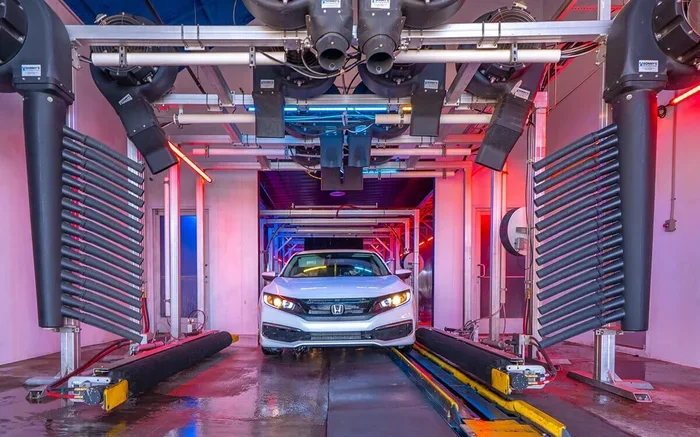
Choosing the Best Automatic Car Wash Equipment Made Easy
Choosing the right automatic car wash equipment can transform your business or simplify your routine wash at home. This guide covers every type of wash system, key features to look for, common mistakes to avoid, and expert tips to help you make a confident, informed decision. Whether you are starting a car wash business or upgrading your setup, you will find everything you need here.
Running a car wash or looking to upgrade your home setup? The world of automatic car wash equipment can feel overwhelming at first glance. There are so many types, brands, and features to consider. But here is the good news. Choosing the right system does not have to be complicated.
This guide walks you through everything you need to know. From the different types of wash systems to key features, budgets, and common mistakes, we have got you covered. By the end, you will feel confident making the best choice for your situation. Let us dive in.
Key Takeaways
- Multiple types exist: Touchless, brush, conveyor, and rollover systems each suit different needs and budgets.
- Water recycling saves money: Modern automatic car wash equipment includes reclamation systems that cut water costs by up to 50 percent.
- Match equipment to your space: Small bays need compact systems, while large facilities can handle full tunnel setups.
- Budget wisely: Entry-level home units start around $500, while commercial systems range from $15,000 to over $100,000.
- Maintenance matters: Regular upkeep extends equipment life and keeps wash quality consistent.
- Avoid common pitfalls: Skipping water treatment and choosing the wrong system type are the top mistakes new owners make.
📑 Table of Contents
What Is Automatic Car Wash Equipment?
Automatic car wash equipment refers to any system that washes vehicles with minimal human effort. These machines use water, soap, brushes, or high-pressure jets to clean cars quickly and efficiently. You will find them in commercial car wash businesses, gas stations, and even residential garages.
The main goal is simple. Deliver a clean vehicle in less time than hand washing. Modern systems also focus on saving water and reducing chemical waste. This makes them a smart choice for both the environment and your wallet.
There are four main categories of automatic car wash equipment on the market today. Each one works differently and suits different needs. Let us break them down.
Types of Automatic Car Wash Equipment
Touchless Car Wash Systems
Touchless systems rely on high-pressure water jets and strong detergents. There are no physical brushes touching the vehicle. This makes them a popular choice for owners who want to avoid swirl marks or scratches on their paint.
These systems use high-pressure washers and precise soap dispensing. The water hits the car from multiple angles. Most touchless setups clean a vehicle in under two minutes.
Best for: Luxury car owners, fleet operators, and businesses that want low maintenance costs. Touchless systems have fewer moving parts, which means less wear and tear over time.
Soft Brush Car Wash Systems
Soft brush systems use gentle, rotating cloth or foam brushes to clean the vehicle surface. The brushes move across the car while water and soap do the heavy lifting. These systems provide a thorough clean without being too harsh.
Many drivers prefer the feel of a soft brush wash. It removes light dirt, bugs, and road grime effectively. The brushes are designed to be non-abrasive, so they protect your paint finish.
Best for: High-traffic commercial washes where customers expect a polished, detailed look. Soft brush systems also work well in areas with hard water, since the brushes help lift mineral deposits.
Conveyor Tunnel Washes
A conveyor tunnel wash moves the vehicle through a tunnel on a track. The car stops at different stations for pre-soaking, washing, rinsing, and drying. Each station has its own set of equipment, including foam cannons, brushes, and blowers.
These systems handle a high volume of vehicles. They are the backbone of most large commercial car wash operations. A tunnel wash can process 20 to 30 cars per hour, depending on the setup.
Best for: Business owners looking for maximum throughput. Conveyor systems require more space and a higher upfront investment, but they pay off in volume and efficiency.
Rollover and Drive-Through Washes
Rollover systems stay stationary while the cleaning arms move over the parked vehicle. The driver simply drives into the bay, selects a wash program, and lets the machine do the work. These are the most common type found at gas stations and quick-lube locations.
Drive-through washes are similar but allow the vehicle to keep moving through the wash. Both styles use a combination of water pressure, soap, and brushes or air jets. They are fast, easy to operate, and require minimal staffing.
Best for: Small to medium businesses with limited space. Rollover and drive-through units are also great for home use if you want a professional-level clean without the complexity of a full tunnel system.
Key Features to Look For
Not all wash systems are created equal. When comparing automatic car wash equipment, focus on the features that matter most for your operation. Here is what to prioritize.
Water Recycling and Reclamation
Water is the biggest ongoing cost for any car wash. Modern automatic car wash equipment often includes water recycling systems. These systems filter and reuse wash water, reducing your total water consumption by up to half.
Look for systems with multi-stage filtration. This includes sediment filters, carbon filters, and oil-water separators. The cleaner the recycled water, the better the wash results and the lower your utility bills.
Quick Tip: Even if your budget is tight, start with a basic water reclamation unit. It pays for itself within the first few months through reduced water costs.
Soap and Detergent Dispensing
The right soap dispensing system makes a huge difference in wash quality. Look for equipment with programmable dispensers. These let you control the amount of detergent, the wash cycle timing, and the solution concentration.
Consistency matters. A good dispensing system ensures every vehicle gets the same quality wash. This reduces waste and keeps your customers happy. Some advanced systems also adjust detergent levels based on vehicle size and dirt level.
High-Pressure Washing Systems
High-pressure washing is the engine of any automatic wash system. The pressure rating, measured in PSI (pounds per square inch), determines how effectively the system removes dirt and grime.
For most commercial applications, look for systems rated between 1,500 and 3,000 PSI. Higher pressure works well for heavy-duty cleaning, but it can damage delicate paint if not managed properly. Always pair high pressure with the right detergent and nozzle settings.
How to Choose the Right Equipment
Selecting the right automatic car wash equipment depends on several factors. Let us walk through the most important ones.
Matching Equipment to Your Space
Measure your available space before you shop. A full conveyor tunnel system needs a long, wide bay. A rollover unit fits in a standard 10-foot by 20-foot bay. Touchless systems are often the most compact option.
Think about your layout too. You need room for water supply lines, drainage, electrical connections, and customer waiting areas. Planning your space early saves headaches during installation.
Expert Insight: Many new business owners underestimate the space needed for equipment maintenance. Leave at least three feet of clearance around all major components. This gives technicians room to access motors, pumps, and control panels for repairs.
Budget Considerations
Your budget shapes what is possible. Here is a rough breakdown of costs for different types of automatic car wash equipment:
- Home rollover units: $500 to $3,000. Great for personal use or very small operations.
- Commercial rollover systems: $10,000 to $35,000. Ideal for gas stations and quick-lube businesses.
- Touchless systems: $20,000 to $60,000. Lower maintenance costs but higher initial investment.
- Conveyor tunnel systems: $50,000 to $250,000+. Built for high-volume commercial operations.
Remember to factor in installation, plumbing, electrical work, and ongoing maintenance. The cheapest system on paper may cost more over time if it uses too much water or requires frequent repairs.
Comparing Popular Equipment Types
Still unsure which system fits your needs? Use this comparison table to weigh your options:
| System Type | Avg. Cost | Wash Time | Maintenance Level | Best For |
|---|---|---|---|---|
| Touchless | $20,000-$60,000 | 1-2 min | Low | Luxury vehicles, low-maintenance ops |
| Soft Brush | $15,000-$50,000 | 2-3 min | Medium | Detail-focused commercial washes |
| Conveyor Tunnel | $50,000-$250,000+ | 3-5 min | High | High-volume commercial operations |
| Rollover/Drive-Through | $10,000-$35,000 | 2-4 min | Medium | Gas stations, small commercial sites |
As you can see, each type has trade-offs. The best automatic car wash equipment for you depends on your goals, space, and budget.
Common Mistakes to Avoid
Even experienced car wash owners make mistakes. Here are the most common ones and how to avoid them.
Skipping water treatment. Hard water leaves mineral deposits on vehicles and inside your equipment. Installing a water softener or filtration system protects both your wash quality and your machinery. This is one of the easiest ways to extend the life of your automatic car wash equipment.
Choosing the wrong system type. A small rollover unit will struggle in a high-volume location. A massive tunnel system will overwhelm a single-bay operation. Match the system to your expected traffic and physical space.
Ignoring maintenance schedules. Pumps, brushes, and nozzles wear out over time. Follow the manufacturer’s recommended maintenance plan. Replace worn parts before they cause bigger problems. A $50 brush replacement beats a $2,000 motor repair.
Underestimating chemical costs. Cheap detergents may save money upfront but can damage equipment and leave spots on vehicles. Invest in quality car wash chemicals designed for automatic systems. Your customers will notice the difference.
Not training your staff. Even the best automatic car wash equipment needs proper operation. Train your team on settings, troubleshooting, and basic maintenance. A well-trained operator prevents most common issues before they start.
Expert Tips for Maximizing Equipment Life
Your investment in automatic car wash equipment deserves proper care. Follow these expert tips to get the most out of your system.
- Inspect hoses and connections weekly. Leaks waste water and reduce pressure. Catch them early before they become costly repairs.
- Clean nozzles and filters monthly. Mineral buildup and debris clog spray patterns. Clean parts ensure consistent wash quality.
- Use the right chemicals. Always use detergents formulated for automatic wash systems. Harsh household cleaners can corrode metal parts and damage seals.
- Monitor water temperature. Hot water improves cleaning but can warp plastic components. Stick to the temperature range recommended by the manufacturer.
- Keep a maintenance log. Track every service, repair, and part replacement. This helps you spot patterns and plan for future needs.
- Schedule professional tune-ups annually. A professional technician can spot issues you might miss. Annual check-ups keep your system running at peak performance.
Quick Tip: Keep a small spare parts kit on hand. Stock extra nozzles, O-rings, and hose clamps. When something breaks at busy times, you want to fix it fast without waiting for a delivery.
Final Thoughts
Choosing the right automatic car wash equipment is a big decision, but it does not have to be stressful. Start by understanding your space, your budget, and your goals. Then match those needs to the right system type. Focus on features like water recycling, quality soap dispensing, and reliable high-pressure washing.
Avoid the common pitfalls we covered, and invest in regular maintenance. A well-chosen and well-maintained wash system delivers clean vehicles for years. It also keeps your operating costs low and your customers coming back.
Take your time, do your research, and trust the process. The right automatic car wash equipment will serve you well and pay for itself many times over. You are now equipped with the knowledge to make a smart, confident choice. Go ahead and take the next step toward a cleaner, more efficient operation.
Frequently Asked Questions
What is the average lifespan of automatic car wash equipment?
Most quality systems last between 7 and 15 years with proper maintenance. Touchless systems often last longer because they have fewer moving parts that wear out. Regular upkeep, including cleaning nozzles and replacing worn brushes, plays a big role in extending your equipment’s life.
How much water does an automatic car wash use per vehicle?
A modern automatic car wash uses between 15 and 40 gallons per vehicle. This is far less than hand washing, which can use 100 gallons or more. Systems with water recycling use even less, sometimes as low as 8 gallons per wash.
Can I install automatic car wash equipment myself?
Small home units are often DIY-friendly and come with clear installation guides. However, commercial systems usually require professional installation. Plumbing, electrical, and water treatment connections need to meet local codes. Hiring a pro ensures safety and prevents costly mistakes.
What is the difference between a touchless and a brush car wash?
A touchless wash uses only high-pressure water and chemicals with no physical contact. A brush wash uses soft cloth or foam brushes that gently touch the vehicle surface. Touchless systems are safer for delicate paint, while brush systems provide a more thorough clean for heavy grime.
Is automatic car wash equipment profitable for a small business?
Yes, especially when you choose the right system for your location. Rollover and touchless units work well for small operations with limited traffic. The key is keeping operating costs low through water recycling and efficient chemical use. Many small car wash owners see a return on investment within 12 to 24 months.
What maintenance does automatic car wash equipment need most often?
The most frequent tasks include cleaning nozzles, inspecting hoses, replacing worn brushes, and checking chemical levels. Weekly inspections catch small problems before they grow. Monthly deep cleaning of filters and water treatment components keeps the entire system running smoothly.