Why a car moving with constant speed turning around a curve
A car moving with constant speed turning around a curve is never truly moving at a constant velocity. Even though the speedometer stays steady, the direction keeps changing, which means acceleration is always happening. Understanding this concept helps drivers appreciate why curves feel the way they do and how to navigate them safely. This guide breaks down the physics, the forces at play, and practical driving tips in plain language.
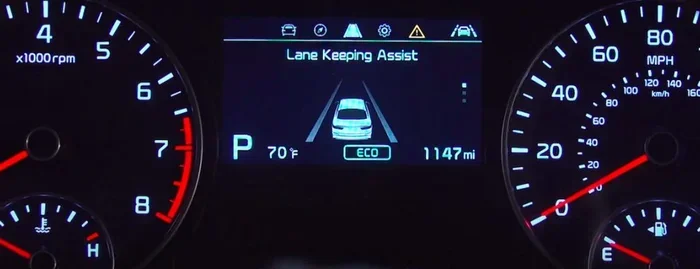
You are cruising along the road. The speedometer reads a steady 45 miles per hour. Then you see a curve ahead. You turn the steering wheel and the car follows the bend. Everything feels smooth. The speed never changes. So what is really happening? The answer might surprise you. A car moving with constant speed turning around a curve is one of the most fascinating topics in basic physics. It is also one of the most important things every driver should understand.
Many people think constant speed means nothing is changing. But that is not true at all. When a car goes around a curve, its direction is always changing. And whenever direction changes, velocity changes too. That change in velocity means acceleration is happening the entire time. This acceleration is called centripetal acceleration. And it needs a force to exist. That force comes from your tires gripping the road. Let us dive deep into why this matters and how it affects your driving every single day.
Key Takeaways
- Constant speed does not mean constant velocity: Direction changes during a turn, which means the car is always accelerating.
- Centripetal force is the hidden hero: It pulls the car toward the center of the curve and keeps it from flying off the road.
- Friction between tires and road is essential: Without enough grip, a car cannot complete a turn safely at any speed.
- Curve radius and speed are directly linked: Tighter curves require slower speeds to maintain control.
- Banked curves use gravity to your advantage: They reduce reliance on friction and allow safer turning at higher speeds.
- Common mistakes include braking mid-turn and overestimating grip: Both can lead to understeer or oversteer.
- Understanding the physics makes you a smarter driver: Knowledge of forces at play helps you react better in real-world driving situations.
📑 Table of Contents
What Happens When a Car Moves at Constant Speed Around a Curve
Let us start with the basics. A car moving with constant speed turning around a curve is not moving at a constant velocity. Velocity is speed plus direction. So even if the speedometer does not move, the velocity is changing the whole time. This is because the car keeps changing direction as it follows the curve.
Speed vs. Velocity: What Is the Difference?
Speed is how fast something is going. It is a scalar quantity. That means it only has magnitude. Velocity is different. It is a vector quantity. That means it has both magnitude and direction. When a car goes straight at 50 mph, the velocity is 50 mph in a straight line. When that same car enters a curve at 50 mph, the speed stays the same. But the direction is now changing. And that change in direction means the velocity is changing too.
This distinction is crucial. It is the reason a car moving with constant speed turning around a curve is actually accelerating the entire time. The acceleration is always pointing toward the center of the curve. Scientists call this centripetal acceleration. It comes from the Latin word centrum, meaning center, and petere, meaning to seek. So centripetal literally means center-seeking.
The Role of Centripetal Force in Every Turn
Now here is where it gets interesting. Acceleration does not just happen on its own. Newton’s second law tells us that a net force is required to produce acceleration. For a car going around a curve, that force is called centripetal force. This force always points toward the center of the circular path.
Where does this centripetal force come from? It comes from the tires. Specifically, it comes from the friction between the tires and the road surface. When you turn the steering wheel, the tires change their orientation. They now point in a new direction. The road pushes back on the tires through friction. This push toward the center of the curve is what keeps the car from flying off in a straight line.
Without friction, a car moving with constant speed turning around a curve would simply continue in a straight line. Think about it. If you are driving on perfectly icy roads and you turn the wheel, the car does not follow the curve. It keeps going straight. That is because there is no friction to provide the centripetal force. The tires have no grip. The car slides off the road.
Why Speed and Curve Radius Matter So Much
The relationship between speed, curve radius, and the forces at play is not complicated. But it is very important for drivers to understand. The faster you go through a curve, the more centripetal force you need. The tighter the curve, the more force you also need.
The Math Behind the Curve
The formula for centripetal force is F equals mv squared divided by r. Let us break that down. F is the centripetal force. M is the mass of the car. V is the speed of the car. R is the radius of the curve. What this tells us is that force increases with the square of the speed. That means if you double your speed, you need four times the force. That is a huge increase.
The radius also matters a lot. A smaller radius means a tighter curve. And a tighter curve requires more force at the same speed. This is why sharp turns at high speed are so dangerous. The tires simply cannot provide enough friction to generate the required centripetal force.
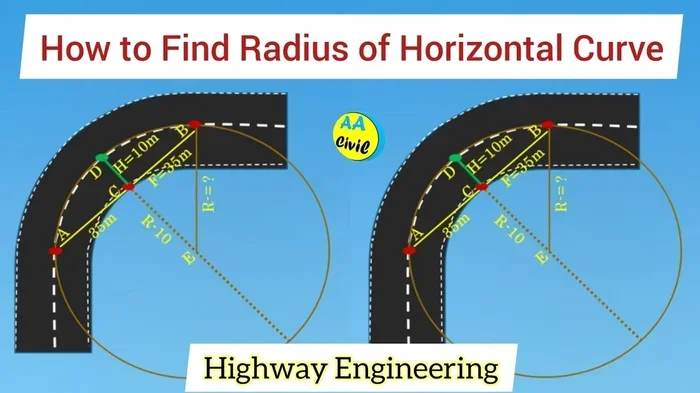
Here is a practical example. Imagine two curves on the same road. Curve A has a radius of 100 meters. Curve B has a radius of 50 meters. Both curves are taken at the same speed. The force required for Curve B is twice as much as for Curve A. That is a big difference. This is why highway engineers design curves with large radii whenever possible. Larger curves require less force and are safer.
How Tire Grip and Road Conditions Affect Cornering
The centripetal force for a car moving with constant speed turning around a curve comes from tire grip. Tire grip depends on several factors. The first factor is the tire itself. Worn tires have less grip than new tires. The rubber compound matters too. All-season tires perform differently from summer performance tires. Winter tires are designed specifically for cold surfaces and provide better grip on ice.
The second factor is the road surface. Dry asphalt offers the most grip. Wet roads reduce grip significantly. Gravel, dirt, and snow reduce it even more. Standing water can cause hydroplaning. When hydroplaning happens, the tires lose all contact with the road. At that point, there is zero friction. And zero friction means zero centripetal force. The car will not follow the curve at all.
The third factor is the weight of the car. A heavier car needs more force to change direction. This is why large trucks and SUVs need to slow down more before curves. Their greater mass means greater centripetal force is required. And if the tires cannot provide that force, the vehicle will slide.
Banked Curves: How Engineers Use Gravity to Help Drivers
Have you ever noticed that some curves on highways are tilted? The outside edge of the road is higher than the inside edge. This is called a banked curve. Engineers design banked curves on purpose. They help cars navigate turns more safely, especially at higher speeds.
The Physics of a Banked Curve
On a flat road, all the centripetal force for a car moving with constant speed turning around a curve comes from tire friction alone. On a banked curve, the road itself helps provide some of that force. The tilt of the road pushes the car toward the center of the curve. Gravity and the normal force from the road work together to create a component of force that points inward.
This is a big advantage. On a banked curve, even if the road is slightly icy, the car has a better chance of staying on the road. The banking reduces the total reliance on friction. Some racetracks use extreme banking. NASCAR ovals, for example, have steep banked turns that allow cars to go very fast through the curves.
The angle of the banking is carefully calculated. Engineers consider the design speed of the road. They also consider the radius of the curve. A steeper bank allows for higher speeds through the curve. But too much banking at low speeds can actually make things harder for slow-moving vehicles. That is why highway curves are banked at moderate angles.
Real-World Examples of Banked Curves
You can find banked curves in many places. Interstate highways often have gentle banking on sharp curves. Interstate on-ramps frequently use banking to help cars merge smoothly. Race tracks are the most extreme examples. The Daytona International Speedway has banked turns that are over 30 degrees. At those angles, cars can travel over 200 miles per hour through the turns.
Even everyday roads use banking. Your local highway probably has several banked curves that you drive through without thinking about it. The next time you take a curve and feel the road tilting slightly beneath you, you will know exactly why. The engineers designed it that way to keep you safe.
Common Mistakes Drivers Make on Curves
Understanding the physics of a car moving with constant speed turning around a curve helps explain why certain driving habits are dangerous. Many drivers make mistakes on curves that put them at risk. Let us look at the most common ones.
Braking While in the Curve
This is probably the most dangerous mistake. When you brake during a turn, you shift the weight of the car forward. The front tires get more grip, but the rear tires get less. This can cause the rear end to slide out. It is called oversteer. In the worst case, the car spins completely around.
The right approach is to slow down before you enter the curve. Brake gently while the car is still going straight. Then release the brake and let the car coast through the curve at a steady speed. This keeps the weight balanced and the tires working evenly.
Accelerating Too Early Out of a Curve
Some drivers hit the gas too soon when exiting a curve. This shifts the weight to the rear wheels. The front tires lose grip, and the car tends to understeer. Understeer means the car keeps going straight even though you are turning the wheel. On a wet road, this can be very dangerous.
Smooth and gradual acceleration is the key. Gently feed the gas as the car starts to straighten out. Let the tires regain their full grip before you accelerate hard. Patience pays off on curves.
Overestimating What Your Tires Can Do
Tires have limits. Every tire has a maximum amount of grip it can provide. When you combine braking, steering, and acceleration at the same time, you are asking the tires to do too much. The total grip available is shared between all these demands.
A car moving with constant speed turning around a curve already uses a significant portion of the available tire grip for the centripetal force. If you also brake or accelerate, you may exceed the total grip limit. The tires will start to slide. This is why smooth inputs are so important on curves.
Not Adjusting Speed for Weather Conditions
Dry roads offer great grip. Wet roads offer much less. Icy roads offer almost none. Many drivers do not slow down enough for the conditions. They take curves at the same speed they would on a dry day. This is a recipe for disaster.
A good rule of thumb is to reduce your speed by at least one-third on wet roads. On icy roads, reduce your speed by half or more. Remember that the centripetal force needed for a car moving with constant speed turning around a curve stays the same regardless of weather. But the friction available to provide that force drops dramatically in bad conditions.
How Understanding Curve Physics Makes You a Better Driver
Knowledge is power. When you understand why a car moving with constant speed turning around a curve behaves the way it does, you can make better decisions behind the wheel. You will anticipate problems before they happen. You will adjust your speed and inputs more smoothly.
Here are some practical tips based on the physics we have discussed. First, always look ahead to the curve. Do not focus only on the car directly in front of you. Second, brake before the curve, not during it. Third, choose the right line through the curve. A wider line on a right curve gives you a larger radius and requires less force. Fourth, be gentle with all inputs. Smooth steering, smooth braking, and smooth acceleration keep the tires working within their limits.
These tips are not just theory. They come directly from the physics of circular motion. When you apply them, you will notice a big difference in how the car handles through curves. Your rides will feel smoother. Your confidence will grow. And most importantly, you will be safer on the road.
The Role of Inertia in Curve Driving
Inertia is the tendency of an object to resist changes in its motion. Newton’s first law explains this. An object in motion stays in motion in a straight line unless acted upon by an external force. This is why a car wants to keep going straight when you turn the wheel. The car’s inertia is pulling it in a straight line. The tires and friction have to overcome that inertia to make the car follow the curve.
This is another reason why speed matters so much. The faster the car is moving, the more inertia it has. More inertia means more force is needed to change the car’s direction. More force means more demand on the tires. And if the tires cannot provide that force, the car will not follow the curve. It will keep going straight. This is what happens when a car understeers or slides off a road on a curve.
Key Takeaways
- Constant speed does not mean constant velocity: Direction changes during a turn, which means the car is always accelerating.
- Centripetal force is the hidden hero: It pulls the car toward the center of the curve and keeps it from flying off the road.
- Friction between tires and road is essential: Without enough grip, a car cannot complete a turn safely at any speed.
- Curve radius and speed are directly linked: Tighter curves require slower speeds to maintain control.
- Banked curves use gravity to your advantage: They reduce reliance on friction and allow safer turning at higher speeds.
- Common mistakes include braking mid-turn and overestimating grip: Both can lead to understeer or oversteer.
- Understanding the physics makes you a smarter driver: Knowledge of forces at play helps you react better in real-world driving situations.
Conclusion
A car moving with constant speed turning around a curve is a perfect example of how everyday driving involves real physics. The speedometer may not change, but everything else is in motion. Direction changes. Velocity changes. Acceleration happens. Centripetal force pulls the car inward. Friction between the tires and road makes it all possible. And when conditions change, or when drivers make mistakes, the results can be dangerous.
The good news is that understanding these concepts makes you a better and safer driver. You do not need to be a physicist to appreciate how curves work. You just need to respect the forces at play and drive accordingly. Slow down before curves. Brake smoothly. Accelerate gently. And always match your speed to the conditions of the road and the sharpness of the curve.
Next time you approach a curve, take a moment to think about what is happening. Your tires are working hard to provide the centripetal force needed to keep you on the road. The road surface is giving your tires the friction they need. And the laws of physics are guiding you safely through the turn. It is a beautiful thing. And now you understand how it all works.
Drive safely. Respect the curves. And remember that a car moving with constant speed turning around a curve is never just about speed. It is about forces, grip, and smart driving decisions. Every time you navigate a curve with confidence, you are putting physics on your side.
Frequently Asked Questions
Can a car really have constant speed while turning?
Yes, the speed can stay the same. But the velocity is changing because the direction is changing. This is why even at constant speed, a car going around a curve is accelerating. The acceleration is called centripetal acceleration, and it always points toward the center of the curve.
What provides the centripetal force when a car turns a curve?
The centripetal force comes from the friction between the tires and the road. When you turn the steering wheel, the tires grip the road and push the car toward the center of the curve. Without this friction, the car would keep going straight instead of following the curve.
Why do tighter curves require slower speeds?
Tighter curves have a smaller radius. The centripetal force needed increases as the radius decreases. At the same speed, a tighter curve demands more force from the tires. If the tires cannot provide that force, the car will slide. Slowing down reduces the force needed and keeps the tires within their grip limits.
Do banked curves reduce the need for tire friction?
Yes, they do. Banked curves use the tilt of the road to help provide centripetal force. Gravity and the normal force from the road work together to push the car toward the center of the curve. This reduces the total reliance on tire friction, making banked curves safer, especially at higher speeds or on slippery roads.
What happens if you brake while in a curve?
Braking during a turn shifts the car’s weight forward. The front tires gain grip, but the rear tires lose grip. This imbalance can cause the rear end to swing out, which is called oversteer. In severe cases, the car can spin. Always brake before the curve and keep your inputs smooth throughout the turn.
How does road surface affect cornering ability?
Road surface has a huge impact on tire grip. Dry asphalt provides the most friction. Wet roads reduce grip significantly. Gravel, dirt, and ice reduce it even more. When the road surface offers less friction, the tires have a harder time providing the centripetal force needed for a car moving with constant speed turning around a curve. This is why you must slow down on wet or icy roads before entering any curve.