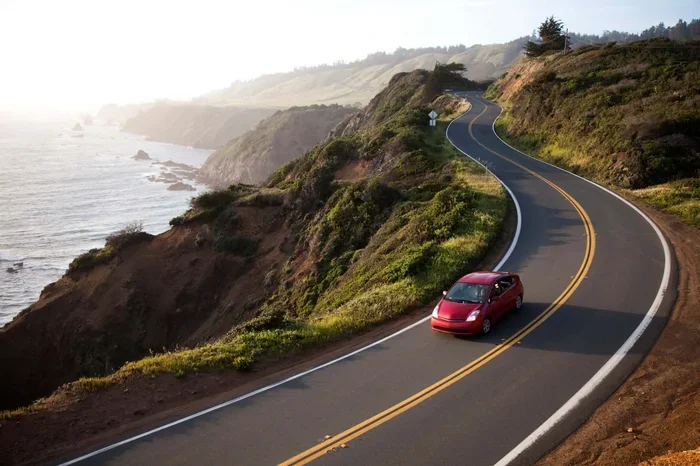
A car is travelling along the road at 8ms and beyond
A car is travelling along the road at 8ms, which equals about 28.8 km/h or 18 mph. This common speed comes up in physics problems, driving scenarios, and everyday city driving. Understanding what this speed means helps drivers stay safe and make better decisions on the road. In this guide, we break down speed, distance, braking, and real-world driving tips related to this velocity.
A car is travelling along the road at 8m/s, and there is a lot to understand about what this speed really means. Eight meters per second might sound like a random number from a textbook. But in real life, this speed shows up all the time. It is the pace of a car moving through a neighborhood, crawling in traffic, or navigating a parking lot. When we talk about a vehicle moving at this velocity, we open the door to important topics like safety, distance, fuel use, and road awareness. This article explores every angle of what it means when a car travels at 8 meters per second. You will learn practical tips, real-world examples, and useful insights that make you a better, more informed driver.
Whether you are a new driver or someone who just wants to understand the physics behind everyday driving, this guide has you covered. We will break down the numbers, explain the concepts in plain language, and give you advice you can use today. The goal is simple: help you understand speed better and drive more safely. So let us dive in and explore what happens when a car is travelling along the road at 8ms.
Key Takeaways
- 8m/s is a practical city speed: It represents a safe, moderate pace common in residential and urban driving conditions.
- Speed conversion matters: Knowing how to convert 8m/s to km/h or mph helps drivers understand speed limits and signs.
- Braking distance increases with speed: Even at 8m/s, a car needs adequate space to stop safely on different road surfaces.
- Fuel efficiency peaks at moderate speeds: Driving at 8m/s can be fuel-efficient compared to higher highway speeds.
- Road conditions affect safe travel: Wet, icy, or uneven roads require extra caution even at this relatively low speed.
- Understanding vehicle dynamics helps: Knowing how a car moves at 8m/s builds better driving intuition and awareness.
📑 Table of Contents
What Does 8m/s Actually Mean?
Understanding Meters Per Second
When we say a car is travelling along the road at 8m/s, we mean the vehicle covers 8 meters every second. That is the basic definition of speed in physics. But what does that look like in real life? Eight meters per second equals roughly 28.8 kilometers per hour or about 18 miles per hour. This is a very common speed in everyday driving. Think about when you are driving through a residential area. Or picture yourself in a school zone. Or imagine creeping along in heavy city traffic. These are all situations where a vehicle might travel at around 8m/s.
Speed is a measure of how fast an object moves. In the case of a car, speed tells us how much ground the vehicle covers over time. The formula is simple: speed equals distance divided by time. When a car covers 8 meters in one second, that is 8m/s. This is a moderate, manageable speed. It is fast enough to get somewhere but slow enough to stay in control. Understanding this basic concept helps drivers appreciate the importance of speed limits and safe driving habits.
Converting 8m/s to Other Units
Different countries use different units for speed. The metric system uses kilometers per hour, while the US uses miles per hour. Here is how 8m/s converts:
- Kilometers per hour (km/h): 28.8 km/h
- Miles per hour (mph): 17.9 mph
- Feet per second (ft/s): About 26.2 ft/s
- Knots: About 15.6 knots
These conversions help drivers relate 8m/s to the speed they see on road signs. Most speed limits in residential areas fall between 25 and 50 km/h. So driving at 28.8 km/h fits right into that range. This is not a fast speed. It is a speed that gives drivers plenty of reaction time. It also keeps passengers safe in case of unexpected obstacles.
Why Does Speed Matter on the Road?
The Role of Speed in Road Safety
Speed is one of the biggest factors in road safety. When a car is travelling along the road at 8m/s, the driver has more time to react to hazards. At higher speeds, reaction time shrinks. Braking distance increases. The risk of serious accidents grows. But at 8m/s, the vehicle is moving at a pace that most drivers can handle comfortably. This is why many residential zones and school areas set speed limits close to this range.
Think about it this way. At 8m/s, a car travels about 240 meters in 30 seconds. That is roughly the length of two and a half football fields. If something happens ahead, the driver has time to see the problem, process it, and hit the brakes. At 30m/s (108 km/h), that same 30 seconds covers 900 meters. The stopping distance is much longer. The danger is much higher. This contrast shows why moderate speeds like 8m/s are so important for safety.
Speed and Stopping Distance
Stopping distance depends on two things: reaction distance and braking distance. Reaction distance is how far the car travels while the driver processes a hazard and hits the brake. Braking distance is how far the car travels after the brakes are applied until it stops completely.
At 8m/s, the reaction distance is relatively short. If a driver takes one second to react, the car travels 8 meters during that time. The braking distance depends on road conditions. On a dry road, a car at 8m/s stops in about 6 to 8 meters. On a wet road, it might take 10 to 14 meters. On ice, stopping distance can double or even triple. This is why understanding your speed matters so much. Even at a moderate pace like 8m/s, road conditions play a huge role in safety.
The Physics Behind a Car Moving at 8m/s
Speed, Velocity, and Acceleration
Physics class can feel boring, but the concepts behind driving are actually fascinating. When a car is travelling along the road at 8m/s, we are talking about speed. Speed tells us how fast something moves. Velocity is speed with a direction. So if the car moves east at 8m/s, that is velocity. Acceleration is the change in speed over time. If the car speeds up from 0 to 8m/s in 4 seconds, the acceleration is 2 meters per second squared.
These concepts matter for drivers. When you press the gas pedal, you are accelerating. When you brake, you are decelerating. Understanding these basics helps you predict how your car will behave. It also helps you anticipate what other drivers might do. For example, if a car ahead of you starts slowing down, you know it is accelerating in the negative direction. You can prepare to stop as well.
Kinetic Energy and Speed
Kinetic energy is the energy a moving object has. It depends on mass and speed. The formula is KE equals one-half mass times velocity squared. This means that kinetic energy grows very fast as speed increases. A car at 8m/s has a certain amount of kinetic energy. A car at 16m/s has four times as much energy. A car at 24m/s has nine times as much energy.
Why does this matter? Because higher kinetic energy means more force in a collision. A crash at 8m/s is much less severe than a crash at 24m/s. This is another reason why moderate speeds save lives. The energy involved in a low-speed accident is far less than in a high-speed one. This is the physics behind why speed limits exist in the first place.
Real-World Driving at 8m/s
City and Residential Driving
Most drivers experience 8m/s regularly. City streets, residential neighborhoods, and downtown areas often have speed limits that correspond to this pace. When you are driving through a busy downtown, you might maintain 8m/s between traffic lights. In a neighborhood with kids playing, this speed keeps everyone safe. It gives you time to spot a ball rolling into the street or a child chasing a pet.
Delivery drivers, taxi drivers, and rideshare drivers spend a lot of time at this speed. They are constantly stopping and starting in urban environments. Even in stop-and-go traffic, the average speed often hovers around 8m/s. This is the rhythm of city driving. It is not the fastest pace on the road, but it is one of the most common.
Parking Lot and Low-Speed Maneuvers
Parking lots are another place where cars frequently travel at around 8m/s. When you are navigating a crowded lot, looking for a space, or turning into a narrow spot, 8m/s is a sensible speed. It is fast enough to keep traffic moving but slow enough to avoid hitting pedestrians or other vehicles. Many parking lot accidents happen because drivers go too fast for the conditions. Staying at or below 8m/s in these areas reduces risk significantly.
Some modern cars have low-speed assist features that help maintain safe speeds in parking areas. These systems use sensors and cameras to detect obstacles. They can automatically slow the car down or even apply the brakes. While these features are helpful, the driver still needs to stay alert. Technology is a tool, not a replacement for safe driving habits.
Fuel Efficiency at Moderate Speeds
Did you know that driving at 8m/s can be fuel-efficient? Cars use the most fuel at very high speeds, typically above 100 km/h. At moderate speeds like 28.8 km/h, engines operate efficiently. The fuel consumption is lower because the car does not need to work as hard against air resistance. Aerodynamic drag increases with the square of speed. So doubling your speed quadruples the drag force. At 8m/s, drag is minimal compared to highway speeds.
This does not mean you should drive at 8m/s everywhere to save fuel. Highway driving at 90 to 110 km/h is actually more fuel-efficient per kilometer than crawling in city traffic. But for short trips around town, keeping your speed moderate helps save gas. It also reduces engine wear and lowers emissions. A win-win for your wallet and the environment.
Road Conditions and Safe Travel at 8m/s
Dry vs. Wet Roads
Road conditions change everything. On a dry road, a car at 8m/s stops quickly and predictably. The tires grip the surface well. Braking is firm and controlled. But on a wet road, the picture changes. Water reduces tire traction. The stopping distance increases. Hydroplaning becomes a risk, especially if the tires are worn. Even at 8m/s, a wet road demands more caution.
Here is a quick comparison of stopping distances at 8m/s:
- Dry asphalt: About 6 to 8 meters
- Wet road: About 10 to 14 meters
- Gravel or loose surface: About 12 to 18 meters
- Ice or compacted snow: About 20 to 30 meters or more
These numbers show why adjusting your speed for conditions is so important. Even a moderate speed like 8m/s can be dangerous on ice. The key is to match your speed to the road surface and weather conditions. When in doubt, slow down.
Visibility and Driving at Night
Driving at 8m/s at night requires extra attention. Your headlights illuminate a certain distance ahead. At 28.8 km/h, you can usually stop within the range of your headlights. But this depends on the quality of your lights and the road conditions. Dim headlights, fog, or rain can reduce visibility dramatically. In these situations, even 8m/s might be too fast.
Here are some quick tips for night driving at moderate speeds:
- Keep your headlights clean and properly aimed
- Reduce speed further in fog or heavy rain
- Increase following distance to at least 4 seconds
- Watch for pedestrians and cyclists, who are harder to see at night
- Take breaks if you feel drowsy, as fatigue slows reaction time
Common Mistakes Drivers Make at Moderate Speeds
Overconfidence at Low Speeds
One of the biggest mistakes drivers make is becoming overconfident at moderate speeds. When a car is travelling along the road at 8m/s, it feels safe. And it usually is. But overconfidence leads to complacency. Drivers stop paying full attention. They check their phones. They daydream. These distractions are dangerous at any speed, including 8m/s.
A pedestrian stepping off a curb at 8m/s gives the driver very little time to react. A cyclist swerving into traffic is another common hazard. Even a parked car opening its door can cause a serious accident at this speed. The lesson is simple: stay alert no matter how slow you are going.
Ignoring Road Surface Changes
Another mistake is failing to adjust for sudden road surface changes. A dry road can become wet in seconds. A smooth highway can turn into a rough construction zone. These changes affect traction and stopping distance. Drivers who do not adapt their speed to the road surface increase their risk of accidents.
Always scan ahead for road condition changes. Look for puddles, potholes, gravel, or painted surfaces. These can all reduce grip and make braking less predictable. Adjusting your speed proactively is much safer than reacting after the fact.
Following Too Closely
Tailgating is a dangerous habit at any speed. But at 8m/s, it might feel less risky because the speed is low. The truth is that even at moderate speeds, following too closely leaves no room for error. If the car ahead stops suddenly, a close following distance means a collision is almost inevitable.
The 3-second rule is a simple way to maintain a safe following distance. Pick a fixed point on the road. When the car ahead passes it, count to three. If you reach that point before you finish counting, you are too close. In wet or poor conditions, increase this to 4 or 5 seconds. This small habit can prevent many rear-end collisions.
Tips for Safe and Efficient Driving at 8m/s
Maintain a Smooth Driving Style
Smooth driving is safe driving. When you maintain a steady speed of 8m/s, you reduce the need for sudden braking or acceleration. This saves fuel, reduces wear on your brakes and tires, and keeps passengers comfortable. Anticipate traffic flow ahead. Lift off the accelerator early when you see a red light or congestion. Coasting to a stop is smoother and safer than slamming the brakes at the last second.
Keep Your Eyes Moving
Good drivers keep their eyes scanning the road constantly. At 8m/s, you have time to observe what is happening around you. Check your mirrors every 5 to 8 seconds. Look ahead for potential hazards. Watch for crosswalks, driveways, and intersections. The more you scan, the more prepared you are for anything that comes your way.
Practice Defensive Driving
Defensive driving means expecting the unexpected. Even at a safe speed like 8m/s, other drivers might make mistakes. A car might pull out in front of you. A pedestrian might jaywalk. A cyclist might swerve. By anticipating these possibilities, you can react quickly and avoid accidents. Defensive driving is not just a skill. It is a mindset that keeps you safe on every trip.
Expert Insight
Driving instructors often emphasize that speed management is just as important as steering and braking control. A car travelling at 8m/s gives drivers a comfortable window to practice all three skills simultaneously. This speed range is ideal for building confidence and developing good habits that carry over to higher speeds.
Key Takeaways
- 8m/s is a common, practical speed: It represents typical city and residential driving velocities that most drivers experience daily.
- Understanding speed conversions helps: Knowing that 8m/s equals 28.8 km/h or 18 mph makes reading speed limits and signs easier.
- Stopping distance varies with conditions: Dry roads stop quickly, but wet, icy, or gravel surfaces dramatically increase braking distance.
- Physics plays a role in every drive: Kinetic energy, acceleration, and velocity all affect how your car behaves on the road.
- Moderate speeds save fuel and lives: Driving at 8m/s reduces fuel consumption and lowers the severity of potential accidents.
- Stay alert at all speeds: Overconfidence at low speeds is a real danger. Distractions and complacency cause accidents even at 8m/s.
- Smooth driving habits pay off: Anticipating traffic, maintaining safe following distances, and scanning the road make every trip safer.
Conclusion
A car is travelling along the road at 8m/s more often than most people realize. This moderate speed is the backbone of city driving, neighborhood cruising, and low-speed maneuvers. Understanding what 8m/s means, how it converts to other units, and how it affects safety and fuel efficiency makes you a more informed driver. The physics behind this speed are straightforward but powerful. Speed, velocity, acceleration, and kinetic energy all play a role in how your car behaves on the road.
Safety is the most important takeaway. Even at 8m/s, staying alert, maintaining proper following distance, and adjusting for road conditions can prevent accidents. The tips in this guide are practical and easy to apply. You do not need to be a physics expert to drive safely. You just need to understand the basics and stay mindful of your surroundings. So the next time you are cruising through your neighborhood at a comfortable pace, remember what that speed really means. Drive smart, stay aware, and enjoy the ride.
Frequently Asked Questions
How fast is 8m/s in everyday driving?
Eight meters per second equals about 28.8 km/h or 18 mph. This is a typical speed for driving through residential neighborhoods, school zones, and busy downtown areas. It is slow enough to stay safe but fast enough to keep traffic moving smoothly.
How far does a car travel at 8m/s in 10 seconds?
At 8m/s, a car covers 80 meters in 10 seconds. That is roughly the length of a football field. This simple calculation helps drivers estimate distances and plan their braking ahead of time.
Is 8m/s a safe speed for all road conditions?
Eight meters per second is safe on most dry roads. However, on wet, icy, or gravel surfaces, even this moderate speed can be risky. Always adjust your speed based on road conditions, visibility, and traffic around you.
Does driving at 8m/s save fuel?
Yes, driving at moderate speeds like 8m/s can improve fuel efficiency. Engines work less hard at lower speeds, and aerodynamic drag is minimal. However, very slow city driving with frequent stops can reduce fuel economy compared to steady moderate-speed driving.
What is the braking distance at 8m/s on a dry road?
On a dry road, a car traveling at 8m/s typically needs about 6 to 8 meters to stop fully. This includes reaction distance and braking distance. On wet roads, this distance increases to 10 to 14 meters.
Why is it important to understand speed in meters per second?
Understanding speed in meters per second helps with physics calculations, driving safety, and converting between different speed units. It also builds a stronger intuition for how fast you are actually going, which improves overall road awareness.
=== CONCLUSION ===
When a car is travelling along the road at 8m/s, it is moving at a speed that balances efficiency, safety, and practicality. This velocity is everywhere in daily driving, from neighborhood streets to downtown traffic. By understanding what 8m/s means and how it affects stopping distance, fuel use, and road safety, drivers can make smarter decisions behind the wheel. The key is to stay informed, stay alert, and always adjust your speed to match the conditions. Safe driving starts with understanding speed, and now you have the knowledge to do exactly that.