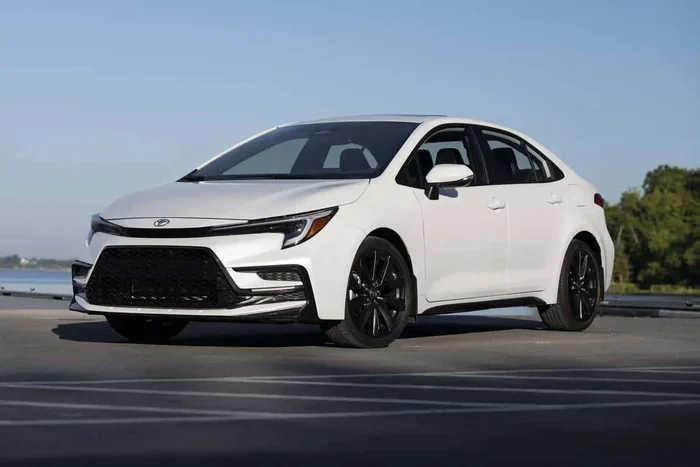
Does the Toyota Corolla Hold Its Value Over the Years
The Toyota Corolla is known for excellent resale value and low car depreciation. Its reliability and fuel economy keep demand high. Learn how Toyota Corolla value retention compares to competitors and get tips to maximize your investment.
You’ve probably seen Toyotas on the road for decades. The Toyota Corolla is a legend. But does the Toyota Corolla hold its value over the years? This question matters whether you’re buying new or shopping for a used model. A car is a big investment. You want to know it won’t lose all its worth in a few years. The Corolla has a strong reputation for reliability. That reputation helps it keep value better than many sedans. In this guide, we’ll break down the numbers. You’ll learn what affects Toyota Corolla depreciation. We’ll also share tips to protect your car’s resale worth. By the end, you’ll know if the Corolla is a smart long-term choice.
Many drivers wonder about used Toyota Corolla price trends. The compact sedan market is crowded. Honda Civic, Mazda3, and Hyundai Elantra all compete. Yet the Corolla often sits at the top. Its resale value is a huge part of that story. We’ll explore the facts. You’ll see how mileage, maintenance, and model year play a role. We’ll also look at hybrid versions. The goal is simple. Help you make a confident buying decision.
Key Takeaways
- Toyota Corolla holds its value well: The Corolla consistently ranks among the top sedans for resale.
- Reliability is the biggest factor: Low repair costs keep used Corollas in high demand.
- Hybrid models may depreciate faster: But they still offer strong long-term value thanks to fuel savings.
- Maintenance records matter: A full service history boosts resale price significantly.
- Exterior protection helps: A vinyl wrap can shield paint and potentially aid resale.
- Leasing affects credit: If you lease, your payment history impacts your credit score.
📑 Table of Contents
Understanding Toyota Corolla Depreciation
Depreciation is the loss of value over time. Every new car drops in price the moment you drive it off the lot. The Corolla is no different. But it loses value slower than most cars. Understanding car depreciation helps you plan. You’ll know what to expect when it’s time to sell.
What Is Car Depreciation?
Depreciation is the difference between what you pay and what you get back. A new car can lose 20% of its value in the first year. Over five years, many cars lose 50% or more. The Corolla typically loses less. Its depreciation rate is lower than the average sedan. This makes it attractive for buyers who want to keep costs down.
How Fast Does the Corolla Depreciate?
On average, a new Corolla loses about 15% to 20% in the first year. By year five, it may have lost 40% to 50% of its original price. That’s still better than many competitors. A used Toyota Corolla from three years ago can offer great savings. You avoid the steepest drop. And you get a reliable car with many miles left. The Toyota depreciation rate for the Corolla is among the best in its class.
Factors That Affect Resale Value
Several things decide how well your Corolla keeps its worth. Some factors you can control. Others are out of your hands. Knowing them helps you make smarter choices.
Mileage and Wear
Mileage is a big factor in vehicle depreciation. High mileage means more wear. Buyers worry about engine and transmission life. A Corolla with 30,000 miles will sell for more than one with 80,000 miles. But the Corolla’s reputation for durability helps. Even higher mileage models hold value well if maintained properly.
Maintenance History
A full service history is gold. Buyers love to see oil changes, brake checks, and tire rotations on record. If you keep every receipt, you prove the car was cared for. This boosts resale worth and builds trust. A Corolla with no records may sell for less, even if it runs fine. Always keep your maintenance log.
Trim Level and Options
Not all Corollas are equal. The base L trim depreciates faster than the SE or XSE. Features like a sunroof, navigation, or leather seats add initial cost. They also help the car hold value better. When choosing a trim, think about resale. Popular options retain value longer than rare ones.
Market Demand and Location
Where you live matters. In busy cities, compact sedans stay in demand. In rural areas, trucks and SUVs rule. The Corolla demand is strong across the U.S. But prices can shift by region. Check local listings to see what similar models sell for. This gives you a realistic idea of your car’s worth.
How the Corolla Compares to Competitors
The compact sedan market is tight. The Honda Civic, Mazda3, and Hyundai Elantra are all strong contenders. How does the Corolla stack up? Let’s look at the numbers.
| Model | 5-Year Depreciation | Resale Value Rating |
|---|---|---|
| Toyota Corolla | 40–45% | Excellent |
| Honda Civic | 42–48% | Very Good |
| Mazda3 | 45–50% | Good |
| Hyundai Elantra | 48–55% | Good |
The Corolla leads the pack. Its compact sedan value retention is top-notch. The Civic is close behind. The Mazda3 and Elantra lose value a bit faster. Over time, those differences add up. A Corolla owner might recover hundreds more at sale time.
Tips to Maximize Your Toyota Corolla’s Value
You can take steps to protect your Corolla’s worth. Small habits make a big difference over time. Here are the best ways to keep your car valuable.
Keep Up with Regular Maintenance
Follow the factory service schedule. Change the oil every 5,000 to 7,500 miles. Rotate your tires. Replace brakes when needed. A well-maintained Corolla tells buyers it was loved. This directly impacts car ownership cost and resale price.
Protect the Exterior and Interior
Paint protection matters. Some owners wonder if a vinyl wrap can increase car value. The answer is yes, a quality wrap can shield paint from chips, scratches, and UV damage. It keeps the car looking newer longer. Just make sure to remove it before selling. A clean, scratch-free exterior draws higher offers. Inside, use seat covers and floor mats. Keep the interior spotless. Smokers should know that smoke smell can drop value fast.
Drive Responsibly and Keep Records
Avoid harsh braking and rapid acceleration. Gentle driving reduces wear on the engine and transmission. Keep a digital folder of all service records. When it’s time to sell, you can share them instantly. Buyers feel confident, and that confidence leads to better offers.
Choose the Right Fuel Type
The Corolla comes in gas and hybrid versions. The hybrid uses less fuel, which appeals to many buyers. But you may ask if the engine burns gas when idling. Hybrids use an electric motor at idle, so they burn little to no gas. This fuel economy can be a selling point. However, hybrid Corollas sometimes depreciate faster initially because of higher upfront cost. Over five years, the fuel savings often offset that loss.
Leasing vs Buying a Corolla
Leasing and buying are two very different paths. Each has pros and cons for value retention. If you are considering a lease, you might ask if leasing a car affects your credit. The short answer is yes. Lease payments are reported to credit bureaus. On-time payments build credit. Missed payments hurt it. But leasing doesn’t directly affect how much the car holds its value.
When you lease, you don’t own the car. You return it at the end of the term. There’s no resale hassle. But you also don’t build equity. Buying a Corolla means you own it outright after the loan is paid. You can sell it whenever you want. That ownership gives you full control over its trade-in value. For most buyers who want long-term value, buying is the better choice.
The Hybrid Factor
Toyota has embraced hybrid technology across the lineup. The Corolla Hybrid offers great fuel economy. It’s a smart choice for city driving. But how does it affect long-term value? Hybrid systems are more complex. They have a battery and electric motor. Some buyers worry about battery replacement costs. In reality, Toyota hybrid batteries are very durable. They often last the life of the car. Still, the added technology can make the car pricier to repair if something goes wrong outside warranty.
The hybrid Corolla appeals to a specific buyer. Eco-conscious drivers love the low emissions. Families love the fuel savings. That niche demand helps it hold value. But the broader market for gas-only sedans is larger. This can affect how fast the hybrid depreciates. Overall, the hybrid Corolla remains a strong value player.
Final Verdict: Is the Corolla a Smart Buy?
Does the Toyota Corolla hold its value? Yes, it does. The Corolla is one of the most dependable compact sedans on the road. Its low maintenance cost and strong reputation keep buyers coming back. Whether you choose gas or hybrid, you’re getting a car that won’t drain your wallet. The Corolla’s resale value is a clear advantage. It outperforms many rivals in the compact segment. If you’re looking for a car that stays worth your money, the Corolla is a top pick.
Think about your needs. If you want a simple, reliable commuter, the base Corolla is perfect. If you want more features, the SE or XSE trims offer great value. And if fuel economy is your priority, the hybrid version delivers. No matter which you choose, the Corolla will serve you well. It’s a car that proves you don’t need to spend a fortune to get a smart investment.
Conclusion
The Toyota Corolla continues to prove that value and reliability go hand in hand. Its Toyota Corolla hold its value story is backed by real data and owner experiences. From low depreciation rates to strong demand in the used market, the Corolla checks every box. You now know the key factors that shape its resale worth. You’ve seen how maintenance, mileage, and trim level play a role. You’ve learned how it compares to the Civic, Mazda3, and Elantra. And you have practical tips to protect your investment. The Corolla isn’t just a car. It’s a smart financial choice. Drive it, care for it, and it will reward you for years to come.
Frequently Asked Questions
How much does a Toyota Corolla depreciate in the first year?
On average, a new Toyota Corolla loses about 15% to 20% of its value in the first year. This is lower than the industry average of around 20% to 25%. The Corolla’s strong reliability helps it retain more value early on.
Is a used Toyota Corolla a good investment?
Yes, buying a used Corolla is one of the smartest moves for value seekers. A one- to three-year-old model lets you skip the steepest depreciation. You get a reliable car with many miles left at a fraction of the new price.
Do hybrid Corollas hold their value better than gas models?
Hybrid Corollas can hold value well, especially for buyers who prioritize fuel economy. However, they may depreciate slightly faster upfront due to higher initial cost. Over the long term, fuel savings often offset that difference.
What trim level of the Corolla holds value best?
Mid-level trims like the SE and XSE tend to hold value better than the base L. They offer more desirable features that buyers look for in the used market. Popular options like a sunroof or navigation also help.
How can I improve my Corolla’s trade-in value?
Keep up with all scheduled maintenance and save the records. Address small repairs before they become big issues. Clean the interior and exterior thoroughly. A vinyl wrap that protects the paint can also make a positive impression on buyers.
Does the Toyota Corolla have a good reputation for reliability?
Absolutely. The Corolla has been one of the most reliable cars on the market for decades. This reputation drives strong demand in the used car market, which directly supports its resale value and long-term ownership worth.