Does Toyota 4Runner Hold Its Value Better Than Most SUVs
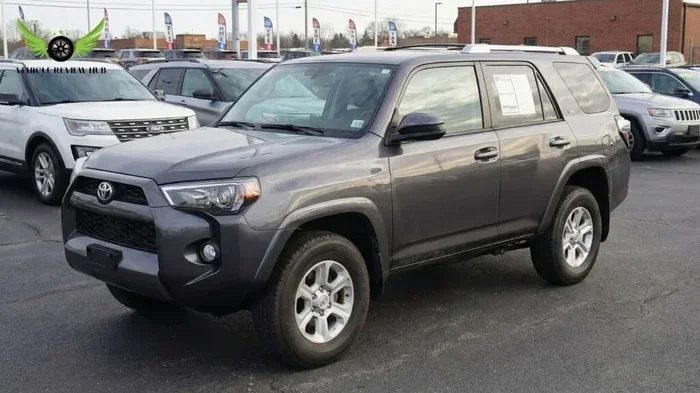
The Toyota 4Runner is one of the best SUVs for holding its value over time. With a depreciation rate far below the industry average, this legendary off-road SUV consistently ranks at the top of resale value charts. Whether you buy new or used, the 4Runner proves that Toyota reliability and strong brand loyalty translate into real money saved.
Key Takeaways
- Low Depreciation Rate: The 4Runner loses value significantly slower than most competing SUVs, often retaining over 60% of its value after five years.
- Toyota Reliability Factor: Buyers trust the 4Runner because of Toyota’s long-standing reputation for durability and low maintenance costs.
- Strong Brand Loyalty: The 4Runner has a cult following that drives demand in the used car market, keeping prices high.
- Off-Road Credibility: The TRD Pro and Premium trims add desirability that helps the 4Runner hold its value even better than base models.
- Best Resale SUVs List: The 4Runner regularly appears on major automotive publications’ lists of vehicles with the best resale value.
- Certified Pre-Owned Value: Buying a certified pre-owned 4Runner offers excellent bang for your buck with remaining factory warranty coverage.
- Long-Term Ownership Wins: Keeping a 4Runner for many years maximizes the value-per-dollar advantage over vehicles that depreciate faster.
📑 Table of Contents
- Does Toyota 4Runner Hold Its Value Better Than Most SUVs?
- Understanding SUV Depreciation and Vehicle Retention
- Comparing the 4Runner to Other Popular SUVs
- How to Maximize Your 4Runner’s Value
- The Toyota 4Runner in the Used Car Market
- Common Mistakes That Hurt 4Runner Value
- Expert Insights on the 4Runner’s Long-Term Value
- Is the Toyota 4Runner Right for You?
- Final Thoughts
Does Toyota 4Runner Hold Its Value Better Than Most SUVs?
Let’s talk about something that matters to every car buyer. Does Toyota 4Runner hold its value? The short answer is a resounding yes. If you have ever shopped for a used SUV, you already know that some vehicles lose value like a hot potato. Others? They just keep their worth. The Toyota 4Runner falls firmly into the second category.
This legendary off-road SUV has been around since the 1980s. And through every generation, it has earned a reputation for being one of the most value-friendly vehicles on the road. Whether you are looking at Toyota 4Runner resale value numbers or comparing SUV depreciation rates, the 4Runner consistently outperforms its competitors. So why does this truck hold up so well? Let us break it all down.
When we talk about vehicle retention, we mean how much a car is worth after you buy it. Most new cars lose 20% to 30% of their value in the first year alone. The 4Runner? It typically loses much less. This makes it an excellent choice for anyone who wants to protect their investment. Toyota 4Runner cost of ownership stays low partly because of this strong value retention. You get more back when it is time to sell or trade in.
What Makes the 4Runner So Good at Holding Value?
Several factors come together to make the 4Runner a value powerhouse. Let us look at the biggest ones. First, Toyota reliability is legendary. People buy 4Runners knowing they will last for hundreds of thousands of miles with proper care. This reputation creates strong demand in the used market.
Second, the 4Runner has a dedicated fan base. This is not just a car. It is a lifestyle. People who love off-roading, camping, and adventure gravitate toward the 4Runner. That Toyota brand loyalty means there is always a pool of eager buyers when you decide to sell.
Third, the 4Runner has not changed dramatically over the years. Unlike many SUVs that get completely redesigned every few years, the 4Runner has kept a similar formula for decades. Buyers know what they are getting. That consistency builds trust and supports strong used Toyota 4Runner price points across all model years.
Understanding SUV Depreciation and Vehicle Retention
To truly appreciate the 4Runner’s value story, you need to understand SUV depreciation. Depreciation is the amount of money your car loses over time. Almost every vehicle depreciates. But the rate varies wildly from model to model.
Here is a simple way to think about it. You buy a new SUV for $45,000. Five years later, it might be worth $15,000 or less. That is a loss of $30,000. Ouch. Now imagine another SUV that costs the same but is worth $28,000 after five years. That is a loss of only $17,000. The difference is huge. And the 4Runner tends to land closer to the second scenario.
How Depreciation Works for the 4Runner
According to industry data, the 4Runner retains roughly 50% to 65% of its value after five years. Compare that to the average SUV, which might retain only 35% to 45%. That is a significant gap. Over the life of the vehicle, this adds up to thousands of dollars saved.
The Toyota 4Runner depreciation rate is one of the lowest in the compact and mid-size SUV class. Factors that contribute to this include:
- Proven durability: The 4Runner’s reputation for lasting a long time reduces buyer hesitation.
- Strong used demand: High demand keeps prices stable and even causes values to rise in some cases.
- Limited competition: Few SUVs offer the same blend of off-road capability and daily usability.
- Low maintenance costs: Affordable repairs and routine service keep total ownership costs down.
Comparing the 4Runner to Other Popular SUVs
Numbers tell a compelling story. Let us compare the 4Runner to a few popular SUVs in the same class. This gives you a clear picture of where it stands in terms of SUV market value and vehicle long-term value.
Value Retention Comparison Table
- Toyota 4Runner: Retains approximately 55% to 65% of its value after five years.
- Ford Explorer: Typically retains around 40% to 50% after five years.
- Chevrolet Tahoe: Holds roughly 35% to 45% of its value over the same period.
- Honda Pilot: Retains about 45% to 55%, depending on trim and condition.
- Jeep Grand Cherokee: Usually holds 35% to 45% of its original value after five years.
As you can see, the 4Runner stands well above the competition. This is not a close race. The combination of Toyota reliability and strong off-road SUV capability gives the 4Runner a unique edge. Buyers who want a vehicle that can go anywhere and still hold its worth keep coming back to the 4Runner.
Why the Competition Falls Behind
Many competing SUVs use more advanced technology and modern features. But these features often become outdated quickly. A fancy infotainment system from five years ago feels ancient today. The 4Runner keeps things simple and proven. This simplicity actually helps it hold value because buyers know the vehicle will keep working without expensive tech repairs.
Also, some competitors suffer from reliability concerns that hurt their used SUV price over time. The 4Runner does not have this problem. It consistently ranks near the top of reliability surveys. When buyers see a clean 4Runner with low miles, they know they are getting a solid vehicle.
How to Maximize Your 4Runner’s Value
Buying a 4Runner is one thing. Keeping its value high is another. Here are some practical tips to make sure your truck holds its worth as long as possible.
1. Keep Up With Regular Maintenance
Nothing kills vehicle value faster than poor maintenance records. Stay on top of oil changes, tire rotations, and brake inspections. Following the recommended service schedule shows future buyers that you took care of the vehicle. Services at places like Jiffy Lube and other trusted shops can help you stay on track with routine maintenance.
2. Avoid Modifications That Limit Buyer Appeal
Customizations can be fun. But they can also narrow your buyer pool. A lifted suspension with aggressive tires might be great for trails. But it may not appeal to families looking for a daily driver. If you do modify your 4Runner, consider keeping the original parts and reinstalling them before selling.
Some owners wonder if things like a vinyl wrap can help preserve value. A quality wrap can protect the paint and keep the exterior looking newer. This is especially useful if you use your 4Runner for off-roading and want to avoid rock chips and scratches.
3. Keep Mileage Reasonable
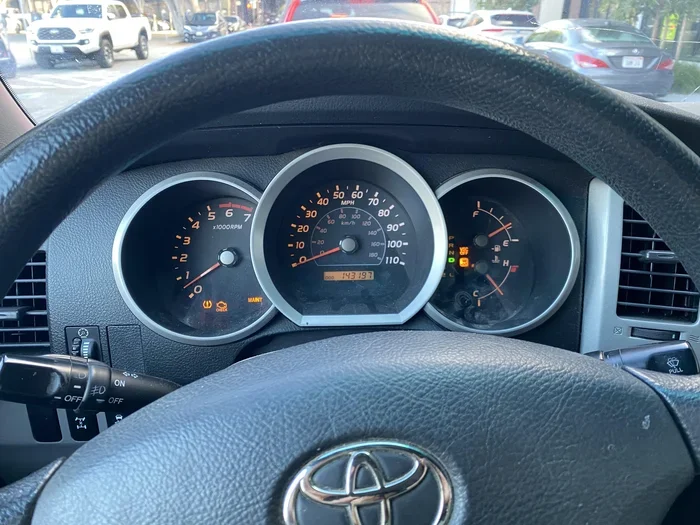
Low-mileage 4Runners command premium prices. If you can, keep your annual mileage under 10,000 to 12,000 miles. This is easier for second or third vehicles. But every mile you avoid adds a little more value when it is time to sell.
4. Store It Properly
Protect your 4Runner from the elements. Park in a garage when possible. Use a car cover if you do not have covered parking. Rust and paint damage are value killers. A well-preserved exterior signals to buyers that the truck has been cared for inside and out.
5. Consider the Trim Level Carefully
Not all 4Runner trims hold value equally. The TRD Pro and TRD Off-Road trims tend to depreciate more slowly than base models. These higher trims come with features that buyers specifically want. If you are buying new, the initial cost is higher, but the resale advantage often justifies the investment.
The Toyota 4Runner in the Used Car Market
The used car market loves the 4Runner. Walk into any dealership and ask about used 4Runners. You will likely find them selling quickly and at strong prices. This is the direct result of Toyota brand loyalty and the vehicle’s reputation for durability.
Buying a certified pre-owned 4Runner is an excellent strategy. These vehicles come with thorough inspections and extended warranties. You get a nearly-new experience at a fraction of the original price. And because the 4Runner holds its value so well, even a two- or three-year-old model offers tremendous value.
Why Buy Used Instead of New?
The biggest advantage is avoiding the steepest part of the depreciation curve. A new car loses the most value in its first three years. By buying a used Toyota 4Runner that is two to three years old, you let the original owner absorb that initial hit. Then you enjoy the vehicle while it holds steady in value for years to come.
Here is a quick look at the numbers:
- New 4Runner (2024): Starts around $38,000 to $50,000 depending on trim.
- 3-Year-Old 4Runner (2021): Typically listed for $25,000 to $35,000.
- 5-Year-Old 4Runner (2019): Often found for $18,000 to $28,000.
- 10-Year-Old 4Runner (2014): Available for $10,000 to $18,000 in good condition.
Notice how the steepest drop happens early. After about five years, the depreciation curve flattens significantly. This is where the 4Runner shines. A well-maintained 4Runner from the 2014 or 2015 model year can still deliver incredible capability and reliability at a very reasonable price.
Common Mistakes That Hurt 4Runner Value
Even the best vehicles lose value if owners make avoidable mistakes. Here are some pitfalls to watch out for.
Neglecting Service Records
Buyers want proof that a vehicle has been well-maintained. If you do not keep records, you leave money on the table. Store all receipts and service invoices. Even simple things like oil change stickers on the windshield help build confidence.
Ignoring Small Repairs
A small rattle today can become a big repair tomorrow. And unaddressed issues signal neglect to potential buyers. Fix small problems promptly. This keeps the truck running smoothly and protects its SUV market value.
Over-Personalizing the Vehicle
Bold paint colors, aggressive body kits, and custom interiors can limit your audience. Most buyers prefer neutral, well-maintained vehicles. If you have made changes, consider whether they will appeal to a broad range of buyers before you list the truck for sale.
Skipping the Pre-Sale Detail
First impressions matter. A professionally detailed 4Runner looks and smells like a cared-for vehicle. This small investment can add hundreds of dollars to your sale price. Clean the interior, polish the exterior, and address any minor cosmetic issues before listing.
Expert Insights on the 4Runner’s Long-Term Value
Automotive experts consistently praise the 4Runner for its value retention. Publications like Kelley Blue Book and Edmunds regularly include the 4Runner in their best resale SUVs lists. Industry analysts point to several reasons for this consistent performance.
The 4Runner fills a unique niche. It is not a luxury SUV. It is not a fuel-efficient commuter car. It is a capable, rugged, and reliable truck that can do it all. This versatility appeals to a wide range of buyers. From young adventurers to families to outdoor enthusiasts, there is a 4Runner buyer for nearly everyone.
Also, the 4Runner benefits from Toyota’s strong dealer network. Even in rural areas, Toyota service is readily available. This accessibility adds to the vehicle’s long-term appeal and supports stronger car value retention compared to brands with weaker service coverage.
One thing to keep in mind: the automotive landscape is changing. Electrification and new technology are reshaping the SUV market. But the 4Runner has remained remarkably steady. Toyota has resisted the urge to completely reinvent the formula. And that patience has paid off in the form of one of the strongest value-retention stories in the industry.
Is the Toyota 4Runner Right for You?
Now that you understand how well the 4Runner holds its value, the real question is: is it the right choice for you? If you value long-term ownership, low depreciation, and a truck that can handle both daily driving and weekend adventures, the answer is likely yes.
The 4Runner is not perfect for everyone. It is not the most fuel-efficient SUV on the market. Interior technology lags behind some competitors. And the ride can be firm, especially in off-road mode. But if you prioritize durability, capability, and vehicle appreciation potential, few SUVs can touch the 4Runner.
Think about your ownership timeline. If you plan to keep the vehicle for five to ten years or more, the 4Runner is an outstanding choice. The value retention means you will get more of your money back when you eventually sell. And the driving experience throughout those years will be nothing short of excellent.
For buyers considering their options, it is also worth noting that the 4Runner works well as a second vehicle or a family hauler. Its strong car value retention makes it a smart financial decision regardless of how you plan to use it. Whether you are a first-time SUV buyer or a seasoned truck enthusiast, the 4Runner delivers on both capability and value.
Final Thoughts
The evidence is clear. The Toyota 4Runner stands as one of the best SUVs for holding its value in a crowded and competitive market. Its combination of Toyota reliability, off-road prowess, and strong brand loyalty creates a vehicle that buyers trust and want to own. From the first day you drive it off the lot to the day you sell it years later, the 4Runner works hard to protect your investment.
If you are in the market for a new or used SUV, do yourself a favor. Put the 4Runner at the top of your list. Compare the numbers. Look at the Toyota 4Runner resale value charts. Talk to owners who have kept their trucks for a decade or more. The results speak for themselves. The 4Runner does not just hold its value better than most SUVs. It sets the standard that others can only aspire to reach.
Take your time, do your research, and find the right 4Runner for your needs. Whether you choose a new TRD Pro or a well-maintained older model, you are making a smart investment. And that is something worth feeling good about.
Frequently Asked Questions
How much does a Toyota 4Runner depreciate in the first year?
A new 4Runner typically loses about 15% to 20% of its value in the first year. This is significantly less than the industry average of 20% to 30%. The exact amount depends on the trim level, mileage, and local market conditions.
Is the Toyota 4Runner worth buying used?
Absolutely. Buying a used 4Runner lets you avoid the steepest depreciation hit. A two- or three-year-old model offers nearly the same capability as a new one but at a much lower price. The strong used Toyota 4Runner price trends make it one of the best used SUV buys available.
Which 4Runner trim holds its value the best?
The TRD Pro and TRD Off-Road trims tend to hold their value the strongest. These trims come with features that buyers actively seek, such as enhanced off-road suspension, locking differentials, and unique styling. However, even base models retain value very well compared to competitors.
How does the 4Runner compare to the Toyota Tacoma in terms of value retention?
Both the 4Runner and Tacoma are Toyota models that excel at holding value. The Tacoma, being a truck, often retains value at an even slightly higher rate. But the 4Runner offers more interior space and comfort, making it a better daily driver for many families while still delivering excellent SUV depreciation resistance.
Does a 4Runner’s off-road package affect its resale value?
Yes, in a positive way. Off-road packages like TRD Off-Road and TRD Pro add features that increase demand in the used market. Buyers specifically seek out these trims, which helps the 4Runner TRD Pro and similar variants hold their value even better than base models.
Can I improve my 4Runner’s resale value with simple upgrades?
Yes. Simple upgrades like a quality paint protection film, all-weather floor mats, and a clean service history can make a big difference. Avoid permanent modifications that limit your buyer pool. Focus on maintenance and cosmetic care to maximize your vehicle retention when selling time comes.
=== CONCLUSION ===
The Toyota 4Runner proves that you do not need to spend a fortune to get a vehicle that holds its value. With a depreciation rate well below the industry average and a reputation for bulletproof reliability, the 4Runner continues to outperform nearly every competitor in the SUV class. Whether you are buying new or shopping for a used Toyota 4Runner, you are making a smart financial choice.
The numbers do not lie. The 4Runner consistently ranks at the top of resale value charts, and its Toyota 4Runner resale value speaks for itself. Strong brand loyalty, proven durability, and a dedicated fan base all contribute to this remarkable performance. If you want an SUV that will serve you well for years and still look great when you decide to move on, the 4Runner is hard to beat.
Take the time to research your options, visit dealers, and talk to current owners. You will quickly discover why the 4Runner has earned its reputation as one of the best value-holding SUVs on the market. Your future self will thank you when it comes time to sell or trade in.