Can a Toyota Hybrid Run Without the Hybrid Battery
A Toyota hybrid can technically run without its hybrid battery, but only in limited situations and with serious risks. The gas engine may still power the vehicle at low speeds, but you will lose regenerative braking, fuel efficiency, and the smooth electric assist that makes hybrids so reliable. Driving without a functioning hybrid battery can damage other components and leave you stranded.
Toyota has built a reputation for making reliable hybrid vehicles that save fuel and reduce emissions. Millions of drivers trust the Toyota hybrid system to deliver smooth, efficient performance every day. But what happens when the hybrid battery starts to fail or dies completely? Can a Toyota hybrid run without the hybrid battery, or is it game over?
The short answer is yes, a Toyota hybrid can run without a functioning hybrid battery, but with major limitations. The gas engine can still kick in and move the car, but you lose all the benefits that make a hybrid a hybrid. You also risk causing further damage to other parts of the vehicle. In this article, we will walk through exactly what happens, what to watch for, and what your options are.
If you own a Toyota hybrid or are thinking about buying one, understanding how the hybrid battery works and what happens when it fails is essential. This guide covers everything you need to know, from basic system operation to replacement costs and maintenance tips.
Key Takeaways
- A Toyota hybrid can run on gas alone: The gas engine can still operate, but performance and efficiency drop significantly.
- You will lose electric assist and regenerative braking: This makes driving harder and less safe, especially in stop-and-go traffic.
- Warning signs are easy to spot: Dashboard lights, reduced fuel economy, and strange noises all point to a failing hybrid battery.
- Replacement costs vary widely: Depending on the model, a new hybrid battery can cost anywhere from $1,000 to $8,000 or more.
- Maintenance extends battery life: Simple habits like avoiding extreme temperatures and keeping charge levels stable can add years to your hybrid battery.
- Warranty coverage may help: Many Toyota hybrids come with a battery warranty of 8 to 10 years, so check your coverage before paying out of pocket.
📑 Table of Contents
How a Toyota Hybrid System Works
To understand what happens when a Toyota hybrid battery dies, you need to know how the system works in the first place. A Toyota hybrid uses two power sources: a gas engine and an electric motor. These work together to deliver power, improve fuel economy, and reduce emissions.
The hybrid battery stores electrical energy that the electric motor uses. When you accelerate, the electric motor assists the gas engine. When you brake, the system captures energy through a process called regenerative braking and stores it back in the battery. This cycle keeps the battery charged and the system running smoothly.
The Role of the Hybrid Battery
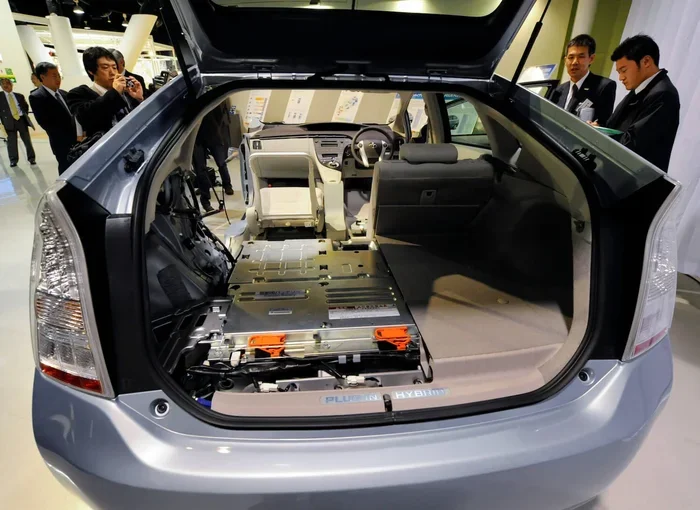
The hybrid battery is the heart of the Toyota hybrid system. It is not like a regular car battery. It is a high-voltage battery pack designed to store and release energy repeatedly. Without it, the electric motor cannot function, and the system loses its ability to blend gas and electric power seamlessly.
The battery also powers accessories when the gas engine is off. For example, when you are stopped at a red light, the hybrid system may shut off the gas engine entirely. The hybrid battery keeps the lights, radio, and other systems running during these moments. It is a critical part of the overall drivetrain.
How the Gas Engine Takes Over
When the hybrid battery has enough charge, the system uses both the electric motor and the gas engine. But when the battery is low or dead, the gas engine takes over completely. This is similar to how a conventional car works. The engine runs, the transmission shifts, and the car moves.
However, driving a Toyota hybrid without a working hybrid battery is not the same as driving a regular car. You lose the electric boost, the smooth transitions, and the fuel savings. The car will feel sluggish and less responsive. You may also notice that the fuel economy drops dramatically.
For more details on how a hybrid switches between power sources, check out our article on At What Point Does a Hybrid Switch to Gas.
What Happens When the Hybrid Battery Fails
When a Toyota hybrid battery fails, the car does not just stop working instantly. The system tries to compensate, but the results are noticeable and often frustrating. Understanding these symptoms can help you catch the problem early before it gets worse.
Loss of Electric Assist
The most immediate effect of a dead hybrid battery is the loss of electric assist. The electric motor normally helps the gas engine during acceleration. Without it, the gas engine has to do all the work. This means slower acceleration and more strain on the engine.
You may notice that your Toyota feels slower, especially when merging onto highways or climbing hills. The gas engine may also run louder because it is working harder than it was designed to. This extra strain can lead to premature wear on other engine components over time.
Regenerative Braking Stops Working
Regenerative braking is one of the biggest advantages of a Toyota hybrid. It captures energy during braking and sends it back to the battery. When the hybrid battery fails, this system stops working. Your car will rely entirely on traditional friction brakes.
This does not mean your brakes will stop working. They will still function normally. But you lose the energy recovery benefit, which means worse fuel economy. The brake pads and rotors may also wear out faster because they are handling all the braking force.
Reduced Fuel Economy
One of the main reasons people buy a Toyota hybrid is to save on fuel. When the hybrid battery fails, you lose the fuel-saving benefits almost entirely. The car will consume more gas because it is running like a conventional vehicle without any electric assistance.
Some owners report a drop in fuel economy of 30 to 50 percent when the hybrid battery is no longer functioning. This can add up quickly at the pump and may offset any savings you originally expected from owning a hybrid.
For more on how hybrids use gas, read our article on Can a Hybrid Run Without Gas.
Dashboard Warning Lights
Toyota hybrids are equipped with warning systems that alert you when something is wrong. When the hybrid battery starts to fail, you will likely see warning lights on the dashboard. The most common one is the check engine light or a specific hybrid system warning light.
Some Toyota models also display a message about the hybrid system or battery. Do not ignore these warnings. They are your first line of defense against a complete battery failure. The longer you wait, the more damage you risk causing to other parts of the drivetrain.
Can You Still Drive a Toyota Hybrid With a Dead Battery?
Yes, you can still drive a Toyota hybrid with a dead or failed hybrid battery, but it is not recommended for long distances or extended periods. The gas engine will still run, and the car will still move. However, the experience is far from normal, and you risk causing additional damage.
Short-Distance Driving
If your hybrid battery dies unexpectedly, you may be able to drive a short distance to a safe location or a repair shop. The gas engine will provide enough power for low-speed driving and short trips. Think of it as a backup mode that keeps you moving until you can get the battery replaced.
However, you should avoid highway driving or long trips in this mode. The lack of electric assist puts extra strain on the gas engine, and you will notice a significant drop in performance. It is best to keep your speed low and get to a service center as soon as possible.
Can a Hybrid Run on Gas Only?
Many Toyota hybrid owners wonder whether their car can run entirely on gas. The answer is yes, in most cases. Toyota designed hybrids so that the gas engine can operate independently when the electric motor or battery is not available. This means you can still get to a repair shop even if the hybrid battery is completely dead.
That said, driving on gas only should be a temporary solution, not a permanent one. You will lose fuel economy, power, and the smooth driving experience that made you choose a hybrid in the first place. For more information, see our guide on Can a Hybrid Car Run on Gas Only.
Risks of Driving Without a Hybrid Battery
Driving a Toyota hybrid without a functioning battery comes with several risks that you should be aware of:
- Engine strain: The gas engine works harder without electric assist, which can lead to overheating and premature wear.
- Increased brake wear: Without regenerative braking, the friction brakes handle all the stopping power, causing them to wear out faster.
- Transmission stress: The transmission may experience extra load because it is not getting the smooth power delivery from the electric motor.
- Electrical issues: Some accessories and systems rely on the hybrid battery. A dead battery may cause electrical gremlins or dimming lights.
- Complete breakdown: In some cases, the car may enter a limp mode and refuse to start or drive if the hybrid system detects a critical fault.
Warning Signs Your Hybrid Battery Is Failing
Catching a failing hybrid battery early can save you money and prevent a roadside breakdown. Toyota hybrids give several warning signs that the battery is degrading. Knowing these signs helps you take action before the battery dies completely.
Decreased Fuel Economy
A noticeable drop in fuel economy is often the first sign of a weak hybrid battery. If you are filling up more often than usual and your driving habits have not changed, the hybrid battery may be losing its ability to hold a charge. Track your fuel economy over time and compare it to your normal averages.
Unusual Noises
A failing hybrid battery may produce strange sounds. You might hear clicking, humming, or buzzing coming from the battery area. Some owners also report a whirring noise when the system tries to charge or discharge the battery. Any new or unusual noise deserves attention.
Battery State of Charge Fluctuates
In a healthy Toyota hybrid, the battery state of charge stays within a normal range. If you notice the charge bouncing between very high and very low, or if the battery stays at a very low level, the battery cells may be failing. You can often monitor this through the hybrid information display on the dashboard.
Hybrid System Warning Light
The hybrid system warning light is a clear indicator that something is wrong. This light may look like a battery icon or a specific hybrid symbol. If it stays on or flashes, do not ignore it. Have a certified Toyota technician diagnose the issue as soon as possible.
For more on hybrid battery health, you may also want to read about Does a Hybrid Burn Gas When Idling.
Hybrid Battery Replacement: What to Expect
If your Toyota hybrid battery has failed or is failing, you will likely need to replace it. Understanding the replacement process and costs can help you make informed decisions and avoid surprises.
How Much Does a Hybrid Battery Cost?
The cost of a Toyota hybrid battery replacement varies depending on the model, year, and type of battery. On average, you can expect to pay between $1,000 and $8,000 for a new hybrid battery pack. The wide range depends on whether you choose a new battery, a refurbished one, or a remanufactured unit.
Here is a general breakdown of costs by battery type:
- Nickel-metal hydride (NiMH) batteries: These are older and found in earlier Toyota hybrid models. Replacement costs tend to be lower, often between $1,000 and $3,000.
- Lithium-ion batteries: These are newer and found in more recent Toyota hybrid and plug-in hybrid models. They cost more to replace, typically between $3,000 and $8,000.
Can You Replace Just One Module?
In some cases, you do not need to replace the entire hybrid battery pack. If only one or a few modules are faulty, a technician may be able to replace just those modules. This can save you a significant amount of money compared to a full replacement. Ask your Toyota dealer or a qualified hybrid specialist about this option.
Does Toyota Cover Hybrid Battery Replacement?
Toyota offers an impressive hybrid battery warranty. Most Toyota hybrids come with a warranty of 8 years or 100,000 miles, whichever comes first. In some states, the warranty extends to 10 years or 150,000 miles. If your battery fails within the warranty period, Toyota will cover the replacement cost.
Even if your warranty has expired, it is worth checking with your dealer. Toyota has been known to offer goodwill replacements in certain situations, especially for vehicles with higher mileage.
For related maintenance tips, see our article on Can You Charge a Hybrid Car.
Tips to Extend Your Toyota Hybrid Battery Life
The good news is that Toyota hybrid batteries are built to last, and there are steps you can take to maximize their lifespan. Following these tips can help you get the most out of your hybrid battery and delay the need for a costly replacement.
Avoid Extreme Temperatures
Extreme heat and cold are the biggest enemies of hybrid batteries. High temperatures can cause the battery to degrade faster, while extreme cold can reduce its ability to hold a charge. If you live in a very hot or very cold climate, try to park your Toyota in a garage or shaded area whenever possible.
Keep the Battery Charged
For plug-in hybrid models, keeping the battery charged within the recommended range helps extend its life. Avoid letting the battery sit at a very low charge for extended periods. If you drive your Toyota hybrid regularly, the regenerative braking system will naturally keep the battery in a healthy range.
Drive Smoothly
Aggressive driving puts extra stress on the hybrid battery and the entire powertrain. Smooth acceleration and gentle braking help the hybrid system operate efficiently and reduce wear on the battery. Over time, these driving habits can add years to your hybrid battery life.
Follow the Maintenance Schedule
Toyota recommends regular maintenance for all hybrid vehicles. This includes checking the hybrid battery cooling system, inspecting the battery connections, and updating the hybrid control software. Staying on top of these services can prevent small issues from becoming big problems.
Monitor Battery Health
Many Toyota hybrids have built-in battery health monitoring tools. Check these regularly and pay attention to any changes in performance. If you notice a decline in fuel economy or unusual behavior from the hybrid system, have the battery tested before it fails completely.
For more insights on hybrid battery care, also check out our article on Does AC Burn Gas in a Hybrid Car.
Conclusion
So, can a Toyota hybrid run without the hybrid battery? Yes, it can, but only temporarily and with significant limitations. The gas engine will still run, and you can drive short distances, but you lose electric assist, regenerative braking, and fuel efficiency. Driving without a working hybrid battery also puts extra strain on other components and can lead to costly repairs down the road.
If you suspect your Toyota hybrid battery is failing, do not ignore the warning signs. Address the problem early, and you may be able to replace just a few modules instead of the entire pack. Take advantage of your warranty if you are still covered, and consider refurbished or remanufactured options to save on replacement costs.
A Toyota hybrid is a remarkable machine, and the hybrid battery is at the center of that innovation. Taking care of your battery means taking care of your car. With the right maintenance and attention, your Toyota hybrid battery can last for many years of reliable, efficient driving.
Frequently Asked Questions
Can a Toyota Prius run without a hybrid battery?
Yes, a Toyota Prius can run without a functioning hybrid battery, but it will operate in a limited gas-only mode. You will lose electric assist, regenerative braking, and fuel economy. It is not recommended for long-term driving and should only be used to reach a repair facility.
How long does a Toyota hybrid battery last?
Most Toyota hybrid batteries last between 100,000 and 200,000 miles, depending on driving habits, climate, and maintenance. Some owners have reported batteries lasting even longer with proper care. Regular maintenance and smooth driving can significantly extend battery life.
Is it safe to drive a Toyota hybrid with a dead battery?
It is generally safe for short distances, but not recommended. The car will run on the gas engine alone, but you lose important safety features like regenerative braking. The extra strain on the engine and transmission can also cause further damage if driven for extended periods.
Can you jump-start a Toyota hybrid?
Yes, you can jump-start a Toyota hybrid, but you need to follow the correct procedure. The hybrid battery is high-voltage, so you should never attempt to jump it directly. Instead, use the 12-volt auxiliary battery to start the car. For detailed instructions, see our guide on Can I Jump Start My Hybrid Car.
What causes a Toyota hybrid battery to fail?
Common causes of hybrid battery failure include extreme temperatures, age, frequent deep discharging, and manufacturing defects. Over time, the battery cells degrade and lose their ability to hold a charge. Regular maintenance and avoiding extreme conditions can help prevent premature failure.
Should I replace my hybrid battery or sell the car?
This depends on the overall condition of your car and the replacement cost. If your Toyota hybrid is otherwise in great shape, replacing the battery is usually worth it. However, if the car has high mileage and other major issues, it may be more cost-effective to sell it and invest in a new or used vehicle.