Can a Prius Hybrid Battery Be Recharged at Home Today
Wondering if you can recharge a Prius hybrid battery at home? The answer is yes, but it depends on your Prius model and battery type. This guide explains how can a Prius hybrid battery be recharged at home, what equipment you need, and common mistakes to avoid.
If you own a Toyota Prius, you’ve probably wondered, can a Prius hybrid battery be recharged at home? The short answer is yes, but the full picture is a bit more nuanced than simply plugging it in like a smartphone. Depending on your Prius model, the battery can recharge through regenerative braking, the gas engine, or a dedicated home charging station. This guide will walk you through every method, from the standard hybrid system to plug-in options. By the end, you’ll know exactly how to keep your Prius battery healthy and whether home charging is right for you.
Toyota’s Prius has been a pioneer in hybrid technology for decades. Many owners assume that the battery must be taken to a dealership for recharging. That’s not the case anymore. You can recharge your Prius hybrid battery at home with the right setup. Understanding how this works will save you time and money.
The Prius uses two distinct battery systems. One is a high-voltage battery that powers the electric motor. The other is a standard 12-volt battery that starts the car and runs the electronics. When people ask about recharging, they usually mean the high-voltage battery. This article covers both, but the focus is on the main hybrid battery pack.
Key Takeaways
- Yes, you can recharge: Both standard and plug-in Prius models can be recharged at home, though standard hybrids do it automatically.
- Plug-in models need a charger: The Prius Prime can use a 120V outlet or a Level 2 charger for faster home charging.
- Regenerative braking helps: Even without plugging in, your Prius battery recharges through driving and braking.
- Avoid deep discharges: Keeping the battery between 40% and 80% charge extends its lifespan.
- Watch for warning signs: Reduced fuel economy or dashboard alerts mean it’s time for a professional check.
📑 Table of Contents
- Understanding Your Prius Hybrid Battery
- Can You Recharge a Prius Hybrid Battery at Home?
- Quick Tips for Home Charging
- Step-by-Step Guide to Charging Your Prius at Home
- Common Mistakes That Hurt Your Prius Battery
- Expert Tips to Extend Your Prius Battery Life
- When to Seek Professional Help
- Conclusion
Understanding Your Prius Hybrid Battery
What Is a Prius Hybrid Battery?
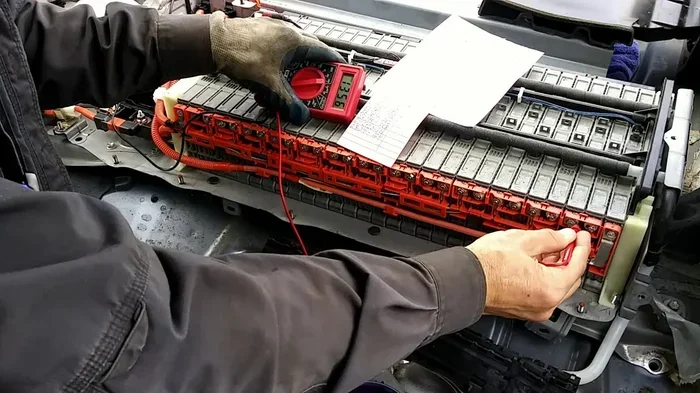
The Prius hybrid battery is a high-voltage pack located in the rear of the car. It stores energy that powers the electric motor. Most older Prius models use nickel-metal hydride (NiMH) batteries. Newer models, including the Prius Prime, use lithium-ion batteries. These packs are designed to last the lifetime of the vehicle. They are also sealed and maintenance-free under normal conditions.
The battery works hand-in-hand with the gas engine. During low-speed driving, the electric motor handles the work. When you accelerate hard, the gas engine kicks in. The system seamlessly switches between power sources. This is what makes the Prius so fuel-efficient. The battery never needs to be plugged in on standard models because the car recaptures energy every time you slow down.
How Does the Battery Recharge Itself?
Standard Prius hybrids do not need to be plugged in. The battery recharges through a process called regenerative braking. When you lift your foot off the accelerator or press the brake, the electric motor acts as a generator. It captures kinetic energy and converts it back into electricity. This electricity then flows back into the battery pack.
The gas engine also helps recharge the battery during cruising. If the battery charge drops too low, the system automatically draws power from the engine. This keeps the battery in a healthy state of charge. You never need to think about plugging in a standard Prius. For a broader look at how hybrid charging works across different vehicles, check out our article on Can You Charge A Hybrid Car.
The 12-Volt vs. High-Voltage Battery Distinction
It’s easy to confuse the two batteries. The 12-volt battery is the same type you find in any conventional car. It starts the engine and powers the radio, lights, and computer. The high-voltage battery is what makes the Prius a hybrid. It runs at several hundred volts and is completely separate.
When you turn the key, the 12-volt battery wakes up the hybrid system. The system then checks the high-voltage battery’s charge level. If the high-voltage battery has enough power, the car can move on electric power alone. If not, the gas engine starts to help. Both batteries are essential, but only the high-voltage battery is the focus of recharging questions.
Can You Recharge a Prius Hybrid Battery at Home?
The Short Answer: Yes, But Not How You Think
If you drive a standard Prius hybrid, the battery recharges itself while you drive. You do not need to do anything. But if you have a plug-in model like the Prius Prime, you can connect it to a home outlet. That’s where the term “recharging at home” really applies.
The plug-in Prius Prime has a larger battery pack. It can run on electric power alone for up to 25 miles. Once that charge is used up, it behaves like a standard hybrid. You can recharge the battery by plugging it in at home. This is a game-changer for daily commuters who want to minimize gas station visits.
Plug-In Hybrid vs. Standard Hybrid
Not all Prius models are created equal when it comes to charging. Here’s a quick comparison of the two main types.
| Feature | Standard Hybrid (Prius Two/Three/Four) | Plug-In Hybrid (Prius Prime) |
|---|---|---|
| Charging Method | Regenerative braking and engine | Plug-in home charging plus regenerative |
| Electric-Only Range | 1–2 miles | Up to 25 miles |
| Can You Plug In at Home? | No | Yes, using 120V or 240V outlet |
| Battery Size | Smaller (0.5–1.3 kWh) | Larger (8.8 kWh) |
| Fuel Economy (Combined) | 50–56 MPG | 127 MPGe / 54 MPG gas |
As you can see, the standard hybrid does not require external charging. The plug-in model does. If your goal is to recharge at home, you need a plug-in Prius.
How Long Does Home Charging Take?
For the Prius Prime, charging times depend on the outlet you use.
- 120V standard outlet: About 5.5 hours to fully charge from empty.
- 240V Level 2 charger: About 2 hours to fully charge.
- 350V DC fast charging: Not available for the Prime; it uses Level 1 or 2 only.
Standard Prius hybrids don’t have a charge port, so this section only applies to plug-in models. If you want faster home charging, a Level 2 station is the way to go. When the battery is fully charged, your Prius can run on electric power alone for short trips. This is similar to how Can A Hybrid Run Without Gas works in certain conditions. The car uses the electric motor until the battery drops to a certain level, then the gas engine takes over.
Quick Tips for Home Charging
Before you start, keep these simple tips in mind. They’ll make the process smoother and safer.
- Tip 1: Plug in your Prime every night if you have a short commute. You’ll start each day with a full electric charge.
- Tip 2: Use a timer or scheduled charging to avoid peak electricity rates. Many utility companies offer lower rates at night.
- Tip 3: Keep the charge port clean and dry. Dirt or moisture can cause charging errors or slow charging speeds.
- Tip 4: If you’re using a 120V outlet, don’t run other high-power appliances on the same circuit. This prevents tripping the breaker.
- Tip 5: Check the charge cable for fraying or damage regularly. A damaged cable can be a safety hazard.
Step-by-Step Guide to Charging Your Prius at Home
What You’ll Need
If you own a Prius Prime or another plug-in Prius, here’s what you need to recharge at home:
- A 120V or 240V electrical outlet near your parking spot.
- The portable EVSE (Electric Vehicle Supply Equipment) that came with the car.
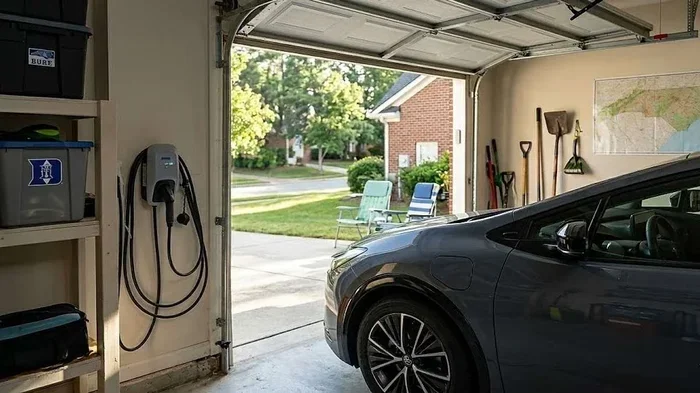
- For faster charging, a Level 2 home charger installed by an electrician.
- A smartphone or in-car display to monitor the charge.
Standard Prius owners don’t need any of this. Their battery recharges automatically through driving and braking. You can still follow the tips above to maximize battery health.
Setting Up the Charging Station
If you choose to install a Level 2 charger, follow these steps:
- Check your home’s electrical panel to ensure it can handle a 240V circuit.
- Hire a licensed electrician to install a dedicated 240V outlet.
- Mount the Level 2 charger on a wall or pedestal near your parking spot.
- Connect the charger to the electrical panel and test it before first use.
For a quick setup, you can simply use the portable EVSE that plugs into a standard 120V outlet. It’s slower but requires no installation. Just make sure the outlet is on a dedicated circuit to avoid tripping a breaker. A licensed electrician can also add a dedicated outlet for you if you’re not comfortable with electrical work.
Connecting and Monitoring
Once your setup is ready, plug the charging cable into the car’s charge port. The port is usually on the left side of the rear bumper. Connect the other end to the outlet or charger.
The car’s indicator light will blink to show charging is in progress. You can check the battery level on the dashboard or through the Toyota app. When the charge is complete, the light turns solid. You can then unplug the cable and go. Make it a habit to plug in every time you park at home. Consistency is the best way to maintain a high charge level.
Common Mistakes That Hurt Your Prius Battery
Overcharging and Deep Discharging
One of the biggest myths is that you should unplug the car the moment it hits 100%. In reality, the Prius battery management system prevents true overcharging. However, keeping the battery at 100% charge for days can slightly reduce its long-term health. The cells experience more stress when held at maximum voltage.
On the flip side, letting the battery drain completely is worse. The hybrid system is designed to keep a buffer of charge. If you regularly drive until the battery is nearly empty, you force the system to work harder. This can shorten the battery’s lifespan over time. Think of it like your phone battery. Keeping it between 20% and 80% is ideal for longevity.
Ignoring the 12-Volt Battery
The 12-volt battery might seem unrelated, but it’s critical. If the 12V battery dies, the high-voltage battery won’t charge properly. The car won’t start, and you might think the hybrid battery is dead. Check the 12V battery regularly, especially if your Prius sits idle for long periods. A simple multimeter test can tell you if the voltage is healthy. Most auto parts stores will test it for free.
Skipping Regular Maintenance
The hybrid battery cooling system needs attention. If the cabin air filter or battery coolant is neglected, the battery can overheat. Overheating is one of the fastest ways to degrade lithium-ion cells. Stick to the factory maintenance schedule, and your battery will thank you. Also, keep the battery area clean. Debris and moisture can cause corrosion on the connectors over time.
Sometimes the gas engine takes over completely. You might wonder, Can A Hybrid Car Run On Gas Only? The answer is yes, but the battery still plays a role in supporting the engine and capturing energy. Never assume the battery is irrelevant just because the car is using gas.
Expert Tips to Extend Your Prius Battery Life
Drive Gently to Maximize Regenerative Braking
Smooth driving isn’t just safer; it’s better for your battery. When you accelerate gently and coast to stops, the regenerative braking system has more time to capture energy. Hard braking wastes that energy as heat. Over thousands of miles, gentle driving adds up to a healthier battery. Try to anticipate traffic lights and slow down early. This gives the regenerative system more opportunities to recharge the pack.
Keep the Battery Cool
High temperatures are the enemy of lithium-ion batteries. Park in the shade whenever possible. If you live in a hot climate, consider a garage or a battery cooling system. Avoid fast charging in extreme heat, as it generates additional warmth inside the pack. In very hot weather, a slightly lower charge level (around 60%) can help reduce thermal stress.
Use the EV Mode When Possible
The Prius Prime and some other models offer an EV mode. This lets you drive on electric power alone for short distances. Use it for grocery runs or short commutes. It reduces engine wear and keeps the battery in a healthy charge range. Just remember that the EV mode will automatically switch to hybrid mode when the battery gets low or when you need extra power.
Expert Insight: The “Battery Buffering” Concept
Toyota engineers design the hybrid system to keep the battery between 40% and 80% charge during normal driving. This “buffering” protects the cells from stress. You don’t need to charge to 100% every night unless you’re planning a long electric-only trip. In fact, many Prius owners plug in only when they need the extra electric range. This simple habit can significantly extend the overall battery lifespan.
When to Seek Professional Help
Warning Signs of a Failing Battery
Your Prius will give you clues if the hybrid battery is failing. Watch for these warning signs:
- A sudden drop in fuel economy.
- The “Check Hybrid System” warning light on the dashboard.
- The car refuses to start or shuts off unexpectedly.
- Unusual noises coming from the rear battery area.
- The battery gauge shows a very low charge even after driving.
If you notice any of these, don’t ignore them. A failing battery won’t fix itself. Early diagnosis can prevent a complete failure and save you from being stranded.
Warranty and Replacement Options
Toyota covers the hybrid battery with an 8-year or 100,000-mile warranty (whichever comes first). In some states, the warranty is even longer. If your battery fails within this period, Toyota will replace it at no cost to you. Keep all your service records to prove the vehicle was maintained properly.
After the warranty expires, replacement can be expensive. A new OEM battery pack can cost $3,000 to $4,000. However, refurbished or remanufactured packs are often available for $1,500 to $2,500. Always get a diagnosis from a certified Toyota technician before making a decision. Some independent shops also specialize in hybrid battery rebuilding, which can save you even more money.
Conclusion
So, can a Prius hybrid battery be recharged at home? Yes, and it’s easier than you think. Whether you drive a standard hybrid or a plug-in Prime, understanding your charging options puts you in control. Standard hybrids recharge automatically through driving and braking. Plug-in models let you connect to a home outlet for extra electric range.
Follow the tips in this guide, avoid common mistakes, and your Prius battery will last for years. The key is to treat the battery with care, monitor its health, and know when to seek professional help. With the right approach, your Prius will remain a reliable, fuel-efficient companion on the road for many miles to come.
Frequently Asked Questions
How long does a Prius hybrid battery last?
Most Prius hybrid batteries last between 100,000 and 200,000 miles. With proper care, some owners report even longer lifespans. The battery is designed to be maintenance-free, but driving habits and climate can affect its longevity.
Can I charge my Prius in the rain?
Yes, it is safe to charge your plug-in Prius in the rain. The charging port and cable are weather-sealed and designed for outdoor use. Just make sure the connection is secure and the cable is not damaged.
Is it cheaper to charge a Prius at home or at a station?
Charging at home is almost always cheaper. Electricity rates at home are typically lower than public charging station rates. Plus, you avoid the convenience fees that some stations charge. Plugging in overnight takes advantage of off-peak electricity rates.
What happens if I drive my Prius with a dead hybrid battery?
The car will not run properly. The hybrid system relies on the battery to assist the gas engine. If the high-voltage battery dies, the car will go into a protective limp mode and you will need to have it towed to a service center.
Can I install a home charger myself?
You can install a Level 1 charger using a standard outlet, which requires no professional help. However, installing a Level 2 charger involves a 240V circuit and should be done by a licensed electrician. This ensures safety and compliance with local electrical codes.
Does fast charging damage a Prius battery?
Fast charging is not available for the Prius Prime, so this is not a concern for most owners. Standard hybrids never use external fast charging. The built-in battery management system protects the cells from damage during normal charging cycles.