Best Anti Rust Coating for Cars to Protect Your Vehicle
Anti rust coating for cars is the smartest way to protect your vehicle from corrosion and extend its life. This guide covers the top products, application methods, and expert tips you need to keep your car looking great for years. Whether you live near the coast or face harsh winters, the right coating makes all the difference.
Your car is more than just a vehicle. It is a big investment. You pour money into it every month. You take care of it. You wash it regularly. But there is one threat that sneaks up on even the most careful car owners. Rust. It eats away at your car from the inside out. And by the time you notice it, the damage can be serious.
This is where anti rust coating for cars comes in. A good coating acts like armor for your vehicle. It blocks moisture, salt, and road grime from reaching your metal surfaces. Whether you drive through snowy highways or coastal roads, rust protection for cars is not optional. It is essential. In this guide, we will walk you through everything you need to know. From the best products on the market to step-by-step application tips, we have you covered.
By the end of this article, you will know exactly which anti rust coating for cars suits your needs. You will understand how car rust proofing works. And you will have the confidence to protect your vehicle like a pro. Let us dive in.
Key Takeaways
- Anti rust coating for cars prevents corrosion: It creates a protective barrier against moisture, salt, and road debris.
- Multiple types exist: From spray-on coatings to electronic rust inhibitors, there is a solution for every budget and need.
- Application matters: Proper prep and technique ensure the coating lasts for years.
- Cost-effective protection: A quality coating saves thousands in car body repair costs down the road.
- Reapplication is key: Most coatings need touch-ups every one to two years for maximum rust prevention.
- Climate plays a role: Coastal and winter drivers need more frequent protection.
📑 Table of Contents
- What Is Anti Rust Coating for Cars and Why It Matters
- Types of Anti Rust Coating for Cars
- Top Anti Rust Coating Products for Cars
- How to Apply Anti Rust Coating for Cars
- How Often Should You Reapply Anti Rust Coating for Cars
- Cost of Anti Rust Coating and Is It Worth It
- Final Thoughts on Protecting Your Car from Rust
What Is Anti Rust Coating for Cars and Why It Matters
Understanding How Rust Forms on Your Vehicle
Rust is not just a cosmetic problem. It is a chemical reaction. When iron or steel in your car meets oxygen and water, oxidation occurs. This creates iron oxide, which we know as rust. Over time, rust weakens the metal structure of your car. It can eat through panels, frames, and even safety components.
Several factors speed up this process. Road salt during winter is a major culprit. Salt corrosion attacks exposed metal fast. Coastal drivers face a similar threat. Salt air from the ocean accelerates vehicle corrosion protection needs. Even small chips in your paint can let moisture seep in and start the rusting process.
The Role of Anti Rust Coatings in Rust Prevention
An anti rust coating for cars works by creating a physical and chemical barrier. It seals out moisture and salt before they can reach the bare metal. Think of it like putting a raincoat on your car. The coating prevents the conditions that cause rust to form in the first place.
There are different types of rust inhibitors available. Some are wax-based. Others are oil-based or polymer-based. Each type offers a different level of protection. Some are better for undercarriage protection. Others work well on exposed body panels. Choosing the right one depends on your driving conditions and your budget.
Rust prevention is always better than rust repair. A small investment in a quality coating can save you thousands in car body repair costs later. It is one of the most important car maintenance tips you can follow.
Types of Anti Rust Coating for Cars
Not all anti rust coatings are the same. Each type has its own strengths. Some are better for certain areas of the car. Others are easier to apply at home. Let us break down the most popular options.
Spray-On Anti Rust Coatings
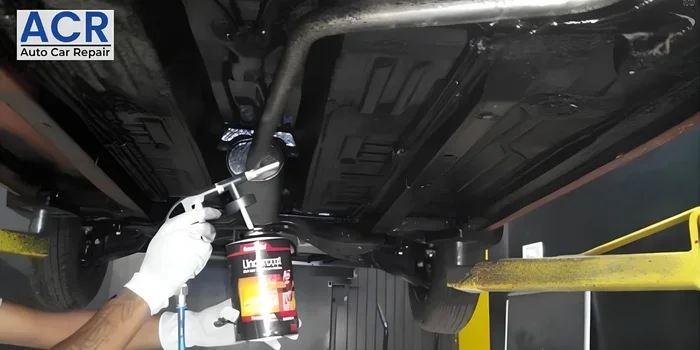
Spray-on coatings are the most popular choice for DIY enthusiasts. They are easy to apply and dry quickly. You can spray them directly onto clean metal surfaces. They work great for underbody coating and wheel wells. Undercoating spray is a common type of spray-on product that protects the underside of your car.
Most spray-on products need to be reapplied every six months to one year. They are affordable and widely available. For many drivers, a quality anti rust spray is all they need to keep rust at bay.
Electronic Rust Inhibitors
These devices use a small electrical current to prevent rust from forming. They are installed directly onto the car frame. The current creates a cathodic protection effect. It essentially stops the chemical reaction that causes rust.
Electronic rust inhibitors are a popular choice among car enthusiasts. They are low maintenance once installed. However, they do not work for everyone. Some drivers find them less effective in extremely harsh conditions. They also cost more upfront than spray-on options.
Wax-Based and Polymer Sealants
Wax-based coatings offer a traditional approach to rust prevention. They are applied like car wax and create a hydrophobic barrier. Water beads off the surface instead of soaking in. Polymer sealants work similarly but tend to last longer.
These coatings are great for exterior body panels. They add a layer of clear coat protection on top of your existing paint. Many drivers pair them with a paint protection film for maximum defense against the elements.
Oil-Based Drip Coatings
Oil-based coatings are thick and sticky. They are usually applied to the undercarriage. They drip into hard-to-reach areas and stay wet for a while. This allows them to penetrate seams and joints where rust often starts.
These coatings are excellent for undercarriage rust protection. They are commonly used in car rust proofing during winter months. The downside is they can be messy to apply and may drip onto driveways.
Top Anti Rust Coating Products for Cars
Choosing the right product can be overwhelming. There are so many options on the market. To help you decide, we have compared some of the best anti rust coating for cars products available today.
| Product | Type | Best For | Durability | Price Range |
|---|---|---|---|---|
| Fluid Film | Lanolin-based | Undercarriage and frame | Up to 1 year | Mid-range |
| Rust-Oleum Transformer | Spray-on | Surface rust and bare metal | 6-12 months | Budget-friendly |
| Eastwood Rust Encapsulator | Polymer | Body panels and frame | 1-2 years | Mid-range |
| CRC White Lithium Grease | Grease-based | Bolts, joints, and seams | 6 months | Budget-friendly |
| Undercoating Spray (DIY) | Rubberized | Full underbody protection | 1 year | Budget-friendly |
Each product has its place. Fluid Film is a favorite among car maintenance tips experts for its deep penetration. Rust-Oleum Transformer is a great budget option for spot treatment. The Eastwood Rust Encapsulator works well for larger areas that need long-lasting vehicle corrosion protection.
Quick Tips for Choosing the Right Product
- Assess your climate: If you drive in snowy areas, go for oil-based or lanolin coatings. For dry climates, wax-based sealants work well.
- Check the surface condition: If you have existing rust, use a rust converter first, then apply your coating.
- Consider your budget: Budget-friendly options still offer solid protection. You do not need to spend a fortune.
- Read reviews: Look for products with strong customer feedback on long-term rust protection for cars.
How to Apply Anti Rust Coating for Cars
Applying anti rust coating for cars is not as hard as it sounds. With the right preparation and a little patience, you can do it yourself. Here is a step-by-step guide that works for most spray-on and liquid coatings.
Step 1: Clean the Surface Thoroughly
Before you apply any coating, the surface must be clean. Wash the area with soap and water. Remove all dirt, grease, and loose debris. If there is existing rust, use a wire brush or sandpaper to remove it. You want bare, clean metal for the best adhesion.
For stubborn rust spots, a rust converter can help. It chemically changes rust into a stable surface that accepts coatings. Let it dry completely before moving to the next step.
Step 2: Mask Off Surrounding Areas
Use painter’s tape and plastic sheeting to cover areas you do not want coated. This includes glass, rubber seals, and plastic trim. Anti rust spray can be messy, so take the time to protect everything around the application area.
Step 3: Apply the Coating Evenly
Hold the spray can about 6 to 8 inches from the surface. Apply thin, even coats. Do not spray too much at once. Thick coats take longer to dry and may drip. Work in sections for full coverage.
For undercarriage protection, flip the car on jack stands if possible. Spray the frame, suspension components, and wheel wells. Make sure every exposed metal surface gets coated.
Step 4: Let It Dry Completely
Most coatings need 24 to 48 hours to fully cure. Keep the car in a dry, covered area during this time. Avoid driving it until the coating is completely dry. This ensures the best rust inhibitor performance.
Expert Insights on Application
Professional detailers often recommend applying coatings in temperatures between 50 and 80 degrees Fahrenheit. Cold or humid conditions can affect drying and adhesion. Also, always wear protective gloves and a mask when spraying coatings. The fumes can be harmful in enclosed spaces.
One pro tip: Apply a second coat after the first one dries. This doubles the protection and fills in any thin spots. It is a small extra step that makes a big difference in long-term rust prevention.
Common Mistakes to Avoid
- Skipping surface prep: This is the number one mistake. If the surface is not clean, the coating will not stick.
- Applying in direct sunlight: The heat causes the coating to dry too fast. It does not adhere properly.
- Using too much product: Thick coats lead to drips and uneven coverage. Thin layers are better.
- Ignoring hard-to-reach areas: Rust loves to hide in seams and joints. Make sure you coat every spot.
How Often Should You Reapply Anti Rust Coating for Cars
The lifespan of an anti rust coating for cars depends on several factors. The type of coating you use plays a big role. So does your driving environment and how well you maintain the coating.
Most spray-on coatings need reapplication every six months to one year. Oil-based coatings tend to wear off faster because they are designed to drip and settle. Wax-based sealants can last up to two months as a standalone layer but work well as part of a layered protection system.
Electronic rust inhibitors typically last for years once installed. However, they do not protect the entire car. They work best on the frame and undercarriage. For full vehicle corrosion protection, you still need a physical coating on exposed panels.
Factors That Affect Coating Longevity
- Driving conditions: Cars driven on salted winter roads need more frequent reapplication. Salt corrosion is relentless.
- Climate: High humidity and rain accelerate wear on coatings. Coastal drivers should reapply more often.
- Coating quality: Premium products generally last longer than budget options. But even budget coatings offer solid protection when applied correctly.
- Maintenance habits: Regular washing and waxing extend the life of your coating. They remove salt and grime that can break it down.
A good rule of thumb is to inspect your coating every three months. Look for any spots where the coating has worn thin or peeled away. Reapply those areas promptly. This simple habit keeps your rust prevention strategy working all year round.
Cost of Anti Rust Coating and Is It Worth It
Let us talk numbers. The rust proofing cost for DIY spray-on coatings ranges from $15 to $60 per can. A single can can cover a large area. For most cars, one to two cans per application is enough. That makes the cost per application very affordable.
Professional undercoating and car rust proofing services cost more. You might pay $150 to $300 for a full underbody treatment at a shop. But the benefit is expert application and access to commercial-grade products. For some drivers, this is a worthwhile investment.
Now consider the cost of not protecting your car. Car body repair for rust damage can easily cost $500 to $2,000 or more. Frame rust repair is even more expensive. A rusted frame can compromise the safety of your vehicle. In this light, anti rust coating for cars is one of the best investments you can make.
Key Takeaway: The cost of prevention is a fraction of the cost of repair. A few dollars spent on coating today can save you hundreds or thousands tomorrow.
Final Thoughts on Protecting Your Car from Rust
Your car faces a constant battle against rust every single day. Moisture, salt, road grime, and time all work against your vehicle’s metal surfaces. But with the right anti rust coating for cars, you can win that battle. You can keep your car looking great and running safely for years to come.
Start by choosing the right type of coating for your needs. Spray-on products are great for most drivers. Electronic inhibitors work well as a supplement. And always remember that proper application makes all the difference.
Make rust prevention part of your regular car maintenance routine. Inspect your vehicle often. Reapply coatings as needed. Wash your car after driving through salt or mud. These small habits add up to big protection over time.
Your car deserves the best defense against corrosion. With the tips and product recommendations in this guide, you are now equipped to protect your investment. Start today, and your future self will thank you when your car still looks amazing years from now.
Frequently Asked Questions
Can I apply anti rust coating for cars myself?
Yes, most spray-on and liquid coatings are designed for DIY application. You just need to clean the surface, apply thin even coats, and let it dry. It is one of the easiest car maintenance tips you can follow at home.
How long does anti rust coating last on a car?
Most coatings last between six months and two years depending on the type and driving conditions. Oil-based coatings wear faster while polymer sealants last longer. Regular inspection and reapplication keep the protection strong.
Is anti rust coating safe for car paint?
Most modern anti rust coatings are safe for paint when applied correctly. Wax-based and polymer sealants actually add a layer of clear coat protection. Just avoid applying coatings directly on painted surfaces unless the product is designed for that use.
What is the best anti rust coating for cars in winter?
Oil-based and lanolin coatings like Fluid Film are excellent for winter use. They penetrate seams and joints where salt and moisture collect. Undercoating spray is also a great choice for full underbody protection during harsh winter months.
Can anti rust coating fix existing rust on my car?
Coatings prevent new rust from forming but do not repair existing damage. For existing rust, use a rust converter first to stabilize the area. Then apply your anti rust coating for cars over the treated surface for long-term protection.
How much does professional rust proofing cost compared to DIY?
Professional rust proofing typically costs $150 to $300 for a full treatment. DIY coatings cost $15 to $60 per can. DIY is much more affordable and works well for most drivers who follow proper application steps.