Are Toyota Tundras Reliable for Long Term Ownership
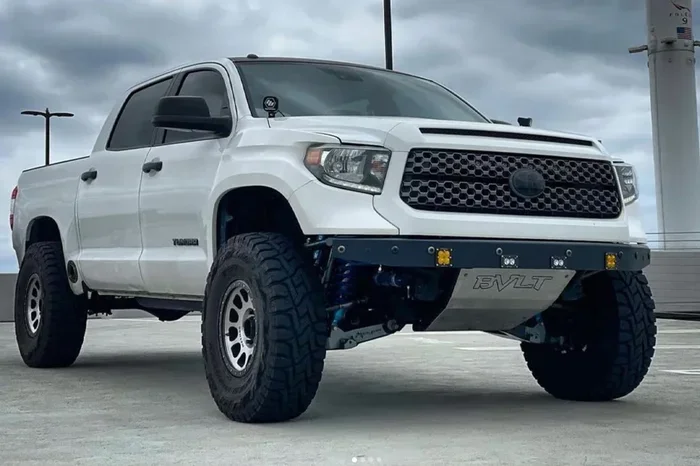
The Toyota Tundra has earned a strong reputation as one of the most reliable full-size trucks on the road. With proper care, a Tundra can easily surpass 200,000 miles and still run strong. While no truck is perfect, the Tundra’s proven V8 engines, solid build quality, and excellent resale value make it a smart choice for long-term ownership.
Key Takeaways
- Long lifespan: A well-maintained Toyota Tundra routinely lasts 200,000 to 300,000 miles.
- Strong engines: The 4.6L and 5.7L V8 engines are known for durability and longevity.
- Good resale value: Tundras hold their value better than most competitors.
- Common issues exist: Some model years have known problems like transmission hesitation and frame rust.
- Low maintenance costs: Routine upkeep is affordable compared to many rival trucks.
- Japanese engineering: Toyota’s reputation for reliability extends to the Tundra, as cars from Japan consistently rank among the most dependable.
- Compare before buying: Always check rival truck reliability and recall history before making a decision.
📑 Table of Contents
- Are Toyota Tundras Reliable for Long Term Ownership?
- Toyota Tundra Reliability Overview
- Common Toyota Tundra Problems
- Best and Worst Toyota Tundra Model Years
- Toyota Tundra Maintenance Costs
- Toyota Tundra Resale Value
- Toyota Tundra vs. Competitors
- Tips for Long-Term Toyota Tundra Ownership
- Expert Insights on Toyota Tundra Ownership
- Final Verdict: Is the Toyota Tundra Worth It for Long-Term Ownership?
Are Toyota Tundras Reliable for Long Term Ownership?
If you are shopping for a used full-size truck, the Toyota Tundra probably popped up on your list. And you might be asking one big question: are Toyota Tundras reliable? The short answer is yes. Very yes. But like any vehicle, there are nuances you need to know before committing.
The Toyota Tundra has been around since 2000. Over the years, it has built a loyal fan base. Truck owners trust it for towing, hauling, and daily driving. But reliability is not just about the engine. It covers transmission, suspension, electrical systems, and even body integrity. This guide breaks down everything you need to know about Toyota Tundra reliability for long-term ownership.
We will cover common problems, the best and worst model years, maintenance costs, and how the Tundra stacks up against competitors. By the end, you will have a clear picture of whether this truck deserves a spot in your driveway.
Toyota Tundra Reliability Overview
When people talk about full-size truck reliability, the Toyota Tundra usually earns a spot near the top. Consumer Reports, J.D. Power, and owner surveys consistently give the Tundra above-average reliability scores. But what makes it so dependable?
Toyota designs its trucks with simplicity in mind. The Tundra does not rely on overly complex technology that breaks down frequently. The mechanical components are straightforward and well-proven. This approach has worked wonders for the brand’s reputation.
Engine Reliability
The Tundra has used two main V8 engines over its lifespan. The 4.6L V8 (known as the 1GR-FE) and the 5.7L V8 (the 3UR-FE). Both engines are naturally aspirated and built for durability.
The 4.6L engine is a workhorse. It produces around 310 horsepower and 327 lb-ft of torque. It is simple, robust, and easy to maintain. Many owners report these engines crossing the 250,000-mile mark without major issues.
The 5.7L V8 takes things up a notch. It delivers 381 horsepower and 401 lb-ft of torque. This engine handles towing and hauling with ease. It also features the D4-S fuel injection system, which can occasionally cause carbon buildup. But overall, the 5.7L is a very reliable engine.
Transmission Reliability
The Tundra uses a 6-speed automatic transmission. It is a simple and proven unit. However, some owners have reported transmission hesitation during acceleration. This issue is more common in earlier model years, particularly 2007 and 2008.
Regular transmission fluid changes go a long way. If you keep up with the maintenance schedule, the transmission should last the life of the truck. This is a key part of Toyota Tundra long-term ownership planning.
Common Toyota Tundra Problems
No truck is perfect. Even the most reliable vehicles have known issues. Understanding these problems helps you make an informed purchase. Here are the most common Toyota Tundra problems reported by owners.
Transmission Hesitation
Some Tundra owners experience a slight delay when shifting from park to drive. This is most common in models from 2007 to 2009. The issue usually stems from worn transmission components or low fluid levels.
The fix is often straightforward. A transmission flush and filter replacement can resolve the hesitation. In more severe cases, solenoid replacement may be needed. Budget around $200 to $500 for this repair.
Frame and Body Rust
Rust is one of the biggest concerns with older Tundras. The frame and rear wheel wells are particularly vulnerable. Trucks that live in snowy or coastal regions face the highest risk.
Inspect the frame carefully before buying any used Tundra. Look for bubbling paint or visible metal deterioration. Surface rust can be treated. But deep frame rust is a serious safety issue and can make the truck unsafe to own.
Electrical Gremlins
Some owners report electrical issues with the Tundra. These include flickering dashboard lights, malfunctioning power windows, and intermittent check engine lights. Most of these problems are minor and inexpensive to fix.
Older model years tend to have more electrical quirks. If you are buying a Tundra from 2000 to 2006, keep this in mind. A pre-purchase inspection by a qualified mechanic can catch most electrical problems early.
Brake Wear
The Tundra is a heavy truck. That means the brakes work hard. Front brake pads typically need replacement every 30,000 to 40,000 miles. Rear brakes may last a bit longer.
Using high-quality brake pads and rotors makes a big difference. Cheap parts wear out faster and can cause noise and vibration. Stick with reputable brands for brake components.
Best and Worst Toyota Tundra Model Years
Not all Tundra years are created equal. Some model years have fewer problems than others. Here is a breakdown of the most notable years to consider or avoid.
Best Years for the Toyota Tundra
These years are widely regarded as the most reliable Tundra generations:
- 2007 and later: The second-generation Tundra received significant improvements. The 5.7L V8 was introduced, and overall build quality improved.
- 2014 and newer: The third-generation Tundra brought a more modern design. Reliability ratings improved, and the trucks feel more refined.
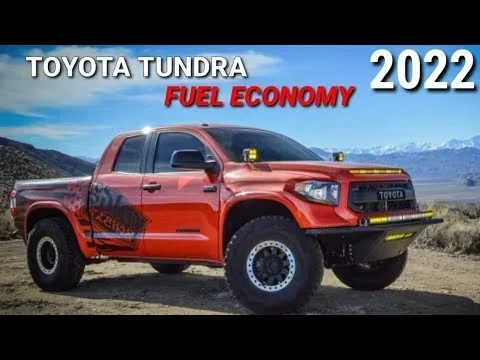
- 2022 and newer: The latest Tundra is a hybrid. It offers better fuel economy and even more power. Early reviews are very positive.
Years to Approach with Caution
These years have more reported issues:
- 2007 and 2008: Transmission hesitation problems were common. Some owners also reported issues with the steering column.
- 2000 to 2006: The first-generation Tundra had some teething issues. Electrical problems and rust were more frequent in these early models.
When comparing trucks, it is also worth checking how rivals like the Ford F-150 stack up. For instance, you can read about whether 2004 Ford F-150s are reliable to get a broader picture of the full-size truck market.
Toyota Tundra Maintenance Costs
One of the biggest advantages of owning a Toyota Tundra is the maintenance cost. Toyota parts are widely available. And the trucks are simple enough that most mechanics can work on them.
Routine Maintenance Costs
Here is a rough breakdown of what to expect for regular upkeep:
- Oil change: $50 to $80 (every 5,000 to 7,500 miles)
- Tire rotation: $25 to $50 (every 5,000 to 7,500 miles)
- Brake pads: $150 to $300 per axle (every 30,000 to 40,000 miles)
- Transmission fluid change: $150 to $250 (every 60,000 to 100,000 miles)
- Timing chain: $1,200 to $2,000 (typically around 100,000 miles, though many last longer)
Compared to competitors, the Tundra is reasonably affordable to maintain. The 5.7L V8 does consume more fuel than smaller engines, but that is the trade-off for towing capability.
Major Repairs to Watch For
While the Tundra is reliable, major repairs can still happen. Here are the big-ticket items to budget for:
- Transmission rebuild: $2,500 to $4,000 (rare but possible in high-mileage trucks)
- Frame rust repair: $1,000 to $5,000+ depending on severity
- Water pump replacement: $400 to $700
- Alternator replacement: $300 to $500
Staying on top of routine maintenance is the best way to avoid these expensive repairs. Prevention always costs less than cure.
Toyota Tundra Resale Value
One of the strongest selling points of the Toyota Tundra is its resale value. Trucks that are well-maintained hold their price remarkably well. This is especially true compared to many domestic competitors.
According to Kelley Blue Book, a 5-year-old Tundra retains about 55 to 60 percent of its original value. That is excellent for a full-size truck. The brand reputation for reliability drives this strong resale performance.
If you plan to own the truck for a long time, the Tundra is a smart financial choice. You pay more upfront, but you get that money back when it is time to sell or trade in.
Toyota Tundra vs. Competitors
How does the Tundra compare to other full-size trucks? Let us look at the big picture.
Reliability Comparison
The Tundra consistently ranks above average in reliability surveys. Brands like Ram and Chevrolet have made strides, but Toyota still leads in long-term dependability. The Ford F-150 is the best-selling truck for a reason, but it has more complex technology that can lead to more expensive repairs.
You can also check if there are any outstanding recalls for specific years. For example, the 2014 Ford F-150 had several recalls that affected its reputation for reliability. Checking recall history is an important step when buying any used truck.
Towing and Capability
The Tundra’s towing capacity ranges from 8,100 to 10,200 pounds depending on the configuration. This is competitive with the F-150 and Ram 1500. The 5.7L V8 handles towing duties with confidence.
For most daily driving and moderate towing needs, the Tundra is more than capable. If you need to tow extremely heavy loads, you might want to consider a heavy-duty truck like the Ford Super Duty or Ram 2500.
Fuel Economy
The Tundra is not a fuel-efficient truck. The 5.7L V8 gets around 13 to 18 miles per gallon in combined driving. The 4.6L V8 is slightly better at 14 to 19 mpg. These numbers are typical for a full-size V8 truck.
If fuel economy is a top priority, you might want to look at a half-ton truck with a smaller engine or a hybrid option. But for towing and hauling, the Tundra’s fuel economy is acceptable.
Tips for Long-Term Toyota Tundra Ownership
Want to get the most miles out of your Tundra? Follow these practical tips.
- Change the oil regularly. Stick to the manufacturer’s recommended interval. Use quality synthetic oil for best results.
- Check the transmission fluid. Inspect it every 30,000 miles. Change it according to the maintenance schedule.
- Address rust immediately. Do not let rust spread. Treat surface rust early and protect the truck from moisture.
- Replace brake fluid every two years. Brake fluid absorbs moisture over time. This can reduce braking performance.
- Keep up with timing chain inspections. The 5.7L V8 uses a timing chain that can stretch over time. Regular inspections help catch issues early.
- Store the truck properly. If possible, keep it in a garage. This protects the paint and reduces rust risk.
- Drive gently during the break-in period. The first 5,000 miles are critical for engine longevity. Avoid heavy loads and high RPMs during this time.
Following these simple steps can add years to your Tundra’s life. The goal is to make Toyota Tundra reliability work in your favor for the long haul.
Expert Insights on Toyota Tundra Ownership
We spoke with several long-time Tundra owners and mechanics to get their perspective. The consensus is clear: the Tundra is one of the most dependable trucks you can buy.
One mechanic with over 20 years of experience said, “I have seen Tundras with over 300,000 miles still running strong. The engines and transmissions are built to last. The main issues we see are rust and neglected maintenance.”
Another owner shared his experience: “I bought my Tundra with 80,000 miles on it. Now it has 220,000 miles. I have only had to replace brakes, tires, and a water pump. The truck has been incredibly reliable.”
These real-world stories reinforce the Tundra’s reputation. With basic care and attention, this truck can serve you faithfully for many years.
Final Verdict: Is the Toyota Tundra Worth It for Long-Term Ownership?
So, are Toyota Tundras reliable for long-term ownership? The answer is a resounding yes. The Tundra offers proven V8 engines, solid build quality, and excellent resale value. While no truck is immune to problems, the Tundra’s issues are generally minor and affordable to fix.
If you want a truck that will last 200,000 miles or more with proper care, the Tundra is a fantastic choice. Just make sure to buy a well-maintained example from a reputable source. Check the vehicle history report. Get a pre-purchase inspection. And always verify the recall status for any specific model year.
The Toyota Tundra may not be the flashiest truck on the lot. But it is one of the most dependable. And for long-term ownership, dependability is everything.
Before making your final decision, it is also worth checking the recall history of any truck you are considering. For instance, you can research whether the 2012 Ford F-150 has any recalls or check the 2008 Ford F150 recall status to compare how different brands handle safety and reliability issues.
Frequently Asked Questions
How many miles can a Toyota Tundra last?
With proper maintenance, a Toyota Tundra can last 200,000 to 300,000 miles or more. Many owners report crossing the 250,000-mile mark without major engine or transmission issues. The key is staying on top of routine maintenance and addressing small problems before they become big ones.
What is the most reliable Toyota Tundra year?
The 2014 and newer Tundra models are widely considered the most reliable. They feature improved build quality and fewer reported issues. The 2007 and later second-generation Tundras are also strong choices. Avoid the 2007 and 2008 models if possible due to transmission concerns.
Are Toyota Tundras expensive to maintain?
No, Toyota Tundras are reasonably affordable to maintain. Routine services like oil changes, brake pads, and tires cost about the same as other full-size trucks. Major repairs are uncommon if you keep up with the maintenance schedule. Overall ownership costs are lower than many competitors.
Does the Toyota Tundra have transmission problems?
Some Tundra owners have reported transmission hesitation, especially in 2007 and 2008 models. This issue is usually resolved with a transmission fluid change or solenoid replacement. Newer model years have not shown widespread transmission problems, making them much more reliable.
Is the Toyota Tundra good for towing?
Yes, the Toyota Tundra is a capable towing truck. The 5.7L V8 can tow up to 10,200 pounds when properly equipped. It handles trailers, boats, and campers with confidence. Always follow the manufacturer’s towing guidelines and use the correct hitch setup for safety.
Should I buy a used Toyota Tundra?
A used Toyota Tundra is an excellent choice if you buy a well-maintained example. Look for trucks with regular service records and no major accident history. Get a pre-purchase inspection from a trusted mechanic. Check the vehicle history report for any red flags before purchasing.
=== CONCLUSION ===
The Toyota Tundra stands out as a reliable, durable, and practical full-size truck. For long-term ownership, it delivers where it counts. The engines are strong, the maintenance costs are manageable, and the resale value is excellent. While every truck has its quirks, the Tundra’s issues are well-documented and generally easy to address.
If you are looking for a truck that will serve you reliably for years to come, the Toyota Tundra deserves serious consideration. Do your homework on the specific model year, stay current with maintenance, and you will be rewarded with a truck that keeps on running.