Will a Diagnostic Test Tell Me Whats Wrong With My Car
A car diagnostic test can reveal a lot about your vehicle’s health, but it is not a magic fix-it button. These tests read error codes from your car’s computer system and point you toward the problem area. However, they do not always tell the full story, and a skilled mechanic is often needed to interpret the results and complete the repair.
You are driving down the road, and suddenly that little yellow light on your dashboard starts blinking. Your heart drops. What does it mean? Is your car about to break down? This is where a car diagnostic test comes into the picture. But here is the big question most drivers ask: will a diagnostic test tell me what is wrong with my car?
The short answer is yes and no. A diagnostic test gives you a starting point. It pulls error codes from your vehicle’s computer and points you in the right direction. But it is not a complete answer on its own. Think of it like a doctor taking your temperature. It tells them something is off, but they still need to do more tests to find the real problem.
In this guide, we will walk through everything you need to know about vehicle diagnostics. We will cover how the process works, what the results mean, what a diagnostic test cannot do, and when you should take your car to a professional. By the end, you will feel confident about what to expect and how to handle that dreaded dashboard light.
Key Takeaways
- Diagnostic tests read error codes: They connect to your car’s onboard computer and pull stored trouble codes that point to potential issues.
- They narrow down the problem: A diagnostic test can tell you which system or sensor is acting up, but not always the root cause.
- OBD-II scanners are the standard: Most modern cars use the OBD-II port for diagnostic connections, and you can use a handheld scanner at home.
- A check engine light is a clue, not a diagnosis: The light tells you something is wrong, but the diagnostic test helps figure out what.
- Professional mechanics go further: They combine scanner data with hands-on inspection, experience, and specialized tools for a full diagnosis.
- DIY scans have limits: You can buy an inexpensive scanner, but it may not give you the full picture a shop-level tool provides.
- Timing matters: Getting a diagnostic test early can save you from costly repairs down the road.
📑 Table of Contents
- What Exactly Is a Car Diagnostic Test?
- Will a Diagnostic Test Tell Me What Is Wrong?
- Types of Diagnostic Tools You Can Use
- Common Car Problems a Diagnostic Test Can Help Identify
- How Much Does a Diagnostic Test Cost?
- Quick Tips for Getting the Most Out of a Diagnostic Test
- Common Mistakes People Make With Diagnostic Tests
- Expert Insights: What Mechanics Wish You Knew
- When Should You Get a Diagnostic Test?
- Can You Do a Diagnostic Test at Home?
- Final Thoughts
What Exactly Is a Car Diagnostic Test?
A car diagnostic test is a quick scan of your vehicle’s onboard computer system. Modern cars have a built-in computer called the powertrain control module, or PCM. This computer monitors dozens of sensors throughout the engine, transmission, brakes, and other systems. When something goes wrong, the computer stores a trouble code and often triggers the check engine light.
A diagnostic tool connects to your car through the OBD-II port. This port is usually located under the dashboard on the driver’s side. Once connected, the scanner reads the stored codes and displays them on a screen. Each code corresponds to a specific issue or system malfunction.
How Does the OBD-II System Work?
The OBD-II system has been standard in all cars sold in the United States since 1996. It stands for On-Board Diagnostics, second generation. This system was created to help mechanics and drivers quickly identify problems with the emission system and engine performance.
Here is how it works in simple terms:
- Sensors throughout the car constantly monitor conditions like oxygen levels, fuel mixture, and engine temperature.
- If a sensor detects a problem outside of normal ranges, it sends a signal to the PCM.
- The PCM stores a fault code and may turn on the check engine light.
- A diagnostic scanner reads these codes when connected to the OBD-II port.
The codes are like a language between your car and the person reading them. For example, a code starting with “P0301” means there is a misfire in cylinder one. That gives you a clear starting point. But it does not always tell you why the misfire is happening.
Will a Diagnostic Test Tell Me What Is Wrong?
This is the million-dollar question, and the honest answer is that it depends. A diagnostic test can tell you what system or component is causing the problem. But it usually cannot tell you the full story of why it happened or what needs to be fixed.
Let us break this down. When you get a diagnostic test done, you receive a list of trouble codes. These codes might say something like “oxygen sensor malfunction” or “fuel system too lean.” That information is valuable. It tells you which part of the car needs attention.
But here is the catch. The oxygen sensor might be failing because of a larger problem, like a vacuum leak or a faulty fuel injector. The sensor itself might be fine, but something else is throwing off the readings. A diagnostic test flags the sensor, but it does not always reveal the deeper issue.
What Diagnostic Tests Can Tell You
A car diagnostic test can reveal a surprising amount of information. Here is what it typically can do:
- Identify which sensor or system is malfunctioning.
- Show stored error codes and freeze frame data.
- Display real-time data from sensors while the engine is running.
- Confirm whether the check engine light is related to an emissions issue.
- Reveal problems with the ignition system, fuel delivery, or engine misfire.
- Flag issues with the transmission or anti-lock braking system.
- Show pending codes that have not yet triggered the dashboard light.
As you can see, a diagnostic test gives you a solid foundation. It points you toward the right area and saves time compared to guessing. But it is not the final word.
What Diagnostic Tests Cannot Tell You
It is equally important to understand the limitations. A diagnostic test is a tool, not a replacement for a trained eye. Here is what it typically cannot do:
- Determine the root cause of a problem.
- Diagnose mechanical wear and tear that has not triggered a sensor code.
- Identify electrical wiring issues without further testing.
- Detect problems with components that do not have sensors, like a worn clutch or timing belt.
- Tell you the exact fix needed for every code.
Think of it this way. A diagnostic test is like a smoke alarm going off in your house. It tells you there is smoke, but it does not tell you if it is a small candle or a full-blown fire. You still need to investigate further.
Types of Diagnostic Tools You Can Use
Not all diagnostic tools are created equal. The type of tool you use can affect the quality of the information you get. Let us look at the main options available to car owners today.
OBD-II Code Readers
A basic OBD-II code reader is the most affordable option. These small devices plug into your car’s port and display the stored trouble codes. Many cost between $20 and $60. They are great for a quick peek at what is going on, but they do not offer deep analysis.
A code reader will give you the code and a brief description. For example, it might say “P0420 — Catalyst System Efficiency Below Threshold.” But it will not tell you what is causing the inefficiency. You would need to research further or visit a mechanic.
OBD-II Scanners with Live Data
A step up from a basic code reader is an OBD-II scanner with live data capabilities. These tools show real-time sensor readings while your car is running. You can watch fuel trim values, oxygen sensor outputs, and engine RPM in real time.
These scanners cost more, usually between $50 and $300. They are a better choice if you want to dig deeper into your car’s performance. Some even graph the data, which makes it easier to spot trends and irregularities.
Professional-Grade Diagnostic Equipment
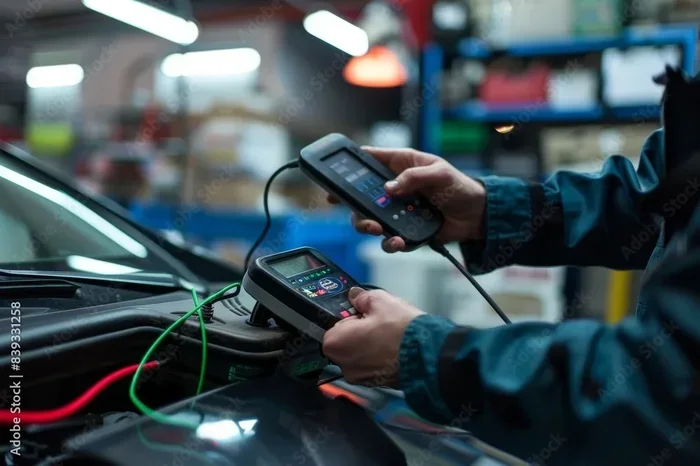
Auto repair shops use professional diagnostic equipment that goes far beyond what you can buy at an auto parts store. These tools can access manufacturer-specific codes, perform advanced tests, and update software modules.
A professional mechanic diagnostic session often includes:
- Access to manufacturer-specific trouble codes not available in generic scanners.
- Bi-directional controls to test components like fuel pumps and solenoids.
- Advanced graphing and data logging over time.
- Specialized software for transmission, ABS, and airbag systems.
This is why a shop-level diagnosis often provides a more complete picture than a DIY scan.
Common Car Problems a Diagnostic Test Can Help Identify
Now let us talk about the practical side. What kinds of issues can a car diagnostic test actually help you find? Here are some of the most common problems that show up in scan results:
Engine Misfires
An engine misfire is one of the most common reasons the check engine light comes on. A diagnostic test will often show a misfire code, such as P0301 through P0308, depending on which cylinder is affected. The code tells you where the misfire is happening, but a mechanic still needs to check spark plugs, ignition coils, and fuel injectors to find the cause.
Oxygen Sensor Failure
The oxygen sensor measures how much oxygen is in your exhaust. When it fails, it can hurt fuel economy and increase emissions. A diagnostic test will flag this with a specific code. But the real question is whether the sensor itself is bad or if something else, like an exhaust leak, is causing the reading.
Mass Airflow Sensor Issues
The mass airflow sensor tells the car’s computer how much air is entering the engine. If it gets dirty or fails, your car may run rough or hesitate during acceleration. A scan will show a related code, but cleaning the sensor or replacing it requires hands-on work.
Catalytic Converter Problems
The catalytic converter reduces harmful emissions. When it starts to fail, you may notice reduced performance and a rotten egg smell. A diagnostic test will show a catalyst efficiency code. This is a more serious repair that usually needs professional attention.
Fuel System and EVAP Leaks
Codes related to the fuel system, such as a loose gas cap or a leak in the EVAP system, are very common. These are often easy fixes, but a diagnostic test is what confirms the issue.
How Much Does a Diagnostic Test Cost?
The cost of a diagnostic test varies depending on where you go and what type of tool they use. Here is a quick comparison:
| Method | Cost Range | What You Get |
|---|---|---|
| DIY OBD-II Code Reader | $20 – $60 (one-time purchase) | Basic trouble codes only |
| OBD-II Scanner with Live Data | $50 – $300 | Codes plus real-time sensor data |
| Auto Parts Store Free Scan | Free | Basic code reading, no interpretation |
| Independent Mechanic Diagnostic Fee | $75 – $150 | Code reading plus expert interpretation |
| Dealership Diagnostic | $100 – $200 | Full manufacturer-level scan and analysis |
Many auto parts stores offer a free scan if you buy parts from them. While this is a great way to get basic codes, remember that they usually cannot provide a full diagnosis. You will still need a mechanic to interpret the results and do the repair.
Quick Tips for Getting the Most Out of a Diagnostic Test
Want to make sure your diagnostic test gives you the best results? Follow these simple tips:
- Do not ignore the check engine light. Even if the car seems to run fine, a code is telling you something needs attention.
- Get the scan done as soon as possible. The longer you wait, the more potential damage can occur.
- Write down the codes. Even if you do not understand them right away, having the codes helps a mechanic diagnose faster.
- Do not clear the codes before the scan. Some people clear codes at home before visiting a mechanic, which erases valuable data.
- Ask questions. If a mechanic gives you a code, ask what it means and what the next steps are.
- Combine the scan with a visual inspection. Sometimes a loose wire or cracked hose is the culprit, and a mechanic can spot it during a physical check.
Common Mistakes People Make With Diagnostic Tests
There are a few mistakes that car owners commonly make when dealing with diagnostic tests. Avoiding these can save you time and money.
Assuming the Code Is the Fix
The biggest mistake is thinking that a trouble code is the same as a repair plan. A code tells you what system is affected, not what part to replace. Replacing parts based solely on a code can lead to wasted money and unresolved problems.
Clearing Codes Too Early
Some people clear the codes right after a scan to turn off the check engine light. This erases the data that a mechanic needs. Always let the professional handle code clearing at the right time.
Relying Only on DIY Scans
A basic code reader at home is a great tool, but it has limits. It gives you codes, but not the expertise to interpret them fully. Think of it as a starting point, not the final answer.
Ignoring Pending Codes
Some scanners show pending codes that have not yet triggered the check engine light. These are early warnings that something is starting to go wrong. Pay attention to them before they become full-blown problems.
Expert Insights: What Mechanics Wish You Knew
We talked to a few experienced mechanics, and here is what they want every car owner to understand about engine diagnostics.
“A diagnostic test is a map, not the destination,” says one long-time shop owner. “The code shows you where to look, but you still need to do the detective work to find the real problem.”
Another mechanic shared this insight: “I see people all the time buy a part based on an internet search of their code, and it does not fix the problem. The code is a clue, not a prescription.”
The takeaway is clear. A diagnostic test is a powerful tool, but it works best when combined with professional expertise and a hands-on approach.
When Should You Get a Diagnostic Test?
You do not need to wait for a problem to get a diagnostic test. In fact, regular testing can help you catch issues early. Here are the best times to get one:
- The check engine light comes on. This is the most obvious reason. Get it checked as soon as possible.
- Your car feels different. Rough idle, hesitation, or reduced power are signs something is off.
- Before a long trip. A quick scan can confirm your car is ready for the road.
- During routine car maintenance. Some shops include a diagnostic scan as part of a regular service visit.
- After a repair. If a recent fix did not solve the problem, a new scan can check for remaining codes.
Being proactive with vehicle diagnostics can help you avoid breakdowns and expensive repairs. It is one of the simplest things you can do to take care of your car.
Can You Do a Diagnostic Test at Home?
Yes, you can. If you buy an OBD-II scanner or code reader, you can perform a basic diagnostic test yourself. The process is simple:
- Locate your car’s OBD-II port, usually under the dashboard on the driver’s side.
- Plug the scanner into the port.
- Turn the ignition to the “on” position (do not start the engine).
- Follow the scanner’s instructions to read the stored codes.
- Write down the codes and look them up in a code reference guide or online.
Keep in mind that a home scan gives you the codes, but not the full diagnosis. If you find a code you do not understand, bring the results to a trusted mechanic for further interpretation.
Final Thoughts
So, will a diagnostic test tell you what is wrong with your car? The answer is that it is a valuable first step. A diagnostic test can identify which system or sensor is causing the problem and give you a clear starting point. But it is not a complete diagnosis on its own.
Think of the test as a tool in your toolkit, not the entire solution. Pair it with professional advice, hands-on inspection, and a willingness to dig deeper. When you do that, you give yourself the best chance of fixing the problem correctly the first time.
Your car talks to you through those dashboard lights and trouble codes. The key is listening carefully and knowing what to do next. Whether you use a basic code reader at home or visit a professional for a full engine diagnostic, the important thing is to take action. Ignoring the signs will almost always lead to bigger problems and higher repair bills.
Stay proactive. Stay informed. And remember, a diagnostic test is your friend, not your enemy. It gives you knowledge, and knowledge is the first step toward keeping your car running smoothly for years to come.
Frequently Asked Questions
Can a diagnostic test tell me exactly what part needs to be replaced?
A diagnostic test can identify which system or sensor is malfunctioning, but it usually cannot tell you the exact part to replace. The trouble code points to the problem area, but a mechanic still needs to inspect and test the component to confirm the fix.
How long does a car diagnostic test take?
A basic diagnostic scan takes about 5 to 15 minutes. However, if the mechanic needs to interpret the codes, perform additional tests, or run live data, the full process can take anywhere from 30 minutes to an hour or more.
Is it safe to drive with the check engine light on?
It depends on the severity. If the light is steady and the car is running normally, it is usually safe to drive a short distance. But if the light is flashing, or you notice performance issues, you should get to a mechanic as soon as possible to avoid further damage.
Can I clear the check engine light myself after a diagnostic test?
Yes, most OBD-II scanners allow you to clear codes and turn off the light. However, if the underlying problem is not fixed, the light will usually come back. Clearing the light without addressing the issue is only a temporary solution.
How often should I get a diagnostic test done?
There is no set schedule, but it is a good idea to get a diagnostic test whenever the check engine light comes on or you notice unusual behavior. Some owners also get a scan during routine oil changes or annual inspections as a preventative measure.
Are expensive diagnostic tools worth it for home use?
If you are a DIY enthusiast or want to stay on top of your car’s health between visits to the shop, a mid-range OBD-II scanner with live data can be well worth the investment. For occasional checks, a basic code reader is a more affordable option.
=== CONCLUSION ===
A diagnostic test is one of the most useful tools available for understanding your car’s health. It gives you a clear starting point by reading error codes and pointing to the affected system. But it is not a magic answer that tells you everything. The real value comes from combining the scan results with professional expertise and hands-on inspection.
Whether you use a simple code reader at home or visit a mechanic for a full vehicle diagnostic, the goal is the same: to catch problems early and keep your car running safely. Do not ignore that check engine light. Take action, ask questions, and use the information you get to make smart decisions about repairs.
Your car works hard for you every day. A little attention goes a long way. Trust the process, stay curious, and remember that a diagnostic test is your first line of defense in keeping your vehicle in top shape.