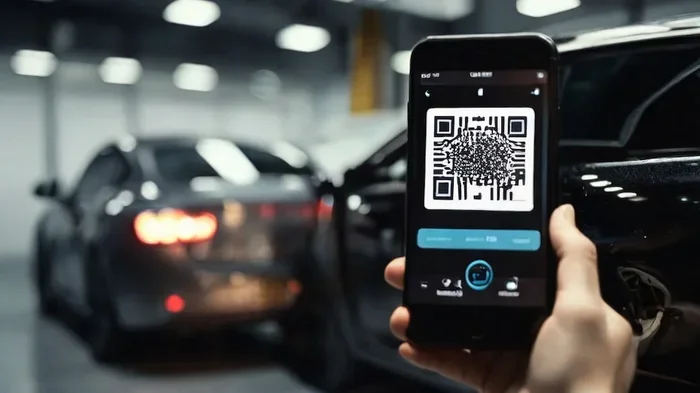
Why Is There a QR Code on My Car and What Does It Mean
A QR code on your car serves as a digital identifier linked to your vehicle registration, insurance, or ownership details. These codes make it easier for authorities, parking systems, and even buyers to access key vehicle information instantly. Understanding what your car QR code means can save you time, money, and hassle during traffic stops, parking, or resale.
Have you ever looked at your car and noticed a small square pattern stuck to the windshield or bumper? You might have wondered, why is there a QR code on my car? It looks like something out of a sci-fi movie, but it is actually a practical tool that connects your physical vehicle to digital information. These little squares are changing how we interact with our cars every single day.
The QR code vehicle trend is growing fast. From parking enforcement to toll booths, these scannable codes make life easier for drivers, police officers, and city planners alike. In this guide, we will break down everything you need to know. You will learn what these codes mean, how they work, and why more cars are carrying them every year.
Whether you are a curious car owner or someone who just spotted a strange sticker on their dashboard, this article has you covered. We will walk through each use case step by step. By the end, you will understand the full picture of QR code for cars technology and why it is here to stay.
Key Takeaways
- QR codes on cars link to digital records such as registration, insurance, and ownership data for quick access.
- Law enforcement uses vehicle QR codes to verify registration and insurance during traffic stops without paperwork.
- Parking systems rely on car QR codes for contactless entry, exit, and payment verification at lots and garages.
- Digital vehicle passports use QR technology to store maintenance history, accident records, and ownership transfers.
- Car owners should protect their QR code from tampering, theft, or unauthorized scanning of personal data.
- QR codes for cars are becoming standard in smart cities and toll systems across many countries worldwide.
- Scanning a car QR code is safe when issued by official sources, but always verify the source before sharing information.
📑 Table of Contents
What Is a QR Code on a Car?
A QR code on car is a two-dimensional barcode that stores digital information about a vehicle. When someone scans it with a smartphone camera, it instantly pulls up linked data. Think of it as a digital shortcut that connects the physical world to the online world.
These codes are not random. They are specifically designed to hold vehicle-related data. The information might include your car registration details, insurance status, or even your vehicle identification number. Each code is unique to your car, much like a fingerprint.
The most common places you will find a car QR code sticker are on the windshield, rear window, or bumper. Some newer vehicles even have the code printed directly on the body or embedded in a smart label. The placement depends on the purpose of the code and who issued it.
How Does a Vehicle QR Code Work?
Here is how simple the process is. A camera on a phone or a scanning device reads the black-and-white pattern. The pattern encodes data in a machine-readable format. Once scanned, the device redirects to a web page, database, or digital record tied to that specific vehicle.
For example, a police officer during a traffic stop can scan your license plate QR code and instantly see if your registration is current. No need to run your plates through a desktop system. The same goes for parking attendants. They scan a QR code parking pass and confirm payment without walking to your car window.
The technology behind this is called smart car technology. It uses the same QR system you see on restaurant menus or product packaging. The difference is that vehicle QR codes are built to handle sensitive data securely and efficiently.
Why Do Cars Have QR Codes?
The reasons for using QR codes for cars go far beyond novelty. Cities and governments are adopting this technology to improve efficiency, safety, and convenience. Let us explore the main reasons your car might carry one of these codes.
1. Vehicle Registration Verification
One of the biggest reasons for a QR code registration system is to simplify how authorities check if a car is legally registered. In many regions, digital vehicle registration is replacing paper tags. The QR code acts as your digital car tag, storing all the registration data in a scannable format.
When an officer scans the code, they instantly see the registration status, expiry date, and owner information. This reduces the need for manual checks and speeds up traffic stops. It also cuts down on fraudulent paper tags that are hard to verify.
2. Insurance Verification on the Go
Car insurance QR code systems allow drivers to prove they are insured without carrying physical cards. A scan reveals whether the vehicle has active coverage. This is especially helpful during accidents or random insurance checks on the road.
Some insurance companies now issue car insurance QR code stickers that link directly to your policy. If you get pulled over, you simply hand over your phone or let the officer scan the code. It is fast, paperless, and nearly impossible to fake.
3. Toll and Congestion Charging
Smart toll systems in cities like London, Singapore, and Stockholm use QR code car toll technology. Instead of stopping at a booth, your vehicle QR code is scanned automatically as you pass through. The system charges the toll to your account in real time.
This reduces traffic congestion at toll plazas. It also makes the process seamless for daily commuters. You do not need to worry about loose change or expired passes. The toll QR code handles everything behind the scenes.
4. Parking Management Made Easy
Urban parking is a headache for both drivers and enforcement officers. QR code parking solutions solve this by digitizing the entire process. You can pay for parking, extend your session, or validate your spot all by scanning a code.
Parking garages use QR code parking pass stickers on windshields. Enforcement officers drive through lots and scan each code to verify paid parking. This eliminates the need to walk car to car and write tickets manually. It saves time and reduces human error.
5. Vehicle Sales and Ownership Transfer
Buying or selling a used car can be a paperwork nightmare. A digital vehicle passport with a QR code simplifies this process dramatically. The code links to a secure database containing the car’s full history.
Buyers can scan the code and instantly see maintenance records, accident history, odometer readings, and previous ownership details. Sellers benefit too because the car ownership digital ID builds trust and speeds up transactions. No more digging through stacks of paper documents.
Types of QR Codes Found on Cars
Not all car QR codes are the same. Different organizations issue different types of codes for different purposes. Understanding the variations helps you know exactly what each code does.
| QR Code Type | Issued By | What It Links To | Common Location |
|---|---|---|---|
| Registration QR Code | Department of Motor Vehicles | Vehicle registration records | Windshield corner |
| Insurance QR Code | Insurance provider | Active policy details | Dashboard or windshield |
| Parking QR Code | City parking authority | Paid parking session | Rear windshield |
| Toll QR Code | Toll authority or smart city | Toll account and usage | Front windshield |
| Digital Vehicle Passport | Manufacturer or government | Full vehicle history | B-pillar or dashboard |
| Emergency QR Code | Emergency services or OEM | Medical info and owner contact | Rear window or sun visor |
Each type serves a specific function. The codes are color-coded or labeled in some systems so users can tell them apart at a glance. Always check which type of automotive QR code is on your car and understand its purpose.
Benefits of Car QR Codes for Drivers
The shift toward QR code car registration and digital vehicle systems brings real advantages to everyday drivers. Let us look at why this technology is gaining popularity so fast.
Speed and Convenience
The biggest benefit is speed. Scanning a code takes less than a second. Traffic stops, parking checks, and toll passages become faster for everyone involved. You spend less time waiting and more time on the road.
Reduced Paperwork
Gone are the days of digging through your glove box for registration papers. A digital car tag stored as a QR code means all your documents are accessible on your phone or printed on a durable sticker. Less paper also means less clutter and fewer lost documents.
Improved Accuracy
Manual data entry leads to errors. Officers typing in license plate numbers can make mistakes. A scanned vehicle identification QR code pulls the exact record every time. This improves accuracy during enforcement and reduces false tickets.
Enhanced Security
Modern QR codes for vehicles use encryption and secure databases. This makes them harder to counterfeit than paper tags or physical insurance cards. Authorities can also flag stolen vehicles instantly when a scanned code returns no matching record.
Environmental Impact
Going digital means less paper waste. Fewer printed registration stickers, insurance cards, and parking passes add up over time. Cities benefit from reduced material consumption as they adopt smart car technology at scale.
How to Protect Your Car QR Code
While QR codes for cars are incredibly useful, they also raise privacy and security concerns. Your car QR code links to sensitive data, so you need to protect it properly.
Tips to Keep Your QR Code Safe
- Use official stickers only. Never apply a homemade QR code to your car. Always use codes issued by your DMV, insurance company, or authorized provider.
- Check for tampering regularly. Inspect your QR code stickers for peeling, scratching, or replacement. If it looks off, contact the issuing authority immediately.
- Cover sensitive codes when parked in public. Some drivers use removable covers over their QR codes to prevent unauthorized scanning.
- Keep digital records updated. If your registration or insurance changes, make sure your linked QR code reflects the current information.
- Be cautious of public scanning. Only scan car QR codes from official sources. Random QR codes found on parked cars could lead to phishing sites or malware.
Protecting your car QR code sticker is just as important as protecting your license plate. Treat it with the same care you give your physical documents.
Common Mistakes People Make with Car QR Codes
Even though QR code for cars technology is straightforward, people still make avoidable mistakes. Here are the most common ones and how to fix them.
Ignoring Expiry Dates
Your QR code is only valid as long as your registration or insurance is current. Many drivers forget to update their digital tags after renewal. Always check that your QR code registration reflects your current status after every renewal period.
Using Damaged Stickers
A scratched or peeling QR code will not scan properly. Officers and systems may flag your car as non-compliant. Replace damaged stickers promptly to avoid tickets or delays during inspections.
Confusing Different QR Code Types
Not every code on your car means the same thing. A parking QR code is different from a registration QR code. Make sure you know which code does what so you do not accidentally share the wrong information or ignore an important alert.
Assuming All QR Codes Are Safe
Not every QR code you see on a car is legitimate. Fraudsters can place fake stickers over real ones. Always verify the source of any code before scanning it with your phone. If something looks off, do not scan it.
The Future of QR Codes in the Automotive Industry
The use of QR code vehicle technology is just the beginning. As cities become smarter and more connected, we can expect even more advanced applications of this technology in the coming years.
Digital Vehicle Passports
The European Union is already rolling out digital vehicle passports that use QR codes to store comprehensive car data. These passports will include emissions data, battery health for electric vehicles, and full maintenance records. The goal is to create a universal standard for vehicle identity across borders.
Integration with Autonomous Vehicles
Self-driving cars will rely heavily on smart car technology for communication with infrastructure. QR codes could serve as one of the touchpoints for autonomous vehicles to identify parking spots, toll lanes, and restricted zones.
Contactless Car Buying
The car buying experience is moving online. QR code car registration and digital ownership records will make it possible to buy, sell, and transfer vehicles entirely through smartphone scans. No more trips to the DMV for paperwork.
Emergency Response Enhancements
First responders could use emergency vehicle QR codes to access critical information during accidents. Knowing a driver’s medical conditions, allergies, or emergency contacts before they even reach the hospital could save lives.
Key Takeaways
- QR codes on cars link to digital records such as registration, insurance, and ownership data for quick access.
- Law enforcement uses vehicle QR codes to verify registration and insurance during traffic stops without paperwork.
- Parking systems rely on car QR codes for contactless entry, exit, and payment verification at lots and garages.
- Digital vehicle passports use QR technology to store maintenance history, accident records, and ownership transfers.
- Car owners should protect their QR code from tampering, theft, or unauthorized scanning of personal data.
- QR codes for cars are becoming standard in smart cities and toll systems across many countries worldwide.
- Scanning a car QR code is safe when issued by official sources, but always verify the source before sharing information.
Conclusion
The QR code on your car is not a random decoration or a tech experiment. It is a powerful digital tool that connects your vehicle to essential records and services. From registration verification to toll payments, these codes make your driving experience smoother, faster, and more secure.
Understanding why there is a QR code on my car empowers you as a driver. You know what each code does, how to protect it, and what to expect as the technology evolves. The automotive industry is embracing digital transformation, and QR codes are leading the charge.
Take a moment to check the codes on your vehicle today. Make sure they are legitimate, up to date, and properly placed. A little awareness goes a long way in keeping your car compliant and your data safe. The future of driving is digital, and the QR code vehicle revolution is already here.
FAQs
Is it safe to scan a QR code on someone else’s car?
Only scan QR codes from official sources. Codes issued by government agencies, insurance companies, or authorized parking authorities are safe. Random or unofficial codes could lead to phishing sites or data theft. When in doubt, do not scan.
Can a QR code on my car be used to track me?
A standard vehicle QR code does not track your location. It only stores static data like registration or insurance details. However, always make sure your code is issued by a trusted authority to avoid potential misuse of linked information.
Do all countries use QR codes on cars?
No, adoption varies by country and region. Many smart cities and countries like the EU, Singapore, and parts of the US are actively implementing vehicle QR code systems. Check your local regulations to see if digital vehicle codes are required in your area.
What happens if my car QR code sticker gets damaged?
A damaged sticker may not scan properly, which could lead to issues during traffic stops or parking checks. Contact the issuing authority to request a replacement sticker. Keep your digital backup of registration and insurance on your phone as a temporary solution.
Can I remove the QR code from my car if I do not want it?
If the QR code is issued by a government authority as part of a registration or digital tag requirement, you typically cannot remove it. Doing so may result in fines or compliance issues. Always check with your local DMV or licensing authority before removing any official code.
Will QR codes replace traditional license plates?
QR codes are unlikely to replace license plates entirely in the near future. Instead, they work alongside traditional plates as a supplementary digital layer. License plates remain the primary visual identifier, while QR codes provide quick access to linked digital records.