Why Is Cruise Control Disabled And How To Reenable It
Why is cruise control disabled? The most common reasons include a faulty brake light switch, a bad vehicle speed sensor, or a tripped fuse. Understanding these causes helps you reenable cruise control quickly and safely. This guide walks you through every step with practical tips.
You are cruising down the highway. The road is clear. Your foot is off the pedal. Then suddenly, your cruise control disabled light pops on. You press the resume button, but nothing happens. It is frustrating, right?
You are not alone. Many drivers face this exact problem. The good news is that why cruise control gets disabled usually comes down to a few common causes. And most of them are easy to fix. This article explains everything you need to know. We will cover the reasons, the fixes, and how to reenable cruise control in minutes.
Whether you drive a sedan, truck, or SUV, this guide applies to you. We will break it all down in simple terms. No jargon. No confusing tech talk. Just clear, helpful advice you can use right away.
Key Takeaways
- Brake light switch failure is the #1 reason cruise control gets disabled.
- A faulty vehicle speed sensor can shut off your cruise system entirely.
- You can often reset cruise control by turning the car off and back on.
- Low brake fluid or ABS warnings may also trigger cruise control shutdown.
- Knowing how to reenable cruise control saves time and money on dealer visits.
- Adaptive cruise control systems have additional sensors that can cause unique issues.
- Regular maintenance keeps your cruise control system running smoothly.
📑 Table of Contents
- Why Is Cruise Control Disabled: The Most Common Causes
- How The Cruise Control System Works
- How To Reenable Cruise Control After It Disables
- Adaptive Cruise Control: Extra Features, Extra Issues
- Quick Tips To Keep Your Cruise Control Working
- Common Mistakes Drivers Make With Cruise Control
- When To See A Professional Mechanic
- The Cost Of Repairing Cruise Control Issues
- Key Takeaways
- Conclusion
Why Is Cruise Control Disabled: The Most Common Causes
Your car has a built-in safety system. When something goes wrong, it shuts off the cruise control system to protect you. Understanding these triggers is the first step to fixing the problem.
Brake Light Switch Failure
The brake light switch is a small sensor near your brake pedal. It does two jobs. First, it turns on your brake lights when you step on the pedal. Second, it tells the cruise control system when you are braking.
When this switch goes bad, your car thinks you are always pressing the brake. So it disables cruise control automatically. This is the number one reason drivers lose their cruise function.
You can test this yourself. Turn the key to the “on” position without starting the engine. Ask someone to look at your brake lights while you press the pedal. If the lights do not come on, the switch is likely the culprit.
Replacing a brake light switch is cheap. Most cost between 10 and 50 dollars. You can find the part at any auto parts store. Many drivers even do this fix at home.
Faulty Vehicle Speed Sensor
Your car needs to know how fast it is moving. That is the job of the vehicle speed sensor or VSS. The sensor sends speed data to the engine computer and the cruise control module.
If the VSS fails, the car cannot maintain a set speed. The system shuts down to prevent unsafe driving. You might also notice your speedometer acting strangely.
Common signs of a bad speed sensor include:
- The speedometer reads erratically or stays at zero.
- The check engine light comes on.
- Cruise control turns off randomly while driving.
- The transmission shifts roughly or late.
A mechanic can scan your car’s computer for error codes. Codes like P0500 or P0501 point directly to VSS problems. Replacing the sensor usually costs between 100 and 250 dollars including labor.
Low Brake Fluid or ABS Issues
Your brake fluid level matters more than you might think. Many modern cars link the brake system to the cruise control module. If your brake fluid is low, the car disables cruise control as a safety measure.
Check your brake fluid reservoir under the hood. It is usually near the back of the engine bay. The fluid should be between the minimum and maximum marks. If it is low, top it off with the correct type listed in your owner’s manual.
Also, if your ABS or traction control light is on, cruise control may not work. These systems share sensors with the cruise system. A problem in one area can affect the others.
Throttle Body or Electronic Throttle Control Problems
Your car’s throttle body controls how much air enters the engine. Modern vehicles use electronic throttle control. This means the computer manages the throttle, not a cable.
When the throttle body gets dirty or malfunctions, the car may disable cruise control. A dirty throttle can cause rough idling and poor acceleration. The cruise system needs smooth throttle response to work properly.
Cleaning the throttle body is a simple fix. You can buy a throttle body cleaner at any auto shop. Spray it into the throttle body while the engine is running. The RPMs may spike temporarily. That is normal. Let the engine idle for a few minutes after cleaning.
Blown Fuse or Wiring Issues
Every system in your car relies on electricity. The cruise control fuse protects the circuit from power surges. If the fuse blows, the entire system goes dark.
Check your owner’s manual for the fuse box location. Look for the fuse labeled “CRUISE” or “CC.” A blown fuse will have a broken metal strip inside. Replacing it takes seconds and costs almost nothing.
Wiring problems are less common but still happen. Rodents can chew through wires under your car. Water can corrode connectors. If you have checked everything else, ask a mechanic to inspect the wiring harness.
Engine or Transmission Warning Lights
If your check engine light is on, cruise control often disables itself. The car’s computer prioritizes engine safety over cruise functions. This is a protective feature, not a bug.
Common engine issues that shut off cruise control include:
- Oxygen sensor failure
- Catalytic converter problems
- Mass airflow sensor issues
- Ignition coil misfires
- EVAP system leaks
Get a diagnostic scan done. Most auto parts stores will do this for free. Once you fix the underlying engine issue, your cruise control system usually comes back.
How The Cruise Control System Works
Understanding how your cruise control works helps you troubleshoot problems. The system is actually quite simple. It relies on a few key components working together.
Key Components
The cruise control module is the brain of the system. It receives input from several sensors and sends commands to the throttle actuator. Here are the main parts:
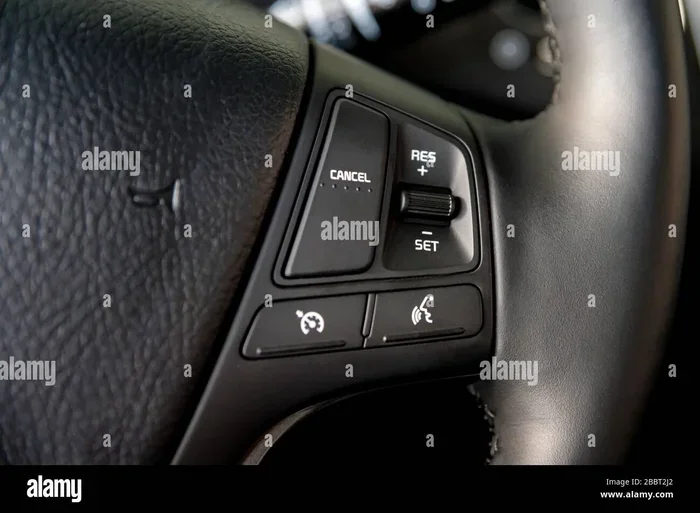
- Cruise control switch: Located on your steering wheel or column. You use it to set, resume, accelerate, and cancel cruise.
- Vehicle speed sensor: Monitors how fast your wheels are turning.
- Throttle actuator: Controls the throttle position electronically.
- Brake light switch: Tells the system when you are braking.
- Engine control module: Shares data with the cruise module to ensure smooth operation.
When you set cruise control at 65 mph, the system maintains that speed. It adjusts the throttle based on road grade, wind, and load. If you tap the brake or press the cancel button, the system disengages immediately.
How The System Disengages
Your cruise control can turn off in several ways:
- You press the brake pedal.
- You press the cancel button on the steering wheel.
- A sensor detects a fault in the system.
- The check engine light triggers a shutdown.
- The car’s computer enters a fail-safe mode.
Knowing these disengagement triggers helps you understand why cruise control disabled messages appear. Each one serves a safety purpose.
How To Reenable Cruise Control After It Disables
Now for the part you have been waiting for. How do you get your cruise control back? The method depends on the cause. Here is a step-by-step guide.
Step 1: Turn The Car Off And Back On
This simple trick fixes many electronic glitches. Turn the ignition off. Wait 30 seconds. Then turn it back on. The car’s computer resets. Many temporary faults clear up this way.
After restarting, try setting your cruise control again. If it works, the problem was likely a sensor hiccup. If not, move to the next step.
Step 2: Check The Brake Light Switch
Locate the brake light switch under the dashboard near the brake pedal. Unplug the electrical connector. Inspect it for corrosion or damage. Clean the contacts with electrical contact cleaner.
If cleaning does not help, replace the switch. It is a 10-minute job. Most parts cost under 30 dollars. After installing the new switch, your cruise control should work again.
Step 3: Check The Fuse Box
Find your fuse box. Refer to the diagram on the fuse box lid or your owner’s manual. Pull out the cruise control fuse. Inspect it visually. Replace it if the metal strip is broken.
Always replace a fuse with the same amperage rating. Using a higher-rated fuse can cause electrical damage.
Step 4: Clear Error Codes
Use an OBD-II scanner to check for error codes. Plug the scanner into the diagnostic port under your dashboard. Read the codes and look them up.
Common codes related to cruise control disabled include:
- P0500: Vehicle Speed Sensor Malfunction
- P0501: Vehicle Speed Sensor Range/Performance
- P0571: Cruise Control Switch A Circuit Low
- P0572: Cruise Control Switch A Circuit Low
- P1680: Cruise Control Disable Switch Malfunction
After fixing the underlying issue, clear the codes with your scanner. Drive the car and see if cruise control returns.
Step 5: Inspect The Throttle Body
Remove the air intake duct from the throttle body. Spray throttle body cleaner into the bore. Use a clean cloth to wipe away carbon buildup. Be careful not to damage the throttle plate.
After cleaning, let the engine idle for five minutes. The computer will relearn the idle settings. Your cruise control should work better after this.
Step 6: Visit A Mechanic
If none of these steps work, it is time for professional help. A certified mechanic has the tools and expertise to diagnose complex issues. They can test the throttle actuator, check wiring, and inspect the engine control module.
Adaptive Cruise Control: Extra Features, Extra Issues
Many newer cars come with adaptive cruise control or ACC. This system does more than traditional cruise control. It adjusts your speed based on the car ahead of you. It uses radar or cameras to maintain a safe following distance.
While ACC is a great feature, it adds complexity. More sensors mean more things that can go wrong. Common issues with adaptive cruise control include:
- Dirty radar sensors behind the front grille
- Camera obstruction from dirt or snow
- Software glitches in the ACC module
- Sensor calibration issues after windshield replacement
If your adaptive cruise control is not working, start by cleaning the sensors. A soft cloth and some glass cleaner can work wonders. If the problem persists, a dealer visit may be needed for recalibration.
The good news is that many adaptive cruise control issues are software-related. Dealers can often update the firmware with a simple flash. This fixes many mysterious problems without expensive parts.
Quick Tips To Keep Your Cruise Control Working
Prevention is always better than repair. Follow these simple tips to keep your cruise control system in top shape:
- Keep your brake lights working. Replace bulbs promptly when they burn out.
- Check brake fluid regularly. Top it off during routine maintenance.
- Clean the throttle body every 30,000 miles.
- Keep sensors clean. Wipe down the front of your car after driving through mud or snow.
- Address warning lights immediately. Do not ignore the check engine light.
- Replace fuses as needed. Do not bypass fuses with higher ratings.
- Follow your owner’s manual. It has specific maintenance schedules for cruise system components.
Common Mistakes Drivers Make With Cruise Control
Even experienced drivers make mistakes with their cruise control system. Here are a few to avoid:
Mistake 1: Ignoring the cancel button. Some drivers keep tapping the resume button when cruise is off. This does not help. You need to set the speed again from scratch.
Mistake 2: Using cruise control in heavy traffic. Cruise control is for steady-speed driving. It is not safe in stop-and-go traffic. Always be ready to take manual control.
Mistake 3: Neglecting warning signs. If your cruise control keeps disabling, do not just keep resetting it. Find the root cause. A small sensor problem can lead to bigger issues down the road.
Mistake 4: Forgetting about weather. Rain, ice, and snow can affect wheel speed sensors. Your cruise control may disable itself in slippery conditions. This is actually a safety feature. Let the system stay off until road conditions improve.
When To See A Professional Mechanic
Some problems are beyond DIY fixes. You should see a mechanic if:
- The check engine light is flashing, not just steady.
- Multiple warning lights are on at the same time.
- Your car hesitates or stumbles when cruise control is set.
- You have replaced the brake light switch and fuse, but cruise still does not work.
- The throttle actuator needs electronic testing.
- Your adaptive cruise control radar or camera needs recalibration.
A professional has access to advanced diagnostic tools. They can pinpoint problems that basic scanners miss. Trust your instincts. If something feels wrong, get it checked out.
Most mechanics charge between 75 and 150 dollars per hour for diagnostics. Many will waive the diagnostic fee if you have the repair done at their shop. Always ask for a clear estimate before any work begins.
The Cost Of Repairing Cruise Control Issues
The cost depends entirely on what is causing the problem. Here is a rough price breakdown:
- Brake light switch replacement: 50 to 150 dollars total.
- Fuse replacement: Under 5 dollars.
- Vehicle speed sensor: 100 to 300 dollars.
- Throttle body cleaning: 100 to 200 dollars at a shop.
- Throttle actuator replacement: 300 to 800 dollars.
- Adaptive cruise control recalibration: 150 to 400 dollars.
These costs vary by vehicle make and model. Luxury cars and European brands tend to cost more. Always get a second opinion if the estimate seems high.
Key Takeaways
- Brake light switch failure is the #1 reason cruise control gets disabled.
- A faulty vehicle speed sensor can shut off your cruise system entirely.
- You can often reset cruise control by turning the car off and back on.
- Low brake fluid or ABS warnings may also trigger cruise control shutdown.
- Knowing how to reenable cruise control saves time and money on dealer visits.
- Adaptive cruise control systems have additional sensors that can cause unique issues.
- Regular maintenance keeps your cruise control system running smoothly.
Conclusion
Now you know the answer to why is cruise control disabled. The reasons range from simple fixes like a blown fuse to more involved repairs like a bad speed sensor. The good news is that most problems are affordable and easy to solve.
Reenabling cruise control starts with identifying the root cause. Check the brake light switch first. Then move through the fuse box, sensors, and throttle body. If all else fails, a professional mechanic can help.
Your cruise control system is a valuable driving tool. It reduces fatigue on long trips and helps maintain steady speeds. Keeping it in good working order makes every drive better.
Do not ignore warning signs. Address cruise control problems quickly. Your wallet and your safety will thank you. Share this guide with a friend who is dealing with the same issue. Together, we can keep our cars running their best.
FAQs
Can I drive safely with cruise control disabled?
Yes, absolutely. Disabling cruise control just means you control your speed manually. It does not affect your brakes, steering, or engine. Drive safely by keeping your foot near the pedal and staying alert.
How do I know if my brake light switch is bad?
Check your brake lights first. If they do not come on when you press the pedal, the switch is likely faulty. You can also notice cruise control staying disabled even when you are not braking. A simple multimeter test can confirm the switch is bad.
Does cold weather affect cruise control?
Cold weather can sometimes cause temporary cruise control issues. Ice or moisture on wheel speed sensors can send false readings. Once the sensors dry off or warm up, cruise control usually works again. Always drive cautiously in winter conditions.
Can a dead battery cause cruise control to stop working?
Yes. A weak or dying battery can cause voltage drops that confuse your car’s computer. This may disable the cruise control system. If you notice other electrical problems alongside cruise control failure, check your battery first.
How often should I service my cruise control system?
There is no specific service interval for cruise control. However, cleaning the throttle body every 30,000 miles and checking brake fluid regularly helps. Address any warning lights promptly to keep the system in good shape.
Will disconnecting the battery reset cruise control?
Disconnecting the battery for 15 minutes can reset the car’s computer. This clears temporary error codes and resets sensor readings. After reconnecting, drive the car for a few minutes. Then try setting cruise control again. This fix works for many intermittent issues.