Why Does My Car Have Hubcaps And What Purpose Do They Serve
Hubcaps are more than just decorative covers. They protect your wheels from road debris, prevent corrosion, and boost your vehicle’s curb appeal. Understanding their purpose helps you make smart choices for maintenance and style.
Have you ever wondered why your car has those plastic or metal covers over the wheels? They’re called hubcaps, and they do much more than just look pretty. Hubcaps serve several important functions that protect your vehicle and enhance its appearance. Many drivers overlook them, but these simple covers play a big role in keeping your wheels in good shape.
They shield the wheel components from dirt, moisture, and road hazards. Without hubcaps, the lug nuts, wheel bearings, and rim edges would be exposed to constant wear. This can lead to costly repairs and premature aging of your wheels.
In this article, we’ll explore the many reasons your car has hubcaps and what purpose they serve. You’ll learn about protection, style, and practical benefits. By the end, you’ll understand why hubcaps are a smart investment for any vehicle.
Key Takeaways
- Protection: Hubcaps shield your wheels from road debris, rocks, and moisture that cause damage.
- Corrosion Defense: They act as a barrier against salt, water, and chemicals that lead to rust.
- Style Boost: Hubcaps enhance your car’s curb appeal and can mimic the look of expensive alloy wheels.
- Fuel Savings: By improving aerodynamics, they can contribute to better fuel efficiency.
- Resale Value: A clean, attractive set of hubcaps helps your vehicle look well-maintained and command a higher price.
- Easy Maintenance: Hubcaps are simple to clean and replace, making them a practical choice.
- Cost-Effective: They offer wheel protection at a fraction of the cost of full alloy wheels.
📑 Table of Contents
- Why Your Car Came With Hubcaps from the Factory
- The Basic Function of Hubcaps
- How Hubcaps Enhance Your Vehicle’s Appearance
- The Practical Benefits of Hubcaps
- Hubcaps vs. Alloy Wheels: What’s the Difference?
- Common Types of Hubcaps and How to Choose the Right One
- How to Maintain Your Hubcaps for Longevity
- Signs You Need New Hubcaps
- Conclusion
Why Your Car Came With Hubcaps from the Factory
When you bought your car, it already had hubcaps installed. Manufacturers include them for several smart reasons. First, they protect the wheels during shipping and early use on dealership lots. Second, they provide a finished look at a lower cost than alloy wheels. Third, they help meet basic aerodynamics and durability standards set by the automaker.
Most factory hubcaps are designed to be functional rather than flashy. They cover the steel wheel and keep the lug nuts and wheel bearings safe from everyday grime. Over time, aftermarket hubcaps have evolved to offer more style, but the original purpose remains the same. They are a practical way to give your car a clean, complete look right off the assembly line.
The Basic Function of Hubcaps
The most important job of hubcaps is protection. They act as a shield for your wheels, which are constantly exposed to harsh road conditions. Here is how they do it.
Protecting Your Wheels from Damage
Every time you drive, your wheels face rocks, gravel, and debris. These can chip the rim or scratch the surface. Hubcaps take the hit instead. They absorb the impact and keep your wheel rims looking new. They also protect the lug nuts from getting stripped or rusted. Lug nuts hold your wheel in place, so keeping them safe is critical.
In winter, road salt and sand are a big problem. Salt causes metal to rust quickly. Hubcaps cover the wheel arch and prevent salt from reaching the wheel bearings and rim. This simple cover can extend the life of your wheels by years. They also act as splash guards, stopping mud and water from spraying onto your paint or the car behind you.
Quick Tip: After driving on gravel roads, check your hubcaps for cracks. Small damage can let moisture in and speed up corrosion.
Keeping Dirt and Debris Out
Hubcaps seal the area around the wheel. They stop mud, water, and brake dust from getting inside the wheel assembly. Brake dust is a gritty substance that can corrode metal over time. Without hubcaps, this dust would settle on the wheel rim and brake components, making cleaning a chore.
With hubcaps, you just wipe the outside. The inner parts stay cleaner, which means less maintenance. This is especially helpful for people who drive in rainy or muddy conditions. Splash guards, which are sometimes part of hubcaps, also prevent water from spraying onto your paint or following cars. Keeping road debris out of the wheel arch helps your wheel alignment stay true longer.
How Hubcaps Enhance Your Vehicle’s Appearance
Hubcaps do more than protect; they also make your car look better. First impressions matter, and your wheels are one of the first things people notice. Here is how hubcaps boost your vehicle’s look.
Aesthetic Appeal and Customization
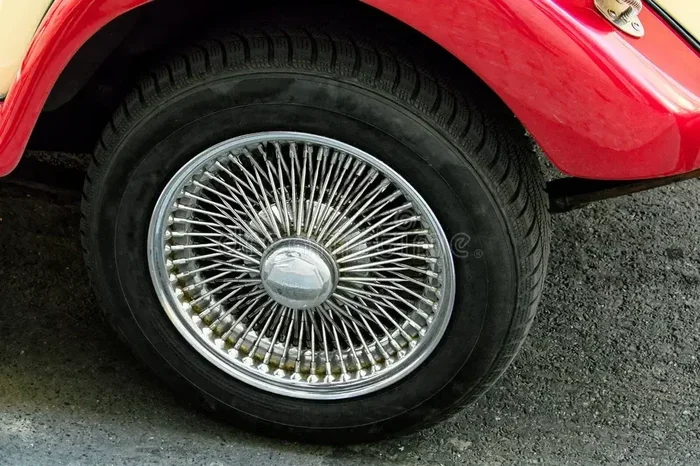
Hubcaps come in many styles, from sleek silver to flashy chrome. You can choose covers that match your car’s personality. Some hubcaps have a sporty design with bold lines, while others look elegant and classic. This allows you to customize your ride without spending a fortune on alloy wheels.
Decorative wheel covers can mimic the look of expensive alloy wheels. Many people cannot tell the difference from a distance. This gives your car a polished, high-end appearance. You can even swap hubcaps between vehicles to change the look quickly. Whether you prefer a clean, minimal style or a bold, chrome look, there is a set of wheel covers to match.
Expert Insight: “A good set of hubcaps can transform the entire front view of a car,” says automotive designer Mark Chen. “They frame the wheels and draw the eye.”
Resale Value and First Impressions
When you sell or trade in your car, buyers judge it by its details. Clean, matching hubcaps signal that the owner cared for the vehicle. They hide minor scratches or dents on the wheel rim. This can make a big difference in how much buyers are willing to pay.
Wheel aesthetics play a role in vehicle curb appeal. A car with shiny hubcaps looks newer and better maintained. In a competitive resale market, that extra polish can lead to a higher offer. Hubcaps are an easy and affordable way to boost your car’s resale value. They also help maintain vehicle aesthetics by covering worn or damaged wheel surfaces.
The Practical Benefits of Hubcaps
Beyond looks, hubcaps offer real-world advantages that save you money and time.
Corrosion Prevention and Rust Protection
Corrosion is a silent killer of wheels. Moisture, salt, and chemicals attack metal every day. Hubcaps create a barrier that keeps these elements away from the wheel’s surface. They protect the steel or aluminum rim from oxidation.
In coastal areas, salty air can cause rust even on new cars. Hubcaps with a durable finish act as a shield. They prevent the wheel arch from collecting moisture. This is a form of corrosion prevention that many drivers ignore. Keeping your wheels rust-free means fewer repairs and a longer lifespan for your tires and wheels. Regular corrosion prevention can save you hundreds of dollars in wheel replacement costs.
Quick Tip: Choose hubcaps with a powder-coated or chrome finish if you live near the ocean or use road salt frequently.
Improved Aerodynamics and Fuel Efficiency
You might not think hubcaps affect fuel economy, but they do. Smooth hubcaps reduce drag by smoothing the airflow around the wheel. Turbulence caused by open wheel spokes can lower your gas mileage. Aerodynamic wheel covers help the air flow more evenly, which improves fuel efficiency.
The effect is small, but over time it adds up. Fleet vehicles often use aerodynamic wheel covers for this reason. If you drive a lot, even a one percent improvement in fuel economy saves money. Hubcaps also help with wheel alignment stability by providing a uniform surface for the tire. Better alignment means even tire wear and a smoother ride.
Related concept: aerodynamic drag reduction. Hubcaps contribute to a smoother ride and less wind noise at highway speeds. They also help keep your tire pressure stable by shielding the valve stem from debris.
Hubcaps vs. Alloy Wheels: What’s the Difference?
Many people confuse hubcaps with alloy wheels. They are not the same thing. Understanding the difference helps you choose the right option for your car.
| Feature | Hubcaps | Alloy Wheels |
|---|---|---|
| What They Are | Covers that fit over steel wheels | One-piece metal wheel |
| Material | Plastic, metal, or chrome-plated | Aluminum or magnesium alloy |
| Weight | Lightweight | Heavier |
| Cost | Affordable ($30-$150 per wheel) | Expensive ($200-$500+ per wheel) |
| Protection | Excellent for wheel arch and lug nuts | Good, but spokes leave some parts exposed |
| Appearance | Can mimic alloy look | Premium, high-end look |
| Repairability | Easy to replace if damaged | Harder to repair; often need replacement |
| Maintenance | Easy to clean and swap | Requires polishing to maintain shine |
Hubcaps are the budget-friendly choice that offers great protection. Alloy wheels are better for performance and a luxury feel. Many drivers use hubcaps for daily driving and upgrade to alloys for show cars. Both serve the purpose of covering the wheel, but hubcaps do it more simply. Remember that hubcaps are not the same as wheel rims. The rim is the metal part the tire mounts on. The hubcap is the cover that goes over it.
Common Types of Hubcaps and How to Choose the Right One
Full-Cover vs. Partial Wheel Covers
Full-covers enclose the entire wheel face. They offer the best protection against road debris and moisture. They are ideal for harsh weather and rough roads. Partial covers, also called wheel covers, only cover the outer face of the wheel. They are lighter and often cheaper, but they leave the inner spokes exposed.
If you live in an area with heavy snow or lots of gravel, full-covers are a smart choice. If you want a sporty look and don’t mind a bit more cleaning, partial covers work well. Both types serve the basic purpose of hubcaps: protecting the wheel and enhancing looks. Full-covers also provide better wheel bearing protection by sealing out water and salt.
Material and Design Options
Plastic hubcaps are the most common. They are lightweight, affordable, and come in many colors. Metal hubcaps are more durable and have a premium feel. Chrome hubcaps add a shiny, luxurious touch. However, chrome can be hard to maintain and may show scratches easily. Plastic wheel covers are easy to replace and come in many designs, from simple silver to bold patterns.
When choosing hubcaps, consider your driving environment. If you drive in a coastal area, pick hubcaps with a corrosion-resistant finish. If you live in a city with clean roads, you can choose any style you like. Also, check the size. Hubcaps must match your wheel diameter and bolt pattern. Using the wrong size can cause them to fall off while driving. Always measure your steel wheels before buying new covers.
Quick Tip: Look for hubcaps with a secure retention system, such as clips or bolts. This prevents them from flying off on the highway.
How to Maintain Your Hubcaps for Longevity
Taking care of your hubcaps keeps them looking good and functioning well. Follow these simple steps.
- Clean them regularly: Use a mild soap and water. Avoid harsh chemicals that can scratch the finish.
- Check for loose clips: Vibrations can loosen hubcap clips. Inspect them every few months and tighten if needed.
- Remove ice carefully: In winter, avoid using sharp tools to scrape ice off hubcaps. Use a soft brush to prevent dents.
- Replace damaged hubcaps promptly: A cracked hubcap lets moisture in. Replace it right away to prevent wheel damage.
- Store spares safely: Keep a set of matching hubcaps in your trunk. This way you always have a backup.
With proper care, hubcaps can last for many years. They will continue to protect your wheels and keep your car looking sharp. Simple maintenance habits make a big difference in the life of your wheel covers.
Signs You Need New Hubcaps
Even with good care, hubcaps eventually wear out. Knowing the signs helps you replace them before they cause bigger problems.
Visible Damage and Loose Fits
Cracks, chips, or fading are clear signs that your hubcaps need replacing. If a hubcap wobbles or falls off, the retention clips are likely broken. Driving with a loose hubcap can damage the wheel or cause the cover to fly off at speed. Check your hubcaps every time you wash your car. Catching damage early keeps your wheels safe.
Corrosion and Rust Buildup
If you see rust forming around the edges of your hubcaps, it is time for new ones. Corrosion can spread to the wheel rim underneath. Rusty hubcaps also look unsightly and hurt your car’s curb appeal. Replacing them is a quick and inexpensive way to restore your vehicle’s appearance and protect the wheel.
Conclusion
Hubcaps are more than just decorative covers. They protect your wheels from road debris, prevent corrosion, and boost your vehicle’s curb appeal. They also improve aerodynamics and can even help with fuel economy. Whether you drive a basic sedan or a sporty SUV, hubcaps serve a vital purpose.
Next time you look at your wheels, remember that those simple covers are working hard for you. They keep your wheels safe, your car looking great, and your maintenance costs low. Understanding why your car has hubcaps helps you appreciate their value and take better care of your vehicle.
So, keep your hubcaps clean, replace them when needed, and enjoy the many benefits they bring. Your wheels will thank you.
Frequently Asked Questions
Do hubcaps really improve fuel efficiency?
Yes, to a small degree. Smooth hubcaps reduce aerodynamic drag around the wheel, which can slightly improve gas mileage. The effect is modest but real, especially for highway driving.
Can I put hubcaps on alloy wheels?
Generally, no. Hubcaps are designed to fit over steel wheels with a specific lip. Alloy wheels have a different design and do not have the lip needed to hold hubcaps securely. You would need full-covers that bolt on, but those are rare.
How often should I replace my hubcaps?
There is no set schedule. Replace them when they crack, become loose, or look severely worn. With proper maintenance, a good set of hubcaps can last 5 to 10 years or more.
Are hubcaps and wheel covers the same thing?
Yes, the terms are often used interchangeably. Both refer to covers that go over the wheel. Some people use “hubcap” for the small center cap and “wheel cover” for the full cover, but in common usage they mean the same thing.
Do hubcaps protect against pothole damage?
Hubcaps offer some protection, but they are not designed to absorb major impacts from potholes. They mainly shield the wheel from smaller debris and moisture. For pothole protection, proper tire inflation and suspension maintenance are more important.
Can I drive without hubcaps?
Yes, you can drive without hubcaps. Your car will still function normally. However, your wheels will be more exposed to damage, and the car may look less polished. It’s best to keep them on for protection and aesthetics.