How Much Does a Tint Job Cost on My Car Today 2025
How much does a tint job cost on my car depends on several key factors like film type, vehicle size, and where you live. In 2025, you can expect to pay anywhere from $100 for a basic DIY kit to $800 or more for a premium ceramic car window tinting job. This guide walks you through every cost factor so you know exactly what to budget before you start.
So you have been thinking about tinting your car. Maybe the sun beats down on your windshield every morning, or perhaps you just want a sleeker look. Whatever the reason, one question keeps popping up: how much does a tint job cost on my car? The truth is, there is no single price that fits everyone. The cost of car window tinting in 2025 can swing wildly based on the type of film you pick, the size of your vehicle, and whether you go the DIY route or hire a pro.
This guide breaks down every factor that influences automotive tint pricing. We will walk you through film types, average costs by vehicle, legal limits, and smart ways to save money. By the end, you will have a clear picture of what to expect and how to make the best decision for your budget and your ride.
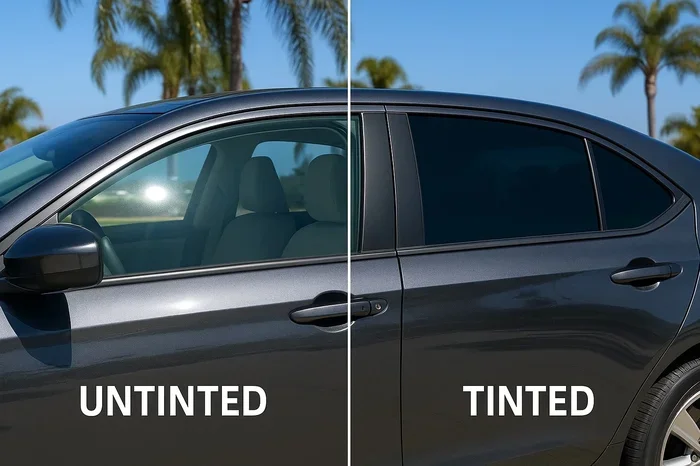
Car window tinting is one of the most popular car modifications out there. It blocks UV rays, reduces heat inside your cabin, adds privacy, and can even protect your interior from fading. But before you commit, it helps to understand what you are actually paying for. Let us dive into the details.
Key Takeaways
- Film type drives the price: dyed tint is cheapest, while ceramic tint costs the most but offers the best performance.
- Vehicle size matters a lot: sedans cost less to tint than SUVs, trucks, or vans because they have more glass.
- Professional installation costs more upfront: but it delivers better results and a longer tint warranty than DIY kits.
- Legal limits vary by state: always check your local car window tint laws before choosing a tint percentage.
- You can save money: by choosing the right film type, timing your install during off-peak seasons, and bundling services.
- Durability and heat rejection: are worth paying more for with higher-quality films like carbon and ceramic options.
- Maintenance extends the life: of your tint, so proper care after installation keeps your investment protected.
📑 Table of Contents
What Affects the Cost of a Car Tint Job
Several factors come into play when you are figuring out tinting a car price. Understanding these will help you make a smart choice and avoid surprises on the bill.
Type of Tint Film You Choose
The film you select has the biggest impact on cost. There are several types of window film on the market, and they vary widely in price and performance. Each type offers different levels of heat rejection, clarity, and tint durability. Here is a quick look at what is available:
- Dyed Tint Film: This is the most affordable option. It uses a layer of dye to block sunlight. It looks good and provides basic UV protection, but it can fade over time and offers less heat rejection than other options.
- Metalized Tint Film: This film contains tiny metal particles that reflect heat. It is more durable than dyed film and offers better heat rejection. However, it can interfere with radio and phone signals.
- Carbon Tint Film: Carbon film does not fade and does not block signals. It offers excellent heat rejection and a matte finish that many car owners love. The carbon tint price sits in the mid-range.
- Ceramic Tint Film: This is the top-tier option. Ceramic film blocks the most heat, provides excellent UV protection, and does not interfere with electronics. It is also the most expensive ceramic tint cost you will find.
Vehicle Size and Model
Your vehicle plays a big role in the final price. A compact sedan has far fewer windows than a full-size SUV or a pickup truck. More glass means more film and more labor time, which drives up the tinting a car price. Here is a simple breakdown:
- Compact Sedans: These have the least glass area. They are the cheapest to tint.
- Mid-Size Sedans and Hatchbacks: Slightly more glass, so the cost goes up a bit.
- SUVs and Crossovers: Larger side windows, bigger rear windows, and often a bigger rear windshield all add to the price.
- Trucks and Full-Size Vans: These have the most glass and the highest car window tint cost. Some vans can cost nearly double what a sedan costs to tint.
Where You Live
Your location matters more than you might think. Labor costs vary by region, and so do car window tint laws. In states with strict legal tint limits, you may need to pay more for specialty films that meet local regulations. Urban areas also tend to have higher installation prices simply because the cost of living is higher. If you live in a place with lots of sunshine, you might also want premium film for better heat rejection tint performance, which adds to the cost.
Average Tint Job Costs by Film Type
Now let us get into the numbers. These are average automotive tint pricing ranges you can expect in 2025. Keep in mind that prices can vary based on your location, the shop you choose, and the complexity of the installation.
Dyed Tint Film Pricing
Dyed tint is the budget-friendly choice for car window tinting. On average, a full dyed tint job for a standard sedan will cost between $100 and $250. For larger vehicles like SUVs and trucks, expect to pay $200 to $400. Dyed film is a great option if you want a clean look without spending much. However, keep in mind that dyed film may bubble or fade after a few years, which could mean you need to replace it sooner.
Carbon Tint Film Pricing
Carbon film strikes a nice balance between cost and performance. A full carbon tint job typically runs between $200 and $500 for a sedan. For SUVs and trucks, the range is usually $350 to $600. Carbon film does not fade, it does not interfere with your phone or radio signals, and it offers solid heat rejection. Many drivers consider this the sweet spot for window film cost and quality.
Ceramic Tint Film Pricing
If you want the best of the best, ceramic tint is the way to go. The ceramic tint cost is higher, but the performance is unmatched. A full ceramic tint job for a sedan can range from $400 to $800. For larger vehicles, expect $500 to $1,000 or more. Ceramic film blocks up to 99 percent of UV rays, rejects the most heat, and provides crystal-clear visibility. It also comes with the longest tint warranty, often lasting 10 years or more.
Quick Cost Comparison Table
Here is a side-by-side look at average costs for a full tint job on a standard sedan in 2025:
- Dyed Tint: $100 – $250
- Metalized Tint: $150 – $350
- Carbon Tint: $200 – $500
- Ceramic Tint: $400 – $800
Remember, these are just averages. Your actual cost may be higher or lower depending on the factors we discussed earlier.
Cost Breakdown by Vehicle Type
Not all vehicles are created equal when it comes to tint job cost. Here is a closer look at what you can expect for different types of vehicles.
Sedan Tinting Costs
Sedans are the most affordable vehicles to tint. They have four doors, a rear windshield, and a standard amount of glass. A basic dyed tint on a sedan can be done for as little as $100 at a budget shop. A premium ceramic job might run $600 or more. Most drivers find a solid carbon or metalized film in the $200 to $350 range to be the best value for a sedan.
SUV and Truck Tinting Costs
SUVs and trucks have more glass, which means more film and more labor. A full tint on a mid-size SUV typically costs between $250 and $550 for mid-range film. For trucks with large rear windows and sometimes a back windshield that extends into the tailgate, costs can climb to $600 or higher for premium films. If your truck has a panoramic sunroof, that adds another window to tint and another cost to consider.
Luxury and Specialty Vehicle Tinting Costs
Luxury vehicles and specialty cars can cost even more. Curved glass, panoramic roofs, and unique window shapes require more skill and more film. Some high-end vehicles with complex window designs can push the professional tint job cost well above $1,000. If you own a luxury or specialty vehicle, it is wise to get quotes from multiple shops before committing.
Legal Tint Laws You Need to Know
Before you spend a dime on car window tinting, you need to know the rules. Every state has its own car window tint laws, and they vary quite a bit. Some states allow very dark tint percentages on all windows, while others are much stricter.
Most states set a limit on how dark the rear window tint and side windows can be. The front windshield usually has the strictest rules, with many states only allowing a thin strip at the top. Medical exemptions exist in some states for people who need extra UV protection, but you will need a doctor’s note to qualify.
Here are some quick tips for staying legal:
- Check your state’s legal tint limits before you choose a film.
- Ask your installer about the tint percentage they recommend for your vehicle.
- Keep your tint receipt and certification sticker in the car. Some states require this.
- If you travel to other states, be aware that tint laws differ from place to place.
Getting caught with illegal tint can mean a fine, and you may be required to remove the film. So do your homework first. It will save you time, money, and headaches down the road.
DIY Tinting vs Professional Installation
This is one of the biggest decisions you will make when planning your tint job cost. Both options have pros and cons, and the right choice depends on your budget, your skill level, and how much you care about the final result.
DIY Tint Kits: What to Expect
DIY tint kit prices range from about $50 to $200 for a full set of window films. That sounds like a huge savings compared to professional installation. And it can be, if you do it right. But here is the catch: applying tint to car windows is harder than it looks. Bubbles, wrinkles, dust particles, and uneven edges are common problems for first-timers. If the job goes wrong, you may end up peeling the film off and starting over, which wastes both time and money.
DIY kits are a good choice for people who are patient, have a steady hand, and are willing to learn the process. Many online tutorials can walk you through the steps. But if you want a flawless finish, professional installation is hard to beat.
Professional Installation: What You Get
A professional tint job costs more, but you get a lot more in return. Professional installers have the right tools, the right environment, and years of experience. They use clean rooms or dust-free booths to prevent particles from getting trapped under the film. They also know how to handle curves, edges, and unique window shapes without bubbling or wrinkling.
Most professional installations come with a tint warranty that covers peeling, bubbling, and fading. This warranty alone can be worth the extra cost. If something goes wrong, the shop will fix it at no charge. With a DIY kit, you are on your own if anything goes sideways.
Some shops also offer lifetime warranties on certain film types, especially ceramic and high-end carbon films. This can give you real peace of mind and protect your investment for years to come.
How to Save Money on Your Tint Job
Tinting your car does not have to break the bank. There are several smart ways to keep costs down without sacrificing quality.
Choose the Right Film for Your Needs
You do not always need the most expensive film. If you live in a mild climate and mainly want UV protection and a bit of privacy, a dyed or metalized film might be all you need. Save the premium ceramic film for extreme heat or if you want the absolute best performance. Matching the film to your actual needs helps you avoid overspending.
Time Your Install Wisely
Tint shops tend to be busiest during spring and summer when everyone wants their car tinted before the hot weather hits. If you can schedule your install during the off-season, you may find lower prices and shorter wait times. Some shops also offer discounts during slower months to keep their schedules full.
Bundle Services
If you need other work done on your car, ask about bundling. Some shops offer a discount when you combine tinting with other services like paint protection, ceramic coating, or interior detailing. This can help you save on both the tint and the other services. Just make sure you are not paying for extras you do not actually need.
Get Multiple Quotes
Do not just go with the first shop you find. Get at least three quotes from different installers in your area. Compare not just the price but also the film brands they use, the warranties they offer, and their reputation. A slightly higher price from a reputable shop is often worth it for the quality and peace of mind you get.
Maintain Your Tint Properly
Taking care of your tint after installation helps it last longer, which means you will not need to pay for a replacement anytime soon. Wait at least a few days before rolling down your windows after a fresh install. Use a non-ammonia cleaner when you wash your windows, and avoid rough cloths that could scratch the film. If you are wondering about other aspects of car window care, learning about proper maintenance can also help. For instance, if you deal with foggy windows, there are simple solutions for defogging your car windshield that work well alongside tinted windows.
Also, remember that tinted windows need gentle care when it comes to washing. Just as you need to be careful with a wrapped car going through a carwash, tinted windows benefit from hand washing rather than automated systems that can be too harsh on the film edges.
Is a Tint Job Worth the Cost?
After looking at all the numbers, you might wonder if a tint job is really worth it. The answer is yes for most car owners. Here is why:
- UV Protection: Quality tint blocks up to 99 percent of harmful UV rays. This protects your skin and keeps your interior from fading and cracking.
- Heat Reduction: A good tint can reduce cabin temperatures by 30 to 50 percent. That means less reliance on your air conditioning, which can improve fuel economy over time.
- Privacy and Security: Tinted windows make it harder for people to see inside your car. This can deter thieves and give you more privacy when parked.
- Glare Reduction: Tint cuts down on sun glare and headlight glare from behind, making driving safer and more comfortable, especially on long trips.
- Cracked Glass Protection: In the event of an accident or a rock hitting your windshield, tint film can help hold shattered glass together, reducing the risk of injury.
When you look at the benefits this way, the tint job cost starts to look like a smart investment rather than just an expense. A good tint job can last 5 to 10 years or even longer with proper care, which means you get a lot of value for your money over time.
Final Thoughts
So, how much does a tint job cost on my car? The answer depends on your film choice, your vehicle, and your location. For most drivers in 2025, a quality car window tinting job will cost between $200 and $600. That is a reasonable price for a modification that improves comfort, safety, and style every single day you drive.
Take your time to choose the right film, find a reputable installer, and make sure you follow your local car window tint laws. Whether you go with a budget dyed film or invest in premium ceramic, the key is to make an informed decision. Your car, your windows, and your wallet will all thank you in the long run.
And remember, once your tint is on, proper care keeps it looking great for years. Treat it well, and it will return the favor every time you get behind the wheel.
Frequently Asked Questions
What is the cheapest way to tint a car?
The cheapest way is to buy a DIY tint kit and apply it yourself. Basic dyed film kits start at around $50 for a full set of windows. However, DIY application can lead to bubbles, wrinkles, and an uneven finish if you do not have experience. A professional dyed tint job for a sedan usually starts around $100 to $150, which is still very affordable.
How long does a car tint job last?
A professional tint job typically lasts between 5 and 10 years, depending on the film type and how well you care for it. Dyed film may last 3 to 5 years before fading, while carbon and ceramic films can last a decade or more. The tint warranty from your installer can give you a good idea of the expected lifespan for your specific film.
Can I tint my car windows myself?
Yes, you can, and many people do. DIY tint kits are widely available and much cheaper than professional installation. However, the process requires patience, a clean environment, and steady hands. If you are not careful, you may end up with bubbles, dust particles, or peeling edges that ruin the look and function of the tint.
What tint percentage is legal for front side windows?
This varies by state. Some states allow as low as 20 percent tint percentage on front side windows, while others require 70 percent or higher. The front windshield usually has the strictest rules, with most states only allowing a tinted strip at the top. Always check your local car window tint laws before purchasing film.
Does tinting a car reduce heat inside the cabin?
Yes, it does. Quality tint film can reduce cabin heat by 30 to 50 percent, depending on the type and quality of the film. Ceramic tint offers the best heat rejection tint performance, blocking a large portion of infrared energy from entering your car. This can make your vehicle much more comfortable on hot days and reduce your reliance on air conditioning.
Will tinting void my car warranty?
In most cases, no. Tinting your windows does not typically void your factory warranty. However, if the tint causes damage to the windows or other parts of the car, the manufacturer could potentially deny a related claim. To be safe, check your warranty terms and choose a reputable installer who uses quality window film that will not damage your glass.