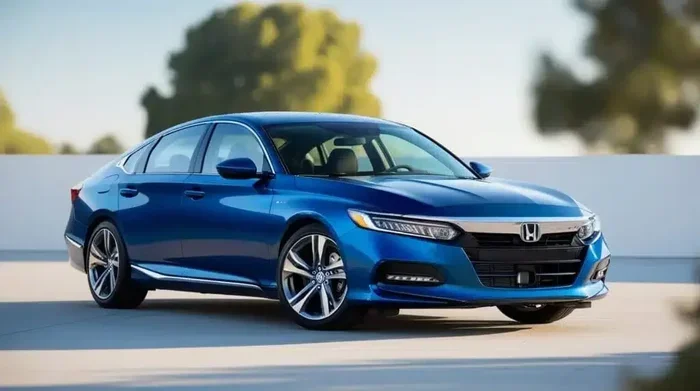
How Long Will a Honda Last Before Needing Major Work
So how long will a Honda last? Most Hondas deliver 200,000 to 300,000 miles with proper care, making them some of the most reliable cars on the road. Regular maintenance, smart driving habits, and timely repairs play a huge role in Honda longevity. This guide breaks down Honda lifespan by model, the factors that matter most, and practical tips to keep your Honda running strong for years.
Key Takeaways
- Honda longevity is impressive: Most Honda vehicles last 200,000+ miles with routine care.
- Regular maintenance is key: Staying on top of oil changes, fluid flushes, and timing belt replacements prevents costly repairs.
- Model matters: The Honda Civic, Accord, and CR-V are among the longest-lasting Honda models.
- Driving habits affect lifespan: Gentle driving, avoiding short trips, and proper warm-ups extend engine life.
- Honda resale value stays strong: Well-maintained Hondas hold their value better than most competitors.
- Hybrid Hondas offer extra durability: Honda hybrid systems are designed for long life and low wear.
- Know the common issues: Understanding Honda-specific problems helps you address them before they become major work.
📑 Table of Contents
- How Long Will a Honda Last Before Needing Major Work?
- Honda Models Known for Longevity
- What Affects Honda Lifespan?
- Honda Maintenance Schedule and Costs
- Common Honda Issues and How to Avoid Them
- Honda Resale Value and Long-Term Ownership
- Honda Hybrid Models and Their Lifespan
- Tips to Maximize Your Honda’s Lifespan
- Conclusion
How Long Will a Honda Last Before Needing Major Work?
If you own a Honda or are thinking about buying one, you probably wonder about Honda longevity. The good news is that Honda vehicles are built to last. Most Hondas easily reach 200,000 miles, and many push past 300,000 miles with proper care. This kind of Honda reliability is why the brand consistently ranks at the top of dependability lists.
But what does “lasting a long time” really mean? It depends on how you maintain your car, how you drive, and which Honda model you own. A well-cared-for Honda Civic can outlast a neglected Honda Pilot every single time. In this article, we will walk you through everything you need to know about Honda lifespan, from engine durability to maintenance schedules and common issues. Whether you drive a Honda or are considering buying one, this guide will help you get the most miles out of your investment.
We will cover Honda model reliability, ownership costs, and real-world tips that actual Honda owners swear by. You will learn what separates a Honda that reaches 200,000 miles from one that breaks down at 100,000. Let us dive in.
Honda Models Known for Longevity
Not all Hondas are created equal when it comes to lifespan. Some models have legendary track records for lasting well beyond 200,000 miles. Here are the Honda models that owners report as the longest-lasting.
Honda Civic
The Honda Civic is one of the most reliable compact cars ever made. Many Civic owners report crossing the 250,000-mile mark without major engine or transmission work. The Civic’s Honda engine durability is well-documented. Earlier generations, especially the 1996 to 2000 models, are famous for running well past 300,000 miles. Even newer Civics continue this tradition of solid build quality.
The Civic’s Honda mileage potential comes from a simple, efficient engine design. There are fewer complex parts to fail compared to larger vehicles. This simplicity is a big reason the Civic lasts so long.
Honda Accord
The Honda Accord is a midsize sedan with a reputation for lasting even longer than the Civic. Many Accord owners reach 300,000 miles with only routine maintenance. The Accord’s Honda longevity comes from a robust powertrain and solid frame construction.
Honda built the Accord with driver comfort and durability in mind. The engines are over-engineered for daily driving demands. This means they handle high mileage with ease. The Accord also benefits from strong Honda resale value, meaning even older models hold worth on the used car market.
Honda CR-V
The Honda CR-V is a compact SUV that shares many components with the Civic and Accord platforms. Owners frequently report 200,000 to 250,000 miles from a well-maintained CR-V. The Honda model reliability extends across the SUV lineup, making the CR-V a smart choice for families who want a vehicle that will last.
Honda Odyssey
The Honda Odyssey minivan is another model known for exceptional longevity. Families who put high mileage on their Odysseys often report 250,000+ miles. The V6 engine in older Odysseys is particularly durable. Even the newer inline-four engines in the current generation show strong Honda build quality.
What Affects Honda Lifespan?
So, how long will a Honda last? The answer depends on several key factors. Let us break them down so you understand what really matters.
Maintenance Habits
This is the single biggest factor in Honda lifespan. Cars that receive regular oil changes, fluid flushes, and timing belt replacements last far longer than neglected ones. Honda recommends specific Honda service intervals for every model. Following those intervals is the best thing you can do for your vehicle.
Skipping oil changes is the fastest way to shorten a Honda’s life. Engine oil lubricates moving parts and removes heat. Old, dirty oil loses its effectiveness. Over time, this leads to increased wear and eventually major engine damage.
Driving Style
How you drive directly impacts how long your Honda lasts. Aggressive driving, rapid acceleration, and hard braking put extra stress on the engine, transmission, and brakes. Gentle, steady driving reduces wear on every component.
Short trips are also hard on Hondas. The engine does not reach full operating temperature, which causes moisture to build up in the oil. Over time, this leads to sludge and accelerated engine wear. If you mostly drive short distances, consider extending your oil change intervals.
Climate and Environment
Where you live matters for Honda longevity. Cars driven in cold climates face more engine stress during startup. Salt and road chemicals accelerate rust and corrosion. Hot climates put extra strain on cooling systems and transmissions.
If you live in a harsh environment, pay extra attention to rust prevention and fluid checks. Washing your car regularly, especially the undercarriage, can prevent costly corrosion damage.
Fuel Quality
Using the right fuel makes a difference. Honda engines are designed to run on regular unleaded gasoline. Using premium fuel in a Honda that does not require it provides no real benefit. However, using low-quality fuel or contaminated gasoline can cause engine problems over time.
Timing Belt and Chain
The Honda timing belt is a critical component that requires scheduled replacement. Most Honda engines use a timing belt that should be replaced every 60,000 to 100,000 miles. Ignoring this replacement can lead to catastrophic engine failure. The cost of a timing belt service is small compared to the cost of a new engine.
Some newer Honda models use timing chains instead of belts. Timing chains are designed to last the life of the engine. However, they can still stretch over very high mileage. Regular inspections help catch chain issues early.
Honda Maintenance Schedule and Costs
Understanding Honda maintenance costs helps you plan for long-term ownership. Hondas are not the cheapest cars to maintain, but they are far from the most expensive. Here is what you can expect.
Routine Maintenance Costs
Standard maintenance for a Honda includes oil changes, tire rotations, brake inspections, and fluid top-offs. Most Honda owners spend between $200 and $400 per year on routine maintenance. This is below the industry average for comparable vehicles.
Oil changes for Hondas typically cost between $40 and $70 at a dealership or independent shop. Doing it yourself is even cheaper. Honda recommends synthetic oil for most models, which offers better protection and longer intervals between changes.
Major Service Milestones
At certain mileage points, Honda vehicles require more involved services:
- 60,000 miles: Spark plug replacement, brake fluid flush, and transmission fluid check.
- 90,000 miles: Coolant flush, drive belt inspection, and thorough suspension check.
- 100,000 miles: Timing belt replacement (if applicable), complete fluid flush, and major inspection.
- 150,000 miles: Fuel filter replacement, exhaust system inspection, and transmission service.
Staying on top of these milestones is the best way to avoid unexpected repairs. A well-maintained Honda will reward you with years of dependable service and lower Honda ownership costs overall.
Common Honda Repairs and Costs
Even reliable Hondas need repairs eventually. Here are some common issues and their approximate costs:
- brake pad replacement: $150 to $300 per axle.
- Alternator replacement: $400 to $600.
- Water pump failure: $400 to $700.
- Transmission service: $150 to $300.
- Timing belt replacement: $500 to $1,000.
These costs are reasonable for a vehicle that can last 200,000+ miles. Compared to the cost of buying a new car, maintaining a Honda is a smart financial decision.
Common Honda Issues and How to Avoid Them
Every car has its quirks, and Honda is no exception. Knowing the common issues helps you address them before they turn into major problems.
Transmission Concerns
Some Honda models, particularly older Accords and Odysseys, have experienced transmission wear over time. The Honda transmission life depends heavily on fluid maintenance. Regular transmission fluid changes every 60,000 to 80,000 miles keep the transmission healthy and responsive.
Warning signs of transmission trouble include slipping gears, rough shifting, and delayed engagement. If you notice any of these symptoms, get your Honda inspected right away. Early intervention prevents expensive transmission rebuilds.
Rust and Corrosion
Honda vehicles from certain years are prone to rust, especially in northern states where road salt is common. The undercarriage, wheel wells, and rocker panels are the most vulnerable areas. Regular washing and rust-proofing treatments help prevent corrosion.
Electrical Gremlins
Older Hondas sometimes develop electrical issues. Window regulators, power door locks, and dashboard lights can fail over time. Most electrical problems are minor and inexpensive to fix. Keeping connections clean and replacing worn components early prevents bigger headaches.
Check Engine Light Triggers
The check engine light can come on for many reasons in a Honda. Loose gas caps, oxygen sensor failures, and catalytic converter issues are common culprits. Getting a free diagnostic at a local auto parts store helps you identify the problem quickly. Ignoring the check engine light can lead to reduced fuel efficiency and increased Honda repair costs over time.
Honda Resale Value and Long-Term Ownership
One of the biggest advantages of owning a Honda is the strong resale value. Hondas depreciate more slowly than most competitors. A well-maintained Honda retains a larger percentage of its original value compared to other brands.
This matters whether you plan to keep your Honda for 20 years or sell it after 5 years. Buyers trust the Honda name for reliability. They know that a used Honda with high mileage is often a better buy than a newer model from a less dependable brand.
If you are considering does leasing a car affect your credit, it is worth noting that Honda leases are popular and can be a good option for drivers who want a new vehicle every few years. Leasing does not build equity, but it allows you to enjoy a Honda without the long-term commitment of ownership.
For those who prefer to own outright, the long Honda lifespan means you can drive the car payment-free for many years after paying it off. This is one of the best financial benefits of buying a reliable Honda and keeping it long-term.
Honda Hybrid Models and Their Lifespan
Honda has invested heavily in hybrid technology over the past decade. Models like the Honda Civic Hybrid, Accord Hybrid, and CR-V Hybrid offer excellent fuel efficiency and strong reliability. But how does the hybrid system affect overall Honda longevity?
Honda hybrid systems are designed for durability. The electric motor assists the gasoline engine, reducing wear on the engine during low-speed driving. This means the gasoline engine experiences less stress over time, potentially extending its life.
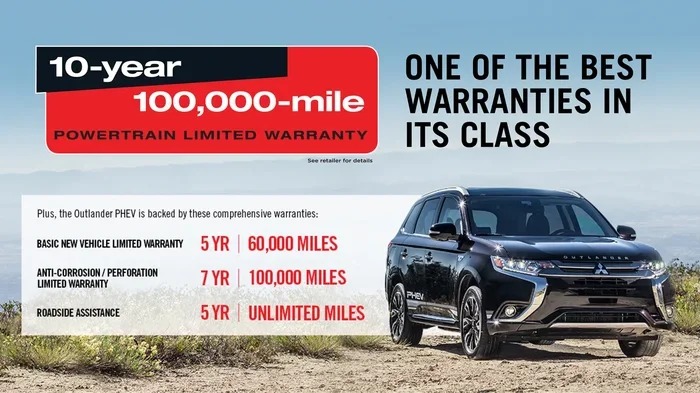
Many Honda hybrid owners report mileage well beyond 200,000 miles. The hybrid battery is designed to last the lifetime of the vehicle. Honda also offers a Honda powertrain warranty that covers hybrid components for an extended period, giving owners peace of mind.
If you are wondering whether a hybrid can run without gas, the answer is no. Honda hybrids still require gasoline to operate. The electric motor assists the engine but cannot power the car independently for extended distances. However, the hybrid system does reduce overall fuel consumption and engine wear.
Charging a Honda hybrid is simple. Unlike plug-in hybrids, standard Honda hybrids recharge their batteries through regenerative braking and the gasoline engine. You do not need to plug in a standard Honda hybrid, which makes ownership convenient and hassle-free.
Tips to Maximize Your Honda’s Lifespan
Want to make sure your Honda lasts as long as possible? Here are practical tips that every Honda owner should follow.
Follow the Maintenance Schedule
Stick to the maintenance schedule in your Honda owner’s manual. Do not skip oil changes, fluid flushes, or scheduled inspections. Each service item exists for a reason. Skipping services saves a little money now but costs much more later.
Drive Gently
Avoid rapid acceleration and hard braking whenever possible. Gentle driving reduces wear on the engine, transmission, brakes, and tires. Your Honda will thank you with extra miles of service.
Address Small Problems Early
Do not ignore warning signs. Unusual noises, fluid leaks, and performance changes are your Honda telling you something is wrong. Early diagnosis and repair prevent small issues from becoming expensive major work.
Keep It Clean
Regular washing protects your Honda’s exterior and undercarriage from rust and corrosion. Clean the interior regularly to prevent wear on seats, carpets, and dashboard components. A clean car is a well-cared-for car.
Store It Properly
If you have a Honda that sits for long periods, take steps to protect it. Use a battery maintainer, keep the fuel tank full to prevent condensation, and occasionally drive the car to keep all systems functioning properly.
Use Quality Parts and Fluids
Always use recommended fluids and quality replacement parts. Cheap parts may save money upfront but often fail sooner, leading to more repairs down the road. Honda genuine parts are designed specifically for your model and deliver the best fit and performance.
Conclusion
So, how long will a Honda last before needing major work? The answer is clear. With proper care, most Honda vehicles deliver 200,000 to 300,000 miles of reliable service. The key to Honda longevity lies in consistent maintenance, smart driving habits, and addressing small issues before they grow.
Honda has earned its reputation for reliability through decades of solid engineering. Models like the Civic, Accord, CR-V, and Odyssey continue to prove that Honda vehicles are built to last. Whether you drive a gasoline Honda or a Honda hybrid, the fundamentals of long life remain the same.
Follow the maintenance schedule, drive gently, and treat your Honda with care. Your Honda will reward you with years of dependable service and strong resale value. A Honda is not just a car, it is a long-term investment in mobility and peace of mind.
Start applying these tips today and enjoy the benefits of owning one of the most reliable vehicles on the road. Your future self will thank you when your Honda keeps running strong well past the 200,000-mile mark.
If you are a Honda owner who wants to take your DIY skills further, check out our guide on Can I Program A Key Fob Myself to learn more about maintaining your Honda’s electronics. For hybrid owners, we also explain whether Can A Hybrid Run Without Gas and how to properly charge a hybrid system in our article on Can You Charge A Hybrid Car.
Frequently Asked Questions
How many miles can a Honda engine last?
A well-maintained Honda engine can last 250,000 to 300,000 miles or more. Honda engines are known for their durability and over-engineered construction. Regular oil changes and timely maintenance are the biggest factors in reaching these high mileage milestones.
What is the average Honda lifespan in years?
Most Hondas last between 15 and 20 years with proper care. The average driver puts about 12,000 to 15,000 miles per year, which means a Honda can easily reach 200,000 miles within 15 years. Some owners push their Hondas well beyond 20 years of service.
Do Hondas need a lot of maintenance?
Hondas require standard maintenance like any other vehicle. Oil changes, brake inspections, and fluid flushes keep a Honda running smoothly. The maintenance costs are reasonable and generally lower than many competing brands. Staying on top of the schedule prevents expensive repairs.
Which Honda model lasts the longest?
The Honda Accord and Honda Civic are the longest-lasting Honda models. Both have documented cases of reaching 300,000 miles or more. The Honda Odyssey and CR-V also show strong longevity with proper care and maintenance.
Is it worth keeping a Honda past 100,000 miles?
Absolutely. Hondas are designed to handle high mileage with minimal issues. A Honda past 100,000 miles still has many years of reliable service ahead. The key is staying current with maintenance and addressing any small problems before they escalate.
How does a Honda hybrid battery last over time?
Honda hybrid batteries are designed to last the lifetime of the vehicle. Most Honda hybrid owners never need to replace their hybrid battery. The battery is covered under Honda’s powertrain warranty, which provides extra peace of mind for long-term hybrid owners.
=== META TITLE ===
How Long Will a Honda Last Before Needing Major Work
=== URL SLUG ===
how-long-will-a-honda-last-before-major-work
=== SEO TITLE ===
How Long Will a Honda Last Before Needing Major Work