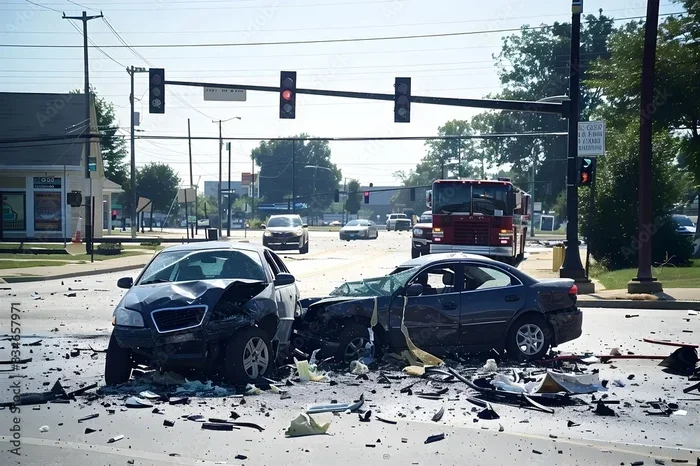
Does Liability Insurance Cover My Car If I Hit Someone
Liability insurance does not cover damage to your own car if you hit someone. It covers the other person’s injuries and property damage. Your car repairs need collision coverage or another policy type. Understanding what your auto insurance policy covers after an at-fault accident can save you from unexpected bills and confusion.
Getting into a car accident is stressful enough without worrying about money. If you hit someone, your first thought might be about your car. Will your insurance pay for the damage? The answer depends on the type of coverage you carry. Liability insurance is the most common auto insurance policy in the United States, but it does not work the way many people think.
Most drivers assume their insurance covers everything. That is not true. Liability coverage pays for the other person’s costs, not yours. If you want your car fixed, you need a different type of protection. This guide breaks down exactly what liability insurance covers, what it does not cover, and what you should do after an accident. Let us walk through it together.
Key Takeaways
- Liability insurance covers others, not you: It pays for the other driver’s injuries and property damage when you are at fault.
- Your car is not covered by liability alone: You need collision coverage to repair your own vehicle after an accident.
- Bodily injury and property damage are separate: Liability splits into two parts, each with its own limits.
- Filing a claim can raise your rates: An at-fault accident often leads to higher insurance premiums.
- Additional coverage helps: Uninsured motorist and collision coverage fill gaps that liability leaves behind.
- Know your state’s minimums: Each state sets its own required liability limits, and they may not be enough.
- Act quickly after an accident: Reporting and filing promptly protects your rights and your wallet.
📑 Table of Contents
- What Is Liability Insurance and How Does It Work?
- Does Liability Insurance Cover Your Car When You Hit Someone?
- What Does Liability Insurance Actually Pay For?
- What Happens to Your Car After an At-Fault Accident?
- How to File a Claim When You Hit Someone
- How to Protect Yourself Beyond Liability Coverage
- Common Mistakes Drivers Make After Hitting Someone
- Key Takeaways
What Is Liability Insurance and How Does It Work?
Liability insurance is a type of auto insurance that pays for damage you cause to others. It is the most basic form of car insurance. Almost every state requires drivers to carry at least some liability coverage. But what does it actually do?
When you cause an accident, liability insurance steps in to help the other party. It does not help you. Think of it as protection for the other person, not for you. This is a key point that many drivers miss.
Bodily Injury Liability Coverage
This part of your policy pays for the other person’s medical bills if you hit them. It covers hospital stays, doctor visits, and lost wages. It can also help if the other person decides to sue you. Each state sets its own minimum bodily injury liability limits. These limits are often quite low.
For example, a state might require $25,000 per person and $50,000 per accident. If the other person’s medical bills exceed that amount, you are responsible for the rest. This is why many experts recommend buying more than the minimum.
Property Damage Liability Coverage
This part pays for damage you cause to someone else’s property. If you hit their car, their fence, or their mailbox, property damage liability covers the repair costs. Again, state minimums apply. A common minimum is $25,000 per accident.
But what if you hit a luxury car? The repair costs could easily exceed $25,000. That is where you would need to pay out of pocket. Understanding your property damage liability limits is essential before you get behind the wheel.
Does Liability Insurance Cover Your Car When You Hit Someone?
The short answer is no. Liability insurance does not cover damage to your own vehicle. If you hit another car, person, or object, liability insurance pays for their losses. It does not pay for your car repairs, your medical bills, or your lost wages.
This is a common misunderstanding. Many drivers believe that because they carry liability insurance, they are fully protected. That is simply not the case. Liability coverage is designed to protect other people from your mistakes, not you.
If your car gets damaged in an accident you caused, you have a few options:
- Collision coverage pays for repairs to your car regardless of who is at fault.
- Your state’s no-fault insurance system may cover some of your medical costs, but not your car.
- Pay out of pocket if you do not have collision coverage.
- File a claim with the other driver’s insurance if they were partially at fault.
Some drivers wonder if they can keep their car after an accident if they are facing financial trouble. The answer depends on many factors, including your insurance coverage and your financial situation.
What Does Liability Insurance Actually Pay For?
Liability insurance covers three main areas when you hit someone. Understanding each one helps you know what to expect after an accident.
Other Driver’s Medical Expenses
If you hit someone and they get injured, your bodily injury liability coverage pays for their medical treatment. This includes emergency room visits, surgeries, physical therapy, and even funeral costs in the worst cases. It also covers lost income if they cannot work while recovering.
Keep in mind that this coverage has limits. If the other person’s bills go over your limit, you must pay the difference. This is why higher limits are always a smart choice.
Other Driver’s Vehicle Repairs
Your property damage liability coverage pays to fix the other person’s car. If you rear-end someone and damage their bumper, taillights, and frame, your insurance pays for those repairs up to your limit.
What if the damage exceeds your limit? You would need to pay the remaining balance yourself. This is a real risk, especially with newer or luxury vehicles.
Other Property Damage
It is not just cars. If you hit a building, a utility pole, or someone’s garden, your property damage liability coverage applies. The insurance pays for the damage to that property up to your policy limit.
| Coverage Type | What It Pays For | Does It Cover Your Car? |
|---|---|---|
| Bodily Injury Liability | Other person’s medical bills and lost wages | No |
| Property Damage Liability | Other person’s car and property repairs | No |
| Collision Coverage | Your car repairs after an accident you cause | Yes |
| Comprehensive Coverage | Non-accident damage like theft or weather | Yes |
| Uninsured Motorist Coverage | Your costs when the other driver has no insurance | Yes (depending on state) |
As you can see, liability insurance only covers the other party. It never pays for your own vehicle or injuries. This is the most important thing to remember.
What Happens to Your Car After an At-Fault Accident?
Being at fault in an accident has consequences. Your car may need repairs, and you may face financial responsibility for the other party’s costs. Here is what typically happens.
First, you file a claim with your insurance company. Your liability coverage pays for the other person’s injuries and property damage. But your car? That is a different story.
If you have collision coverage, your insurance pays for your car repairs minus your deductible. If you do not have collision coverage, you pay for everything yourself. Some drivers choose to drop collision coverage to save money on their insurance premium. This can be a risky move.
In some cases, your car may be totaled. If the repair costs exceed the car’s value, the insurance company declares it a total loss. Without collision coverage, you get nothing to replace your vehicle.
After an accident, you might also wonder about practical matters. For instance, if your car is disabled at the scene, you may need to arrange for a tow. Knowing your rights about towing can help you avoid unfair charges during a stressful time.
Will Your Insurance Rates Go Up?
Most likely, yes. An at-fault accident almost always leads to a rate increase. Insurance companies view at-fault drivers as higher risk. The increase can last for three to five years. Some companies offer accident forgiveness programs, but these usually require a clean driving record and a qualifying policy.
Filing a claim with your own insurance is different from a third-party claim. A third-party claim means the other driver files against your liability coverage. A first-party claim means you file against your own policy. Both can affect your rates, but a first-party claim (like a collision claim) often has a bigger impact.
How to File a Claim When You Hit Someone
Knowing the steps to take after an accident can make a big difference. Here is a simple guide to follow.
- Check for injuries. Make sure everyone is safe. Call 911 if anyone is hurt.
- Move to a safe location. If possible, pull over and turn on your hazard lights.
- Exchange information. Get the other driver’s name, insurance details, and license plate number.
- Document the scene. Take photos of all vehicles, damage, and the surrounding area.
- Report the accident. Call your insurance company as soon as possible. Most policies require prompt reporting.
- Cooperate with the investigation. Provide honest and accurate information to your insurer.
Do not admit fault at the scene. Let the insurance companies and police determine who is responsible. Even a simple apology can be used against you later.
After the accident, you may face decisions about your vehicle. If the damage is significant and you still owe money on your car loan, you might wonder if you can sell a damaged car without a title. This is a complex situation that often depends on your lender and your insurance payout.
Understanding the Claim Process
The claim process starts with your insurance adjuster reviewing the details. They assess the damage, determine fault, and decide how much to pay. The adjuster contacts the other driver and gathers their version of events.
Once fault is established, your liability coverage pays up to your policy limits. If the other driver’s costs exceed your limits, they may pursue you personally for the remaining amount. This is called a lawsuit, and it can result in wage garnishment or asset seizure.
How to Protect Yourself Beyond Liability Coverage
Liability insurance is a starting point, but it is not enough on its own. Adding extra coverage protects both you and your car. Here are the most important add-ons to consider.
Collision Coverage
Collision coverage pays for damage to your car after an accident you cause. It also covers single-vehicle accidents, like hitting a tree or a guardrail. You pay a deductible, and your insurance covers the rest up to your car’s actual cash value.
This coverage is especially important if you have a newer car or a car loan. Lenders usually require collision coverage until the loan is paid off. Without it, you are financially exposed.
Comprehensive Coverage
Comprehensive coverage handles non-accident damage. This includes theft, vandalism, fire, flooding, and falling objects. It also covers damage from animals, like a deer collision.
Comprehensive coverage works alongside collision coverage to give you full protection for your vehicle. Together, they form what many people call “full coverage.”
Uninsured Motorist Coverage
What if the person you hit has no insurance? Or what if someone hits you and has no insurance? Uninsured motorist coverage steps in to fill that gap. It pays for your medical bills and car repairs when the other driver cannot.
Some states require this coverage. Others make it optional. Either way, it is a smart addition to any policy.
Underinsured Motorist Coverage
This is similar to uninsured motorist coverage but applies when the other driver has insurance that is not enough to cover your costs. For example, if they have the state minimum of $25,000 and your medical bills are $75,000, underinsured motorist coverage pays the difference.
Adding these coverages can be affordable. The extra cost is small compared to the financial protection you receive. Many drivers find that the peace of mind is well worth it.
Medical Payments Coverage
Also known as MedPay, this coverage pays for your medical expenses after an accident, regardless of fault. It covers ambulance rides, hospital stays, and doctor visits. It does not cover your car, but it does protect your health.
If you hit someone and get injured in the process, MedPay ensures you are not stuck with medical bills. This coverage is especially valuable if you do not have health insurance.
Common Mistakes Drivers Make After Hitting Someone
After an accident, emotions run high. People make mistakes that can cost them money and legal trouble. Here are the most common errors to avoid.
- Leaving the scene: Hit-and-run is a serious crime. Always stop and exchange information.
- Admitting fault: Let the evidence and the insurance companies decide who is at fault.
- Not calling the police: A police report creates an official record of the accident.
- Skipping medical evaluation: Some injuries do not show symptoms right away. Get checked out.
- Waiting too long to file a claim: Most insurance policies have strict deadlines for reporting.
- Assuming liability covers everything: As we have covered, liability does not cover your own car or injuries.
Avoiding these mistakes protects your finances and your legal standing. If you are ever unsure about what to do, contact your insurance agent or a legal professional for guidance.
Key Takeaways
Liability insurance covers the other person, not you. It pays for their medical bills and property damage when you cause an accident. It does not cover your car repairs, your medical costs, or your lost wages.
If you want protection for your own vehicle, you need collision coverage. If you want protection for your own injuries, consider MedPay or personal injury protection. And if you want protection from drivers without enough insurance, uninsured and underinsured motorist coverage are essential.
The best approach is a combination of coverages that match your needs and budget. Review your policy regularly. Make sure your limits are high enough to protect your assets. And always know what your policy covers before an accident happens.
Being prepared makes all the difference. A few extra dollars in premiums each month can save you thousands of dollars after an accident. Take the time to understand your coverage today. It is one of the smartest financial decisions you can make as a driver.
Frequently Asked Questions
Does liability insurance cover my car if I hit a parked car?
No. Liability insurance pays for the other person’s damaged car, not yours. If you hit a parked car and you are at fault, your property damage liability coverage pays for their repairs. Your own car damage would need collision coverage to be repaired.
What happens if I hit someone and only have liability insurance?
Your liability coverage pays for the other person’s injuries and property damage up to your policy limits. Your own car damage and medical bills are not covered. You would need to pay for those costs out of pocket or through other coverage like collision or MedPay.
Will my insurance cover me if I hit a pedestrian?
Yes, your bodily injury liability coverage pays for the pedestrian’s medical expenses. Your property damage liability may also apply if you damage their personal property. However, your own injuries and car damage would not be covered by liability alone.
How much liability insurance should I carry?
Many experts recommend at least $100,000 per person and $300,000 per accident for bodily injury, and $100,000 for property damage. These limits are higher than most state minimums and provide better financial protection. The right amount depends on your assets and risk tolerance.
Can I drive my car after an accident if the airbag deployed?
You should not drive a car with a deployed airbag until it has been properly repaired. The airbag system is a critical safety feature. Have your vehicle towed to a repair shop and let a professional assess the damage. If you are dealing with a disabled vehicle at the scene, you may need to arrange for towing services.
Does hitting someone with your car affect your credit score?
Not directly. However, if you cannot pay for damages or medical bills, the resulting collections or judgments can hurt your credit. Also, if you lease or finance your car, missed payments after an accident could impact your credit score over time.
=== CONCLUSION ===
Liability insurance does not cover your car if you hit someone. It is designed to protect the other person, not you. This is a fact that every driver should understand before getting behind the wheel. If you want your own vehicle covered, you need collision or comprehensive coverage.
The right insurance setup gives you peace of mind. You know that no matter what happens, you are protected. Review your policy today. Ask your agent about adding coverage you might be missing. A few minutes now can save you from serious financial trouble later.
Drive safely, stay insured, and always know what your policy covers. Your future self will thank you.