Does Your Car Insurance Cover Theft of Personal Items
Most standard car insurance policies do not cover theft of personal items from your vehicle. However, if you have comprehensive coverage, your auto policy may help cover damage to your car from a break-in, but your personal belongings usually need separate protection through renters insurance or homeowners insurance. Understanding the gap between auto coverage and personal property protection is essential for every car owner.
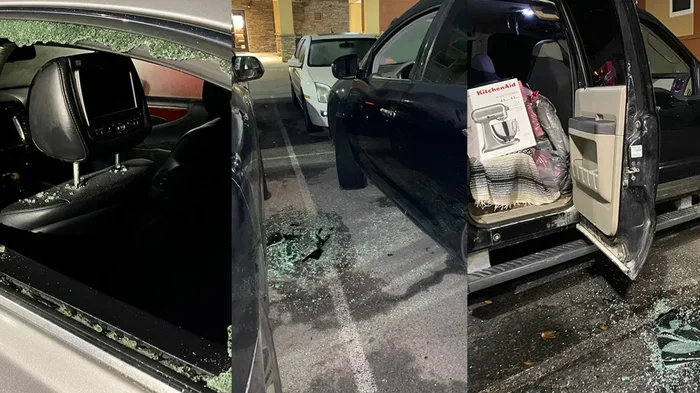
You walk out to your parked car and notice the back window is shattered. Your backpack, laptop, and headphones are gone. Your heart sinks. The first question that hits your mind is simple: does your car insurance cover theft of personal items?
The answer is not as straightforward as you might hope. Car insurance is designed primarily to protect your vehicle, not the stuff inside it. But the full picture is more nuanced than a simple yes or no. Your coverage type, the policy details, and even the state you live in all play a role in what gets paid after a theft.
This article breaks down everything you need to know. We will explore what your auto policy covers, where the gaps are, and what you can do to protect your belongings. Whether you have been a victim of theft or want to prevent it, this guide has you covered.
Key Takeaways
- Standard car insurance does not cover personal items: Your auto policy focuses on the vehicle, not the belongings inside it.
- Comprehensive coverage helps with car damage: It covers repairs from break-ins but not the stolen items themselves.
- Renters or homeowners insurance fills the gap: These policies typically cover personal property theft, even outside your home.
- Filing a police report is essential: Insurance companies require proof of theft before processing any claim.
- Keep receipts and inventory your belongings: Documentation makes the claims process faster and smoother.
- Prevention is the best protection: Simple habits like removing valuables can save you from financial loss.
📑 Table of Contents
- What Does Car Insurance Actually Cover?
- Why Car Insurance Does Not Cover Personal Items
- What Coverage Protects Your Stolen Belongings?
- How to File a Claim for Stolen Personal Items
- How Much Can You Expect to Receive?
- Common Mistakes People Make After a Car Theft
- How to Protect Your Personal Items in Your Car
- When Does Car Insurance Cover Theft of the Vehicle Itself?
- Does Comprehensive Coverage Cover Vandalism Too?
- The Role of Uninsured Motorist Coverage in Theft Situations
- Expert Insights on Protecting Your Car and Belongings
- Key Takeaways to Remember
- Conclusion
What Does Car Insurance Actually Cover?
Understanding what your car insurance covers starts with knowing the different types of coverage. Most drivers carry a mix of coverage types, and each one serves a different purpose. Let us break them down.
Liability Coverage
Liability coverage is the most basic type of car insurance. It pays for damage or injuries you cause to other people in an accident. This coverage does not cover your car, your belongings, or theft. If someone steals your personal items from your car, liability coverage will not help you at all.
Collision Coverage
Collision coverage pays for damage to your car from a crash, regardless of who is at fault. It covers repairs or total loss from accidents. But collision coverage does not extend to theft of personal items. It is strictly about vehicle damage from collisions.
Comprehensive Coverage
Comprehensive coverage is the closest thing to theft protection for your car. It covers damage to your vehicle from non-collision events. These include theft of the car itself, vandalism, fire, flooding, and falling objects. If a thief breaks your window to steal your car radio, comprehensive coverage may pay for the window repair and the stolen radio.
However, comprehensive coverage does not cover items that were inside the car at the time of theft. Your laptop, phone, camera, and backpack fall outside the scope of auto comprehensive coverage. This is a common point of confusion for many drivers.
Why Car Insurance Does Not Cover Personal Items
Car insurance companies view your vehicle and your personal belongings as two separate categories. The auto policy protects the car as a property asset. Your personal items are considered separate property that belongs to you, not the vehicle.
Think of it this way. When you buy car insurance, you are insuring the metal, glass, and mechanical parts of your car. You are not insuring the clothes in your trunk or the groceries in your back seat. Insurance companies set these boundaries to keep premiums manageable and policies clear.
There is also a practical reason. Personal items can be difficult to value. How much is your old backpack worth? What about the collection of CDs in your glove box? Assigning value to every item in a car would make claims processing incredibly complex.
The Gap Between Auto Coverage and Personal Property
This gap is where many people get caught off guard. You pay your premium every month, feel protected, and then face a theft only to discover your belongings are not covered. The insurance claim process for auto policies focuses on vehicle damage, not personal property loss.
This is why many financial experts recommend carrying renters insurance or homeowners insurance. These policies include personal property coverage that extends beyond your home. They can cover items stolen from your car, your apartment, or even while you are traveling.
What Coverage Protects Your Stolen Belongings?
If car insurance does not cover personal items, what does? The answer lies in other types of insurance policies that you may already have or should consider adding.
Renters Insurance
Renters insurance is one of the best tools for protecting personal items. It is affordable, typically costing between $15 and $30 per month. Renters insurance covers personal property theft, whether it happens in your apartment, hotel room, or inside your car.
Most renters insurance policies include off-premises coverage. This means your belongings are protected even when they are not inside your home. If someone breaks your car window and steals your gym bag, renters insurance can help replace those items.
Homeowners Insurance
If you own a home, your homeowners insurance policy likely includes personal property coverage. This works similarly to renters insurance. It covers theft of your belongings from most locations, including your vehicle. Check your specific policy details, as some policies have limits on off-premises coverage.
Scheduled Personal Property Floater
For high-value items like cameras, jewelry, or musical instruments, standard policies may not provide enough coverage. A scheduled personal property floater is an add-on that provides extra protection for specific expensive items. You list the item, provide proof of value, and pay a small additional premium. This ensures full coverage even for theft from your car.
How to File a Claim for Stolen Personal Items
If your belongings have been stolen from your car, you need to act quickly. The claims process requires several steps, and missing one can delay or deny your payout.
Step 1: File a Police Report
The first and most important step is to file a police report. Go to your local police station or call the non-emergency line. Provide as much detail as possible, including the time, location, and list of stolen items. Insurance companies almost always require a police report before they will process a theft claim.
Step 2: Document Everything
Take photos of the damage to your car. Capture the broken window, any forced entry points, and the empty space where items were stolen. Write down a detailed list of everything that was taken. Include brand names, model numbers, purchase dates, and estimated values.
Step 3: Gather Proof of Ownership
Insurance companies need proof that the items actually belonged to you and had value. Keep receipts, bank statements, and credit card records. If you do not have receipts, photos of the items, serial numbers, or even social media posts showing the items can serve as evidence.
Step 4: Contact Your Insurance Company
Call your insurance provider as soon as possible. Report the theft and ask about the specific claims process for personal property. Your agent will guide you through the required forms and documentation. Be honest and thorough in your description of the loss.
Step 5: Submit Your Claim
Complete the claim form and submit all supporting documents. Include the police report, photos, receipts, and your itemized list. Follow up regularly to track the status of your claim. Most insurers aim to process theft claims within 30 to 60 days.
Quick Tips for a Smooth Claims Process
- Keep a home inventory of your valuable items with photos and receipts.
- Store digital copies of important documents in a secure cloud folder.
- Report theft within 24 hours whenever possible.
- Do not exaggerate the value of stolen items.
- Keep your police report number handy for all follow-up communications.
How Much Can You Expect to Receive?
The payout amount depends on your policy limits, the value of the stolen items, and your deductible. Most personal property coverage comes with a deductible, typically ranging from $50 to $500. The insurer pays the claim amount minus your deductible.
Insurance companies also consider actual cash value versus replacement cost. Actual cash value accounts for depreciation, meaning you receive less for older items. Replacement cost coverage pays what it costs to buy a new equivalent item today. Check your policy to understand which method your insurer uses.
Most renters and homeowners policies set limits on personal property coverage. These limits usually range from 50 to 70 percent of your dwelling coverage amount. If your stolen items exceed these limits, you may not receive full reimbursement.
Common Mistakes People Make After a Car Theft
Dealing with a theft is stressful, and it is easy to make mistakes that hurt your claim. Here are the most common errors to avoid.
Waiting Too Long to Report
Delaying your report can raise red flags with your insurer. File the police report and contact your insurance company as soon as you discover the theft. Time matters in the claims process.
Failing to Document the Scene
Do not clean up or repair damage before your insurer has inspected it. Taking photos and preserving the scene is critical for a successful claim.
Not Keeping an Inventory
Many people cannot remember exactly what was stolen. Without an inventory and proof of ownership, your claim may be denied or reduced. A simple spreadsheet or photo album of your belongings can save you thousands of dollars.
Assuming Your Auto Policy Covers Everything
This is the biggest mistake of all. Assuming your car insurance covers personal items leads to disappointment and financial loss. Always check your policy details and ask your agent specific questions about coverage limits.
How to Protect Your Personal Items in Your Car
Prevention is always better than filing a claim. Taking a few simple steps can dramatically reduce your risk of becoming a theft victim.
Remove Valuables Before Leaving Your Car
The easiest way to protect your belongings is to take them with you. Do not leave laptops, tablets, cameras, or expensive electronics visible in your car. If you must store items, put them in the trunk before you arrive at your destination. Thieves often watch parking lots for people loading bags into trunks.
Use a car windshield sunshade to Hide Items
While a sunshade primarily protects your dashboard from sun damage, it also helps conceal the interior of your car. When parked, a covered windshield makes it harder for passersby to see what is inside your vehicle. This simple habit can deter opportunistic thieves.
Lock Your Doors and Close Your Windows
This sounds obvious, but many thefts happen because of unlocked doors or open windows. Always double-check that your car is fully secured before walking away. Even a cracked window can give a thief easy access.
Park in Well-Lit, Busy Areas
Thieves prefer isolated, dark parking spots. Choose well-lit areas near building entrances or security cameras whenever possible. If you park at an airport, consider the safety of the parking area and follow tips from guides on leaving your car at the airport for extended periods.
Install an Alarm or Tracking Device
A car alarm can scare off thieves before they even reach your vehicle. GPS tracking devices can help police recover a stolen car quickly. Some modern vehicles come with built-in tracking systems, but aftermarket devices are also effective and affordable.
Engrave Valuable Items
Engraving your name or driver’s license number on valuable electronics makes them harder to sell to thieves. It also helps police identify recovered items and return them to you. Many communities offer free engraving events for this purpose.
When Does Car Insurance Cover Theft of the Vehicle Itself?
While your personal items are not covered by standard auto insurance, your car itself may be protected if it is stolen. Comprehensive coverage pays for the theft of your entire vehicle, subject to your deductible and policy limits.
If your car is stolen and not recovered, your insurer pays the actual cash value of the vehicle at the time of theft. This amount reflects depreciation, so it may be significantly less than what you originally paid. This is where understanding the difference between actual cash value and replacement cost becomes important.
Some drivers supplement their auto coverage with gap insurance. Gap insurance covers the difference between what you owe on your car loan and what the insurer pays out. If your car is stolen and not recovered, gap insurance can prevent you from being stuck paying for a vehicle you no longer have.
It is also worth noting that certain modifications or aftermarket parts may not be fully covered under standard comprehensive policies. If you have upgraded your stereo system, added custom wheels, or installed other aftermarket parts, check with your insurer about adding custom parts coverage to your policy.
Does Comprehensive Coverage Cover Vandalism Too?
Yes, comprehensive coverage extends beyond theft to include vandalism. If someone keyed your car, smashed a window, or spray-painted your vehicle, comprehensive coverage typically covers the repair costs. This is different from personal item theft, which falls outside auto coverage.
Vandalism claims follow a similar process to theft claims. You file a police report, document the damage with photos, and submit your claim to your insurer. Be aware that filing multiple comprehensive claims can increase your premiums, so weigh the cost of repairs against the potential rate increase.
For minor vandalism damage, you might consider paying out of pocket rather than filing a claim. If the repair cost is below your deductible, filing a claim provides no benefit and can still affect your rates. This is a practical consideration that many drivers overlook.
The Role of Uninsured Motorist Coverage in Theft Situations
Uninsured motorist coverage protects you when the at-fault party has no insurance. In a theft scenario, this coverage does not apply because there is no at-fault driver. However, if a thief causes an accident while stealing your car, uninsured motorist coverage may come into play for any injuries or damage caused to others.
This is a nuanced area of coverage that many drivers do not fully understand. Talk to your insurance agent about the specific scenarios your uninsured motorist coverage addresses. Understanding the full scope of your policy helps you avoid surprises when you need coverage the most.
Expert Insights on Protecting Your Car and Belongings
Insurance professionals consistently advise drivers to review their policies annually. Coverage needs change as your life changes. If you buy new electronics, start commuting to a new area, or add a teen driver to your policy, your protection needs evolve too.
Experts also recommend asking your insurer specific questions about personal property coverage. Many drivers assume their auto policy covers more than it actually does. A simple 10-minute conversation with your agent can clarify exactly what is and is not covered under your current policy.
Financial advisors suggest maintaining a separate inventory of high-value items kept in your car. This inventory should include photos, purchase receipts, and serial numbers. Store this inventory in a secure location outside your car, such as a password-protected digital file or a home safe.
Key Takeaways to Remember
- Standard car insurance does not cover personal items stolen from your vehicle.
- Comprehensive coverage covers vehicle damage from theft and vandalism, not your belongings.
- Renters insurance and homeowners insurance provide personal property coverage that extends to your car.
- Filing a police report and documenting everything are essential steps in the claims process.
- Keeping an updated inventory of your belongings simplifies the claims process.
- Preventive measures like removing valuables and parking in safe areas reduce theft risk.
Conclusion
The question does your car insurance cover theft of personal items has a clear answer. Standard auto insurance does not cover your personal belongings. Your car insurance protects your vehicle, not the items inside it. This distinction is important for every driver to understand.
The good news is that you have options. Renters insurance, homeowners insurance, and scheduled property floaters can fill the gap. These policies are affordable and provide peace of mind knowing your personal items are protected wherever they are.
Take action today. Review your current insurance policies, check your coverage limits, and consider adding personal property protection if you do not have it. Keep an inventory of your valuable items, and practice smart habits like removing valuables from your car. These steps can save you from significant financial loss and stress.
Protection starts with knowledge. Now that you understand how car insurance and personal property coverage work together, you are better equipped to make informed decisions about your insurance needs. Stay proactive, stay protected, and do not let a theft catch you off guard.
Frequently Asked Questions
Does full coverage car insurance cover stolen personal items?
No, full coverage car insurance does not cover stolen personal items. Full coverage typically includes liability, collision, and comprehensive coverage. While comprehensive coverage pays for vehicle damage from a break-in, it does not cover the personal belongings that were stolen. You need renters or homeowners insurance for that protection.
Will my insurance pay for a stolen laptop from my car?
Your auto insurance will not pay for a stolen laptop. However, if you have renters insurance or homeowners insurance with personal property coverage, your policy may cover the loss. Check your policy limits and deductible, and make sure you have proof of ownership and value before filing a claim.
What is the deductible for personal property theft claims?
Personal property deductibles vary by policy but typically range from $50 to $500. Your insurer subtracts the deductible from the claim payout. Higher deductibles lower your premium but mean you pay more out of pocket when filing a claim. Review your policy to understand your specific deductible amount.
How long does it take to process a theft claim?
Most insurance companies process theft claims within 30 to 60 days. The timeline depends on the complexity of the claim, the completeness of your documentation, and the insurer’s workload. Filing a police report quickly and providing thorough documentation can help speed up the process significantly.
Can I add personal property coverage to my car insurance policy?
Most auto insurance policies do not offer personal property coverage as an add-on. However, you can purchase renters insurance or a personal property floater to protect your belongings. These separate policies are designed to cover personal items regardless of where they are stolen or lost.
What items are most commonly stolen from cars?
The most commonly stolen items from cars include laptops, smartphones, tablets, GPS devices, wallets, purses, and shopping bags. Thieves target visible items, so keeping belongings out of sight is the best prevention. Always lock your car and park in well-lit areas to reduce your risk.