Do I Really Need Collision Insurance on an Old Car
Deciding whether to keep collision insurance on an old car is one of the biggest financial choices car owners face. This guide breaks down everything you need to know about collision insurance, including when it makes sense, when to drop it, and how to calculate whether the coverage is worth the cost. You will learn practical tips, expert insights, and clear steps to make the best decision for your wallet.
Key Takeaways
- Collision insurance pays for damage to your car in an accident: It covers repairs regardless of who is at fault, but it may not be worth it for older vehicles.
- Your car’s actual cash value matters a lot: If your car is worth less than your deductible plus repair costs, dropping collision coverage could save you money.
- Loan or lease requirements may force you to keep coverage: If you still owe money on your car, your lender likely requires collision insurance until the loan is paid off.
- Calculate the break-even point yourself: A simple math check can tell you if keeping collision insurance is a smart move or a waste of premiums.
- Dropping collision does not mean losing all coverage: You can still keep liability insurance and comprehensive coverage to protect against other risks.
- Shop around before making a decision: Insurance rates vary widely, and a quick comparison could reveal better options for your old car coverage needs.
📑 Table of Contents
- Do I Really Need Collision Insurance on an Old Car?
- What Is Collision Insurance and How Does It Work?
- When Does Collision Insurance Make Sense for an Old Car?
- When Should You Drop Collision Insurance on an Old Car?
- How to Calculate Whether Collision Insurance Is Worth It
- Common Mistakes People Make With Old Car Insurance
- Expert Tips for Saving Money on Car Insurance for Older Vehicles
- Final Thoughts on Collision Insurance for Old Cars
Do I Really Need Collision Insurance on an Old Car?
You have driven your car for years. It has a few dents. The paint is fading. And every month, you pay for collision insurance that you are not sure you need. Sound familiar? You are not alone. Millions of car owners wonder whether their auto insurance policy still makes sense as their vehicle ages.
The truth is, there is no one-size-fits-all answer. Some drivers save hundreds of dollars a year by dropping collision coverage on an old car. Others end up regretting that decision when an unexpected accident leaves them with a big repair bill. This guide will help you figure out which side of that line you fall on.
We will walk you through exactly what collision insurance covers, when it makes sense to keep it, and when it is okay to let it go. By the end, you will have the tools to make a confident, smart financial decision. No jargon. No fluff. Just clear, practical advice you can use today.
Whether your car is a 2005 sedan or a 2012 SUV, this article covers the questions that matter most. Let us dive in.
What Is Collision Insurance and How Does It Work?
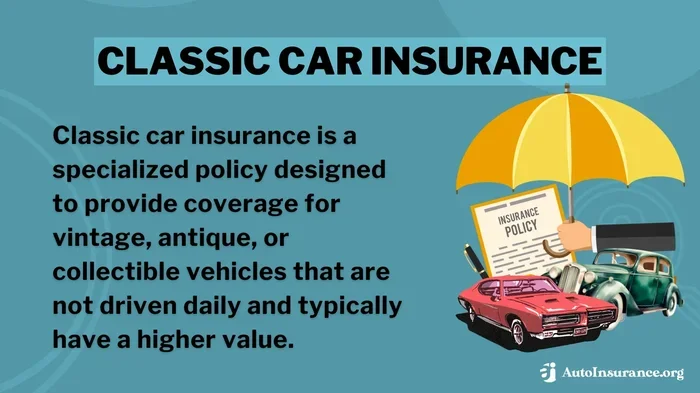
Collision insurance is a type of car insurance coverage that pays for damage to your vehicle after an accident. It does not matter who caused the crash. If you hit a tree, flip your car, or get T-boned at an intersection, collision coverage helps pay for repairs or replaces your vehicle if it is a total loss.
How Collision Insurance Differs From Other Coverage Types
Many people confuse collision insurance with other types of car coverage. Here is how they differ:
- Liability insurance pays for damage you cause to other people or their property. It does not cover your own car.
- Comprehensive coverage handles non-accident damage like theft, vandalism, flooding, or falling tree branches.
- Collision insurance specifically covers accident-related damage to your vehicle, no matter who is at fault.
Together, liability, comprehensive, and collision make up what many people call full coverage. But full coverage does not mean everything is covered. It just means you have the three main types working together.
What Does a Collision Deductible Mean?
Every collision insurance policy has a deductible. This is the amount you pay out of pocket before your insurance kicks in. Common deductibles are $500 or $1,000. If your car needs $3,000 in repairs and your deductible is $500, your insurance pays $2,500 and you pay $500.
A higher deductible means lower monthly premiums. A lower deductible means your insurance company pays more when something happens. This trade-off is important to understand when deciding whether to keep collision coverage on an older vehicle.
When Does Collision Insurance Make Sense for an Old Car?
Not all old cars should lose their collision insurance. There are several situations where keeping coverage makes a lot of sense, even for a vehicle that has seen better days.
You Still Owe Money on Your Car Loan
If you have an auto loan, your lender almost certainly requires collision insurance until the loan is paid off. This protects their investment. Even if your car is worth only a few thousand dollars, you still need coverage until you own it free and clear.
Some people try to drop coverage early to save money. That is a risky move. If your car gets totaled and you do not have collision coverage, you still owe the full loan balance. You would be paying for a car you no longer have. That is a financial trap many people fall into.
Your Car Is Still Worth More Than You Think
Here is a surprise for many owners. Older cars often hold more value than people realize. A 2010 model with low mileage and good maintenance could still be worth $5,000 or more. If that is the case, collision insurance is probably worth keeping.
You can check your car’s value using tools like Kelley Blue Book or Edmunds. Compare the actual cash value to your annual premium and deductible. If the car is worth significantly more than what you would pay in a year of premiums, keeping coverage is a smart move.
You Cannot Afford a Major Repair or Replacement
Let us be honest. Not everyone has a nest egg sitting in the bank. If your car breaks down after an accident and you do not have collision coverage, you will need to pay for repairs or a new vehicle entirely out of pocket. For many households, that is simply not possible.
If losing your car would seriously disrupt your daily life, keeping collision insurance on an old car is a wise choice. It gives you peace of mind that a bad accident will not become a financial disaster.
When Should You Drop Collision Insurance on an Old Car?
On the other side of the coin, there are clear situations where dropping collision coverage makes good financial sense. Here are the signs that it might be time to let it go.
Your Car’s Value Is Low
This is the biggest factor. If your car is worth $2,000 and your annual collision insurance premium is $600, you are paying 30 percent of the car’s value every year just for coverage. That does not make financial sense.
A general rule of thumb is to multiply your annual premium by 10. If the result is higher than your car’s value, it is time to consider dropping collision coverage. For example, a $500 annual premium times 10 equals $5,000. If your car is only worth $3,000, the numbers do not add up.
You Have Enough Savings to Cover the Loss
If you have a healthy emergency fund, losing an old car in an accident may not hurt as much. You could pay for repairs or buy a replacement without straining your budget. In that case, the insurance premiums you save by dropping collision coverage could be put to better use.
However, be honest with yourself about your financial situation. If a sudden $3,000 expense would cause real hardship, keeping collision insurance is still the safer choice.
Your Car Has High Mileage and Wear
A car with 200,000 miles on the odometer is likely worth very little. The insurance claim payout would be small, and the vehicle may have ongoing mechanical issues that are not covered by collision insurance anyway. Dropping coverage on a high-mileage vehicle is a common and often smart decision.
How to Calculate Whether Collision Insurance Is Worth It
Making this decision does not require a finance degree. A simple calculation can give you clarity. Here is how to do it step by step.
- Find your car’s actual cash value. Use an online valuation tool to get a realistic estimate.
- Check your annual premium and deductible. Look at your insurance bill for the exact numbers.
- Subtract your deductible from the car’s value. This tells you what you would actually receive in a claim.
- Compare that number to 10 times your annual premium. If the premium times 10 is higher than the payout amount, dropping coverage likely saves money.
This math gives you a clear picture. It removes emotion and guesswork from the decision. If the numbers say you should drop collision coverage, you can do so with confidence.
Quick Tips for the Calculation
- Do not forget to account for inflation. Premiums go up every year, which changes the math.
- Consider how long you plan to keep the car. If you will replace it soon, dropping coverage now makes sense.
- Check if your insurance rates will drop significantly after removing collision. Some companies offer steep discounts.
Common Mistakes People Make With Old Car Insurance
When it comes to auto insurance for older vehicles, there are several mistakes that cost car owners money. Here are the ones to avoid.
Assuming Full Coverage Means Everything Is Covered
Many drivers think “full coverage” means every possible scenario is handled. That is not true. Full coverage typically means liability, comprehensive, and collision. It does not cover mechanical breakdowns, wear and tear, or damage from normal use.
Not Reviewing Your Policy Every Year
Your car loses value every year. But many people never adjust their insurance policy to reflect that. Reviewing your coverage annually is one of the easiest ways to save money on insurance premiums.
Dropping Coverage Without Checking Loan Requirements
If you still have a loan on your car, dropping collision insurance without checking with your lender can cause serious problems. You could violate the terms of your loan and face penalties or even repossession.
Choosing the Wrong Deductible
A common mistake is picking a deductible that is too low. This drives up your monthly payments. For an older car, a higher deductible often makes more sense because it lowers your premium and you are less likely to file a claim on a vehicle with a low value.
Expert Tips for Saving Money on Car Insurance for Older Vehicles
Even if you decide to keep collision insurance, there are ways to reduce your costs. Here are expert-backed tips that really work.
Bundle Your Policies
Many insurance companies offer discounts when you bundle your auto and home insurance. This can save you 10 to 20 percent on your total premium. It is one of the easiest ways to lower costs without reducing coverage.
Ask About Low-Mileage Discounts
If you drive your old car less than 5,000 miles a year, you may qualify for a low-mileage discount. Some insurers also offer pay-per-mile plans that charge you based on how much you actually drive. This can be a great way to save on auto insurance for a vehicle you only use occasionally.
Maintain a Clean Driving Record
Your driving history has a huge impact on your insurance rates. Avoiding tickets and accidents keeps your premiums lower. Even one at-fault accident can raise your rates significantly for three or more years.
Shop Around Every Few Years
Insurance companies regularly change their pricing. A company that offers great rates today may not be the best option in two years. Shopping around every few years ensures you are always getting the best deal for your car insurance needs.
Consider Usage-Based Insurance Programs
Many insurers now offer telematics programs that track your driving habits. Safe drivers can earn significant discounts on their insurance premiums. If you are a careful driver, this could be an easy way to save money on coverage for your older vehicle.
Final Thoughts on Collision Insurance for Old Cars
Deciding whether to keep or drop collision insurance on an old car comes down to a simple question: does the cost of coverage outweigh the potential benefit? For many drivers, the answer is clear. Their auto insurance premiums for collision coverage cost more than the car is worth, and dropping it frees up money for other priorities.
For others, the answer is just as clear. They need the protection. Whether it is because they still have a loan, they cannot afford a replacement vehicle, or they simply want peace of mind, keeping collision coverage on an older car is a smart financial move.
The key is to do the math. Check your car’s value. Review your premium and deductible. Compare the numbers. And then make a decision that fits your unique situation. No one knows your finances and your needs better than you do.
Whatever you decide, make sure it is an informed choice. Review your policy regularly. Stay aware of your car’s changing value. And never be afraid to ask your insurance provider questions. They want you to have the right coverage at the right price.
Your old car has served you well. Making the right insurance decision is one more way to take care of it, and to take care of yourself financially. That is a win no matter what.
If you are currently weighing whether to keep paying for coverage on a vehicle that has been paid off for years, consider this: you might be able to write off your car payment as a tax deduction in certain situations. And if you are thinking about replacing the old vehicle entirely, remember that you can return a used car within 30 days in some cases depending on the dealer’s policy and state laws.
Take your time. Do the numbers. And choose the path that gives you the most financial comfort going forward. Your wallet will thank you.
Frequently Asked Questions
What happens if I drop collision insurance and get in an accident?
Without collision coverage, you will have to pay for all repairs to your vehicle out of pocket. Your insurance company will not cover any accident-related damage to your car. This is why it is important to weigh the risk carefully before dropping collision insurance on any vehicle.
Can I add collision insurance back after dropping it?
Yes, you can typically add collision coverage back at any time. However, your premiums may be higher, and some insurers may require a new underwriting review. It is always a good idea to check with your provider before making changes to your auto insurance policy.
How much does collision insurance cost for an old car?
Premiums vary widely based on your car’s value, your driving record, and your location. For older vehicles, collision insurance premiums are often lower because the insurance claim payout would be smaller. You can expect to pay anywhere from $200 to $800 per year depending on these factors.
Does my car’s age affect my collision insurance rates?
Yes, older cars generally have lower collision insurance premiums because they are worth less. However, other factors like your driving history, location, and deductible choice also play a big role in determining your final rate.
Is collision insurance required by law?
No, collision insurance is not required by any state. However, if you have a car loan or lease, your lender will almost certainly require it until the loan is fully paid off. Always check your loan agreement before making changes to your coverage.
What is the difference between collision and comprehensive insurance?
Collision insurance covers accident-related damage to your vehicle. Comprehensive coverage covers non-accident damage like theft, fire, flooding, and vandalism. Both are optional for paid-off vehicles, but they protect against different types of risk and are often purchased together as part of a full coverage package.
=== INTERNAL LINKS USED ===