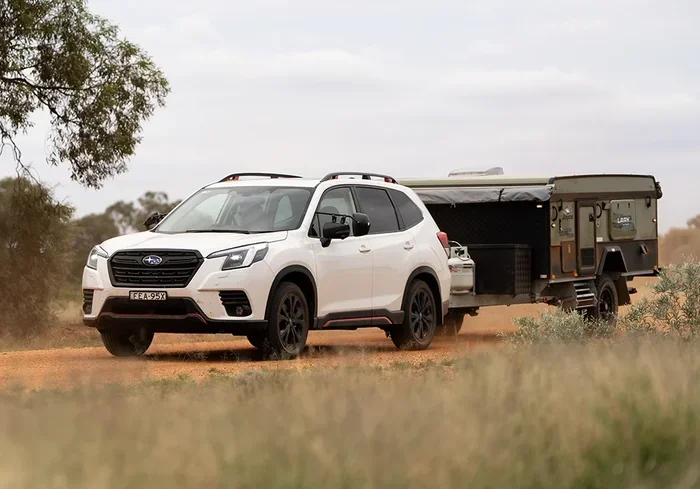
Can a Subaru Forester Tow a Trailer Here Is Everything
Yes, a Subaru Forester can tow a trailer, but the capacity depends on your model year and trim level. Most modern Foresters offer towing capacities between 1,000 and 2,000 pounds when properly equipped. This guide covers towing limits, hitch requirements, safety tips, and common mistakes to avoid. Whether you plan to haul a small camping trailer or a utility trailer, you will find the answers you need right here.
Key Takeaways
- Towing Capacity Varies: Subaru Forester towing capacity ranges from about 1,000 to 2,000 pounds depending on the model year and trim level.
- Hitch Installation Matters: You need the right towing hitch and equipment to tow safely and legally.
- Safety Is Non-Negotiable: Proper weight distribution, trailer brakes, and towing mirrors make a big difference on the road.
- Not All Models Are Equal:Newer models generally have higher towing ratings than older ones.
- Check Your Owner Manual:Always verify your specific Forester model’s towing limits before loading up a trailer.
- Tax Deductions Exist: You may be able to claim towing-related vehicle expenses on your taxes under certain conditions.
📑 Table of Contents
- Can a Subaru Forester Tow a Trailer? Let Us Break It Down
- Understanding Subaru Forester Towing Capacity
- What Kind of Trailer Can a Subaru Forester Tow?
- Towing Equipment You Will Need
- Safety Tips for Towing a Trailer with a Subaru Forester
- Common Mistakes People Make When Towing
- Financial Considerations of Towing with a Subaru Forester
- Expert Insights on Subaru Forester Towing
- Frequently Asked Questions
- Final Thoughts
Can a Subaru Forester Tow a Trailer? Let Us Break It Down
If you own a Subaru Forester or are thinking about buying one, you might wonder whether it can handle towing a trailer. The short answer is yes. But the longer answer involves a few important details you need to know before you hitch up and hit the road.
Subaru built the Forester as a versatile compact SUV. It offers all-wheel drive, decent ground clearance, and a surprisingly capable towing setup. But towing capacity is not a one-size-fits-all number. Your specific model year, trim level, and engine configuration all play a role in how much weight your Forester can safely pull.
In this article, we will walk you through everything you need to know about Subaru Forester towing capacity. We will cover towing limits by model year, the right towing equipment, safety tips, and common mistakes to avoid. By the end, you will feel confident about whether your Forester is ready to tow a trailer.
Understanding Subaru Forester Towing Capacity
Every vehicle has a maximum towing rating. This number tells you the heaviest trailer your car can safely pull under ideal conditions. Exceeding this limit can damage your engine, transmission, and brakes. It can also create dangerous driving conditions.
Towing Capacity by Model Year
Subaru has updated the Forester over the years, and towing ratings have changed with each generation. Here is a general breakdown:
- 2019 and Newer Models: Most recent Foresters can tow up to 1,500 pounds when equipped with the proper towing package. Some trims may reach closer to 2,000 pounds depending on configuration.
- 2013 to 2018 Models: Older Foresters typically have a towing capacity around 1,500 pounds. Again, this depends on your specific trim and whether you have a towing hitch installed.
- Pre-2013 Models: Earlier generations may have lower towing limits, sometimes around 1,000 to 1,500 pounds. Always double-check your owner manual for exact numbers.
The key takeaway here is that you should never guess. Your Subaru Forester specs will tell you the exact towing limit. Look for the vehicle identification number (VIN) plate or check the owner manual for the official towing rating.
What Affects Towing Capacity?
Several factors influence how much your Forester can tow safely. Understanding these helps you stay within safe limits.
- Engine Size and Power: The Forester uses a 2.5-liter four-cylinder engine in most trims. This engine provides enough power for light to moderate towing.
- Transmission Type: Both CVT and manual transmission models have towing limits. CVT models generally handle towing well but require proper maintenance.
- Drivetrain: All-wheel drive helps with traction when towing, especially on wet or uneven roads.
- Payload vs. Towing: Do not confuse payload capacity with towing capacity. Payload refers to the weight of passengers and cargo inside the vehicle. Towing refers to the weight of the trailer behind the vehicle.
What Kind of Trailer Can a Subaru Forester Tow?
Now that you understand the basics of towing capacity, let us talk about what types of trailers a Forester can handle. Not all trailers are created equal, and knowing the difference matters.
Small Utility Trailers
A small utility trailer weighing under 1,500 pounds is well within the towing range of most Subaru Foresters. These trailers work great for hauling lawn equipment, moving supplies, or camping gear. Popular small utility trailers include open single-axle models that weigh between 400 and 800 pounds when empty.
Camping and Teardrop Trailers
Many Forester owners use their vehicles to tow small camping trailers or teardrop trailers. These lightweight trailers typically weigh between 1,000 and 1,800 pounds. As long as your Forester’s towing capacity exceeds the trailer weight, you should be good to go.
Boat Trailers
Towing a small boat is another common use case. Inflatable or small aluminum boats can weigh anywhere from 300 to 1,200 pounds. However, remember that the total weight includes the boat, trailer, fuel, and gear. Always add everything up before you tow.
What About a Car Trailer?
If you are wondering about towing a car on a dolly or flatbed trailer, the Forester can handle smaller vehicles. But the combined weight of the car and trailer must stay within the Forester’s towing limit. Heavier vehicles like trucks or large SUVs will likely exceed the capacity and should not be towed by a Forester.
Towing Equipment You Will Need
Towing a trailer safely requires more than just hitting the road. You need the right equipment, and proper setup makes all the difference. Let us go through the essentials.
Towing Hitch and Receiver
The towing hitch is the most important piece of equipment. A Class I or Class II trailer hitch works well for most Forester towing needs. These hitches typically handle trailers weighing between 1,000 and 3,500 pounds.
If you own a hybrid or are considering one, you might wonder about installing a towing hitch on a hybrid vehicle. The good news is that many Subaru models can support hitch installations with the right adapter. However, always consult a certified installer to ensure compatibility and safety.
Trailer Wiring and Lights
Your trailer needs functioning brake lights, turn signals, and tail lights. A proper wiring harness connects your Forester’s electrical system to the trailer. This is not just a safety requirement in most states. It also keeps you legal on the road.
Towing Mirrors
Standard side mirrors may not give you full visibility when towing a trailer. Extended towing mirrors or clip-on mirror extensions help you see the full width of your trailer. This is especially important when changing lanes or navigating tight turns.
Trailer Brakes
If your trailer weighs more than 1,000 pounds, consider installing electric trailer brakes. These brakes activate when you apply the Forester’s brakes, giving you shorter stopping distances and better control. Some states require trailer brakes by law once a trailer exceeds a certain weight threshold.
Safety Tips for Towing a Trailer with a Subaru Forester
Towing a trailer changes how your vehicle handles on the road. The added weight affects braking, acceleration, and turning. Following these safety tips helps you stay safe and protect your vehicle.
Distribute Weight Evenly
Proper weight distribution inside the trailer prevents swaying and instability. Place heavier items low and toward the front of the trailer. The tongue weight, which is the downward force the trailer puts on the hitch, should be about 10 to 15 percent of the total trailer weight.
Check Tire Pressure
Both your Forester’s tires and the trailer tires need proper inflation. Underinflated tires increase rolling resistance and can cause blowouts. Check tire pressure before every trip, especially when towing heavy loads.
Drive at Safe Speeds
Towing a trailer means you need more stopping distance. Reduce your speed and allow extra room between you and the vehicle ahead. Many experts recommend staying at or below 55 mph when towing, especially on highways.
Practice Before Your Trip
If you are new to towing, practice in an empty parking lot before heading out on a long trip. Get a feel for how the Forester handles with the trailer attached. Practice turning, braking, and reversing. This simple step builds confidence and reduces the risk of accidents.
Plan Your Route
Not all roads are towing-friendly. Steep mountain grades, sharp curves, and rough terrain can stress your vehicle and trailer. Plan your route to avoid challenging roads when possible. Use GPS apps that allow you to filter out steep grades or rough roads.
Common Mistakes People Make When Towing
Even experienced trailers make mistakes. Avoiding these common errors keeps you safe and protects your Subaru Forester from damage.
Overloading the Trailer
This is the number one mistake. Just because your Forester can tow up to 1,500 pounds does not mean you should max it out every time. Staying well below the maximum capacity gives you a safety buffer and reduces wear on your vehicle.
Ignoring Tongue Weight
Too much or too little tongue weight causes trailer sway. If the tongue weight is too light, the trailer may fishtail. If it is too heavy, it can overload the rear axle of your Forester. Use a tongue weight scale to check this before every trip.
Skipping Regular Maintenance
Towing puts extra stress on your vehicle’s engine, transmission, brakes, and suspension. Follow your maintenance schedule more closely when you tow regularly. Check your oil, brake pads, and coolant levels more frequently.
Forgetting About Insurance
Your standard auto insurance may not fully cover a trailer or its contents. Check with your insurance provider to make sure your policy includes trailer coverage. Some policies require a separate rider or endorsement for towing equipment.
Financial Considerations of Towing with a Subaru Forester
Towing a trailer involves more than just equipment and safety. There are financial aspects to consider as well, especially if you use your Forester for work or regular hauling.
Tax Deductions for Towing
If you use your Subaru Forester for business purposes and towing is part of your work, you may be able to claim a truck on your taxes or deduct towing-related expenses. This includes the cost of the towing hitch, trailer maintenance, fuel for towing trips, and even depreciation on the vehicle. Consult a tax professional to understand what deductions apply to your situation.
Leasing and Towing
If you lease your Forester rather than owning it outright, towing raises additional questions. Leasing a car often comes with restrictions on towing capacity and equipment modifications. Check your lease agreement before installing a hitch or towing a trailer. Some lease terms require you to return the vehicle in its original factory condition.
Fuel Costs When Towing
Towing a trailer reduces your fuel economy. The Forester already gets decent mileage for a compact SUV, but adding a trailer can drop your miles per gallon by 15 to 25 percent. Factor this into your budget, especially for longer trips.
Expert Insights on Subaru Forester Towing
We reached out to automotive experts and experienced Forester owners to gather their best towing advice. Here is what they had to say.
Start with the right hitch. A quality Class I or Class II hitch from a reputable brand makes all the difference. Cheap hitches may save money upfront but can fail under load. Invest in something rated for your Forester’s towing capacity.
Do not ignore the owner manual. Every Subaru Forester comes with a towing section in the owner manual. This is your most accurate source for towing limits, equipment requirements, and safety guidelines specific to your model.
Towing is a skill. Even if you have towed before, every vehicle and trailer combination handles differently. Take time to learn how your Forester responds when towing, and always prioritize safety over speed or convenience.
Frequently Asked Questions
What is the maximum towing capacity of a Subaru Forester?
Most Subaru Foresters can tow between 1,000 and 2,000 pounds depending on the model year and trim level. Always check your specific model’s owner manual for the exact towing rating. Staying below the maximum capacity ensures safe and reliable towing.
Do I need a special hitch to tow a trailer with a Subaru Forester?
Yes, you need a Class I or Class II trailer hitch that is compatible with your Forester model. You can also look into adding a hitch through a certified installer. Make sure the hitch is rated for the weight of the trailer you plan to tow.
Can I tow a trailer with a Subaru Forester if I am leasing the vehicle?
This depends on your lease agreement. Some leases allow towing with the right equipment, while others may have restrictions. Check with your leasing company before installing a hitch or towing a trailer to avoid potential penalties or violations.
Do I need trailer brakes for a Subaru Forester?
If your trailer weighs over 1,000 pounds, electric trailer brakes are recommended. Some states require trailer brakes by law once the trailer exceeds a certain weight. Check your local towing regulations to stay compliant.
Will towing a trailer void my Subaru Forester warranty?
Towing within the manufacturer’s recommended limits should not void your warranty. However, towing beyond the specified capacity or failing to maintain your vehicle properly can lead to warranty claims being denied. Always follow Subaru’s towing guidelines.
Can I use my Subaru Forester to tow a boat or RV?
Small boats and lightweight RVs or teardrop trailers are generally within the Forester’s towing range. However, always calculate the total weight including the trailer, contents, and fuel. Heavier RVs or large boats will likely exceed the Forester’s towing capacity and should not be towed.
Final Thoughts
So, can a Subaru Forester tow a trailer? Absolutely. With the right equipment, proper setup, and a clear understanding of your vehicle’s towing limits, your Forester can handle a variety of towing tasks. Whether you are heading out for a camping trip, hauling yard supplies, or towing a small boat, the Forester proves itself as a capable and reliable towing partner.
Remember to always check your specific model’s towing capacity, invest in quality towing equipment, and prioritize safety on every trip. Towing is not just about pulling weight. It is about doing so safely, responsibly, and with confidence. Follow the tips in this guide, and you will be ready to tow with your Subaru Forester for years to come.