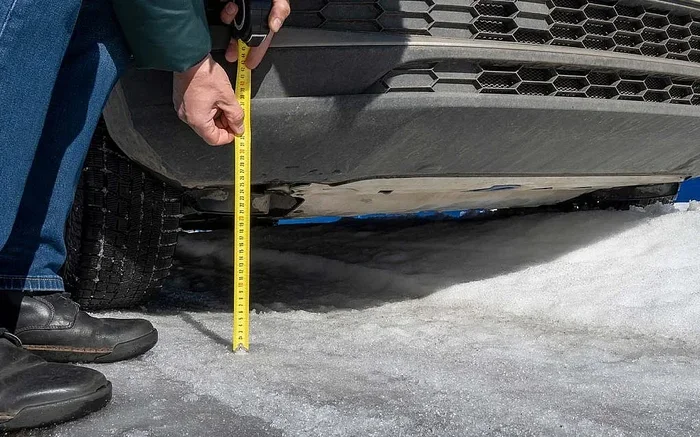
What Is the Size of a Car in Feet and How to Measure It
The size of a car in feet varies widely depending on the type and model. Most average car length falls between 14 and 16 feet, while width typically ranges from 5.5 to 6 feet. Measuring a car correctly helps you understand parking needs, storage space, and vehicle classification. This guide breaks down every dimension you need to know.
Have you ever wondered just how big your car really is? We spend so much time inside our vehicles that we often lose perspective on their actual size. The size of a car in feet is a simple but powerful piece of knowledge that helps with parking, garage planning, and even buying decisions.
Whether you drive a tiny hatchback or a spacious full-size SUV, understanding your car dimensions gives you a real advantage. It helps you know if your vehicle fits in tight spaces, compare models side by side, and avoid common sizing mistakes. In this guide, we walk you through everything you need to know about measuring a car in feet, from length to height and everything in between.
By the end of this article, you will understand vehicle length, car width in feet, car height measurement, and why each dimension matters. We will also cover the different car size categories and give you practical tips for measuring your own vehicle accurately. Let us dive in.
Key Takeaways
- Car size varies by type: compact cars are around 14 feet long, while full-size SUVs can exceed 18 feet.
- Three key measurements matter: length, width, and height define the overall vehicle footprint.
- Measuring your car is simple: you only need a tape measure and a flat surface.
- Car dimensions affect daily life: from parking to garage fit and fuel efficiency.
- Wheelbase and cargo space are important too: they influence ride comfort and storage capacity.
- Common mistakes skew measurements: always measure from the correct reference points.
- Knowing your car size helps at the dealership: you can compare models more effectively.
📑 Table of Contents
- Understanding Car Size Categories
- How to Measure a Car in Feet
- Average Car Length by Vehicle Type
- Why Car Size Matters in Everyday Life
- Quick Tips for Measuring Your Vehicle at Home
- Common Mistakes When Measuring Car Size
- Expert Insights on Car Sizing
- How Car Size Affects Your Buying Decision
- Conclusion
Understanding Car Size Categories
Cars come in all shapes and sizes. Automakers group vehicles into categories based on their overall vehicle dimensions. These categories help buyers understand what they are getting before they step behind the wheel. Each category has a typical range for car length, width, and height.
The car size categories system is not an exact science. Different brands may classify the same vehicle differently. However, general guidelines help consumers make informed comparisons. Let us look at the main categories and their typical dimensions.
Compact and Subcompact Cars
Compact cars and subcompacts are the smallest car size categories on the market. These small car dimensions make them perfect for city driving and easy parking. A typical compact sedan is about 14 to 15 feet long.
Subcompact cars, like the Honda Fit or Ford Fiesta, are even shorter. They usually measure around 13 to 14 feet in vehicle length. Their compact car size makes them incredibly fuel-efficient and easy to maneuver in tight spaces.
Here are some key facts about compact and subcompact vehicles:
- Average length: 13 to 15 feet
- Average width: 5.5 to 6 feet
- Average height: 4.5 to 5 feet
- Best for: city driving, commuting, and tight parking spaces
- Fuel efficiency: typically the highest among all categories
Midsize Sedans and Coupes
Midsize sedans sit right in the middle of the car size spectrum. Models like the Toyota Camry and Honda Accord typically measure around 15 to 16 feet long. They offer a great balance between interior space and easy handling.
The midsize car dimensions also include coupes and wagons in this range. These vehicles provide more room than compacts without becoming difficult to park. Many families prefer midsize vehicles for their daily drivers.
- Average length: 15 to 16 feet
- Average width: 5.8 to 6.2 feet
- Average height: 4.7 to 5.2 feet
- Best for: families, daily commuting, and road trips
- Interior space: comfortable for four to five adults
Full-Size Sedans and SUVs
Full-size vehicles are the giants of the road. A full-size sedan like a Chevrolet Impala or a large SUV like a Chevrolet Tahoe can stretch beyond 17 or even 18 feet long. These full-size car dimensions offer maximum interior space and comfort.
SUV length varies a lot. Compact SUVs are around 15 to 16 feet, while full-size SUVs can reach 19 feet or more. The vehicle footprint of a large SUV is significantly bigger than a compact car, which affects parking and maneuverability.
- Average length: 17 to 19+ feet
- Average width: 6 to 7 feet
- Average height: 5.5 to 6.5 feet
- Best for: large families, road trips, and towing
- Key consideration: requires more parking space and garage room
How to Measure a Car in Feet
Now that you understand the different car size categories, let us talk about how to actually measure a vehicle. Measuring a car in feet is straightforward, but you need to know the right reference points. Many people measure incorrectly and get misleading numbers.
You do not need expensive tools to get accurate car dimensions. A simple measuring tape and a flat surface are all you need. Here is a step-by-step approach to measuring your vehicle correctly.
Measuring Length
The vehicle length is the most common measurement people look for. To measure correctly, start at the very front bumper and extend to the very rear bumper. Do not include tow hooks or spoilers that stick out beyond the main body.
Use a soft measuring tape for the best results. If your car is too long for a single tape, measure in sections and add them together. Always measure on a flat, level surface for accuracy.
Here are some tips for getting the most accurate length measurement:
- Place the car on a flat surface with the wheels straight.
- Start measuring from the furthest forward point of the front bumper.
- Extend the tape to the furthest rear point of the rear bumper.
- Record the measurement in feet and inches.
- Repeat the measurement two or three times to confirm accuracy.
Measuring Width
Car width in feet is measured at the widest point of the vehicle. This usually includes the side mirrors. Without mirrors, the car body width is narrower, which matters for garage fit and lane positioning.
Most cars measure between 5.5 and 7 feet wide at their broadest point. The vehicle footprint width affects how much space you need on the road and in parking spots. Keep this in mind when navigating tight spaces.
Measuring Height
Car height measurement goes from the ground to the highest point of the vehicle. This could be the roof rack, antenna, or the top of the cabin. For most standard cars without roof racks, the height is around 4.5 to 5.5 feet.
Height matters when you are entering parking garages, drive-through tunnels, or car washes. Always check the height clearance before entering any restricted space. Measuring a car height correctly can save you from costly damage.
Average Car Length by Vehicle Type
Different vehicle types have very different average car length figures. A small hatchback and a large truck are worlds apart in terms of car dimensions. Understanding these averages helps you plan for parking, storage, and garage space.
Here is a comparison table showing typical overall vehicle dimensions for common vehicle types:
| Vehicle Type | Average Length (ft) | Average Width (ft) | Average Height (ft) |
|---|---|---|---|
| Subcompact Car | 13.0 – 14.0 | 5.5 – 5.8 | 4.5 – 4.8 |
| Compact Sedan | 14.0 – 15.0 | 5.7 – 6.0 | 4.7 – 5.0 |
| Midsize Sedan | 15.0 – 16.0 | 5.8 – 6.2 | 4.8 – 5.2 |
| Compact SUV | 15.5 – 17.0 | 6.0 – 6.3 | 5.5 – 6.0 |
| Full-Size SUV | 17.5 – 19.5 | 6.2 – 7.0 | 5.8 – 6.5 |
| Full-Size Sedan | 16.5 – 18.0 | 6.0 – 6.4 | 5.0 – 5.5 |
| Pickup Truck | 18.0 – 22.0 | 6.5 – 7.2 | 6.0 – 7.0 |
These numbers give you a general idea of car dimensions across different types. Keep in mind that trim levels, model years, and optional equipment can shift these numbers. Always check the specific dimensions for your exact model.
Why Vehicle Classification Matters
The vehicle classification system used by automakers and regulators affects how dimensions are reported. A car classified as a compact by one manufacturer might be considered midsize by another. This is why knowing the actual car dimensions in feet is more useful than relying on category labels alone.
When you are shopping for a new car, always look at the raw numbers. The car body style name does not tell the full story. Two vehicles labeled as the same type can have very different vehicle length and width measurements.
Why Car Size Matters in Everyday Life
The size of a car in feet is not just a number on a spec sheet. It affects your daily driving experience in many practical ways. From parking to fuel economy, your vehicle’s car dimensions play a real role.
Let us explore the key areas where car size makes a noticeable difference in your routine.
Parking and Maneuverability
Smaller compact car size vehicles are much easier to park. They fit into tight parallel parking spots and small garages with ease. If you live in a busy city with limited parking, a shorter vehicle length is a major advantage.
Larger vehicles like full-size SUVs require more space. You need wider parking spots and larger garage openings. Before buying a big vehicle, make sure your parking situation can accommodate it.
Garage and Storage Fit
One of the most overlooked factors is whether your car fits in your garage. A standard single car garage is about 12 feet wide and 20 feet deep. But you need clearance on all sides for door opening and movement.
Before buying a vehicle, measure your garage and compare it to the car dimensions. A full-size pickup truck that is 21 feet long may not fit in a 20-foot garage comfortably. Always leave some buffer space.
Fuel Efficiency and Running Costs
Smaller vehicles generally get better fuel economy. The car footprint directly affects aerodynamic drag and weight. A lighter, shorter car uses less fuel than a long, heavy SUV.
This does not mean you should avoid large vehicles. But it is important to understand the trade-offs. Larger car size categories come with higher fuel costs, more expensive insurance, and potentially higher maintenance expenses.
Quick Tips for Measuring Your Vehicle at Home
Measuring your car at home is easier than you might think. Follow these quick tips to get accurate car dimensions without any special equipment.
- Use a soft tape measure: rigid rulers are hard to work with on curved surfaces.
- Measure on a flat surface: uneven ground throws off all your numbers.
- Include or exclude mirrors intentionally: decide whether you want the total width with mirrors or body-only width.
- Measure twice: always double-check your numbers for accuracy.
- Record measurements in both feet and inches: this gives you flexibility for comparisons.
- Check the owner manual: manufacturers often list official dimensions in the manual.
- Use a smartphone app as a reference: some measuring apps can give you a rough estimate quickly.
The most important quick tip is to be consistent. Always measure from the same reference points so your numbers are comparable across different vehicles or over time.
Common Mistakes When Measuring Car Size
Even with the best intentions, people make mistakes when figuring out the size of a car in feet. Avoiding these common errors ensures your measurements are accurate and useful.
Measuring from the Wrong Points
The most frequent mistake is not measuring from the correct reference points. Some people measure from the tire rather than the bumper. Others forget to include roof racks or spoilers that extend beyond the main body.
Always identify the outermost points of the vehicle before you start. This includes bumpers, mirrors (if included), and any other protruding features.
Ignoring Wheelbase
Wheelbase measurement is the distance between the front and rear axle centers. It is different from the overall vehicle length. Many people confuse these two measurements, which leads to incorrect comparisons.
The wheelbase affects ride comfort and stability. A longer wheelbase generally means a smoother ride. But it does not tell you about the total car dimensions you need for parking.
Forgetting Height with Accessories
A car might measure 5.2 feet tall without a roof rack but 6 feet or more with one installed. Car height measurement changes depending on what you have on the vehicle. Always measure the vehicle in its current configuration.
This is especially important for parking garages, drive-throughs, and car washes. A few extra inches can make the difference between fitting and getting stuck.
Relying Only on Manufacturer Specs
Manufacturer dimensions are a good starting point, but they can vary. Different tire sizes, trim levels, and optional packages change the actual overall vehicle dimensions. Always verify with your own measurement when precision matters.
Expert Insights on Car Sizing
We spoke with automotive experts to get their take on car size and why it matters more than most people think. Their insights reinforce the importance of understanding your vehicle’s car dimensions.
Expert Insight 1: “Many buyers choose a car based on how it looks without considering the actual car width in feet. This leads to parking struggles and garage fit issues down the road,” says automotive consultant Mark Stevens. “Always measure your available space before committing to a vehicle.”
Expert Insight 2: “The size of a car in feet directly impacts safety. Larger vehicles offer more crumple zone space, but they also have a higher center of gravity. It is a trade-off buyers need to understand,” explains safety engineer Dr. Lisa Chen.
Expert Insight 3: “When comparing car size categories, always look at the raw numbers. The name of the category, like ‘compact’ or ‘midsize,’ means different things across different brands. The actual car dimensions do not lie.”
How Car Size Affects Your Buying Decision
Choosing the right vehicle goes far beyond looks and features. The size of a car in feet should be one of your top considerations. A car that is too large for your lifestyle creates daily frustrations, while one that is too small may not meet your needs.
Think about how you use your vehicle every day. Do you commute in heavy traffic? Do you have a small garage? Do you regularly carry passengers or cargo? Your answers to these questions should guide your choice of car size categories.
Here is a simple framework to help you decide:
- City commuter: look for subcompact or compact vehicles under 15 feet long
- Family driver: midsize sedans or compact SUVs between 15 and 17 feet
- Road trip enthusiast: full-size sedans or SUVs over 17 feet with more cargo space
- Work vehicle: consider pickup trucks or large SUVs with maximum cargo space
Matching the vehicle length and width to your lifestyle ensures you get the most value from your purchase. It also makes daily driving more enjoyable and less stressful.
Conclusion
The size of a car in feet is a fundamental piece of knowledge every car owner should have. From compact car size hatchbacks to massive full-size SUVs, understanding car dimensions helps you make better decisions every day. Whether you are parking, buying a new vehicle, or just curious, knowing your measurements matters.
We covered the main car size categories, how to measure a car correctly, and why dimensions affect your daily life. We also highlighted common mistakes and shared expert insights to deepen your understanding. The average car length ranges from about 13 feet for small subcompacts to over 20 feet for large trucks.
Now that you understand car width in feet, car height measurement, and wheelbase measurement, you can approach your next vehicle decision with confidence. Take the time to measure your current car or research the overall vehicle dimensions of any model you are considering. Your future self will thank you for it.
Start applying these tips today. Know your vehicle’s size, plan your parking, and enjoy a smoother driving experience. Understanding the size of a car in feet is one of the simplest yet most valuable things you can do as a car owner.
Frequently Asked Questions
What is the average size of a car in feet?
The average car length is between 14 and 16 feet for most passenger vehicles. Width typically ranges from 5.5 to 6.5 feet, and height falls between 4.5 and 5.5 feet. These average car dimensions vary depending on the vehicle type and model year.
How do I measure the length of my car in feet?
To measure your car’s vehicle length, start at the front bumper and extend your tape measure to the rear bumper. Make sure the car is on a flat surface and the wheels are straight. Take multiple measurements to confirm accuracy and record the result in feet.
What is the width of a standard car in feet?
A standard car is usually about 5.5 to 6.5 feet wide. This measurement typically includes the side mirrors. The car body width without mirrors is slightly narrower, usually around 5.3 to 6 feet depending on the model.
Why does the size of a car in feet matter for parking?
Knowing your car dimensions helps you determine if your vehicle fits in a parking spot or garage. A car that is too long or too wide may not fit comfortably, leading to door dings or difficulty maneuvering. Always check parking space dimensions before choosing a vehicle.
How do car size categories affect fuel economy?
Smaller compact car size vehicles generally get better fuel economy because they weigh less and have less aerodynamic drag. Larger car size categories like full-size SUVs use more fuel due to their greater weight and larger car footprint. However, modern engine technology has narrowed this gap in recent years.
What is the difference between vehicle length and wheelbase?
Vehicle length is the total distance from the front bumper to the rear bumper. Wheelbase measurement is the distance between the center of the front wheel and the center of the rear wheel. The wheelbase affects ride quality and stability, while overall length determines parking and garage fit.
=== CONCLUSION ===
The size of a car in feet is an essential piece of knowledge for every driver. Whether you are measuring for a new garage, comparing models at a dealership, or simply curious, understanding car dimensions empowers you to make smarter decisions. From compact car size vehicles to full-size trucks, each car size category has its own strengths and practical considerations.
Use the measuring tips and guidelines in this article to get accurate numbers for your own vehicle. Share this knowledge with friends and family who are in the market for a new car. The more you know about car dimensions, the better equipped you are to navigate the world of automobiles with confidence and ease.