How Does Your Car Feel When You Need An Oil Change
Your car sends clear warning signs when it’s time for an oil change, from engine noise and reduced performance to dashboard warning lights. Ignoring these signals can lead to serious engine damage and costly repairs. Recognizing these symptoms early helps you keep your vehicle running smoothly and extends its lifespan.
How Does Your Car Feel When You Need An Oil Change
Your car talks to you. It sends signals. It gives you hints. But do you know how to listen? How does your car feel when you need an oil change is a question every driver should know the answer to. Ignoring these signs can lead to serious engine damage. Understanding what your vehicle is trying to tell you saves money and keeps you safe on the road.
Oil is the lifeblood of your engine. It lubricates moving parts. It reduces friction. It keeps everything running smoothly. When oil breaks down or runs low, your car starts showing clear symptoms. Some are subtle. Others are impossible to ignore. This guide breaks down every sign, every symptom, and every solution you need to know.
Whether you drive a sedan, SUV, or truck, the basics remain the same. How does your car feel when you need an oil change follows a predictable pattern. Once you learn to recognize it, you will never be caught off guard again. Let us walk through it together.
Key Takeaways
- Notice engine noise changes: Louder knocking or ticking means oil isn’t protecting parts.
- Check for dark, gritty oil: Black sludge signals it’s time for a fresh change.
- Watch the oil change light: This dashboard warning should never be ignored.
- Feel for reduced performance: Sluggish acceleration often ties directly to worn-out oil.
- Smell burning oil inside the cabin: A sharp odor suggests a leak or overheating.
- Track mileage past 5,000 miles: Even without symptoms, overdue oil harms your engine.
📑 Table of Contents
- Early Warning Signs Your Car Is Begging for an Oil Change
- How Your Car Drives When Oil Is Running Low
- What Happens If You Skip an Oil Change
- Oil Change Intervals: How Often Should You Change Your Oil
- DIY Oil Change vs Professional Service
- Choosing the Right Oil for Your Vehicle
- How Regular Oil Changes Protect Your Long-Term Investment
- Quick Reference: Oil Change Checklist
- Summary of Key Takeaways
Early Warning Signs Your Car Is Begging for an Oil Change
Your car does not wait until the last minute to complain. It starts with small cues. These early signals are easy to miss if you do not know what to look for. Paying attention to them can save you from expensive repairs down the road.
The Dashboard Oil Warning Light
This is the most obvious signal. The oil warning light on your dashboard looks like an oil can. When it illuminates, your car is telling you something is wrong. Do not ignore it. Do not assume it will go away. The light typically means your oil pressure is too low or your oil level has dropped dangerously.
Some drivers dismiss this light for days. That is a dangerous habit. Low oil pressure means metal parts are grinding against each other without proper lubrication. Even a short drive with this light on can cause permanent damage to your engine.
Unusual Engine Noises
A healthy engine runs quietly. It hums smoothly. But when oil gets old or low, things change. You might hear knocking sounds coming from the engine bay. Some drivers describe it as a ticking or tapping noise. Others notice a louder clattering, especially at startup.
These sounds happen because oil is no longer forming a proper cushion between engine parts. Metal rubs against metal. The noise is your engine crying for help. If you hear anything new or unusual, check your oil level immediately.
Changes in Oil Color and Consistency
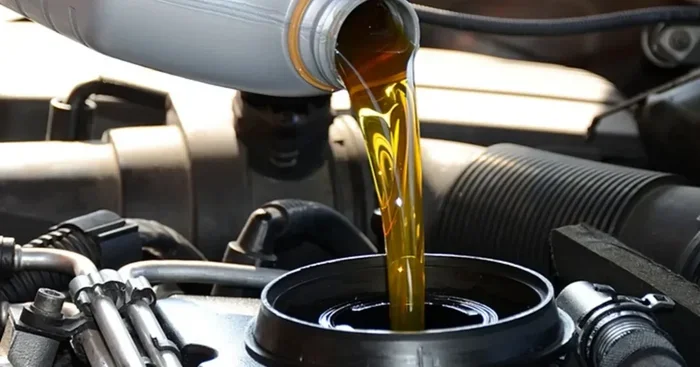
Fresh oil is amber and translucent. As it ages, it darkens. When oil turns black and gritty, it has done its job and then some. Dirty oil loses its ability to lubricate effectively. It becomes a thick sludge that clogs passages and traps debris.
You can check your oil using the dipstick. Pull it out, wipe it clean, reinsert it, and pull it out again. Look at the color. If it is dark brown or black and feels gritty between your fingers, it is time for a change. Clean oil should feel smooth and slippery.
How Your Car Drives When Oil Is Running Low
The way your car drives changes noticeably when oil is low or degraded. You might not notice at first, but over time, the difference becomes clear. Here is what to watch for while you are behind the wheel.
Reduced Engine Performance
Old or insufficient oil makes your engine work harder. You might notice a drop in acceleration. The car feels sluggish when you press the gas pedal. Highway merging becomes a struggle. Climbing hills takes more effort from the engine than it should.
This happens because dirty oil increases friction inside the engine. More energy goes toward overcoming that friction and less goes toward actual movement. Your car loses its pep. It feels tired. It feels older than it is.
Increased Fuel Consumption
When your engine works harder, it burns more fuel. You might find yourself visiting the gas station more often without changing your driving habits. This drop in fuel efficiency is one of the most overlooked signs of an oil change need.
Keep track of your mileage between fill-ups. If you notice a sudden dip, it is worth checking your oil. Sometimes a simple oil change restores your fuel economy to normal levels. That alone can save you money over time.
Rough Idling or Stalling
A car that idles roughly might have low oil. The engine shakes more than usual when stopped at a red light. You might feel vibrations through the steering wheel or the seat. In worse cases, the engine stalls completely and then restarts on its own.
Rough idling happens because insufficient oil reaches the engine components that need it most. The timing chain, valve train, and camshaft all depend on proper oil flow. When that flow is compromised, the engine struggles to maintain a steady rhythm.
What Happens If You Skip an Oil Change
Skipping an oil change might seem harmless in the short term. But the consequences compound over time. Understanding what happens inside your engine without fresh oil makes the importance crystal clear.
Engine Overheating
Oil does more than lubricate. It also helps regulate engine temperature. Without clean oil, heat builds up faster than your cooling system can handle. An overheating engine can warp metal parts, blow head gaskets, or seize entirely.
If your temperature gauge starts climbing, pull over safely. Let the engine cool down. Check your oil level and condition. Continuing to drive with an overheating engine can result in catastrophic failure.
Sludge Build-Up and Engine Damage
Old oil breaks down and turns into sludge. This thick, dark substance clogs oil passages and blocks flow to critical engine components. Over time, the sludge hardens and becomes nearly impossible to remove without major engine work.
Sludge damage is one of the most expensive problems to fix. It often requires a full engine flush or even engine replacement. Regular oil changes prevent this entirely. The cost of an oil change is a fraction of what an engine repair or replacement costs.
Complete Engine Failure
The worst-case scenario is engine failure. When oil completely runs out or turns to sludge, the engine locks up. Internal parts seize together and the engine stops working permanently. At that point, rebuilding or replacing the engine is the only option.
This is why how does your car feel when you need an oil change matters so much. Catching the signs early keeps your engine alive. It keeps your wallet intact. It keeps you on the road instead of on the side of the highway.
Oil Change Intervals: How Often Should You Change Your Oil
Not every car needs an oil change at the same mileage. The right interval depends on several factors. Understanding these factors helps you create a maintenance schedule that works for your vehicle and your driving habits.
Conventional vs Synthetic Oil
Conventional oil breaks down faster than synthetic oil. Most mechanics recommend changing conventional oil every 3,000 to 5,000 miles. Synthetic oil lasts longer and performs better under extreme temperatures. Synthetic oil change intervals typically range from 7,500 to 10,000 miles.
Some modern vehicles use synthetic blend oil. These fall somewhere in between. Check your owner manual for the manufacturer recommendation. Following the right interval for your specific oil type ensures optimal engine protection.
Driving Conditions That Shorten Oil Life
Your driving habits affect how quickly oil degrades. Certain conditions cause oil to break down faster than normal. If you regularly experience any of these, you may need to change your oil more frequently.
- Stop-and-go city driving
- Short trips under five miles
- Extreme heat or cold weather
- Towing heavy loads or trailers
- Driving on dusty or gravel roads
- Idling for long periods
These conditions create more stress on your engine and your oil. The oil works harder and wears out faster. Adjust your oil change schedule accordingly. When in doubt, change it sooner rather than later.
DIY Oil Change vs Professional Service
Changing your own oil is a rite of passage for many car owners. It is satisfying and it saves money. But professional service has its own advantages. Let us compare both options so you can decide what works best for you.
What to Expect With a DIY Oil Change
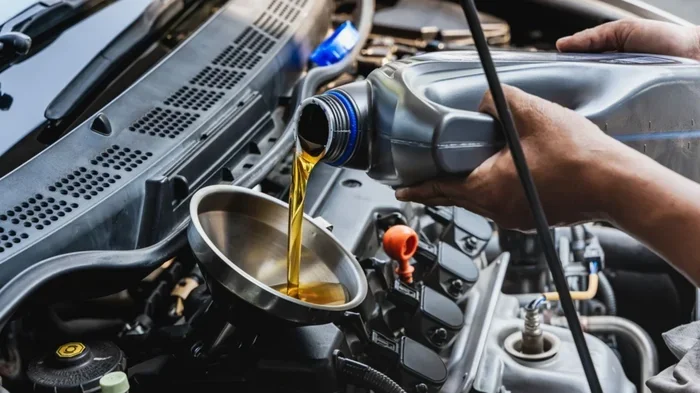
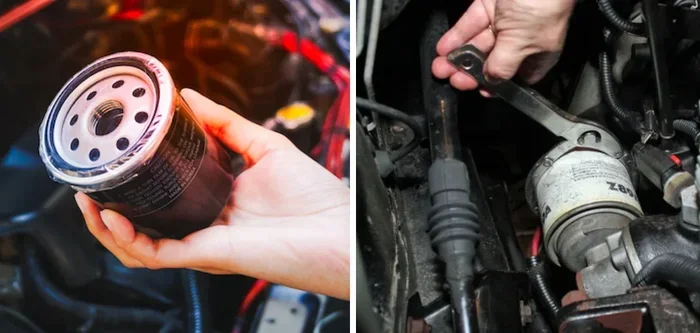
A DIY oil change requires a few basic tools. You need a socket wrench, an oil filter wrench, a drain pan, and of course, the right oil and filter. The process involves draining the old oil, replacing the filter, and refilling with fresh oil.
The biggest advantage is cost savings. You pay only for the oil and filter. No labor charges. Many drivers also enjoy the satisfaction of doing the work themselves. It builds confidence and mechanical knowledge.
Benefits of Professional Oil Change Service
Professional technicians do more than just swap oil. They inspect your vehicle from top to bottom. They check fluid levels, tire pressure, belts, hoses, and brakes. Many service centers also reset your maintenance reminder system.
Professional service takes less of your time. You drive in and drive out. If something else needs attention, the technician catches it early. Some people also prefer the convenience of a quick lube shop that completes the job in under 30 minutes.
Which Option Is Right for You
If you are comfortable under a car and have the right tools, DIY is a great choice. If you prefer convenience and a thorough inspection, go with a professional. Either way, the most important thing is that you actually do it. Skipping oil changes is never the right move.
Choosing the Right Oil for Your Vehicle
Not all oil is created equal. Using the wrong oil can hurt your engine more than help it. Understanding viscosity ratings and oil types helps you make the best choice for your specific vehicle.
Understanding Oil Viscosity Ratings
Oil viscosity is measured using the SAE rating system. You see numbers like 5W-30 or 10W-40 on every oil bottle. The first number with the W stands for winter viscosity. The lower this number, the better the oil flows in cold temperatures. The second number represents viscosity at operating temperature.
Your owner manual specifies the right viscosity for your engine. Using the wrong weight oil can lead to poor lubrication, reduced fuel economy, and increased engine wear. Always stick with the manufacturer recommendation.
Synthetic vs Conventional vs Blend
Synthetic oil offers the best protection and performance. It is engineered in a lab to provide consistent quality and superior lubrication. Conventional oil is derived from crude oil and is more affordable. Synthetic blends combine the best of both worlds at a moderate price point.
For most modern vehicles, synthetic oil is the best choice. It lasts longer and protects better. However, older vehicles with higher mileage sometimes perform well with conventional oil. Consider your budget, your driving conditions, and your vehicle age when making the decision.
How Regular Oil Changes Protect Your Long-Term Investment
Your car is a significant investment. Regular maintenance protects that investment. Oil changes are one of the simplest and most affordable ways to extend the life of your vehicle. The benefits go far beyond just keeping the engine running.
Extending Engine Life
Studies show that vehicles with regular oil changes last significantly longer than those without. A well-maintained engine can easily reach 200,000 miles or more. Neglected engines often fail well before 100,000 miles. The difference comes down to basic maintenance habits.
Every oil change removes contaminants and restores lubrication. Think of it as a fresh start for your engine. Over thousands of miles, these fresh starts add up to years of reliable service.
Maintaining Resale Value
Buyers look for well-maintained vehicles. A complete service history boosts resale value significantly. When you can prove you kept up with oil changes and other routine maintenance, buyers trust that the car has been cared for properly.
Neglected maintenance is a red flag for potential buyers. It suggests the car may have hidden problems. A few oil change receipts can make a big difference when it is time to sell or trade in your vehicle.
Preventing Costly Repairs
The cost of an oil change is typically between $35 and $75 for most vehicles. Compare that to the cost of an engine rebuild, which can range from $3,000 to $7,000 or more. The math is simple. Regular oil changes are one of the best investments you can make.
Prevention is always cheaper than repair. Catching oil-related issues early through how does your car feel when you need an oil change awareness keeps small problems from becoming big expenses.
Quick Reference: Oil Change Checklist
Use this checklist to stay on top of your oil change schedule. Print it out or save it on your phone. It keeps you organized and ensures nothing gets missed.
- Check your owner manual for recommended oil type and interval
- Monitor the oil warning light on your dashboard
- Inspect oil color and consistency using the dipstick monthly
- Track mileage between oil changes
- Note any unusual engine noises or performance changes
- Replace the oil filter with every oil change
- Keep records of all oil changes for resale documentation
- Watch for oil spots under your parked car
Summary of Key Takeaways
Knowing how does your car feel when you need an oil change is an essential skill for every driver. Your car communicates through warning lights, unusual noises, and changes in performance. The oil warning light, engine knocking, dark gritty oil, reduced acceleration, increased fuel consumption, and rough idling are all clear signals.
Regular oil changes protect your engine, improve fuel economy, and extend the life of your vehicle. Whether you choose to do it yourself or visit a professional, the most important step is taking action. Do not wait until the damage is done.
Your car works hard every day. It deserves fresh oil and proper care. Give it what it needs and it will reward you with years of reliable, smooth driving. Listen to your car. It is always trying to tell you something.
Keep this guide handy the next time you are under the hood or sitting in traffic. Share it with a friend who might benefit from the reminder. Together, we can keep more cars running strong and more drivers safe on the road.
How does your car feel when you need an oil change is not just a question. It is a conversation between you and your vehicle. Have that conversation often. Your engine will thank you for it.
Frequently Asked Questions
What is How Does Your Car Feel When You Need An Oil Change?
How Does Your Car Feel When You Need An Oil Change is an important topic with many practical applications and benefits.
How can How Does Your Car Feel When You Need An Oil Change help me?
Understanding How Does Your Car Feel When You Need An Oil Change can improve your knowledge and provide practical solutions.