How Do You Manually Reset Car Codes In Five Minutes
Manually resetting car codes is easier than most people think. You can clear diagnostic trouble codes and turn off your check engine light in under five minutes with the right tools and a little know-how. This guide walks you through every step so you can handle the job yourself and save on costly trips to the mechanic.
So your check engine light just popped on, and you are staring at your dashboard wondering what to do next. It happens to almost every driver at some point. The good news is that you do not need to rush to the auto shop or spend hundreds of dollars just to figure out what is going on.
Manually resetting car codes is a skill that can save you time, money, and a lot of stress. Whether you are dealing with a loose gas cap or something a little more serious, knowing how to read and clear your vehicle’s diagnostic codes puts you in the driver’s seat. In this guide, we will walk you through the entire process in simple, easy-to-follow steps.
You do not need to be a mechanic or a car expert to do this. With the right tools and about five minutes of your time, you can identify what triggered the warning light, clear the code, and get back on the road. Let us dive in.
Key Takeaways
- You need an OBD-II scanner or code reader to identify and clear car codes quickly and safely.
- Locating the OBD port is the first step, and it is almost always under the dashboard on the driver side.
- Not all codes should be cleared — some signal real problems that need immediate attention.
- Driving the car after a reset helps the ECU relearn and confirm that the issue is resolved.
- Basic tools like a wrench and a code reader are all you need to manually reset car codes at home.
- Battery disconnect methods work but can erase other vehicle settings you may not want to lose.
📑 Table of Contents
What Are Car Diagnostic Codes And Why They Matter
Every modern car has a computer system called the Engine Control Unit, or ECU. This computer monitors dozens of sensors throughout the vehicle. When something is off, the ECU stores a diagnostic trouble code, also known as a DTC code. These codes are essentially error messages that tell you what part of the car is not working correctly.
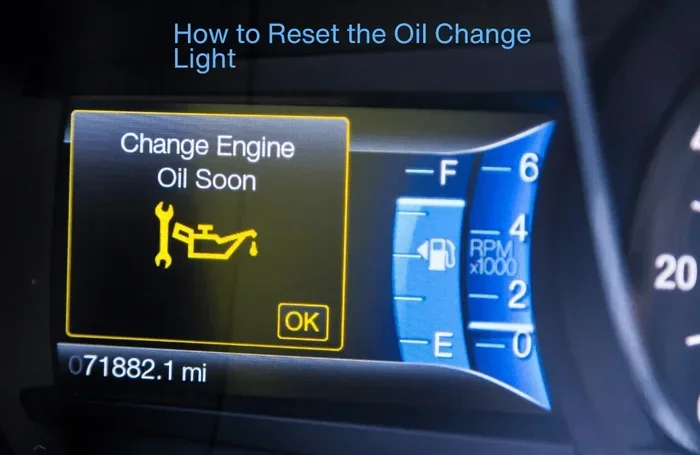
The check engine light on your dashboard is the visual alert that a code has been stored. It is like your car sending you a text message that says, “Hey, check me out.” Ignoring it is never a good idea because a small issue today can become a big repair bill tomorrow.
How Diagnostic Trouble Codes Work
When a sensor detects a problem, the ECU logs a specific code. Each code has a letter and a series of numbers. For example, a code might start with P for powertrain, B for body, C for chassis, or U for network communications. The numbers that follow give more detail about the specific issue.
Here are some common categories of codes you might see:
- P0300: Random misfire detected in the engine
- P0420: Catalyst system efficiency below threshold
- P0171: System too lean, bank one
- P0442: Evaporative emission leak detected
- P0128: Coolant thermostat temperature below regulation
These are just a few examples. There are hundreds of possible codes, and each one points to a different part of the vehicle. Understanding what the code means is the first step toward fixing the problem.
Tools You Need To Reset Car Codes
Before you start, you need the right tools. The good news is that you do not need anything fancy or expensive. Most of the tools you need are simple and easy to find at any auto parts store.
OBD-II Scanner Or Code Reader
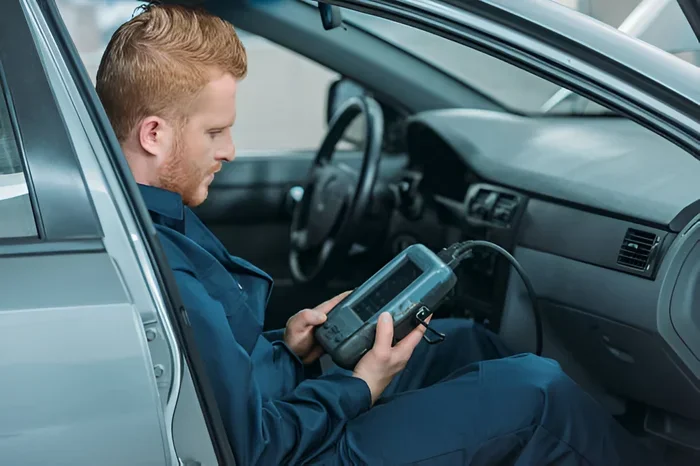
The most important tool for manually resetting car codes is an OBD-II scanner. This is a small device that plugs into your car’s diagnostic port. It reads the codes stored in the ECU and, in many cases, lets you clear them too.
There are two main types of scanners you can use:
- Basic code readers: These are affordable, usually under $30. They show you the code and a brief description. Some models let you clear codes too.
- Advanced OBD-II scanners: These cost more but offer detailed information, live data streams, and manufacturer-specific codes. They are great if you want to do more car diagnostics on your own.
If you do not want to buy a scanner, you can also visit an auto parts store like AutoZone or O’Reilly. Many of them offer free diagnostic scans. You can write down the code and then clear it yourself at home.
Other Helpful Tools
Beyond a scanner, here are a few other items that make the process smoother:
- A clean rag or cloth to wipe around the OBD port
- A flashlight to help you see under the dashboard
- A notebook or your phone to write down the codes
- A basic wrench set, in case you need to check sensors or connectors
Step-By-Step Guide To Manually Reset Car Codes
Now let us get into the actual process. Follow these steps carefully, and you will have your car codes cleared in no time.
Step One: Locate The OBD-II Port
The OBD-II port is where you plug in your scanner. In most cars, it is located under the dashboard on the driver side. You might need to look to the left of the steering column, near the area where your knees would be when sitting in the driver seat.
Some vehicles hide the port behind a small cover or a plastic panel. If you do not see it right away, check your owner’s manual. The port is required by law to be in an easily accessible spot in all cars sold in the United States since 1996.
Step Two: Plug In Your Scanner
Once you find the port, plug your OBD-II scanner into it. The connector is shaped like a trapezoid, so it only fits one way. Do not force it. If it does not go in easily, check that you have the right port.
After plugging in, turn the scanner on. Most scanners will power up automatically when they detect the connection. Wait for the scanner to communicate with the car’s ECU. This usually takes just a few seconds.
Step Three: Read The Diagnostic Codes
Your scanner will now display any stored codes. Write each one down. Do not skip this step, even if you plan to clear them right away. You want to know what codes came up so you can track any patterns over time.
Some scanners show a short description for each code. Others just show the alphanumeric code. If your scanner only shows the code, you can look it up online or in a repair manual. Understanding the code helps you decide whether the issue is minor or something that needs immediate attention.
Step Four: Clear The Codes
Now comes the actual reset. On most scanners, there is a button labeled “Clear,” “Erase,” or “Reset Codes.” Press it and confirm the action when prompted. The scanner will send a command to the ECU to erase the stored codes.
Once the codes are cleared, the check engine light should turn off. If it does not, try turning the ignition off and back on. In some cases, you may need to disconnect the scanner and restart the car.
Step Five: Verify The Reset
After clearing the codes, plug the scanner back in and do a quick scan to confirm that no codes remain. If new codes appear immediately, that is a sign that the underlying problem has not been fixed. You will need to address the root cause before the light stays off.
Common Car Codes And What They Mean
Not all check engine lights mean the same thing. Some codes point to minor issues, while others signal serious problems. Here is a closer look at some of the most common codes you might encounter.
Loose Or Faulty Gas Cap
This is one of the simplest and most common reasons for a check engine light. The evaporative emission system seals fuel vapors inside the tank. If the gas cap is loose, cracked, or missing, it triggers a leak code. Tightening the cap or replacing it often clears the code immediately.
If you recently filled up and the light came on, try tightening the cap until it clicks a few times. Drive for a day or two, and the light may go away on its own.
Oxygen Sensor Issues
The oxygen sensor measures how much oxygen is in your exhaust. A faulty sensor can cause poor fuel economy and increased emissions. This is a common code on higher-mileage vehicles. Replacing an oxygen sensor is usually straightforward and affordable.
Catalytic Converter Problems
A catalytic converter problem is one of the more expensive repairs. The catalytic converter reduces harmful emissions from the exhaust. When it fails, it often triggers a P0420 or P0430 code. Driving with a bad catalytic converter for too long can cause further damage to the engine.
If you see a code related to the catalytic converter, it is best to address it quickly. You can also check if your vehicle qualifies for free diagnostic testing at a local parts store before committing to a repair.
When You Should NOT Reset Your Car Codes
Resetting car codes can feel satisfying, especially when the check engine light goes off. But there are times when you should hold off on clearing codes. Here is what you need to know.
When The Light Is Flashing
A steady check engine light usually means a minor issue. A flashing light, on the other hand, signals a serious problem. If the light is flashing, do not ignore it. A flashing light often means engine misfires that can damage the catalytic converter. In this case, you should get the car inspected right away.
When You Have Not Identified The Root Cause
Clearing codes without understanding what caused them is like taking a fever reducer without treating the infection. The light might go off for a while, but the problem will come back. Worse, you might miss a repair that could have been cheaper if caught early.
Always read the code first, understand what it means, and then decide on the next step. If the code points to something you cannot fix yourself, take the car to a trusted mechanic.
Before An Emission Test
If you are planning to get your car inspected for emissions, do not clear the codes right before the test. Many states require the vehicle to complete a drive cycle with all monitors ready. A recently cleared code can cause the test to fail or flag the vehicle for further inspection.
Tips To Keep Your Car Running Smooth After A Reset
Once you have successfully cleared the codes, you want to keep your car in good shape so the check engine light stays off. Here are some practical tips that help.
- Drive the car for at least 50 to 100 miles after a reset. This allows the ECU to relearn and run all its self-tests. The readiness monitors need time to complete their checks.
- Check your fluid levels regularly. Low oil, coolant, or brake fluid can trigger warning lights and codes. A quick check under the hood every few weeks goes a long way.
- Keep up with scheduled maintenance. Oil changes, air filter replacements, and spark plug changes help prevent many common codes from appearing in the first place.
- Do not ignore small issues. A tiny rattle, a slight vibration, or a faint smell can be early signs of a bigger problem. Catching them early saves you money.
- Use the right fuel. Putting the wrong type of fuel in your car can trigger codes related to the fuel system. Always check your owner’s manual for the recommended fuel type.
If you are dealing with a car that has been sitting for a while or has been through rough weather, you might also want to check things like the battery, spark plugs, and belts. These simple checks can prevent unexpected codes from showing up again.
Quick Tips For A Successful Reset
Here are a few quick tips to make the process go smoothly:
- Always write down the codes before clearing them
- Make sure your scanner is fully charged or has fresh batteries
- Turn the ignition to the “on” position without starting the engine before plugging in the scanner
- Do not disconnect the scanner while the car is running
- Drive gently for the first few miles after a reset to let the ECU recalibrate
Final Thoughts On Resetting Car Codes
Manually resetting car codes is one of the simplest and most useful skills any car owner can learn. It puts you in control of your vehicle’s health and saves you money on unnecessary shop visits. With an affordable OBD-II scanner and a few minutes of your time, you can read, understand, and clear most diagnostic codes right from your driveway.
That said, resetting codes is not a substitute for proper car maintenance. Think of it as a diagnostic tool, not a magic fix. If a code comes back after you clear it, or if the check engine light returns, take the time to investigate the root cause. Sometimes a simple fix like replacing a gas cap or an oxygen sensor solves the problem. Other times, you may need professional help.
Either way, you are now equipped with the knowledge to handle most check engine light situations with confidence. The next time that little yellow light comes on, you will know exactly what to do. And remember, if you ever feel unsure about a code or a repair, do not hesitate to reach out to a trusted mechanic. Your car will thank you for it.
Stay proactive about your car’s health, keep those diagnostic codes in check, and enjoy the peace of mind that comes with knowing you can handle car maintenance like a pro.
Frequently Asked Questions
Can I manually reset car codes without a scanner?
Yes, you can disconnect the car battery for about 15 minutes to clear codes. However, this method also resets other vehicle settings like radio presets and clock. Using an OBD-II scanner is a better option because it targets only the diagnostic codes.
How long does it take to manually reset car codes?
The entire process takes about five minutes once you have your scanner. Plugging in the device, reading the codes, and clearing them is quick and straightforward. If you do not own a scanner, many auto parts stores will scan your car for free.
Will the check engine light come back after I reset the codes?
It depends on whether the underlying problem is fixed. If the issue that triggered the code is resolved, the light should stay off. If the problem persists, the code will return, and the light will come back on.
Is it safe to drive with the check engine light on?
A steady check engine light usually means a non-emergency issue, but you should still get it checked soon. A flashing light, however, means you should stop driving and get the car inspected immediately to avoid serious damage.
What is the difference between a code reader and an OBD-II scanner?
A basic code reader only reads and sometimes clears codes. An OBD-II scanner offers more features, including live data streams, readiness monitor status, and manufacturer-specific diagnostics. For most car owners, a basic code reader is all you need to manually reset car codes.
Can I use a smartphone app instead of a dedicated scanner?
Yes, there are many OBD-II adapter apps that work with your smartphone. You plug a Bluetooth or WiFi adapter into the OBD port, and the app displays the codes on your phone. These apps are convenient and often cheaper than buying a standalone scanner.