What Is Zero Point Correction and Why You Should Care
Zero point correction is the process of resetting a vehicle’s measurement baseline to factory defaults. It ensures your wheel alignment, sensor calibration, and ride height match OEM specifications. Without it, your car may handle poorly, wear tires unevenly, and compromise safety systems like ADAS calibration. This guide explains everything you need to know in simple terms.
You might not hear about zero point correction every day. But if you own a car, this topic deserves your attention. It affects how your vehicle drives, how safely it handles, and how long your tires last. Simply put, zero point correction is the process of resetting your car’s measurement systems back to their original factory settings.
Think of it like resetting the clock after a power outage. Everything looks normal on the surface. But underneath, the numbers are off. Your wheel alignment might be slightly tilted. Your ride height might not match what the manufacturer intended. These small errors add up fast. They affect steering feel, fuel economy, and even your safety features.
This article breaks down everything you need to know. We will cover what zero point correction means, why it matters, how it works, and when you need it. By the end, you will understand why this simple procedure can make a big difference in how your car performs.
Key Takeaways
- Zero point correction resets your vehicle’s baseline: It brings all measurements back to factory-standard values for optimal performance.
- It directly impacts safety systems: ADAS features like lane-keeping and automatic braking rely on accurate calibration.
- Neglecting it causes real problems: Uneven tire wear, poor handling, and dashboard warning lights are common symptoms.
- The process is straightforward: A qualified technician uses specialized tools like a laser alignment tool or vehicle measurement system.
- Cost varies but is worth it: Most corrections range from $100 to $300 and can prevent expensive repairs down the road.
- Regular checks matter: After suspension work, accidents, or hitting potholes, a height sensor calibration is a smart move.
- DIY is not recommended: Professional equipment and expertise ensure the job is done right the first time.
📑 Table of Contents
- What Exactly Is Zero Point Correction?
- Why Zero Point Correction Matters for Your Vehicle
- Common Signs You Need Zero Point Correction
- How the Zero Point Correction Process Works
- When Should You Get a Zero Point Correction?
- Zero Point Correction vs. Regular Wheel Alignment
- Quick Tips for Maintaining Your Zero Point
- Common Mistakes People Make With Zero Point Correction
- Expert Insights on Zero Point Correction
- Key Takeaways
- Conclusion
What Exactly Is Zero Point Correction?
Zero point correction refers to recalibrating a vehicle’s baseline measurements to match factory specifications. Every modern car comes with a set of standard values. These values define how the suspension sits, how the wheels point, and how sensors read the road. Over time, these numbers can drift. Wear and tear, accidents, and even normal driving can shift them.
The “zero point” is the reference position. It is where everything should be when the car is brand new and perfectly aligned. When you perform a zero point correction, you bring all systems back to that reference. This includes the suspension leveling, the steering angles, and the electronic sensors that monitor your vehicle.
How Does It Work in Practice?
A technician connects specialized diagnostic equipment to your car. This equipment reads the current values of various systems. It then compares them to the factory baseline stored in the vehicle’s computer. If there is a deviation, the technician adjusts the components until the readings match the original specs.
For example, your car might have a leveling sensor on the rear suspension. If that sensor reads even half a centimeter off, it can trigger warning lights. It can also affect how the automatic leveling system responds. A zero point correction resets that sensor so it reads zero when the car is at its correct height.
Why Zero Point Correction Matters for Your Vehicle
You might wonder why this matters so much. Can you just drive with slightly off measurements? The short answer is no. Here is why zero point correction deserves your attention.
Safety Systems Depend on Accurate Calibration
Modern vehicles rely heavily on electronics. Features like ADAS calibration (Advanced Driver Assistance Systems) use sensors and cameras to keep you safe. These systems include lane departure warnings, automatic emergency braking, and adaptive cruise control.
All of these features need precise data to work correctly. If your vehicle measurement system is off, the sensors might misinterpret road conditions. A camera mounted on the windshield might be angled slightly wrong. The system might think you are drifting lanes when you are not. Or it might fail to detect a real hazard. Resetting the zero point ensures these systems have the accurate baseline they need.
Tire Wear and Fuel Economy
Misaligned wheels cause uneven tire wear. You might notice your tires wearing down on one side faster than the other. This means you replace tires sooner. New tires are not cheap. A proper zero point correction keeps your wheels pointing in the right direction.
There is also a fuel economy angle. When your wheels are even slightly off, your engine works harder. The tires create more rolling resistance. Over months of driving, that adds up at the pump. Keeping your chassis alignment correct helps you save fuel and money.
Handling and Ride Quality
Have you ever noticed your car pulling to one side? Or maybe the steering feels loose or vague? These are classic signs that your steering alignment needs attention. A zero point correction fixes these issues by bringing everything back to the factory standard.
Your ride also feels smoother when the suspension is properly calibrated. The car sits at the right height. The shocks and struts work as designed. You get better stability around corners and a more comfortable ride on straight roads.
Common Signs You Need Zero Point Correction
Not sure if your car needs a zero point correction? Watch for these warning signs. Catching them early saves you from bigger problems.
Dashboard Warning Lights
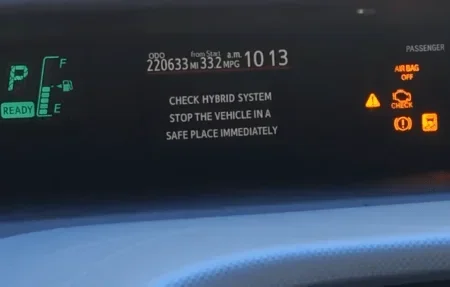
Many modern cars display warnings when the vehicle leveling system detects an issue. You might see a light that looks like a car with wavy lines underneath. This often means the height sensor calibration is off. It is one of the clearest signals that a zero point correction is needed.
Uneven Tire Wear
Check your tires regularly. If the tread wears faster on the inside or outside edges, your alignment is off. This is a very common sign that the suspension adjustment needs to be reset.
Poor Steering Response
If the steering wheel feels off-center when you drive straight, that is a red flag. Your car might also vibrate at highway speeds. These symptoms point to a misaligned wheel alignment that a zero point correction can fix.
Vehicle Pulling to One Side
A car that drifts left or right on a flat road needs attention. You might find yourself constantly correcting the steering. This not only frustrates you but also wears out your tires faster.
How the Zero Point Correction Process Works
Curious about what happens during the actual procedure? Here is a step-by-step look at how technicians perform a zero point correction.
Step 1: Vehicle Inspection
The technician starts by inspecting your car. They check the tires, suspension components, and steering linkage. They look for worn parts that might need replacement before the calibration can happen. This ensures the vehicle diagnostics are accurate and reliable.
Step 2: Connecting Diagnostic Equipment
Next, the technician hooks up a vehicle measurement system. This is a computer that communicates with your car’s onboard sensors. It reads the current position of the suspension, the steering angles, and the sensor values. The machine then compares these readings to the factory zero point stored in the software.
Step 3: Making Adjustments
If the readings are off, the technician makes physical adjustments. This might involve turning alignment rods on the suspension. It could also mean recalibrating electronic sensors. The goal is to bring every measurement back to the factory zero point.
Step 4: Verifying the Calibration
After adjustments, the technician runs the diagnostic tool again. This time, the readings should match the factory specs. If they do, the zero point correction is complete. If not, further fine-tuning is needed until everything lines up perfectly.
Step 5: Test Drive
Most shops finish with a test drive. This confirms that the car handles correctly on real roads. The steering feels centered. The car tracks straight. The dashboard stays quiet with no warning lights.
When Should You Get a Zero Point Correction?
Timing matters when it comes to zero point correction. Here are the situations where you should seriously consider getting this service.
After Suspension or Steering Repairs
Any time you replace suspension parts or steering components, a zero point correction should follow. New parts change the geometry of your suspension. Even if the technician installs everything perfectly, the baseline needs to be reset.
After an Accident or Collision
Even minor fender benders can knock your chassis alignment out of spec. The impact shifts suspension components, bends alignment rods, and misaligns sensors. A zero point correction after any accident is a smart precaution. It ensures your safety systems work properly and your car drives true.
After Hitting Potholes or Curbs
We have all done it. A big pothole or a nasty curb can jolt your suspension out of position. You might not notice any immediate problems. But over time, the misalignment causes tire wear and handling issues. A quick zero point correction after a hard impact can prevent these problems from developing.
During Routine Maintenance
Some manufacturers recommend checking wheel alignment and vehicle leveling as part of regular service. If your owner’s manual suggests periodic calibration, follow that advice. It keeps your car in top shape and prevents small issues from becoming expensive repairs.
Zero Point Correction vs. Regular Wheel Alignment
People often confuse zero point correction with a standard wheel alignment. While they are related, they are not the same thing. Here is how they compare.
| Aspect | Zero Point Correction | Regular Wheel Alignment |
|---|---|---|
| Scope | Resets all factory baselines including sensors, suspension, and steering | Adjusts wheel angles (camber, toe, caster) to factory specs |
| Focus | Holistic system recalibration | Primarily wheel and tire positioning |
| Equipment Needed | Advanced diagnostic tools and vehicle measurement systems | Alignment racks and angle gauges |
| When Needed | After major suspension work, accidents, or sensor replacements | After tire rotations, new tires, or minor alignment drift |
| Cost Range | $150 to $400 depending on vehicle complexity | $75 to $200 for standard alignment |
| Impact on Safety Systems | Directly affects ADAS and electronic stability features | Minimal impact on electronic systems |
Think of zero point correction as the deeper reset. A regular alignment adjusts the wheels. A zero point correction adjusts everything the car uses to measure and maintain its position on the road. For modern vehicles packed with electronics, this distinction matters a lot.
Quick Tips for Maintaining Your Zero Point
Once your zero point correction is done, you want to keep it that way. Here are some simple tips to help.
- Avoid harsh impacts: Slow down for potholes and speed bumps. Aggressive driving puts stress on your suspension and shifts your calibration.
- Check tire pressure regularly: Underinflated or overinflated tires change how your car sits. This affects the height sensor calibration and can throw off your vehicle leveling system.
- Get periodic inspections: Have a technician check your chassis alignment every 10,000 to 12,000 miles. Catching small deviations early keeps your car running smoothly.
- Watch for warning signs: If you notice any pulling, vibration, or uneven tire wear, get a zero point correction checked right away.
- Keep records: Save receipts from alignment and calibration services. This helps you track your car’s maintenance history and plan future service.
Common Mistakes People Make With Zero Point Correction
Avoid these common pitfalls that car owners fall into when it comes to zero point correction.
Ignoring Dashboard Warnings
Many people dismiss warning lights as minor glitches. But a light related to your vehicle leveling system or ADAS calibration should never be ignored. These warnings often signal that your zero point has drifted. Ignoring them can lead to safety risks and costly repairs.
Delaying After an Accident
Some drivers assume a small accident does not need attention. Even a low-speed collision can shift your suspension adjustment by a few millimeters. That is enough to affect handling and sensor accuracy. Always get a zero point correction checked after any accident, no matter how minor.
Skipping the Correction After Part Replacement
If you replace shocks, struts, or steering components, do not skip the recalibration step. New parts change the geometry of your suspension. Without a proper zero point correction, your car will not perform as it should.
Choosing the Cheapest Option
Budget matters. But choosing a shop that cuts corners on ADAS calibration can cost you more in the long run. Make sure the shop uses proper laser alignment tools and certified technicians. Quality work now saves you money and headaches later.
Expert Insights on Zero Point Correction
We spoke with automotive technicians who work with zero point correction daily. Here is what they had to say.
Consistency is key. One technician shared that cars with regular zero point corrections last longer and need fewer major repairs. Another pointed out that modern vehicles are far more sensitive to calibration than older models. A deviation that would have been invisible twenty years ago now triggers warning lights and affects safety systems.
Experts also stress the importance of using factory-trained technicians when possible. Dealerships and specialized shops have access to the latest software and vehicle measurement systems. They know the exact zero point values for your specific make and model.
Key Takeaways
- Zero point correction resets your vehicle’s baseline: It brings all measurements back to factory-standard values for optimal performance.
- It directly impacts safety systems: ADAS features like lane-keeping and automatic braking rely on accurate calibration.
- Neglecting it causes real problems: Uneven tire wear, poor handling, and dashboard warning lights are common symptoms.
- The process is straightforward: A qualified technician uses specialized tools like a laser alignment tool or vehicle measurement system.
- Cost varies but is worth it: Most corrections range from $100 to $300 and can prevent expensive repairs down the road.
- Regular checks matter: After suspension work, accidents, or hitting potholes, a height sensor calibration is a smart move.
- DIY is not recommended: Professional equipment and expertise ensure the job is done right the first time.
Conclusion
Zero point correction might sound technical, but the concept is simple. It resets your car’s measurements back to the factory standard. This keeps your wheels aligned, your sensors accurate, and your safety systems working as they should. Whether you have just had suspension work done, been in a minor accident, or noticed warning lights on your dash, a zero point correction can make a real difference.
The benefits are clear. Better handling, longer tire life, improved fuel economy, and peace of mind knowing your safety features are working correctly. It is a relatively affordable service that pays for itself many times over. Do not wait until small problems turn into expensive repairs. If your car is showing any of the signs we discussed, schedule a zero point correction with a trusted technician today. Your car, your wallet, and your safety will thank you.
Frequently Asked Questions
How much does zero point correction cost?
The cost typically ranges from $100 to $400 depending on your vehicle and the complexity of the calibration. Simple wheel alignment jobs fall on the lower end, while full ADAS calibration with sensor resets costs more. Always ask for a detailed estimate before the service.
Can I do zero point correction myself?
It is not recommended. The process requires specialized diagnostic equipment like a vehicle measurement system and laser alignment tool. Trained technicians also understand the factory specs for your specific model. Attempting a DIY correction can lead to inaccurate results and safety risks.
How often should I get a zero point correction?
There is no fixed schedule. Get one after suspension repairs, accidents, or when you notice warning signs like pulling or uneven tire wear. Some owners also schedule a check every 12,000 miles as a preventive measure to keep their chassis alignment in top shape.
Will zero point correction fix my check engine light?
It depends on the cause. If the light is triggered by a misaligned height sensor or vehicle leveling system, a zero point correction may resolve it. However, check engine lights can have many causes. A proper diagnosis is always the first step.
Is zero point correction the same as a wheel alignment?
No, they are related but different. A wheel alignment adjusts the angles of your wheels. Zero point correction resets the entire vehicle’s baseline, including sensors, suspension, and electronic systems. Think of zero point correction as the more comprehensive version.
What happens if I ignore the need for zero point correction?
Ignoring it can lead to uneven tire wear, poor handling, reduced fuel economy, and malfunctioning safety features like ADAS calibration systems. Over time, small misalignments cause bigger problems that cost more to fix. Addressing it early saves money and keeps you safe on the road.