How Do I Get Rid of an Engine Management Light Quickly
The engine management light is one of the most common dashboard warnings drivers face. This guide shows you exactly how to get rid of an engine management light fast, whether through simple DIY fixes or professional diagnostics. You will learn what triggers the light, how to read trouble codes, and when it is safe to ignore the warning.
That little yellow or orange engine-shaped icon on your dashboard can send anyone into a panic. You are driving along, minding your own business, and suddenly the engine management light pops on. Your first thought might be the worst — is my car about to break down? The good news is that the engine management light does not always mean disaster. In most cases, it is a warning that something needs attention, and you can often fix it yourself. This guide walks you through everything you need to know about getting rid of the engine management light quickly, safely, and without wasting money.
Whether it is a loose gas cap or a faulty oxygen sensor, understanding what triggers the engine management light puts you in control. You do not need to be a mechanic to tackle this problem. With the right tools and a bit of patience, you can diagnose the issue, clear the code, and get back on the road with confidence. Let us dive into the step-by-step process of making that annoying light disappear.
Key Takeaways
- Loose fuel caps and minor sensor issues are the most common reasons the engine management light turns on, and they are easy to fix.
- An OBD-II scanner is your best friend for reading diagnostic trouble codes at home without visiting a mechanic.
- Resetting the light does not fix the root problem — always address the underlying cause first.
- Driving with the light on is sometimes safe but depends on whether you notice other symptoms like shaking or power loss.
- Regular maintenance such as checking sensors and spark plugs helps prevent the light from coming back.
- Ignoring the light for too long can lead to expensive repairs, especially involving the catalytic converter.
- A free diagnostic at many auto parts stores can save you time and money before scheduling a repair.
📑 Table of Contents
What Is the Engine Management Light?
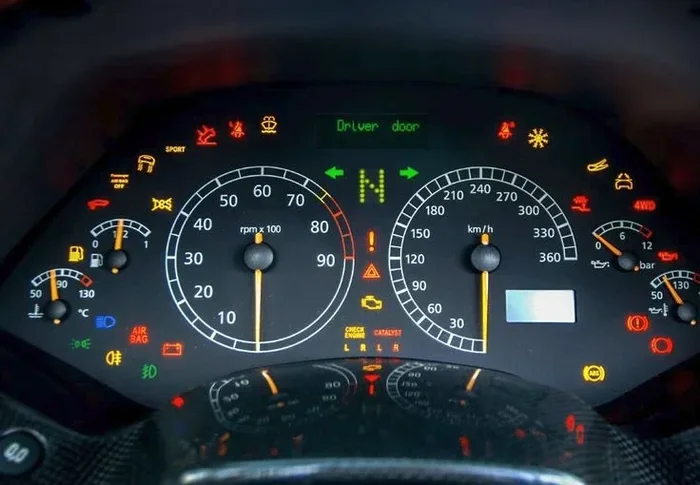
The engine management light, also called the check engine light, is part of your car’s onboard diagnostics system. This system monitors dozens of sensors and components in real time. When something falls outside the normal range, the engine management light turns on to alert you. It is essentially your car’s way of saying, “Hey, check me out.”
The light can appear in different forms. Some cars show an engine icon, while others simply say “CHECK ENGINE.” The color matters too. A yellow or amber light usually means you should get it checked soon but it is not an emergency. A red light, on the other hand, often signals a serious problem that needs immediate attention. If you see a red engine light, pull over safely and turn off the engine.
The onboard diagnostics system, known as OBD-II in vehicles made after 1996, stores a diagnostic trouble code whenever the engine management light activates. This code is the key to figuring out what is wrong. Without it, you are basically guessing. With it, you can pinpoint the exact issue and choose the right fix.
Common Reasons Your Engine Management Light Comes On
Understanding what triggers the engine management light is the first step toward fixing it. Many causes are simple and inexpensive to repair. Others require professional attention. Here are the most common reasons the light shows up on your dashboard.
Loose or Faulty Fuel Cap
This is the number one most common cause of the engine management light. The fuel cap seals the fuel system and maintains proper pressure. When it is loose, cracked, or missing, fuel vapors escape and the system flags an error. The fix is ridiculously simple — just tighten the cap or replace it. After a few drive cycles, the light usually goes away on its own.
Oxygen Sensor Problems
The oxygen sensor measures how much unburned oxygen is in your exhaust. It helps the engine control unit adjust the fuel-to-air mixture. When this sensor fails, your car may run rich or lean, which hurts fuel efficiency and increases emissions. Replacing an oxygen sensor is a common repair that costs between $100 and $300 depending on your vehicle.
Catalytic Converter Issues
The catalytic converter reduces harmful emissions by converting toxic gases into less harmful ones. When it fails, the engine management light comes on. Catalytic converter repairs are among the most expensive, sometimes costing over $1,000. This is why you should never ignore the light for too long. A small problem can turn into a big bill fast.
Mass Airflow Sensor Malfunction
The mass airflow sensor tells the engine how much air is entering so it can deliver the right amount of fuel. A dirty or failing sensor causes rough idling, stalling, and poor engine performance. Cleaning the sensor or replacing it often resolves the issue. This is a relatively affordable fix that many car owners can do themselves.
Spark Plug and Ignition Coil Problems
Worn-out spark plugs or faulty ignition coils cause engine misfires, which directly trigger the engine management light. You might notice jerking during acceleration or a rough idle. Replacing spark plugs is one of the simplest and cheapest maintenance tasks. Ignition coils cost a bit more but are still a straightforward repair.
Emission System Faults
Your car’s emission system controls the pollutants that come out of the exhaust. Any leak, blockage, or sensor failure in this system can activate the warning light. Regular inspections of the emission system help catch small issues before they turn into costly repairs and keep your car running clean.
How to Diagnose the Problem Yourself
Before you rush to the mechanic, there are several things you can do at home to figure out what is causing the engine management light. These steps can save you time and money.
Step 1: Check the Gas Cap
Start with the simplest possible fix. Turn off the engine, open the fuel door, and remove the gas cap. Look for cracks, damage, or a worn seal. Reinstall the cap and tighten it until you hear it click. Drive for a few days and see if the engine management light goes away. In many cases, this solves the problem entirely.
Step 2: Look for Other Warning Signs
Check your dashboard for any other lights or warnings. Is the temperature gauge in the normal range? Do you notice any unusual sounds, vibrations, or a drop in power? If the engine management light is the only warning and the car drives normally, the issue is likely minor. If you see other symptoms like shaking or overheating, proceed with caution and consider pulling over.
Some drivers wonder whether it is safe to keep driving when the light is on. Generally, if you do not notice any performance issues, you can drive carefully to a nearby repair shop. However, if you experience serious symptoms, it is better to call for a tow. For more guidance on driving with warning lights, check out our article on whether you can drive when a dashboard warning light is on.
Step 3: Use an OBD-II Scanner
An OBD-II scanner is the most reliable tool for diagnosing the engine management light. You can buy one for as little as $20 to $50 at any auto parts store. Plug the scanner into the diagnostic port, which is usually located under the steering column. The device will read the diagnostic trouble codes stored in your car’s computer.
Once you have the code, look it up online or in your vehicle’s manual. Each code corresponds to a specific issue. For example, code P0420 typically indicates a catalytic converter efficiency problem, while P0300 signals a random engine misfire. Knowing the code helps you decide whether the fix is something you can handle yourself or if you need a professional.
Step 4: Visit a Store for a Free Diagnostic
If you do not own an OBD-II scanner, many auto parts stores offer free diagnostics for the engine management light. They will plug in their scanner and read the codes for you at no cost. This is a great way to get a diagnosis without spending a dime. You can then decide on the next steps based on what the code means. Learn more about getting a free diagnostic in our dedicated guide.
How to Get Rid of the Engine Management Light
Once you have identified and fixed the problem, the next step is clearing the engine management light. Here are the most effective methods.
Method 1: Drive It Off
After fixing the issue, the simplest way to turn off the engine management light is to drive the car. The onboard diagnostics system runs through several drive cycles to verify that the problem is resolved. If everything checks out, the light turns off automatically. This usually takes three to seven days of normal driving. The key is to avoid triggering the same fault again during this period.
Method 2: Disconnect the Battery
Disconnecting the battery resets the car’s computer and clears the stored codes. To do this, turn off the engine, open the hood, and use a wrench to loosen the negative battery terminal. Wait at least 15 minutes before reconnecting it. This method works well for minor issues, but keep in mind that it also erases other settings like your radio presets and clock.
For more advanced troubleshooting, some car owners choose to reprogram the ECM themselves using compatible software. This approach gives you more control over your car’s computer settings and can help resolve persistent warning lights.
Method 3: Use an OBD-II Scanner to Clear the Code
If you have an OBD-II scanner, you can clear the diagnostic trouble codes directly. Plug the scanner in, navigate to the “Clear Codes” option, and confirm. The engine management light should turn off immediately. However, if the underlying problem is not truly fixed, the light will come back after a few drive cycles. This method is best used after you have already repaired the issue.
Comparison of Methods
| Method | Cost | Difficulty | Best For |
|---|---|---|---|
| Drive It Off | Free | Easy | Minor issues after repair |
| Disconnect Battery | Free | Easy | Quick reset, minor codes |
| OBD-II Scanner | $20-$50 | Moderate | Precise code clearing and diagnosis |
| Visit a Mechanic | Varies | Easy | Complex or recurring issues |
When to See a Professional Mechanic
Not every engine management light situation is a DIY project. Some issues require the expertise of a trained mechanic. Here are the signs that you should seek professional help.
The Light Flashes Instead of Staying Solid
A flashing engine management light is much more serious than a solid one. It usually indicates a severe misfire that can damage the catalytic converter. If the light flashes, reduce your speed, avoid heavy acceleration, and get to a repair shop as soon as possible. Continuing to drive with a flashing light can cause thousands of dollars in damage.
You Notice Multiple Warning Lights
If the engine management light appears alongside other warnings like the oil pressure light or battery light, do not delay. Multiple warnings suggest a systemic problem that needs immediate attention. Pull over safely and call for assistance if needed.
You Experience Performance Problems
Loss of power, rough idling, stalling, or poor fuel efficiency alongside the engine management light means something is seriously wrong. These symptoms often point to issues with the fuel system, ignition system, or sensors that need professional diagnosis and repair.
You Have Tried Fixing It But the Light Keeps Coming Back
If you clear the code and the engine management light returns within a few days, the root cause is not fully resolved. This happens frequently with intermittent sensor faults or wiring issues. A mechanic can perform a thorough inspection and find problems that are not obvious from the codes alone.
Many drivers hesitate to visit a mechanic because of cost concerns. The good news is that you can reduce surprises by getting an estimate first. Some repair shops offer free estimates, and many will check the codes for you at no charge. You can also search for reputable auto repair shops in your area with good reviews and transparent pricing.
Preventing the Engine Management Light From Returning
Once you have successfully cleared the engine management light, you want to keep it off. Prevention is always better than cure, and a few simple habits can make a big difference.
- Check your gas cap regularly. Make sure it is tight and in good condition. Replace it every few years if it shows signs of wear.
- Follow the recommended maintenance schedule. Regular oil changes, spark plug replacements, and air filter changes keep your engine running smoothly.
- Address small issues immediately. Do not ignore minor symptoms like a slight rough idle or decreased fuel efficiency. Small problems become big ones fast.
- Use quality fuel. Cheap or contaminated fuel can cause sensor problems and trigger the engine management light. Stick with reputable gas stations.
- Monitor your dashboard. Get in the habit of checking all your dashboard warning lights every time you start the car. Early detection saves money.
- Keep your emission system in good shape. Regular inspections of the catalytic converter, oxygen sensors, and exhaust system prevent buildup and failures.
Quick Tips for a Healthy Engine
Here are some quick tips that experienced car owners swear by:
- Keep a basic OBD-II scanner in your glove box. It costs less than a tank of gas and gives you peace of mind.
- Read your vehicle’s owner manual. It contains valuable information about what each warning light means and what to do.
- Do not ignore the light even if the car seems to drive fine. Some problems do not cause noticeable symptoms at first.
- Keep a log of any codes you have cleared. This helps you spot patterns and recurring issues over time.
- Build a relationship with a trusted mechanic. They know your car’s history and can provide better, more personalized advice.
Common Mistakes People Make With the Engine Management Light
Avoid these common mistakes that car owners make when dealing with the engine management light:
- Ignoring the light completely. Hoping it goes away on its own is one of the worst things you can do. What starts as a cheap fix can become an expensive repair.
- Clearing the code without fixing the problem. This only masks the issue temporarily. The light will come back, and you waste time and energy.
- Buying expensive parts without a diagnosis. Replacing parts blindly based on guesses is a waste of money. Always read the code first.
- Driving aggressively with the light on. Hard acceleration and high speeds put extra stress on your engine when it is already signaling a problem.
- Using cheap aftermarket parts. Low-quality sensors and components fail faster and can trigger the engine management light again shortly after replacement.
Final Thoughts
The engine management light is not something you should fear, but it is also not something you should ignore. In most cases, the cause is something simple and affordable to fix, like a loose gas cap or a worn spark plug. By following the steps in this guide, you can diagnose the problem, clear the light, and get back to driving with confidence.
Remember that the engine management light is your car’s built-in warning system. It is trying to protect you and your investment. Listen to it, respond promptly, and you will avoid most serious problems down the road. Whether you handle the fix yourself or visit a mechanic, the most important thing is to take action. A few minutes of attention today can save you hundreds of dollars tomorrow.
Stay proactive with your car’s maintenance, keep an OBD-II scanner handy, and never underestimate the power of a simple gas cap check. Your engine management light may be annoying, but it is also one of the best tools your car has to keep you safe on the road.
Frequently Asked Questions
Can I drive my car with the engine management light on?
In most cases, yes, especially if the light is solid and you do not notice any performance problems. However, if the light flashes or you experience shaking, power loss, or overheating, pull over safely and seek help. Always use caution and get the issue diagnosed as soon as possible.
How much does it cost to fix the engine management light?
The cost varies widely depending on the cause. A loose gas cap fix costs nothing, while replacing an oxygen sensor might run $100 to $300. More serious issues like a catalytic converter failure can exceed $1,000. Getting a proper diagnosis first helps you avoid surprises.
Will the engine management light reset itself?
Yes, in many cases the light will turn off on its own after you fix the problem and complete several drive cycles. The onboard diagnostics system needs to verify that the issue is resolved before it clears the code automatically. If it does not go away after a week of normal driving, you may need to clear it manually.
Can a dirty air filter cause the engine management light to come on?
Yes, a severely dirty air filter can restrict airflow and affect the mass airflow sensor readings, which may trigger the engine management light. While this is not the most common cause, it is an easy and inexpensive fix that is worth checking before assuming something more serious.
Is it safe to clear the code without fixing the problem?
No, clearing the code without fixing the underlying issue is not a real solution. The engine management light will return once the computer detects the same fault again. Always diagnose and repair the problem first, then clear the code to confirm the fix worked.
How often should I check my onboard diagnostics system?
You do not need to check proactively unless the light comes on. However, if you notice any changes in your car’s performance, fuel economy, or behavior, scanning the system is a smart first step. Keeping your OBD-II scanner handy makes this quick and easy whenever you need it.
=== CONCLUSION ===
The engine management light does not have to be scary or overwhelming. With the right knowledge and tools, you can handle it like a pro. Start with the basics — check the gas cap, look for other symptoms, and use an OBD-II scanner to read the codes. Fix the problem, clear the light, and take steps to prevent it from coming back. Your car will thank you, and your wallet will too.