How Do I Create a Maintenance Schedule for Your Home
A maintenance schedule is the foundation of a well-kept home. Building a home maintenance schedule helps you prevent costly repairs, stay organized, and keep your property in excellent condition all year long. This guide provides a step-by-step approach to creating a maintenance schedule that works for any household.
A maintenance schedule is one of the simplest tools you can use to keep your home in great shape. Without a plan, small issues pile up and turn into expensive repairs. A well-organized home maintenance schedule gives you a clear picture of what needs to be done and when. It takes the guesswork out of household maintenance and puts you in control.
Whether you are a first-time homeowner or have lived in your home for years, a maintenance schedule makes a big difference. This guide will walk you through every step of building one. You will learn how to assess your home, plan tasks by frequency, and stay consistent all year long. Let us get started.
Key Takeaways
- Start with a home assessment: Knowing your home’s specific needs is the first step to building an effective maintenance schedule.
- Break tasks into timeframes: Monthly, seasonal, and annual categories make it easier to stay on top of household maintenance.
- Use a planner or app: A maintenance tracker keeps you accountable and ensures nothing gets overlooked.
- Preventive maintenance saves money: Regular upkeep catches small issues before they become expensive repairs.
- Involve the whole household: Assigning tasks to family members makes routine maintenance manageable and consistent.
- Review and adjust regularly: Your schedule should evolve as your home ages and your needs change.
📑 Table of Contents
Why a Home Maintenance Schedule Matters
Many homeowners wait until something breaks before taking action. By that point, the repair cost can be much higher than it needed to be. A preventive maintenance approach helps you catch problems early. Think of it like a routine maintenance habit that keeps everything running smoothly.
There are three big reasons a maintenance schedule is worth your time. First, it saves money. Second, it keeps your family safe. Third, it protects the value of your investment. Let us look at each of these in detail.
Saves You Money in the Long Run
Small repairs are always cheaper than big ones. A maintenance schedule helps you spot issues before they grow. For example, cleaning your gutters regularly prevents water damage. That one simple task can save you thousands of dollars over time. Property maintenance on a regular basis is one of the smartest financial decisions a homeowner can make. Think of it as paying a little now to avoid paying a lot later.
Keeps Your Home Safe and Comfortable
A well-maintained home is a safe home. Checking your home systems like HVAC, plumbing, and electrical wiring reduces the risk of hazards. A maintenance schedule ensures you do not forget these important checks. Your family deserves a comfortable and secure living space, and a good plan makes that possible. You sleep better at night knowing you are on top of things.
Preserves Your Home’s Value
If you ever plan to sell, a documented maintenance schedule adds value to your property. Buyers look for homes that have been well cared for. Regular home upkeep shows that the property has been maintained with care. This can lead to a higher sale price and a faster sale. In a competitive market, proof of consistent property maintenance sets you apart from other sellers.
Quick Tip: Set a recurring reminder on your phone for each task on your maintenance schedule. Consistency is the key to making it stick. Even five minutes a day can prevent major problems down the road.
Assessing Your Home’s Maintenance Needs
Before you build a maintenance schedule, you need to know what your home requires. Every house is different. Age, size, location, and building materials all play a role. Taking the time to assess your home properly sets you up for success. A thorough assessment becomes the backbone of your repair checklist and maintenance planner.
Walk Through Your Home
Start by doing a thorough walk-through of every room. Look for signs of wear and tear. Check the condition of your home systems, including heating, cooling, and plumbing. Make a detailed list of everything that needs attention. This list becomes the foundation of your repair checklist. Do not skip areas like the attic, basement, and garage. These often-overlooked spaces can hide serious problems.
Consider Your Climate and Location
Where you live affects your home maintenance needs. Homes in humid climates may need more attention to moisture and mold. Coastal homes face salt air and corrosion. Cold climates require winterization tasks. Your seasonal tasks should reflect the specific challenges of your area. A maintenance schedule tailored to your location is far more effective than a generic one.
Review Your Home’s Age and History
Older homes often need more frequent routine maintenance than newer ones. If your home is over 20 years old, pay extra attention to the roof, foundation, and electrical system. A newer home may have fewer immediate concerns but still needs a solid maintenance planner approach. Knowing your home’s history helps you prioritize tasks and budget appropriately. Keep records of past repairs and upgrades to inform your planning.
Building Your Monthly Maintenance Routine
A monthly maintenance routine covers the tasks that keep your home running day to day. These are the small things that are easy to forget but make a big impact over time. A maintenance tracker or simple checklist works great for this. Consistency in your monthly habits prevents small issues from becoming big headaches.
Essential Monthly Tasks
Here are tasks that should happen every month as part of your household maintenance plan:
- Test smoke and carbon monoxide detectors: Replace batteries if needed. This is a critical home safety task that should never be skipped.
- Check plumbing for leaks: Look under sinks and around toilets. Catching a small leak early prevents water damage and mold growth.
- Clean the HVAC filter: A dirty filter reduces air quality and efficiency. This is a simple HVAC maintenance step that everyone can do.
- Inspect appliances: Check your dishwasher, washing machine, and refrigerator for any issues. Appliance care extends the life of your machines and prevents unexpected breakdowns.
- Wipe down surfaces and deep clean: A regular cleaning routine keeps your home healthy and welcoming for your family and guests.
- Test GFCI outlets: Press the test button on kitchen and bathroom outlets to ensure they are working properly.
Creating a Monthly Checklist
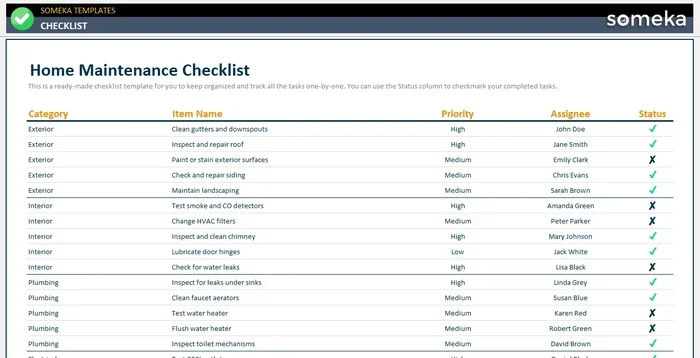
Print out or digitalize a schedule template for your monthly tasks. Hang it on the fridge or save it in a shared family app. Checking off completed tasks gives you a sense of accomplishment. It also ensures nothing slips through the cracks. A visible checklist keeps home care tips front and center in your daily routine.
Common Mistake: Many homeowners skip monthly tasks because they seem minor. But small neglect adds up fast. A maintenance schedule keeps you accountable and reminds you that small actions lead to big results.
Seasonal Maintenance Tasks
Seasonal tasks are the mid-level projects that keep your home in top shape. These tasks align with weather changes and are essential for home care tips throughout the year. A good maintenance schedule includes all four seasons. Planning ahead for each season prevents last-minute scrambles and emergency repairs.
Spring Maintenance
Spring is the time to shake off winter and refresh your home. Here is what to include in your spring maintenance schedule:
- Inspect the roof and gutters: Clear debris and check for damage after winter storms. Gutter cleaning is one of the most important spring tasks.
- Clean exterior surfaces: Power wash siding, decks, and walkways to remove winter grime and prepare for warmer weather.
- Check the foundation: Look for cracks or water intrusion after the thaw. Early detection prevents structural issues.
- Service the AC unit: Have a professional inspect your air conditioning before summer heat arrives. HVAC maintenance in spring ensures cooling efficiency.
- Refresh the lawn care schedule: Seed, fertilize, and prepare your yard for the growing season.
Summer Maintenance
Summer focuses on keeping cool and preventing heat-related damage. Key tasks include checking the HVAC system, inspecting windows and doors for proper sealing, and ensuring your home systems are running efficiently. This is also a great time to use Dawn to clean faux leather furniture or surfaces that have seen heavy use during the year. Summer is perfect for deep cleaning tasks you postponed during the busy spring season.
Fall and Winter Preparation
Fall is all about preparing for the cold months ahead. Winterization is a critical part of your seasonal tasks:
- Clean gutters and downspouts: Prevent ice dams and water backup before winter sets in.
- Insulate pipes: Protect against freezing and bursting in unheated areas of your home.
- Service the furnace: A professional inspection ensures safe and efficient heating throughout the winter.
- Check windows and doors for drafts: Add weatherstripping as needed to keep energy costs down.
- Store outdoor furniture: Protect it from harsh winter weather and extend its lifespan.
Just as you would prepare for defogging a car windshield before winter driving, your home needs seasonal prep to handle the cold. Planning ahead saves you from emergency repairs and unexpected costs. A little preparation goes a long way toward a comfortable winter.
Expert Insight: Many homeowners underestimate the importance of fall preparation. Starting your winterization early in the season gives you time to address issues before the first freeze hits. Do not wait until the temperature drops to begin your fall home maintenance tasks.
Annual and Long-Term Maintenance
Some tasks only need to happen once a year or even less frequently. These are the big-picture items that protect your home’s structure and longevity. A maintenance schedule should include these annual milestones. Missing annual tasks can lead to costly surprises that derail your home improvement budget.
Yearly Tasks to Never Skip
- Professional HVAC inspection: A yearly checkup keeps your system running efficiently and safely. This is one of the highest-value routine maintenance tasks you can do.
- Roof inspection: Look for missing shingles, damage, or general wear. A small issue can become a major leak if left unchecked.
- Plumbing audit: Check for corrosion, pressure issues, and hidden leaks. Older homes especially benefit from a yearly plumbing review.
- Home inspection: Consider a full professional home inspection every one to two years to catch hidden problems.
- Review insurance and warranties: Make sure your coverage is up to date and adequate for your current needs.
Long-Term Home Improvement Projects
Beyond annual tasks, think about long-term home improvement projects. These might include repainting exterior surfaces every 5 to 7 years, replacing the roof every 20 to 25 years, or upgrading home systems as they age. A maintenance planner helps you track these bigger timelines and budget accordingly. Planning ahead for major replacements prevents financial surprises.
| Task Type | Frequency | Estimated Cost Range |
|---|---|---|
| Filter Replacement | Monthly | $10 – $50 |
| Seasonal | $75 – $200 | |
| HVAC Service | Annual | $100 – $300 |
| Roof Inspection | Annual | $150 – $400 |
| Full Home Inspection | Every 1-2 Years | $300 – $500 |
This maintenance schedule overview gives you a clear picture of what to expect in terms of both time and cost. Adjust the ranges based on your home’s specific needs and your local market. Use this table as a starting point and customize it to fit your situation.
Common Mistake: Skipping annual inspections because everything “looks fine.” Many serious problems hide behind walls and above ceilings. A professional eye catches what you cannot see. Do not skip these important yearly checkups.
Tools and Tips for Staying on Track
Building a maintenance schedule is only half the battle. The other half is actually following through. These tools and strategies help you stay consistent and make household maintenance feel manageable instead of overwhelming.
Choose Your Planning Method
Some people prefer a paper planner. Others like digital apps. Find the method that fits your lifestyle. Popular options include:
- Spreadsheet templates: Simple and customizable. You can share them with household members and update them from any device.
- Mobile apps: Apps like HomeZada or Cozi send reminders and track completed tasks automatically.
- Wall calendars: A visual reminder in a high-traffic area keeps tasks top of mind for the whole family.
- Smart home assistants: Alexa or Google Assistant can remind you of upcoming routine maintenance without you lifting a finger.
Get the Family Involved
Household maintenance should not fall on one person alone. Assign age-appropriate tasks to each family member. Kids can handle simple jobs like testing detectors or watering plants. Sharing the load makes the maintenance schedule feel less overwhelming and teaches responsibility. When everyone contributes, the work gets done faster and with less stress.
Sometimes you need a professional opinion, much like you would get a free diagnostic for your car to identify hidden issues. Do not hesitate to call a professional for tasks beyond your expertise. A licensed inspector or plumber can spot problems you might miss. Investing in professional help when needed protects your home and your wallet.
Review and Adjust Regularly
Your maintenance schedule should evolve. As your home ages, new needs arise. Review your plan at the start of each year. Add tasks for new issues and remove ones that are no longer relevant. A maintenance tracker that grows with your home is the most effective tool you can have. Flexibility is what makes a maintenance planner truly useful over the long term.
Quick Tip: At the end of each season, sit down for 15 minutes and review what you completed. Adjust the upcoming season’s tasks based on what you noticed. This simple habit keeps your maintenance schedule fresh and relevant. It only takes a few minutes but pays off significantly.
Conclusion
Creating a maintenance schedule for your home is one of the best investments you can make. It saves you money, protects your family, and preserves your property value. Start small with monthly tasks, add seasonal projects, and build in annual reviews. The key is consistency and making it a habit. Your future self will thank you when problems are caught early and your home stays in excellent shape for years to come.
Take action today. Grab a notebook, walk through your home, and start building the maintenance schedule that works for you. A well-planned approach to home maintenance brings peace of mind and a better living environment for everyone in your household. Do not wait for something to break. Be proactive and enjoy the benefits of a well-maintained home.
Frequently Asked Questions
How often should I update my maintenance schedule?
You should review your maintenance schedule at least once a year, ideally at the start of a new year. As your home ages or after major weather events, add or adjust tasks. A maintenance tracker that is regularly updated is far more effective than one that sits unused on a shelf.
What is the most important task on a home maintenance schedule?
Testing smoke and carbon monoxide detectors is arguably the most critical monthly task. It is simple, fast, and directly protects your family’s safety. Pair this with regular HVAC filter changes for the best preventive maintenance results across your home.
Can I create a maintenance schedule for a rental property?
Absolutely. A maintenance schedule works for any property, whether it is your primary home or a rental. For rental properties, focus on tasks that protect tenant safety and preserve the value of your investment. A property maintenance plan helps landlords stay compliant and avoid costly emergency repairs.
Do I need professional help to follow a maintenance schedule?
Many tasks on a maintenance schedule are DIY-friendly, such as changing filters or cleaning gutters. However, tasks like HVAC servicing, roof inspections, and electrical checks benefit from a professional touch. Think of it like driving a car without a muffler — sometimes you need an expert to identify and fix what you cannot see yourself.
How do I remember to follow my maintenance schedule?
Set recurring reminders on your phone or use a digital app that sends notifications. A maintenance planner with built-in alerts takes the mental load off your shoulders. You can also tie tasks to calendar events, like scheduling HVAC service before summer heat arrives or gutter cleaning after autumn leaves fall.
What should a beginner include in their first maintenance schedule?
Start with the basics: monthly filter checks, seasonal gutter cleaning, and an annual professional inspection. A simple schedule template with these core tasks gives new homeowners a solid foundation. You can always expand it as you learn more about your home’s unique needs and identify areas that need extra attention.