Can a Hybrid Battery Really Last 300 Thousand Miles
Yes, a hybrid battery can last 300 thousand miles with proper care. Most hybrid vehicles are built with durable battery systems designed for long-term use. Understanding how your hybrid battery life works and following a solid maintenance routine can help you reach that impressive milestone without a costly replacement.
Can a hybrid battery really last 300 thousand miles? It is a question that crosses the minds of many car buyers and current hybrid owners. The short answer is yes. With modern technology and proper care, your hybrid battery can easily reach the 300,000-mile mark.
Hybrid vehicles have come a long way since the early 2000s. Back then, drivers worried about battery failure every few years. Today, manufacturers build hybrid powertrains with long-term durability in mind. The batteries are designed to handle years of hard work, and many owners find that their hybrid battery life far exceeds factory expectations.
In this article, we will break down everything you need to know about hybrid battery longevity. We will cover what affects battery health, how to extend your battery’s lifespan, and what you can do to make sure your hybrid keeps running strong for hundreds of thousands of miles.
Key Takeaways
- Hybrid batteries are built to last: Most manufacturers design them for 150,000 to 300,000+ miles of driving.
- Maintenance matters: Regular hybrid system checks and good driving habits extend battery life significantly.
- Climate plays a role: Extreme heat and cold can accelerate battery degradation over time.
- Warranty coverage helps: Many hybrids come with 8-10 year battery warranties that protect your investment.
- Replacement is not always needed: Individual battery cells can be serviced instead of replacing the entire pack.
- Driving habits affect longevity: Smooth acceleration and regenerative braking help preserve battery health.
- 300k miles is achievable: With the right care, many hybrid owners report crossing this threshold without major battery issues.
📑 Table of Contents
- Understanding Hybrid Battery Basics
- What Affects Hybrid Battery Life?
- How Long Do Hybrid Batteries Typically Last?
- Can You Make a Hybrid Battery Last 300 Thousand Miles?
- Hybrid Battery Replacement: What to Expect
- Tips for Maximizing Hybrid Battery Longevity
- Common Mistakes That Shorten Hybrid Battery Life
- Hybrid Battery Life: The Bottom Line
Understanding Hybrid Battery Basics
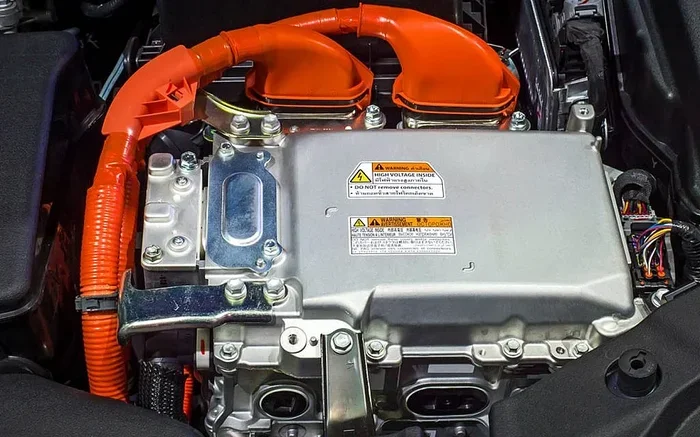
Before diving into longevity, it helps to understand what makes a hybrid battery different from a regular car battery. Your hybrid uses a high-voltage battery pack that works alongside a gas engine and an electric motor. This setup allows your car to switch between power sources seamlessly.
The battery stores energy that comes from regenerative braking and the gas engine. When you slow down, the system captures energy that would normally be lost. It sends that energy back to the battery. This clever process reduces wear on the battery and helps it last longer.
Types of Hybrid Batteries
Not all hybrid batteries are the same. Different vehicles use different battery technologies. Here is a quick look at the most common types:
- Nickel-Metal Hydride (NiMH): Older hybrids used this type. It is durable and handles heat well. Many early Toyota Prius models relied on NiMH batteries.
- Lithium-Ion (Li-ion): Newer hybrids use lithium-ion batteries. They are lighter, more energy-dense, and tend to last longer than NiMH options.
- Lithium-Iron-Phosphate (LFP): Some newer models use this chemistry. It offers excellent thermal stability and a longer cycle life.
Each type has its strengths. The battery your car uses depends on the make, model, and year. But no matter the type, all hybrid batteries share one goal: to provide reliable power over many years of driving.
What Affects Hybrid Battery Life?
Many factors determine how long your hybrid battery will last. Some are within your control. Others depend on the vehicle itself. Let us look at the biggest factors that shape hybrid battery life.
Driving Habits
How you drive has a big impact on battery health. Aggressive acceleration puts extra strain on the battery. It drains the pack faster and generates more heat. Over time, this heat can degrade the internal battery cells.
On the other hand, smooth and steady driving helps the battery last longer. Gentle acceleration and gradual braking allow the regenerative braking system to work efficiently. This keeps the battery charged without putting unnecessary stress on it.
Here are some driving tips that help your hybrid battery:
- Accelerate gently from stoplights and stop signs.
- Use cruise control on highways when possible.
- Avoid hard braking whenever you can.
- Let regenerative braking do the work when slowing down.
- Do not let the battery drain completely before recharging.
Climate and Temperature
Extreme temperatures are a battery’s worst enemy. High heat speeds up chemical reactions inside the battery pack. This leads to faster degradation. Cold weather, on the other hand, reduces the battery’s ability to hold a charge.
If you live in a very hot climate, parking in the shade or a garage can help. In cold climates, keeping your car in a heated or insulated garage makes a difference. Battery temperature management is one of the most important factors in long-term battery health.
Maintenance and Care
Like any part of your vehicle, your hybrid battery needs regular attention. Skipping maintenance can shorten its lifespan. Staying on top of your hybrid vehicle maintenance schedule is one of the best things you can do.
Your mechanic should check the battery cooling system, inspect connections, and monitor battery health during routine service visits. Catching small issues early prevents them from becoming big problems later.
How Long Do Hybrid Batteries Typically Last?
Most hybrid manufacturers design their batteries to last the lifetime of the vehicle. In practical terms, that means 150,000 to 300,000 miles or more. But real-world results vary based on the factors we just discussed.
Factory Expectations vs. Real-World Results
Automakers often rate their hybrid batteries for 100,000 to 150,000 miles. However, many hybrid owners report going well beyond those numbers. Toyota, for example, has documented cases of Prius batteries lasting over 200,000 miles without any issues.
Reaching 300,000 miles is not just a dream. It happens every day with hybrids that receive proper care. The key is to stay consistent with maintenance and pay attention to warning signs.
Warranty Coverage
Most hybrid vehicles come with a battery warranty that covers 8 years or 100,000 miles. Some states, like California, extend this to 10 years or 150,000 miles. This warranty gives owners peace of mind and protects against early battery failure.
Even after the warranty expires, many batteries continue to function well for another 100,000 miles or more. The warranty is a safety net, not a deadline for battery life.
Can You Make a Hybrid Battery Last 300 Thousand Miles?
The real question most owners ask is whether 300,000 miles is realistic. The answer is a definite yes. But it requires effort and attention on your part. Here is what you need to know about pushing your hybrid battery to that milestone.
Monitor Your Battery Health
Most modern hybrids have built-in battery health monitors. You can check your battery status through the dashboard display. If your vehicle does not have this feature, a mechanic can run a hybrid system check during service appointments.
Watch for these warning signs that your battery may be degrading:
- The fuel economy drops significantly.
- The battery charge indicator fluctuates more than usual.
- The car relies more on the gas engine than before.
- You see warning lights on the dashboard.
- The vehicle makes unusual noises when starting or accelerating.
Catching these signs early gives you time to address the problem before it becomes expensive.
Keep the Battery Cool
Heat is the number one killer of hybrid batteries. The cooling system in your vehicle plays a vital role in maintaining battery health. Make sure the coolant levels are checked and topped off during every service visit.
If your hybrid has a dedicated battery cooling fan or radiator, have it inspected regularly. A failing cooling system can cause the battery to overheat. Over time, overheating leads to permanent damage and reduced capacity.
Avoid Deep Discharges
Letting your hybrid battery drain completely can harm its long-term health. The battery cells perform best when kept between 20% and 80% charge. Try to avoid running the battery down to empty on a regular basis.
This is especially important for plug-in hybrids. If you have a plug-in hybrid, do not wait until the battery is completely dead before charging it. Keeping the charge level in the optimal range helps preserve battery life over the long haul.
Drive Your Hybrid Regularly
Batteries do not like to sit unused for long periods. If you drive your hybrid every day, the battery stays active and balanced. The regenerative braking system keeps the cells in good condition through regular use.
If you own a second vehicle and rarely drive the hybrid, take it for a long drive at least once a week. This keeps the battery cells active and prevents imbalance. A well-used battery tends to last longer than one that sits idle.
Also, if you are ever stuck and need to start your hybrid after a long period of not driving, you might wonder if you can start it manually. While most hybrids use a push-button start, you may ask yourself, can you start a keyless car with a key in an emergency? The answer is yes in most cases, and knowing this can save you from a stressful situation.
Hybrid Battery Replacement: What to Expect
Even with the best care, all batteries eventually degrade. When your hybrid battery starts to fail, you have options. Replacing the entire battery pack is one option, but it can be expensive.
Full Replacement Costs
The cost of a new hybrid battery pack can range from $2,000 to $8,000 or more. The price depends on the vehicle make and model, the battery type, and whether you choose a new or refurbished unit.
Before you decide to replace the entire pack, explore other options. Many shops can rebuild or refurbish your existing battery. This is often a fraction of the cost of a full replacement.
Cell-Level Repair
Here is a great tip that many hybrid owners do not know. You do not always need to replace the entire battery pack. Often, only one or a few battery cells are failing. A skilled technician can replace just the bad cells and leave the healthy ones in place.
This approach can save you thousands of dollars. It also reduces waste and is better for the environment. Before committing to a full replacement, always get a second opinion from a hybrid specialist.
DIY and Aftermarket Options
Some adventurous owners choose to replace individual cells themselves. There are aftermarket kits available that make this process easier. However, this should only be attempted if you have experience working with high-voltage systems.
Working on a hybrid battery can be dangerous if you do not know what you are doing. The high voltage can cause serious injury. Always prioritize safety and consult a professional if you are unsure.
Tips for Maximizing Hybrid Battery Longevity
Want to make sure your hybrid battery reaches 300,000 miles or more? Follow these practical tips to get the most out of your investment.
- Follow the manufacturer’s maintenance schedule. Stick to the recommended service intervals for your hybrid vehicle.
- Check the battery coolant system regularly. A well-functioning cooling system is essential for battery health.
- Drive smoothly. Avoid aggressive acceleration and hard braking whenever possible.
- Keep the battery charged in the optimal range. Do not let it drain completely or charge it to 100% every single day.
- Store your hybrid properly. If you will not drive it for an extended period, keep it in a climate-controlled garage.
- Address warning signs immediately. Do not ignore dashboard lights or changes in fuel economy.
- Use the right fuel. Always use the fuel grade recommended by your vehicle manufacturer.
Taking these steps does not guarantee that your battery will never have issues. But it dramatically increases the chances of reaching that 300,000-mile milestone without a major battery problem.
Common Mistakes That Shorten Hybrid Battery Life
There are several things hybrid owners do that unknowingly shorten their battery life. Avoiding these mistakes can add years of service to your battery pack.
Ignoring Warning Signs
Many owners notice small changes in performance but ignore them. A slight drop in fuel economy or a subtle change in how the car feels can signal early battery problems. Addressing these issues early can prevent costly repairs later.
Skipping Regular Maintenance
Some people think hybrids require less maintenance than gas-only cars. While it is true that hybrids have fewer brake replacements thanks to regenerative braking, they still need regular service. Skipping oil changes, coolant flushes, and battery checks can lead to premature battery failure.
And if you ever find yourself in a situation where your car won’t start, you might wonder if you can jump start a hybrid car. The answer is yes, but it requires knowing the correct jump-start procedures for your specific hybrid model. Always consult your owner’s manual first.
Overcharging or Undercharging
Both extremes are harmful to hybrid batteries. Overcharging can cause heat buildup and cell damage. Undercharging can lead to sulfation, which reduces the battery’s ability to hold a charge.
Keep your battery in the sweet spot. Most experts recommend maintaining a charge level between 40% and 80% for daily driving. This balance helps the battery stay healthy over the long term.
Hybrid Battery Life: The Bottom Line
A hybrid battery is one of the most durable components in any modern vehicle. With proper care, smart driving habits, and regular maintenance, reaching 300,000 miles is well within reach. The technology behind hybrid powertrains has matured significantly, and today’s batteries are built to go the distance.
Remember that your driving style, climate, and maintenance routine all play a role in how long your battery lasts. Take control of the factors you can manage, and your hybrid battery will reward you with years of reliable service.
Whether you are considering buying a hybrid or already own one, understanding battery longevity is essential. The more you know about how your hybrid system works, the better equipped you are to keep it running strong for decades.
If you are curious about how hybrids handle fuel-only driving, you might enjoy learning about whether a hybrid can run without gas. Understanding the full capabilities of your hybrid vehicle helps you make the most of every mile.
And for those wondering about the switch between power sources, check out at what point does a hybrid switch to gas to understand the mechanics behind how your vehicle decides when to use the electric motor versus the gas engine.
Frequently Asked Questions
How long does a hybrid battery typically last?
Most hybrid batteries are designed to last between 150,000 and 300,000 miles. With proper maintenance and good driving habits, many owners find their batteries lasting well beyond the factory estimate. The key is staying consistent with regular service and monitoring battery health.
Is it expensive to replace a hybrid battery?
Replacement costs can range from $2,000 to $8,000 depending on the vehicle. However, many shops offer cell-level repairs that cost significantly less. Before replacing the entire pack, always explore refurbished options and cell-level repairs to save money.
Can I drive my hybrid if the battery is failing?
Yes, you can usually still drive a hybrid with a degrading battery. The gas engine will take on more of the workload. However, fuel economy will drop and performance may suffer. It is best to address battery issues promptly to avoid further damage to the hybrid system.
Does regenerative braking really help battery life?
Absolutely. Regenerative braking reduces the strain on the battery by capturing energy during deceleration. It also reduces wear on the brake pads. This system is one of the main reasons hybrid batteries tend to last longer than many people expect.
What temperature is best for a hybrid battery?
Most hybrid batteries perform best between 60°F and 80°F. Extreme heat above 100°F and extreme cold below 20°F can accelerate degradation. Parking in a garage and using climate control helps maintain optimal battery temperature.
Should I charge my plug-in hybrid every day?
No, you do not need to charge every day. Keeping the battery between 40% and 80% is ideal for long-term health. Charging to 100% daily can put unnecessary stress on the battery cells over time.
=== CONCLUSION ===
Can a hybrid battery last 300 thousand miles? The answer is a resounding yes. Hybrid battery technology has advanced to the point where reaching 300,000 miles is not only possible but common for well-maintained vehicles. The combination of durable battery cells, smart regenerative braking systems, and improved thermal management makes long battery life a realistic expectation.
Your role as the owner matters just as much as the technology. Drive smoothly, keep up with maintenance, monitor battery health, and avoid extreme temperatures whenever possible. These simple steps add up to years of reliable service from your hybrid battery.
Whether you are a first-time hybrid buyer or a long-time owner, understanding your battery’s potential helps you get the most value from your vehicle. Take the tips from this article and put them into practice. Your hybrid battery will thank you with many more miles of clean, efficient driving ahead.