What Happens When You Press the SOS Button in a Car
When you press the SOS button in your car, a chain of events kicks in fast. Your vehicle sends your GPS location to an emergency call center, and trained agents assess your situation in real time. Whether you face a crash, a breakdown, or a medical emergency, the SOS system connects you to the right help quickly. This guide walks you through exactly what happens, which cars have this feature, and how to use it effectively.
You are driving down a dark highway. Something goes wrong. Your car swerves. Or maybe you feel a sharp pain in your chest. Your hands shake. In that moment, one thing matters most: getting help fast.
That is exactly what the SOS button in your car is designed to do. It is a dedicated emergency feature that connects you to trained professionals who can send the right responders to your location. But what really happens when you press that button? Do lights flash? Does someone pick up instantly? Does your car call for you automatically?
The answer is more sophisticated than you might think. Modern vehicles use connected car technology and vehicle telematics to create a lifeline between you and emergency services. In this article, we will walk you through every step of what happens after you press the SOS button. We will cover how the system works, which cars have it, common mistakes to avoid, and practical tips that could one day save your life.
Key Takeaways
- Instant Connection to Help: Pressing the SOS button links you directly to an emergency call center that can dispatch police, fire, or medical services.
- GPS Location Sharing: The system automatically shares your exact location, even if you cannot speak or describe where you are.
- Not Just for Crashes: You can use the SOS button for medical emergencies, breakdowns, and any situation where you need urgent roadside help.
- Works in Most Modern Vehicles: Many brands including BMW, Mercedes-Benz, Ford, and Chevrolet now include this feature as part of their connected car technology.
- False Alarms Happen: Accidental presses do occur, but call centers are trained to handle them quickly without wasting resources.
- Know Your System: Understanding how your specific vehicle’s SOS system works can save precious time during a real emergency.
📑 Table of Contents
- What Exactly Is the SOS Button in Your Car?
- What Happens When You Press the SOS Button in a Car?
- How Does the SOS System Connect You to Help?
- Which Cars Have SOS Emergency Buttons?
- Tips for Using the SOS Button Effectively
- Common Mistakes People Make with the SOS Button
- Expert Insights on Car Emergency SOS Systems
- Key Takeaways
- Conclusion
What Exactly Is the SOS Button in Your Car?
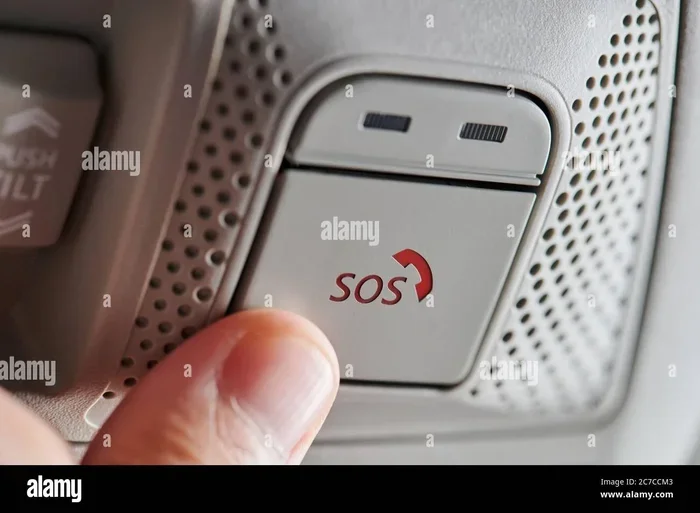
The SOS button is a dedicated emergency button found in many modern vehicles. It is usually located on the overhead console, the steering wheel, or the center console. Some cars also have a push button SOS feature built into the rearview mirror or the sunroof controls.
This button is part of a larger emergency response system embedded in your car. When activated, it triggers a series of automated actions. These include sending your GPS location to a live call center, connecting you with a trained agent, and in some cases, automatically contacting emergency services on your behalf.
How Is It Different from a Regular Phone Call?
A regular phone call requires you to dial a number, explain your situation, and share your location. The SOS button removes most of those steps. Your car handles the location sharing automatically. The call center agent already knows where you are before you even speak. This speed can make a life-or-death difference.
Additionally, many car emergency response systems include accident detection sensors. These sensors can detect a sudden deceleration, a rollover, or multiple impacts. When such events are detected, the system may automatically trigger an SOS alert even if you do not press the button yourself.
What Happens When You Press the SOS Button in a Car?
Understanding the step-by-step process helps remove the mystery and fear around using the SOS button. Here is exactly what happens when you press it.
Step One: The Button Activates the System
The moment you press the SOS button, your car’s telematics control unit wakes up. This is a small computer module inside your vehicle that manages all connected services. It establishes a data connection through your car’s built-in cellular modem.
Within seconds, your vehicle begins transmitting key data. This includes your GPS coordinates, your vehicle identification number, and the type of event that triggered the alert. All of this information travels to the emergency call center associated with your vehicle brand.
Step Two: The Call Center Receives Your Alert
At the emergency call center, a trained advisor sees your information pop up on their screen. They can see your exact location on a map. They also see details about your vehicle, such as the model, year, and whether airbags have deployed.
The advisor then attempts to make voice contact with you through the car’s built-in speakers and microphones. Many systems also send a crash notification or SOS alert to your paired smartphone at the same time.
Step Three: The Advisor Assesses the Situation
If you can speak, the advisor will ask you a few quick questions. Are you injured? Do you need police, fire, or medical help? Are you safe to stay in the vehicle or do you need to move?
If you cannot speak, the advisor uses the data they have. They look at the type of event, your location, and any sensor readings. Based on this, they dispatch the appropriate emergency services to your GPS location.
Step Four: Help Is Dispatched
Once the advisor determines what kind of help you need, they contact the relevant emergency services. They provide your precise location, the nature of the emergency, and any other critical details.
In many cases, the advisor stays on the line with you until help arrives. They can also coordinate with your roadside assistance provider if the situation involves a breakdown rather than a crash.
Step Five: Follow-Up and Support
After the immediate situation is handled, some SOS alert systems follow up. They may send a status report to your emergency contacts if you have set them up in advance. They may also log the event for your vehicle’s service history.
How Does the SOS System Connect You to Help?
The technology behind the SOS button is impressive. It combines several systems working together seamlessly.
The Role of Vehicle Telematics
Vehicle telematics is the backbone of the SOS system. Telematics combines telecommunications and informatics. In simple terms, it means your car can send and receive data over a network. This data includes your location, vehicle status, and sensor readings.
When you press the SOS button, telematics kicks into high gear. It uses the car’s built-in modem to connect to a cellular network. This is the same kind of network your phone uses, but it is built directly into the vehicle.
GPS Location Sharing
One of the most powerful features of the emergency SOS system is automatic GPS location sharing. You do not need to know your address. You do not need to describe landmarks. The system pinpoints your exact location and shares it with the call center.
This is especially valuable if you are in an unfamiliar area, on a remote road, or unable to communicate due to injury. The GPS coordinates ensure that help can find you even in the most challenging situations.
The Emergency Call Center
Every SOS button connects to a specialized emergency call center. These centers are staffed 24 hours a day, 7 days a week. The advisors are trained in emergency response protocols.
They speak multiple languages in many cases. They are familiar with local emergency service numbers and procedures. Their job is to get help to you as quickly as possible.
Which Cars Have SOS Emergency Buttons?
Not every car has an SOS button, but the feature is becoming more common. Many automakers now include it as part of their car safety features and connected car technology packages.
Popular Brands With SOS Systems
Several major automakers offer emergency SOS systems in their vehicles. Here is a look at some of the most well-known options.
| Brand | System Name | Key Feature |
|---|---|---|
| BMW | BMW Assist | Automatic crash notification and roadside help |
| Mercedes-Benz | mbrace | Emergency call and vehicle tracking |
| Ford | FordPass Connect | SOS button with automatic crash response |
| Chevrolet | OnStar | 24/7 advisor access and GPS sharing |
| Volvo | Volvo On Call | SOS and roadside assistance integration |
| Tesla | Tesla Emergency Saver | Built-in cellular connectivity and GPS sharing |
Are Aftermarket SOS Devices Available?
Yes. If your car does not have a built-in SOS system, you can add one. Several companies offer aftermarket emergency response devices. These plug into your car’s OBD-II port or connect via Bluetooth. Some work with your smartphone to provide emergency roadside support and location sharing.
Tips for Using the SOS Button Effectively
Knowing how to use the SOS button properly can make a huge difference. Here are some practical tips to keep in mind.
Know Where Your Button Is
Take a moment to locate the SOS button in your vehicle. It is often on the overhead console, the sun visor, or the steering wheel column. Some vehicles have it in the center stack near the gear shifter. Knowing its exact location before you need it is critical.
Keep Your Subscription Active
Many SOS systems require an active subscription or a trial period. Check with your dealer or manufacturer to confirm that your emergency response system is active. A dead subscription means the system will not connect you to help when you need it most.
Test the System Periodically
Some manufacturers allow you to test the SOS button without triggering a real emergency response. Check your owner’s manual for instructions. A quick test ensures the system is working and that you are familiar with the process.
Keep Your Vehicle Well-Maintained
The SOS system relies on your car’s cellular modem and GPS antenna. If these components are damaged in a collision or malfunction, the system may not work properly. Regular maintenance helps ensure everything stays operational.
Program Emergency Contacts
Many SOS alert systems let you set up emergency contacts. These are people who will be notified if you trigger the SOS button. Make sure your emergency contacts are up to date and know how the system works.
Quick Tips
- Never press the SOS button as a joke. It ties up emergency resources and could delay help for someone who truly needs it.
- Keep your phone charged. Even though the SOS system works independently, having a charged phone gives you a backup communication method.
- Stay on the line if you can. The advisor can guide you through steps that may improve your situation while help is on the way.
- Know your location basics. Even with GPS sharing, knowing the nearest highway exit or landmark can help speed things up.
Common Mistakes People Make with the SOS Button
Even with the best intentions, people make mistakes when it comes to using the SOS button. Here are some common ones to avoid.
Pressing It for Minor Issues
The SOS button is for emergencies. If you have a flat tire but you are safely on the shoulder and not in danger, call roadside assistance directly. Pressing the SOS button for minor issues can divert resources from real emergencies.
Not Knowing the System Has Expired
Many emergency response systems come with a free trial period. After that, you need an active subscription. A common mistake is assuming the system is still active when it has lapsed. Always check your subscription status.
Ignoring False Alarms
If you accidentally press the SOS button, do not just hang up. Stay on the line and let the advisor know it was a false alarm. This prevents unnecessary dispatches and keeps the system efficient for everyone.
Assuming the System Works After a Severe Crash
In a serious collision, the vehicle’s electrical system may be damaged. The SOS system depends on power and a functioning cellular connection. If the system does not activate after a crash, try using your phone to call for help manually.
Expert Insights on Car Emergency SOS Systems
We spoke with automotive safety experts about how SOS systems have evolved over the years. Here is what they had to say.
“The biggest game-changer has been automatic crash detection,” says a senior analyst at a leading automotive safety organization. “Years ago, you had to press the button. Now, many systems can detect a serious collision and trigger the SOS alert on their own. This is a huge leap forward for car safety features.”
Experts also emphasize the importance of understanding your specific vehicle’s system. “Every manufacturer does things slightly differently,” they explain. “Read your owner’s manual. Know what your SOS button does and does not do. In an emergency, that knowledge is priceless.”
How SOS Technology Is Evolving
The future of emergency response systems in cars looks promising. Manufacturers are working on integrating artificial intelligence to better assess crash severity. Some systems are being designed to communicate directly with hospital systems, sharing vital signs and injury data before paramedics even arrive.
Another exciting development is the integration of vehicle-to-everything communication. This technology allows cars to talk to other cars, infrastructure, and emergency services in real time. It could make SOS alert systems even faster and more accurate in the coming years.
Key Takeaways
Let us recap the most important points about using the SOS button in your car.
- Instant Connection to Help: Pressing the SOS button connects you to a live advisor at an emergency call center within seconds.
- Automatic Location Sharing: Your GPS coordinates are shared automatically, so you do not need to describe your location.
- Works for More Than Crashes: Use the SOS system for medical emergencies, breakdowns, and any situation where you need urgent roadside help.
- Broad Vehicle Coverage: Most major automakers now offer SOS emergency buttons as part of their connected car technology packages.
- Keep It Maintained: Ensure your subscription is active and your vehicle’s systems are well-maintained for reliable performance.
- Use It Only for Emergencies: Misusing the SOS button can delay help for others and may have consequences.
Conclusion
Pressing the SOS button in your car is one of the most important actions you can take during an emergency. The system is designed to be fast, smart, and reliable. From the moment you press the button, a well-orchestrated process kicks into gear. Your location is shared, an advisor picks up, and the right help is dispatched to you.
Understanding how this system works gives you confidence. It also ensures that you use it correctly when it matters most. Take the time to learn your vehicle’s emergency response system. Know where the button is. Keep your subscription active. Program your emergency contacts.
The SOS button is not just a feature. It is a lifeline. And knowing how to use it could one day save your life or the life of someone you love.
Frequently Asked Questions
Can I Press the SOS Button if I Am Not in Immediate Danger?
The SOS button is designed for emergencies. If you are not in immediate danger but need roadside assistance, it is better to call your roadside help provider directly. Using the SOS button for non-emergencies can tie up resources and delay responses to people who truly need help.
Does the SOS Button Work if I Have No Cell Service?
Most modern SOS systems have their own built-in cellular modem. This means they can work even if your personal phone has no signal. However, if the car’s modem also loses connectivity, the system may not function. Check your vehicle’s manual for specific details about coverage requirements.
What Should I Do if I Accidentally Press the SOS Button?
Stay on the line and let the advisor know it was a false alarm. Do not just hang up. The advisor will confirm that there is no emergency and close the case. This prevents unnecessary dispatches and keeps the system running smoothly for everyone.
Do I Need a Subscription for the SOS System to Work?
Many manufacturers offer a free trial period for their SOS system. After the trial ends, you typically need an active subscription. Without an active subscription, the emergency response features may not be available. Contact your dealer or check your owner’s manual to confirm your status.
Can the SOS Button Detect a Crash Automatically?
Yes, many modern vehicles have automatic crash response technology. These systems use sensors to detect sudden deceleration, impacts, or rollovers. When a serious event is detected, the system can automatically trigger an SOS alert and connect you to an advisor, even if you do not press the button.
How Fast Does the SOS System Connect Me to Help?
In most cases, the SOS system connects you to an advisor within 30 seconds of pressing the button. The advisor then assesses your situation and dispatches emergency services. The entire process from button press to help arriving on scene can take just a few minutes, depending on your location and the severity of the situation.