How Much Does It Cost to Charge a Jeep 4xe Explained
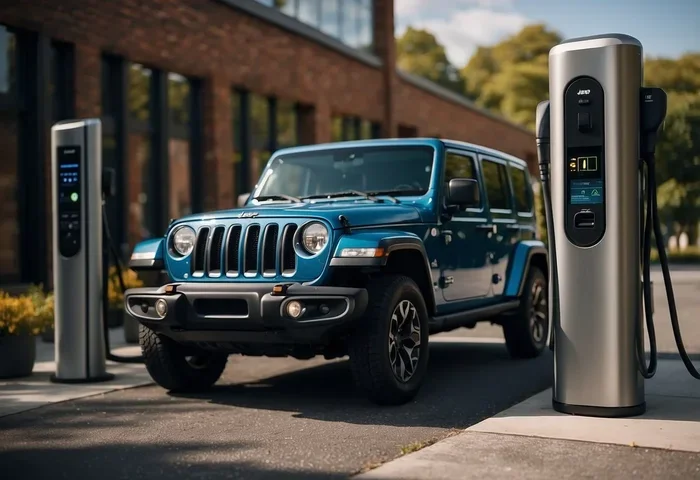
Charging a Jeep 4xe is surprisingly affordable. Most owners pay between $1 and $3 per full charge at home, which works out to less than 3 cents per mile. Compare that to gas costs, and the Jeep 4xe charging cost becomes a major reason drivers love this plug-in hybrid.
So you just bought a Jeep 4xe, or you are thinking about it. Great choice. But one question keeps popping up: how much does it actually cost to charge a Jeep 4xe? You want real numbers, not vague promises. You want to know if plugging in this truck will save you money or just add another bill to your life.
The good news is that the Jeep 4xe charging cost is one of the best parts of owning this vehicle. Whether you charge at home, at work, or on the road, the numbers are friendly to your wallet. In this guide, we walk through every charging scenario, break down the costs step by step, and share practical tips to keep your expenses as low as possible.
By the end, you will know exactly what to expect. No guesswork. No surprises. Just clear, honest numbers and advice you can use starting today.
Key Takeaways
- Home charging is cheapest: A full overnight charge costs roughly $1 to $3 depending on your electricity rate.
- Public charging costs more: DC fast charging can run $10 to $15 per session, so it is best for emergencies.
- Savings add up fast: Switching from gas to electric driving can save hundreds of dollars per year.
- Battery size matters: The Jeep 4xe has a 17 kWh battery, which is small enough to charge quickly and cheaply.
- Level 2 home chargers are ideal: A 240V setup charges faster and can be paired with a 12V to 230V car inverter for versatile home power use.
- Timing your charges saves money: Charging during off-peak hours can cut your cost in half.
- Know when the gas engine kicks in: Understanding when a hybrid switches to gas helps you maximize electric-only savings.
📑 Table of Contents
- What Is the Jeep 4xe and Why Does Charging Cost Matter?
- How Much Does It Cost to Charge a Jeep 4xe at Home?
- Public Charging Costs for the Jeep 4xe
- Comparing Charging Costs vs. Gas Costs
- Tips to Reduce Your Jeep 4xe Charging Expenses
- Common Mistakes That Increase Your Charging Costs
- Key Takeaways
- Final Thoughts on the Jeep 4xe Charging Cost
What Is the Jeep 4xe and Why Does Charging Cost Matter?
The Jeep 4xe is Jeep’s plug-in hybrid lineup. It combines a gas engine with an electric motor and a rechargeable battery. The result is a vehicle that can run on electricity alone for short trips and switch to gas when the battery gets low. This setup gives you the best of both worlds: electric efficiency and gas range.
But here is the thing. The whole point of a plug-in hybrid is to save money on fuel. If you do not understand your charging costs, you cannot fully enjoy those savings. Knowing your Jeep 4xe charging cost helps you plan your budget, choose the right charger, and decide when to plug in.
How the Jeep 4xe Battery Works
The Jeep 4xe uses a 17 kWh lithium-ion battery pack. This is a relatively small battery compared to full electric vehicles. But it is perfectly sized for daily driving. On a full charge, the 4xe can travel about 21 to 49 miles in electric-only mode, depending on the model and driving conditions.
Once the battery depletes, the gas engine takes over. This is when the hybrid switches to gas, and you start burning fuel again. The smart charging strategy is to keep the battery topped up so you stay in electric mode as much as possible.
How Much Does It Cost to Charge a Jeep 4xe at Home?
Home charging is where the real savings live. It is convenient, predictable, and usually the cheapest option. Let us break down the numbers so you can calculate your own cost.
Understanding Electricity Rates
Electricity rates vary by state, utility company, and even time of day. The national average for residential electricity in the United States is about $0.15 per kilowatt-hour (kWh). But rates can range from as low as $0.08 in some states to over $0.30 in others. To find your exact rate, check your electricity bill.
Here is a simple way to think about it. The Jeep 4xe battery is 17 kWh. If your rate is $0.15 per kWh, a full charge costs about $2.55. That is it. For less than a cup of coffee, you get 21 to 49 miles of electric driving.
Level 1 vs. Level 2 Charging at Home
There are two main ways to charge at home:
- Level 1 Charging: Uses a standard 120V household outlet. It is slow, adding about 3 to 5 miles of range per hour. A full charge takes 14 to 20 hours. The good news is that it costs nothing extra because you are just using your existing outlet.
- Level 2 Charging: Requires a 240V outlet, similar to what a dryer uses. It adds about 12 to 25 miles of range per hour. A full charge takes 2 to 4 hours. Installation costs range from $500 to $1,500, but the speed and convenience are well worth it.
For most Jeep 4xe owners, a Level 2 charger is the sweet spot. It lets you plug in when you get home and wake up to a full battery every morning.
Using a 12V Car Socket Adapter for Charging
Some owners wonder if they can use a 12V car socket to 3 pin adapter for emergency charging. While this is technically possible for small devices, it is not a practical way to charge the Jeep 4xe battery. The 12V socket provides too little power, and it would take days to charge the pack. Stick with Level 1 or Level 2 home charging for real results.
Public Charging Costs for the Jeep 4xe
Sometimes you need to charge away from home. Maybe you are on a road trip or forgot to plug in overnight. Public charging is an option, but it comes with different costs.
Level 2 Public Charging
Public Level 2 chargers are found at shopping centers, parking garages, and some workplaces. These chargers typically cost between $0.20 and $0.35 per kWh. For a full 17 kWh charge, you would pay roughly $3.40 to $5.95. That is still cheaper than a tank of gas, but not as cheap as home charging.
DC Fast Charging
DC fast chargers are the quickest option, but they are also the most expensive. Rates vary widely, from $0.30 to $0.60 per kWh or more. A full charge on a DC fast charger could cost $8 to $15. And here is the catch: the Jeep 4xe does not charge as fast on DC fast chargers as full EVs do, because of its smaller battery.
Use public fast charging only when you need it. For daily use, home charging is always the better choice.
Comparing Charging Costs vs. Gas Costs
This is where the Jeep 4xe really shines. Let us put the numbers side by side so you can see the full picture.
Cost Per Mile Comparison
Here is a quick look at how electric charging compares to gas fueling for the Jeep 4xe:
- Electric Charging Cost Per Mile: About 2 to 4 cents per mile when charging at home.
- Gas Fueling Cost Per Mile: About 12 to 18 cents per mile, depending on gas prices and driving style.
That means electric driving can save you 70% to 85% on fuel costs compared to gas-only driving. Over a year, those savings really add up. If you drive 12,000 miles annually and half of those are in electric mode, you could save $500 to $800 per year.
Keep in mind that the speed at which hybrids switch to gas affects how much you rely on electricity. Driving at moderate speeds in electric mode stretches your range and keeps costs low.
Annual Charging Cost Estimate
Let us say you charge your Jeep 4xe at home every night. Your battery is 17 kWh, and your electricity rate is $0.15 per kWh. Here is what a full year might look like:
- Cost per full charge: $2.55
- Charges per week: 4 to 5 (assuming you use most of the electric range)
- Annual charging cost: $530 to $660
- Equivalent gas cost for the same distance: $1,500 to $2,000
The difference is clear. Charging a Jeep 4xe is one of the easiest ways to cut your vehicle fuel expenses without giving up the freedom of a Jeep.
Tips to Reduce Your Jeep 4xe Charging Expenses
Want to make your charging costs even lower? These practical tips can help you squeeze every bit of savings out of your Jeep 4xe.
Charge During Off-Peak Hours
Many electricity providers offer lower rates during off-peak hours, typically at night. Check with your utility company to see if they have a time-of-use plan. Charging your Jeep 4xe overnight can cut your cost in half compared to peak-hour charging.
Install a Level 2 Home Charger
Yes, there is an upfront cost. But a Level 2 charger pays for itself over time. It charges your battery faster, which means you are less likely to rely on expensive public chargers. Some utility companies also offer rebates for installing a home charger, so check for local incentives.
Use Solar Power If Possible
If you have solar panels on your roof, your charging cost drops to nearly zero. Solar energy is free once the panels are installed, and many homeowners find that their panels generate more electricity than they use. Charging your Jeep 4xe with solar power is the ultimate money-saver.
Plan Your Trips Around Electric Range
The Jeep 4xe gives you about 21 to 49 miles of electric-only range. Plan short trips and commutes to stay in electric mode. When you do need gas, the hybrid system handles it seamlessly. Understanding when the vehicle switches to gas based on speed helps you drive smarter and save more.
Keep Your Battery Healthy
A well-maintained battery charges efficiently and holds its capacity longer. Avoid letting the battery drop to zero regularly. Instead, charge it when it reaches about 20% to 30%. This simple habit keeps your battery in good shape and ensures consistent charging performance.
Consider a Home Battery Backup
Some Jeep 4xe owners pair their home charger with a battery storage system. This lets you store cheap off-peak electricity and use it to charge your vehicle. It is an advanced move, but it can significantly reduce your long-term charging costs.
Common Mistakes That Increase Your Charging Costs
Avoiding these mistakes can keep your Jeep 4xe charging cost as low as possible.
- Relying too much on public fast charging: It is convenient but expensive. Use it only for emergencies or long trips.
- Charging during peak hours: This can double or triple your electricity cost per charge.
- Ignoring off-peak rate plans: Switching to a time-of-use plan is one of the easiest ways to save.
- Letting the battery drain completely: Deep discharges strain the battery and reduce its efficiency over time.
- Not plugging in every night: Consistency is key. Daily charging keeps the battery topped up and ready for electric driving.
Another mistake people make is overthinking the setup. You do not need fancy equipment or a complex electrical system. A basic Level 1 charger plugged into your existing outlet works fine for most daily needs. If you want faster charging, a Level 2 setup is a simple upgrade that pays for itself quickly.
Key Takeaways
- Home charging is cheapest: A full overnight charge costs roughly $1 to $3 depending on your electricity rate.
- Public charging costs more: DC fast charging can run $10 to $15 per session, so it is best for emergencies.
- Savings add up fast: Switching from gas to electric driving can save hundreds of dollars per year.
- Battery size matters: The Jeep 4xe has a 17 kWh battery, which is small enough to charge quickly and cheaply.
- Level 2 home chargers are ideal: A 240V setup charges faster and can be paired with a 12V to 230V car inverter for versatile home power use.
- Timing your charges saves money: Charging during off-peak hours can cut your cost in half.
- Know when the gas engine kicks in: Understanding when a hybrid switches to gas helps you maximize electric-only savings.
Final Thoughts on the Jeep 4xe Charging Cost
The bottom line is simple. Charging a Jeep 4xe is one of the most affordable ways to power a vehicle. Whether you charge at home every night or occasionally use a public charger, the numbers work in your favor. Most owners spend less than $10 per week on charging, and that is with regular use.
Compared to gas costs, the savings are hard to ignore. Add in the environmental benefits, the quiet electric driving experience, and the instant torque from the electric motor, and it is easy to see why the Jeep 4xe is such a compelling choice.
Start by understanding your electricity rate. Set up a charging routine that works with your schedule. And remember, every mile you drive on electric power is a mile you do not pay for with gas. The Jeep 4xe charging cost is low, the savings are real, and the driving experience is fantastic. Plug in, charge up, and enjoy the ride.
Frequently Asked Questions
How long does it take to charge a Jeep 4xe at home?
With a Level 1 charger on a standard outlet, a full charge takes 14 to 20 hours. With a Level 2 charger on a 240V outlet, it takes just 2 to 4 hours. The charging speed depends on your setup and how depleted the battery is when you start.
Can I charge my Jeep 4xe at a public charging station?
Yes, the Jeep 4xe can use public Level 2 and DC fast chargers. However, fast charging is expensive and slower on the 4xe than on full EVs. Home charging remains the most cost-effective option for daily use.
Is it cheaper to charge a Jeep 4xe than to fill up with gas?
Absolutely. A full home charge costs about $2 to $3, which is far less than filling a gas tank. Over a year, Jeep 4xe owners can save $500 to $800 or more on fuel costs compared to driving a similar gas-only vehicle.
What electricity rate do I need to know to calculate my charging cost?
Check your monthly electricity bill for the rate per kilowatt-hour (kWh). The national average is about $0.15 per kWh. Multiply that by your battery size (17 kWh) to get a rough cost per full charge. Off-peak rates can make charging even cheaper.
Does the Jeep 4xe battery degrade over time?
Like all lithium-ion batteries, the Jeep 4xe battery will slowly lose capacity over many years. However, Jeep designs the battery to last the lifetime of the vehicle. Keeping your charge between 20% and 80% helps preserve battery health and efficiency.
Can I use a 12V car inverter to charge my Jeep 4xe?
A 12V to 230V car inverter is not practical for charging the Jeep 4xe battery. It provides too little power and would take an extremely long time. Use a proper Level 1 or Level 2 charger for safe and efficient charging.