Exactly How Many Spark Plugs Are in a V6 Dodge Charger
A standard V6 Dodge Charger has six spark plugs, with one per cylinder. The 3.6-liter Pentastar V6 engine found in most Charger models uses six individual spark plugs to ignite the air-fuel mixture in each cylinder. Knowing the exact count helps with maintenance, performance tuning, and troubleshooting engine issues.
The Dodge Charger is one of the most iconic American muscle cars on the road today. Whether you own a first-generation model or a latest-year variant, understanding your engine is key to keeping it running strong. One question that comes up often is how many spark plugs are in a V6 Dodge Charger. The answer might seem simple, but there is more to it than just a number.
A standard V6 Dodge Charger has six spark plugs. Each of the six cylinders in the engine gets one spark plug to ignite the air-fuel mixture. However, the type of spark plug, the replacement schedule, and the engine specifications all matter. This guide covers everything you need to know about the spark plug count, type, and maintenance for the V6 Dodge Charger.
Whether you are a DIY mechanic or just want to understand your car better, this article breaks it all down. You will learn about the engine layout, the specific spark plugs used, when to replace them, and common mistakes to avoid. Let us dive in.
Key Takeaways
- Six Spark Plugs: A V6 Dodge Charger uses six spark plugs, one for each of the six cylinders in the engine.
- Pentastar 3.6L Engine: The standard V6 in the Dodge Charger is the Pentastar 3.6-liter engine, which is reliable and widely used.
- One Plug Per Cylinder: Unlike some HEMI V8 engines that use two plugs per cylinder, the V6 uses a single spark plug per cylinder design.
- Replacement Matters: Regular spark plug replacement keeps your engine running smoothly and maintains fuel efficiency.
- Watch for Warning Signs: Misfires, rough idling, and reduced acceleration can signal worn or failing spark plugs.
- Use the Right Type: Always match your spark plugs to the manufacturer specifications for best results.
📑 Table of Contents
Understanding the V6 Engine Configuration
Before we get into the spark plug count, it helps to understand how a V6 engine works. The name “V6” tells you a lot about the engine layout. The cylinders are arranged in a V shape, with three cylinders on each side. This design is compact yet powerful, which is why many car makers choose it for sedans, coupes, and even SUVs.
The V6 engine has been a popular choice for decades. It offers a good balance between power and fuel economy. Unlike a straight-six engine, the V6 takes up less space in the engine bay. This allows designers to create shorter hoods and better weight distribution. For the Dodge Charger, the V6 layout provides enough power for daily driving while keeping the car manageable.
Each cylinder in the V6 needs its own spark plug to fire correctly. The engine cylinders work in a specific sequence called the firing order. The spark plug fires at the right moment to ignite the compressed air-fuel mixture in the combustion chamber. This process happens thousands of times per minute at highway speeds.
How Cylinders Relate to Spark Plugs
The relationship between cylinders and spark plugs is straightforward. One cylinder equals one spark plug in most standard engines. This is true for the V6 Dodge Charger. The ignition system sends a high-voltage spark to each plug at the exact right time. The spark then jumps the gap at the tip of the plug, igniting the fuel mixture.
Some engines use a different approach. For instance, certain HEMI V8 engines use two spark plugs per cylinder. This dual-plug design helps with combustion efficiency and power output. But the V6 Dodge Charger keeps things simple with one plug per cylinder. If you are curious about how different engine configurations compare, you might find our article on 5 Cylinder Cars In India interesting for a broader look at cylinder counts.
How Many Spark Plugs Are in a V6 Dodge Charger
So, how many spark plugs are in a V6 Dodge Charger? The answer is six. Every V6 Dodge Charger, regardless of the model year, uses six spark plugs. Each of the six cylinders in the Pentastar 3.6-liter V6 engine has its own spark plug. This is the standard and most common setup for this engine.
There is no dual-spark or twin-spark design in the V6 Charger. Unlike some high-performance HEMI engines, the V6 keeps a simple one-to-one ratio. One cylinder, one spark plug. This makes maintenance straightforward and keeps costs lower compared to engines with more complex ignition setups.
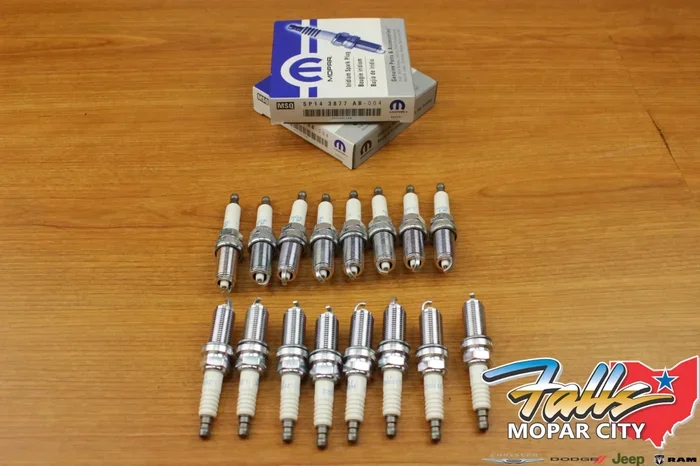
If you are replacing spark plugs, you need exactly six. Always buy a set of six to have a full replacement ready. Mixing old and new plugs can cause uneven engine performance. It is best to replace all six at the same time for consistent results.
Quick Tip: When buying spark plugs for your V6 Dodge Charger, always check the part number for your specific model year. The 3.6L Pentastar engine may use slightly different plugs across different generations of the Charger.
The Standard Answer: Six Spark Plugs
The standard answer is clear. How many spark plugs are in a V6 Dodge Charger? Six. This applies to all V6 Charger models, from the early 2000s to the latest versions. The 3.6-liter Pentastar V6 engine has been the go-to V6 option for the Charger, and it always uses six spark plugs.
The six plugs work together to create the combustion events that power the engine. Each plug fires once per revolution in a four-stroke cycle. At 6,000 RPM, that means each spark plug fires 3,000 times per minute. Over time, this wear is normal, and the plugs need to be replaced.
Why One Plug Per Cylinder Works
The one-plug-per-cylinder design is proven and reliable. It is simple, cost-effective, and easy to maintain. The ignition coils in the V6 Charger are designed to work with single spark plugs. Each coil sends enough voltage to create a strong spark at the plug tip.
This design also means less complexity under the hood. Fewer components mean fewer things that can go wrong. For owners who want a low-maintenance drivetrain, the V6 Pentastar engine is a solid choice. It is worth noting that engine reliability varies across brands, so if you are interested in broader comparisons, our piece on Are Cars From Japan Reliable offers useful perspective on how different manufacturers approach engine longevity.
The Pentastar 3.6L V6 Engine Details
The heart of the V6 Dodge Charger is the Pentastar 3.6-liter V6 engine. This engine has been a staple in the Chrysler lineup for years. It is known for its durability, smooth operation, and decent fuel economy. Understanding this engine helps you appreciate why the spark plug setup is the way it is.
Engine Specifications
The 3.6-liter Pentastar V6 produces around 292 horsepower in most Charger trims. It uses a naturally aspirated design, meaning it does not rely on a turbocharger or supercharger. The engine has a displacement of 3,604 cubic centimeters, which is just over 3.6 liters.
Here are the key specifications:
- Engine Type: 3.6L V6 Pentastar
- Horsepower: 292 hp (varies by trim)
- Torque: 260 lb-ft
- Displacement: 3,604 cc
- Fuel Type: Regular unleaded
- Spark Plugs: 6 (one per cylinder)
- Ignition: Coil-on-plug
The displacement of this engine places it in a specific category. For those interested in how engine size affects performance and spark plug requirements, you might explore our coverage on 3000Cc Cars In India for a broader look at how different displacement classes work.
Spark Plug Type and Specifications
The Pentastar 3.6L V6 uses specific spark plugs that are designed for this engine. The factory spark plugs are typically copper-core plugs with a specific gap setting. Using the correct type is essential for proper engine performance and fuel efficiency.
The recommended spark plug for the 3.6L Pentastar engine is usually the NGK V-Power or the Denso Iridium Power, depending on the model year. These plugs are designed to handle the heat and pressure inside the combustion chamber while providing a consistent spark.
Here is what you need to know about the spark plug specifications:
- Plug Type: Copper core or iridium (varies by year)
- Gap: Typically 0.044 inches (check your manual)
- Thread Size: 14mm
- Reach: 19mm
- Seat Type: Gasket
- Resistor: Yes (suppressed)
Always refer to your owner’s manual for the exact specifications. Using the wrong spark plug can lead to engine damage, poor performance, and reduced horsepower output. The gap setting is especially important. If the gap is too wide, the spark may not fire consistently. If it is too narrow, the spark may be too weak to ignite the fuel mixture properly.
Expert Insight: Many owners upgrade to iridium spark plugs for longer lifespan and better performance. Iridium plugs cost more than copper but can last up to 100,000 miles. For the V6 Dodge Charger, this upgrade is worth considering if you plan to keep the car long-term.
V6 vs V8 Spark Plug Comparison
The Dodge Charger is available in both V6 and V8 configurations. The spark plug count differs significantly between the two. Understanding this comparison helps you appreciate why the V6 uses six plugs and the V8 uses more.
V6 Charger vs V8 Charger Spark Plug Count
The V6 uses six spark plugs, one per cylinder. The V8 HEMI engine, on the other hand, uses more. The exact count depends on the V8 variant. The 5.7L HEMI V8 uses 16 spark plugs because it employs a dual-plug design. The 6.4L HEMI V8 also uses 16 plugs. The supercharged 6.2L HEMI V8 used in the Hellcat and Demon models also uses 16 plugs.
This means the V8 Charger has more than double the spark plugs of the V6. More plugs mean more maintenance, more cost, and more complexity. For many buyers, the V6 is the practical choice. It offers enough power for most driving situations while keeping maintenance simpler.
| Engine | Cylinders | Spark Plugs | Plugs Per Cylinder | Approximate Replacement Cost |
|---|---|---|---|---|
| 3.6L Pentastar V6 | 6 | 6 | 1 | $50 – $100 |
| 5.7L HEMI V8 | 8 | 16 | 2 | $120 – $250 |
| 6.4L HEMI V8 | 8 | 16 | 2 | $120 – $250 |
| 6.2L Supercharged HEMI V8 | 8 | 16 | 2 | $130 – $280 |
As you can see from the table, the V6 is much simpler when it comes to spark plug maintenance. The V8’s dual-plug design helps with combustion efficiency and power, but it comes at a cost. If you are looking at smaller engine options, you might also be interested in our article on 2 Litre Cars In India, which explores how different engine sizes affect maintenance and performance.
Why the V8 Uses More Plugs
The V8 HEMI engines use two spark plugs per cylinder for a reason. The dual-plug design creates two flame fronts inside the combustion chamber. This leads to faster and more complete combustion. The result is better power delivery, improved fuel burn, and reduced emissions.
However, this design also means more parts to maintain. The 5.7L HEMI V8 is one of the most common V8 engines in the Charger lineup, and its 16 spark plugs require careful attention. If you own a V8 Charger, you need to budget for more frequent and more expensive spark plug replacements.
In contrast, the V6 is straightforward. Six plugs, simple replacement, lower cost. For daily driving and family use, the V6 Charger is a practical and reliable choice. The engine performance is more than adequate for most drivers, and the maintenance is less demanding.
When to Replace Your Spark Plugs
Knowing when to replace your spark plugs is just as important as knowing the count. Worn spark plugs can cause a range of problems, from poor fuel economy to engine misfires. Regular replacement keeps your V6 Charger running at its best.
Signs Your Spark Plugs Need Replacement
Your car will tell you when the spark plugs are wearing out. Watch for these warning signs:
- Rough Idle: The engine shakes or sounds uneven when stopped at a light.
- Misfires: You feel a jerking sensation during acceleration, especially at higher speeds.
- Reduced Fuel Economy: You notice you are visiting the gas station more often than usual.
- Difficulty Starting: The engine takes longer to turn over, especially in cold weather.
- Lack of Acceleration: The car feels sluggish when you press the gas pedal.
- Check Engine Light: The dashboard warning light comes on, often triggered by misfire codes.
If you notice any of these symptoms, it is time to inspect your spark plugs. In many cases, a simple replacement solves the problem. Ignoring worn plugs can lead to bigger issues, including damage to the ignition coils or catalytic converter.
Replacement Interval and Maintenance Tips
The factory-recommended replacement interval for the Pentastar V6 spark plugs is typically around 30,000 to 60,000 miles. Copper-core plugs usually fall on the shorter end of that range, while iridium or platinum plugs can last longer.
Here are some maintenance tips to extend the life of your spark plugs:
- Check the Gap Regularly: Use a feeler gauge to verify the gap is within spec. A gap that is too wide or too narrow affects performance.
- Inspect for Fouling: Look for carbon buildup, oil deposits, or ash on the plug tip. Fouling can indicate other engine problems.
- Replace Ignition Coils When Needed: The coil-on-plug system works closely with the spark plugs. A failing coil can damage a new plug prematurely.
- Use Anti-Seize Compound: When installing new plugs, a small amount of anti-seize on the threads prevents seizing. Just do not get it on the electrode.
- Torque to Specification: Always use a torque wrench. Over-tightening can strip the threads in the aluminum head.
Common Mistakes to Avoid:
- Mixing Plug Types: Do not combine different spark plug types or brands in the same engine. Each plug has a specific heat range and design.
- Over-Tightening: The aluminum head on the Pentastar engine is sensitive to over-torquing. Always follow the factory torque spec.
- Ignoring the Gap: Even new plugs may need gap adjustment. Never assume a new plug is ready to install without checking.
- Skipping the Coil Check: If you are replacing plugs due to a misfire, check the ignition coils too. A bad coil can mimic worn plug symptoms.
Spark Plug Types Compared
Not all spark plugs are the same. The type you choose affects performance, lifespan, and cost. Here is a closer look at the main options for the V6 Dodge Charger.
Copper Spark Plugs
Copper-core spark plugs are the most common and affordable option. They offer excellent conductivity and a strong spark. However, they wear faster than other types and typically need replacement every 30,000 to 40,000 miles.
For the Pentastar V6, copper plugs are a solid choice if you prioritize affordability and do not mind replacing them more frequently. They are widely available and easy to find at any auto parts store.
Iridium Spark Plugs
Iridium spark plugs are the premium option. Iridium is a hard, durable metal that resists wear. These plugs can last up to 100,000 miles or more. They also provide a sharper, more focused spark, which can improve engine performance and fuel efficiency.
The downside is the cost. Iridium plugs are significantly more expensive than copper. However, for owners who keep their cars long-term, the extended lifespan often justifies the higher upfront price.
Platinum Spark Plugs
Platinum plugs fall between copper and iridium in terms of both performance and cost. They last longer than copper but not as long as iridium. Platinum is also resistant to corrosion and can handle higher temperatures, making it a reliable middle-ground option.
For the V6 Dodge Charger, platinum plugs are a good choice if you want a balance of longevity and performance without the premium price of iridium.
Quick Tip: When choosing spark plugs, always match the heat range to your engine. A plug that is too hot can cause pre-ignition, while a plug that is too cold can cause fouling. Stick with the manufacturer’s recommendation for the best results.
Final Thoughts on Spark Plug Maintenance
Taking care of the spark plugs in your V6 Dodge Charger is one of the simplest ways to keep your car running strong. With six plugs doing the work of igniting the fuel in each cylinder, these small components have a big impact on engine performance, fuel efficiency, and overall drivability.
Remember the basics: six spark plugs, one per cylinder, in the 3.6-liter Pentastar V6. Replace them on schedule, use the correct type, and watch for warning signs of wear. A little maintenance goes a long way toward avoiding costly repairs down the road.
If you are new to car maintenance, spark plug replacement is a great place to start. It is a manageable DIY job for most home mechanics. With the right tools, a torque wrench, and a little patience, you can have your V6 Charger running like new in under an hour.
Keep your ignition system healthy, and your Charger will reward you with smooth starts, strong acceleration, and reliable performance for miles to come. Regular maintenance is the secret to a long-lasting Dodge Charger, no matter which engine you have under the hood.
Frequently Asked Questions
How many spark plugs does a V6 Dodge Charger have?
A V6 Dodge Charger has six spark plugs. Each of the six cylinders in the Pentastar 3.6-liter V6 engine uses one spark plug. This is the standard configuration across all V6 Charger models.
What type of spark plugs does the V6 Dodge Charger use?
The factory spark plugs are typically copper-core or iridium, depending on the model year. The most common recommendations are the NGK V-Power or Denso Iridium Power. Always check your owner’s manual for the exact part number.
How often should I replace the spark plugs in my V6 Dodge Charger?
The recommended replacement interval is typically between 30,000 and 60,000 miles. Copper plugs wear faster and need replacement sooner, while iridium plugs can last up to 100,000 miles. Follow your owner’s manual for the exact interval.
Can I use different spark plugs than the factory recommendation?
It is best to stick with the manufacturer’s recommended spark plug type and specifications. Using the wrong plugs can affect engine performance, fuel efficiency, and the ignition system. Always match the heat range, gap, and thread size.
Why does the V8 Dodge Charger use more spark plugs than the V6?
The V8 HEMI engines use a dual-plug design with two spark plugs per cylinder, totaling 16 plugs. This creates two flame fronts for more complete combustion and better power delivery. The V6 uses a simpler single-plug design with six plugs total.
What are the signs that my spark plugs need replacing?
Common signs include rough idle, engine misfires, reduced fuel economy, difficulty starting, lack of acceleration, and a lit check engine light. If you notice any of these symptoms, inspect your spark plugs right away.