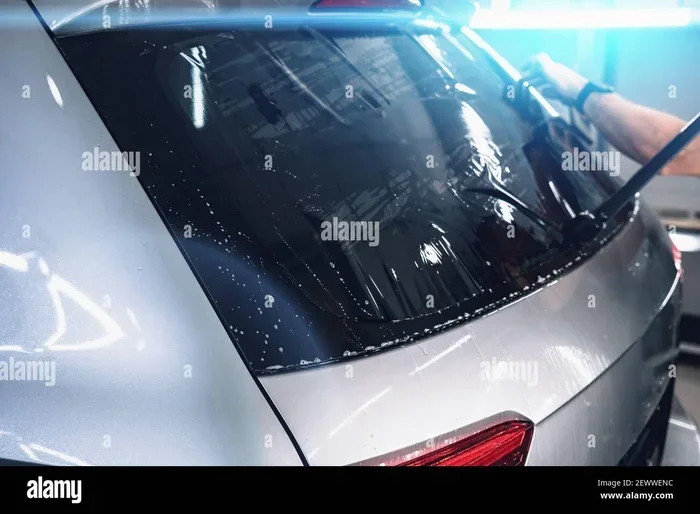
Potential Drawbacks of Using Auto Tint on Vehicles
Auto tint on vehicles can look great, but it comes with serious downsides. From legal trouble to reduced night visibility, auto tint drawbacks affect many drivers. This guide breaks down the hidden risks of auto tint on vehicles so you can make a smarter choice.
Auto tint on vehicles has become a go-to upgrade for many car owners. It adds privacy, cuts glare, and can even block harmful UV rays. But before you jump into the window tinting aisle, you need to know the potential downsides. This article breaks down the real drawbacks of auto tint on vehicles so you can make a smarter choice.
Not all tint jobs go smoothly. Some lead to legal headaches, safety issues, and even costly repairs. This guide explores the hidden risks of auto tint on vehicles. You will learn about legal limits, visibility problems, and maintenance challenges. I will also share practical tips to avoid common mistakes.
Let us dive into the hidden risks so you can protect your investment and stay safe on the road.
Key Takeaways
- Legal Trouble: Auto tint on vehicles may violate state laws, leading to fines or forced removal.
- Night Visibility Issues: Dark tints reduce clarity, making night driving dangerous.
- Heat and UV Myths: Not all auto tint blocks heat equally; some fade over time.
- Peeling and Bubbling: Cheap tint can bubble, peel, and look terrible within months.
- Costly Mistakes: DIY tint kits often lead to bubbles, dust, and the need for replacement.
- Warranty Voiding: Aftermarket auto tint can void your vehicle’s original window warranty.
📑 Table of Contents
The Legal Risks of Auto Tint on Vehicles
Every state has its own rules for window tinting. These rules set the maximum darkness allowed. They also regulate which windows can be tinted. If your auto tint on vehicles is too dark, you can get pulled over. You may face fines or even be forced to remove the tint.
Understanding Tint Laws by State
Tint laws are based on Visible Light Transmission, or VLT. VLT measures how much light the tint lets through. A lower VLT means a darker tint. For example, a 5% VLT tint is very dark. A 70% VLT tint is almost clear. Each state sets different VLT limits for front side windows, rear side windows, and the windshield.
Here is a quick look at legal limits in a few popular states:
| State | Front Side Window VLT Limit | Rear Window VLT Limit |
|---|---|---|
| California | 70% | Any darkness |
| Texas | 25% | Any darkness |
| New York | 70% | Any darkness |
| Florida | 28% | 15% (with side mirrors) |
As you can see, the rules vary widely. What is legal in Texas may be illegal in California. Always check your state’s current laws before tinting. Laws can change, so what was legal last year may not be legal today.
What Happens If You Get Pulled Over?
If an officer sees your auto tint on vehicles is too dark, they can pull you over. In many states, this is a primary offense. That means they do not need another reason to stop you. Fines can range from $50 to $500 or more. In some cases, you may be told to remove the tint immediately. You might also get points on your driving record.
Some states allow medical exemptions. If you have a skin condition that requires extra UV protection, you can apply for a special permit. But these exemptions are strict. You need a doctor’s note. And you still must follow certain VLT limits. Without the permit, your auto tint on vehicles is illegal.
Common Mistake: Many drivers assume factory tint is always legal everywhere. But factory tint often does not meet state VLT limits for aftermarket tint. You can still get cited. Do not rely on the dealer’s word.
Quick Tip: Always check your state’s Department of Motor Vehicles website for the latest tint laws. Laws can change from year to year. A quick online search can save you a lot of hassle.
Expert Insight: A reputable tint shop will know the local laws inside and out. They can recommend a tint percentage that keeps you legal and safe. Do not be afraid to ask them about state regulations.
Reduced Visibility and Safety Hazards
One of the biggest drawbacks of auto tint on vehicles is reduced visibility. Dark tints can make it hard to see in low light. This is especially true at night or in tunnels. You may struggle to spot pedestrians, cyclists, or other cars. Even during the day, heavy tint can wash out colors and details. This can make reading signs harder.
Night Driving and Glare Problems
When you drive at night, you rely on clear windows. A dark tint can reflect oncoming headlights. It can also make the road ahead look blurry. This glare can cause eye strain and fatigue. Over time, it can increase the risk of accidents. Many drivers report headaches after long drives with dark tint.
Common Mistake: Choosing the darkest tint for looks without considering safety. Many drivers tint their front windows too dark for night driving. They regret it when they cannot see clearly on dark roads.
Quick Tip: Choose a tint with a VLT of at least 35% for front side windows if you drive at night often. This keeps glare down while preserving clarity. You can always tint the rear windows darker.
The Danger of Over-Tinting
Some people tint all windows to the same darkness. This includes the driver and passenger front windows. Over-tinting can create blind spots. You may not see cars in your blind spots. You may also struggle to read road signs. This is especially dangerous in unfamiliar areas. Brake lights and turn signals can also be harder to see through dark tint.
Expert Insight: Safety should always come first. A professional installer can help you pick the right tint shade for each window. They know which windows need more light transmission. They can guide you toward a balanced look and safe visibility.
Quick Tip: Keep your front side windows above 35% VLT. This is a safe range for most drivers. You still get privacy and glare reduction. Your peripheral vision stays clear.
Heat Rejection and UV Protection Myths
Many people believe all auto tint on vehicles blocks heat equally. This is not true. The type of tint film matters a lot. Some tints claim to reject 90% of heat. But they may only block a small portion of infrared rays. The rest of the heat still enters your car. You might feel just as hot as before. The marketing claims can be misleading.
Not All Tint Blocks Heat the Same
There are several types of tint films. Each has different heat rejection abilities. Here is a breakdown of the most common types:
| Tint Type | Heat Rejection | UV Protection | Signal Interference | Common Drawback |
|---|---|---|---|---|
| Dyed | Low to Medium | Basic | None | Fades quickly, turns purple |
| Metalized | Medium to High | Good | Yes (GPS, phone) | Sparkly look, may crack |
| Carbon | Medium to High | Very Good | None | Higher cost than dyed |
| Ceramic | Very High | Excellent | None | Most expensive option |
As you can see, the cheapest dyed tint has the most drawbacks. It fades and offers poor heat rejection. Ceramic is the best, but it costs more. When you buy auto tint on vehicles, ask about infrared rejection rates. Do not just trust marketing claims. A good installer will explain the science behind the film.
UV Protection Fades Over Time
Even high-quality tint can lose its UV protection. The adhesive breaks down with sun exposure. After a few years, the tint may turn purple or bubble. At that point, it no longer blocks UV rays effectively. Your skin and car interior are then exposed again. This can lead to premature aging of the dashboard and seats.
Common Mistake: Assuming that once you tint, you are protected forever. You need to inspect your tint regularly. Replace it if you see fading or bubbling. A yearly check can catch problems early.
Quick Tip: Ask your installer for a warranty that covers UV protection and discoloration. A good warranty lasts at least 5 years. Some premium films come with a lifetime warranty.
Expert Insight: Ceramic tints hold up the best against UV degradation. They maintain their clarity and protection for many years. They are worth the extra cost if you spend a lot of time driving.
Durability and Maintenance Headaches
Auto tint on vehicles is not a set-and-forget upgrade. It requires care and attention. Poor installation or bad maintenance can lead to serious issues. Bubbles, peeling, and discoloration are common problems. Many drivers do not realize how much work goes into keeping tint looking good. Even a small bubble can grow over time.
Peeling, Bubbling, and Discoloration
Bubbles form when dust or moisture gets trapped under the film. This often happens with DIY tint kits. The edges can also start to peel. Discoloration usually shows up as a purple or hazy look. It makes your car look old and neglected. In some cases, the tint can even crack or shatter in cold weather. The adhesive can also fail in extreme heat.
Common Mistake: Rolling down your tinted windows too soon. The adhesive needs time to cure. Most installers recommend waiting at least 72 hours. Even then, avoid rolling them down fully for the first week. The film needs time to bond properly.
Quick Tip: Use only ammonia-free cleaners on tinted windows. Ammonia breaks down the tint adhesive over time. Use a mild soap and a soft microfiber cloth. Never use paper towels, as they can scratch the film.
How to Care for Your Tint
Proper care can extend the life of your tint. Here are a few simple steps you should follow:
- Wait 72 hours before rolling down windows.
- Clean with a non-ammonia glass cleaner.
- Use a soft cloth or squeegee to avoid scratches.
- Avoid parking under harsh direct sunlight when possible.
- Inspect the edges every few months for peeling.
By following these steps, your auto tint on vehicles can last 5 to 10 years. Neglect, on the other hand, can cut that life in half. A little effort goes a long way. The tint will look better and protect your car longer.
Expert Insight: A professional installer uses high-quality films and proper techniques. This reduces the risk of bubbling and peeling from the start. They also know how to prepare the glass for a perfect bond.
Cost Considerations and Hidden Expenses
Tinting your car is not just a one-time cost. There are hidden expenses you should consider. A cheap tint job today can cost you a lot later. Many drivers focus only on the upfront price. They do not think about the long-term costs. The cheapest option often leads to the most expense.
Professional vs. DIY Tint Costs
DIY tint kits are tempting because they are cheap. A kit can cost $50 to $200. But the results are often poor. You may end up with bubbles, dust, and uneven shading. You might need to peel it off and start over. That means you wasted both money and time. You also risk getting a ticket for illegal tint.
Professional installation costs more. It typically ranges from $200 to $600 for a full car. But you get a warranty and a clean finish. Here is a quick cost comparison:
| Option | Average Cost | Lifespan | Warranty |
|---|---|---|---|
| DIY Tint Kit | $50 – $200 | 1 – 3 years | Usually none |
| Professional Basic Tint | $200 – $400 | 5 – 7 years | 3 – 5 years |
| Professional Premium Tint | $400 – $600 | 8 – 12 years | 5 – 10 years |
As you can see, the cheapest option often leads to the most expense. Replacing a bad DIY tint can cost double. It is better to invest in quality from the start. A professional job saves you money in the long run.
The True Cost of Removing Bad Tint
If your auto tint on vehicles peels or bubbles, you have two choices. You can try to repair it. Or you can pay for full removal and replacement. Removal costs $100 to $300. Then you pay for new tint again. The total can easily exceed $500. That is a steep price for a bad decision.
Common Mistake: Choosing the lowest price without checking reviews. A cheap installer may use low-quality film and poor techniques. You will pay for it in the end. Always read reviews and ask for references.
Quick Tip: Always get a written warranty. It should cover bubbling, peeling, and discoloration. A good warranty gives you peace of mind. Keep the receipt and warranty document in a safe place.
Expert Insight: Ask the installer what brand of film they use. Top brands like 3M, Llumar, and SunTek offer better durability and clarity. They also stand behind their products with strong warranties.
Is Auto Tint on Vehicles Worth the Risk?
After looking at the drawbacks, you might wonder if auto tint on vehicles is still worth it. The answer depends on your priorities. If you value privacy and heat rejection, tinting can still be a good choice. But you must go in with your eyes open. You need to understand the risks and how to manage them.
You need to follow the law. Choose the right tint type for your needs. Hire a professional installer. And maintain the tint properly. This way, you can enjoy the benefits without the major downsides. A little planning goes a long way.
Auto tint on vehicles is not a one-size-fits-all solution. Weigh the legal risks, safety concerns, and costs carefully. A little research now can save you a lot of trouble later. Make an informed decision, and your car will thank you.
In summary, auto tint on vehicles has several potential drawbacks. Legal issues, reduced visibility, and maintenance costs are real concerns. But with the right knowledge, you can avoid the worst pitfalls. Choose the right tint, hire a pro, and stay on top of maintenance. Your car will look great and stay safe for years to come.
Frequently Asked Questions
Is auto tint on vehicles illegal?
Auto tint on vehicles is not illegal everywhere, but each state has its own rules. The darkness is measured by VLT percentage. If your tint is too dark for your state, you can get a ticket. Always check your local laws before tinting.
Can I tint my own windows?
Yes, you can use a DIY tint kit. But the results are often poor. DIY kits frequently lead to bubbles, dust, and uneven shading. Professional installation costs more but gives a cleaner, longer-lasting result.
How long does auto tint last?
With proper care, auto tint on vehicles can last 5 to 10 years. DIY tint may only last 1 to 3 years. The lifespan depends on the film type, installation quality, and maintenance habits.
Does tint affect my car’s warranty?
Aftermarket auto tint can void your original window warranty in some cases. Check with your dealer before tinting. Some manufacturers allow tinting as long as it does not cause damage.
What is the best tint for night driving?
A lighter tint with a VLT of at least 35% is best for night driving. It reduces glare while keeping your view clear. Avoid very dark tints on front side windows if you drive at night often.
How much does professional auto tint cost?
Professional auto tint on vehicles typically costs $200 to $600 for a full car. The price depends on the film type, the number of windows, and the installer’s experience. Premium ceramic tint costs more but lasts longer.


