Does a 2014 Ford F-150 Have a Cabin Air Filter – Find Out
Yes, the 2014 Ford F-150 does come equipped with a cabin air filter. This small but mighty component plays a big role in keeping the air inside your truck clean, free from dust, pollen, and other airborne particles. In this guide, we walk you through everything you need to know about the cabin air filter in your 2014 Ford F-150.
Have you ever slid behind the wheel of your 2014 Ford F-150 and noticed a strange smell coming from the vents? Or maybe you have been sneezing more than usual while driving down the highway? These could be signs that your cabin air filter needs attention. Many truck owners overlook this small component, but it makes a huge difference in the air quality inside your vehicle.
So, does a 2014 Ford F-150 have a cabin air filter? The short answer is yes. But there is a lot more to know about how this filter works, where it sits, and how often you should replace it. In this article, we break it all down in simple, easy-to-follow terms. Whether you are a hands-on DIYer or just curious about your truck, you will find the answers you need right here.
The 2014 Ford F-150 remains one of the most popular pickup trucks on the road. It is known for its durability, towing capacity, and rugged design. But even the toughest truck needs regular maintenance to keep running at its best. One maintenance item that often gets overlooked is the cabin air filter. This small filter works silently behind the scenes to keep the air you breathe inside your cab clean and fresh.
Key Takeaways
- Yes, it has one: The 2014 Ford F-150 includes a cabin air filter as part of its standard HVAC system.
- Easy to replace: You can swap out the cabin air filter yourself with basic tools in under 30 minutes.
- Location matters: The filter is typically found behind the glove box area in the 2014 F-150.
- Regular maintenance helps: Replacing the filter every 15,000 to 30,000 miles keeps airflow strong and air quality high.
- Clean air means comfort: A fresh cabin filter reduces allergens, odors, and dust inside your truck cabin.
- Don’t confuse it with the engine filter: The cabin air filter is separate from the engine air filter and serves a different purpose.
📑 Table of Contents
- What Is a Cabin Air Filter and Why Does It Matter?
- Does a 2014 Ford F-150 Have a Cabin Air Filter?
- Where Is the Cabin Air Filter Located on a 2014 Ford F-150?
- How to Replace the Cabin Air Filter Yourself
- Signs Your Cabin Air Filter Needs Replacement
- Cabin Air Filter vs Engine Air Filter
- Benefits of Regular Cabin Air Filter Maintenance
- Common Mistakes to Avoid When Replacing the Cabin Filter
- Expert Insights on Cabin Air Filter Care
- Key Takeaways
- Conclusion
What Is a Cabin Air Filter and Why Does It Matter?
A cabin air filter is a small filtration device that cleans the air entering your vehicle’s interior. It traps dust, pollen, mold spores, and other airborne particles before they reach your lungs. Think of it as a shield between the outside air and the inside of your truck cab.
Most modern vehicles, including the 2014 Ford F-150, come standard with a cabin air filter. This was not always the case. Older trucks often relied solely on the engine air filter to manage airflow. But automakers realized that the air inside the cabin matters just as much as the air going into the engine.
Here is why the cabin air filter matters so much:
- Allergy relief: It captures pollen and dust that trigger seasonal allergies.
- Odor control: A clean filter reduces musty smells inside the truck.
- Better airflow: A clogged filter restricts air from the vents, making your HVAC system work harder.
- Health protection: It blocks fine particles like soot and exhaust fumes from entering the cab.
- System longevity: Clean airflow helps your heating and cooling system last longer.
If you have ever wondered why your 2014 Ford F-150 feels stuffy on a long drive, a dirty cabin filter could be the culprit. It is a small part with a big impact on your daily driving comfort.
Does a 2014 Ford F-150 Have a Cabin Air Filter?
The answer is a clear yes. The 2014 model year of the Ford F-150 was designed with a cabin air filter as a standard feature. Every trim level, from the XL to the Lariat and beyond, includes this important component. Ford recognized the value of clean interior air and made it a standard part of the truck’s HVAC system.
This is good news for F-150 owners. You do not need to add any aftermarket parts or make special modifications. The filter is already built into your truck’s design. It sits quietly behind the glove box or under the dashboard, doing its job every time you drive.
However, not everyone knows their truck has one. Many owners go years without ever checking or replacing the cabin filter. This is a missed opportunity. A neglected cabin filter can lead to poor air quality, reduced airflow, and even unpleasant odors inside the cab.
One thing to keep in mind is that the 2014 F-150 is a heavy-duty truck. It is no secret that the F-150 lineup can be 000 lbs heavy for a car, and that weight means the HVAC system works hard to condition the large cabin space. A clean cabin air filter ensures that system operates efficiently, even under heavy use.
How the Cabin Air Filter Works in the F-150
The cabin air filter in the 2014 Ford F-150 operates as part of the heating, ventilation, and air conditioning system. When you turn on the fan or set the temperature, air is pulled from outside the vehicle. This air passes through the cabin filter before entering the cab.
The filter material captures particles as small as a few microns. That includes dust, dirt, pollen, and even some bacteria. The cleaned air then flows through the vents and into your breathing space. It is a simple but effective process that happens every single time you drive.
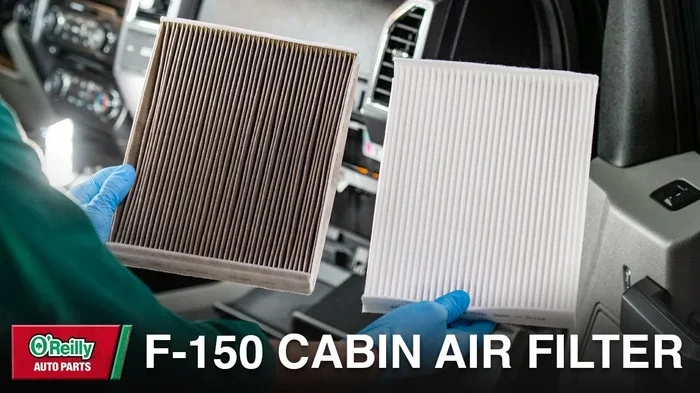
Over time, the filter accumulates debris. When it becomes saturated, it can no longer trap particles effectively. This is when you start noticing problems like weak airflow or lingering odors inside the truck.
Where Is the Cabin Air Filter Located on a 2014 Ford F-150?
Knowing the location of your cabin air filter is essential for maintenance. On the 2014 Ford F-150, the cabin air filter is typically located behind the glove box. This placement makes it relatively easy to access, even for drivers who are not mechanically inclined.
Here is a simple step-by-step guide to finding it:
- Open the glove box and remove everything inside.
- Press the sides of the glove box inward to release it from the dashboard.
- Look upward behind the glove box cavity. You should see a rectangular cover panel.
- Remove the cover panel by unsnapping or unscrewing it.
- The cabin air filter will be housed in a slot behind the panel.
Once you locate the filter, you can inspect it for dirt and debris. If it looks dark and clogged, it is time for a replacement. The good news is that this is a straightforward process that most truck owners can handle at home.
Some owners may find the filter placement slightly different depending on their specific trim or any factory options installed. If you have trouble locating it, your owner’s manual provides a detailed diagram and description. You can also check with a Ford dealer for confirmation.
How to Replace the Cabin Air Filter Yourself
Replacing the cabin air filter on your 2014 Ford F-150 is one of the easiest maintenance tasks you can do. You do not need a mechanic, and you do not need expensive tools. With a few basic items, you can complete the job in about 15 to 30 minutes.
What You Will Need
- A replacement cabin air filter (check your owner’s manual for the correct size and type)
- A flathead screwdriver or trim removal tool
- A flashlight to see inside the cabin
- A clean cloth to wipe down the area
Step-by-Step Replacement Process
Follow these steps to swap out your old cabin filter for a new one:
- Turn off the vehicle: Make sure the engine is off and the keys are removed from the ignition.
- Access the filter: Remove the glove box as described in the previous section.
- Remove the old filter: Slide the old filter out of its housing. Note the direction of the airflow arrow printed on the filter frame.
- Inspect the housing: Use a clean cloth to wipe out any debris from the filter slot.
- Insert the new filter: Place the new cabin filter in the housing, making sure the airflow arrow points in the correct direction (usually toward the firewall).
- Reassemble: Replace the cover panel, snap the glove box back in place, and you are done.
It really is that simple. Many F-150 owners complete this task on their first try without any trouble. The key is to pay attention to the airflow direction. Installing the filter backward will reduce its effectiveness and limit airflow through the vents.
Quick Tip: Set a reminder on your phone or calendar to check the cabin filter every 15,000 miles. This helps you stay on top of maintenance and prevents unexpected air quality issues.
Signs Your Cabin Air Filter Needs Replacement
Your truck will give you clear signals when the cabin air filter is due for a change. Catching these signs early can save you from discomfort and prevent strain on your HVAC system.
Watch for these common warning signs:
- Reduced airflow from the vents: If the air coming out feels weak, a clogged filter is likely blocking the flow.
- Unusual odors: A musty or dusty smell when the fan is on often means the filter is trapping too much debris.
- Increased allergy symptoms: If you notice more sneezing or coughing inside the truck, the filter may no longer be doing its job.
- Visible dirt on the filter: When you pull the filter out and it looks dark gray or black, it needs replacing.
- HVAC system making noise: A struggling blower motor can indicate restricted airflow from a dirty filter.
Do not ignore these signs. A neglected cabin filter can lead to bigger problems over time. It puts extra strain on the blower motor and reduces the overall efficiency of your heating and cooling system.
For general guidance, most experts recommend replacing the cabin air filter every 15,000 to 30,000 miles. However, if you frequently drive on dusty roads or in areas with heavy pollution, you may need to replace it more often. The 2014 Ford F-150 is a workhorse, and if you use it for hauling, construction, or off-roading, your cabin filter will work harder than average.
Cabin Air Filter vs Engine Air Filter
It is easy to confuse the cabin air filter with the engine air filter. They serve different purposes and are located in different parts of the truck. Understanding the difference helps you maintain both properly.
| Feature | Cabin Air Filter | Engine Air Filter |
|---|---|---|
| Purpose | Cleans air entering the vehicle interior | Cleans air entering the engine for combustion |
| Location | Behind the glove box or under the dashboard | In the engine bay, usually in a black box |
| Affects | Air quality inside the cab | Engine performance and fuel efficiency |
| Replacement Interval | Every 15,000 to 30,000 miles | Every 30,000 to 45,000 miles |
| DIY Difficulty | Easy | Moderate |
Both filters are important for the overall health of your truck. A dirty engine air filter can reduce fuel economy and throttle response. A dirty cabin air filter affects the air you breathe every day. The 2014 Ford F-150 has both, and keeping them clean is part of responsible truck ownership.
If you are curious about how fuel systems work in different vehicles, you might also wonder about hybrid technology. For example, at what point does a hybrid switch to gas is a common question among truck buyers exploring alternative powertrains. Understanding these differences helps you make informed decisions about vehicle maintenance.
Benefits of Regular Cabin Air Filter Maintenance
Staying on top of your cabin air filter replacement schedule brings several benefits that improve your daily driving experience.
1. Better Air Quality Inside the Cab
A fresh filter means cleaner air every time you drive. This is especially important during allergy season or in areas with high pollution levels. You and your passengers will breathe easier and feel more comfortable on long trips.
2. Improved HVAC Performance
With a clean filter, air flows freely through the system. Your defroster, heater, and air conditioner all work more effectively. You will notice the difference in how quickly the cab heats up or cools down.
3. Longer Component Life
When the HVAC system does not have to work overtime, its components last longer. The blower motor, vents, and ducts all benefit from unrestricted airflow. This can save you money on repairs down the road.
4. Pleasant Driving Experience
There is nothing worse than getting into a truck that smells stale or musty. A clean cabin filter keeps the interior smelling fresh and inviting. It is a small detail that makes a big difference in how you feel every time you get behind the wheel.
5. Resale Value
Keeping up with maintenance records, including cabin filter replacements, adds value when it is time to sell or trade in your truck. Buyers appreciate a well-maintained vehicle, and documentation of regular upkeep builds confidence.
Common Mistakes to Avoid When Replacing the Cabin Filter
Even a simple task like cabin filter replacement can go wrong if you are not careful. Here are some common mistakes to watch out for:
- Installing the filter backward: Always check the airflow direction arrow on the filter frame. Air should flow in the direction the arrow points.
- Using the wrong filter size: Not all cabin filters are the same. Make sure you purchase the correct size for the 2014 Ford F-150.
- Forgetting to clean the housing: Before inserting the new filter, wipe out any debris from the filter slot. Dirt left behind can contaminate the new filter quickly.
- Ignoring the filter for too long: Waiting too long between replacements leads to clogging and reduced effectiveness. Set a regular schedule and stick to it.
- Skipping the glove box reassembly: Make sure the glove box is securely seated after replacement. A loose glove box can rattle and vibrate while driving.
Avoiding these mistakes ensures your cabin air filter does its job properly. It also keeps your 2014 Ford F-150 running smoothly and your interior air quality at its best.
Expert Insights on Cabin Air Filter Care
Automotive experts agree that cabin air filter maintenance is one of the most overlooked aspects of vehicle care. According to Ford’s own maintenance guidelines, the cabin air filter should be inspected at regular service intervals. Many certified Ford technicians recommend checking it at every oil change to stay ahead of any issues.
One expert tip from seasoned mechanics is to choose a high-quality cabin filter. Not all filters are created equal. Some aftermarket filters offer better filtration than the standard factory filter. Look for filters that are rated for capturing fine particles and allergens. HEPA-style cabin filters are an excellent upgrade for drivers with allergies or respiratory sensitivities.
Another piece of advice is to be mindful of where you drive. If you frequently travel on gravel roads, construction zones, or in rural areas with lots of dust, your cabin filter will clog faster. In these conditions, consider checking and replacing the filter every 10,000 to 15,000 miles instead of the standard interval.
Keeping your 2014 Ford F-150 well-maintained also means paying attention to the overall weight and load you carry. The F-150 is a powerful machine, and understanding its capabilities, including how its systems handle different loads, contributes to a better ownership experience.
Key Takeaways
- The 2014 Ford F-150 has a cabin air filter: It is a standard feature across all trim levels.
- Location is behind the glove box: This makes it easy to access and replace at home.
- Replace every 15,000 to 30,000 miles: More often if you drive in dusty or polluted conditions.
- Watch for warning signs: Reduced airflow, odors, and allergy symptoms indicate a dirty filter.
- Do not confuse it with the engine air filter: They serve different purposes and are located in different areas.
- Regular maintenance pays off: Clean cabin air improves comfort, HVAC performance, and truck longevity.
Conclusion
So, does a 2014 Ford F-150 have a cabin air filter? Absolutely yes. This essential component keeps the air inside your truck clean, fresh, and free from harmful particles. From reducing allergies to improving HVAC performance, the cabin air filter plays a role you cannot afford to ignore.
Replacing the filter is simple, affordable, and something you can do right in your own driveway. With just a few tools and a new filter, you can restore proper airflow and air quality in minutes. Make it a regular part of your maintenance routine, and your 2014 Ford F-150 will reward you with a more comfortable and healthier driving experience.
Take a few minutes today to check your cabin air filter. It is one of the smallest maintenance tasks with the biggest impact on your daily comfort. Your lungs, your nose, and your truck will all thank you.
Frequently Asked Questions
How often should I replace the cabin air filter in my 2014 Ford F-150?
Most experts recommend replacing the cabin air filter every 15,000 to 30,000 miles. However, if you drive in dusty conditions or on unpaved roads frequently, consider replacing it every 10,000 to 15,000 miles for best results.
Can I drive my 2014 Ford F-150 without a cabin air filter?
Technically yes, but it is not recommended. Without a cabin filter, dust, pollen, and other particles enter your cab freely. This affects air quality and can put extra strain on your HVAC system over time.
What type of cabin air filter does the 2014 Ford F-150 use?
The 2014 Ford F-150 typically uses a standard rectangular cabin air filter. Check your owner’s manual for the exact size and part number. You can also find compatible aftermarket filters from brands like FRAM, WIX, and Motorcraft.
Is replacing the cabin air filter difficult?
Not at all. The cabin air filter in the 2014 F-150 is located behind the glove box and can be replaced in about 15 to 30 minutes with basic tools. Most truck owners handle this as a simple DIY project.
Will a dirty cabin air filter affect my fuel economy?
Indirectly, yes. A clogged cabin filter restricts airflow through the HVAC system, which can cause the blower motor to work harder. While it does not directly impact fuel economy like a dirty engine air filter would, it can affect overall vehicle efficiency.
Can a cabin air filter help with allergies while driving?
Absolutely. A clean cabin air filter traps pollen, dust, and other allergens before they enter the cab. This can significantly reduce allergy symptoms for sensitive drivers, especially during spring and fall allergy seasons.