Is It Better to Fill a Gas Tank Full or Half The Real Answer
Filling your gas tank full or half each has real pros and cons that affect fuel economy, cost, and vehicle safety. A full tank adds weight but extends driving range, while a half tank reduces weight but means more frequent stops. The best choice depends on your driving habits, climate, and personal priorities.
Have you ever stood at the pump wondering whether to top off or stop at half? It is a question almost every driver faces. You might think it is a simple choice. But the truth is, there is more to consider than most people realize.
Filling your gas tank full or half can affect your fuel economy, your wallet, and even your car’s health. Some people swear by a full tank. Others insist a half tank is the smarter move. So who is right? Let us break it all down in plain, simple terms. This guide covers everything you need to know about fill a gas tank full or half and helps you make the best decision for your situation.
Key Takeaways
- A full tank gives you more driving range and fewer trips to the gas station.
- A half tank reduces vehicle weight, which can slightly improve fuel efficiency.
- Fuel evaporation is a real concern in hot weather, especially with a low tank.
- Running on empty risks damaging the fuel pump and leaving you stranded.
- Cost savings are minimal either way, so focus on safe and convenient habits.
- Climate and driving conditions matter more than tank level for most drivers.
📑 Table of Contents
- Why Does Your Gas Tank Level Matter?
- Fill a Gas Tank Full: The Pros and Cons
- Keep a Half Tank: The Pros and Cons
- Fuel Efficiency: Full Tank vs Half Tank
- Safety Considerations: Full vs Half Tank
- Cost Analysis: Does It Save Money?
- Climate and Seasonal Factors
- Common Mistakes Drivers Make with Their Gas Tank
- Final Verdict: Full or Half?
Why Does Your Gas Tank Level Matter?
Your fuel level might seem like a small detail. But it actually plays a bigger role than you think. The amount of gasoline in your tank affects vehicle weight, fuel evaporation, driving range, and even the health of your fuel system. Let us look at why this small detail matters so much.
The Science Behind Fuel and Weight
Gasoline is heavy. A gallon of gas weighs about 6 pounds. So a full 20-gallon tank adds roughly 120 pounds to your vehicle. That extra weight means your engine works harder to move the car. More work means more fuel burned. This is why some people believe a half tank of gas saves fuel.
But here is the catch. The weight difference between a full tank and a half tank is only about 60 pounds. For most vehicles, that is a tiny amount. The fuel savings from less weight are so small that you probably would not notice them at the pump. Studies show the difference in fuel economy is less than 1%. So do not count on a half tank to noticeably boost your gas mileage.
How Fuel Evaporation Plays a Role
Fuel evaporation is a bigger deal than most drivers think. When your tank is low, there is more air space inside. That air contains oxygen. Oxygen reacts with gasoline vapors. This causes evaporation. In hot weather, this problem gets worse.
Modern cars have evaporative emission control systems (also called EVAP systems). These systems capture gasoline vapors and send them back to the engine. But older cars do not have this technology. If you drive an older vehicle, keeping your tank at least half full helps reduce fuel loss from evaporation.
This is also why you should never leave your car sitting in the sun with a nearly empty tank. The heat speeds up evaporation. You literally burn money into thin air.
Fill a Gas Tank Full: The Pros and Cons
Topping off your tank has some clear advantages. But it also comes with a few downsides. Let us look at both sides honestly.
Pros of a Full Tank
- Longer driving range. A full tank means you can go farther between stops. This is great for road trips or long commutes.
- Fewer trips to the gas station. Less time filling up means more time doing things you enjoy.
- Better for the fuel pump. The fuel pump uses gas to cool itself. A full tank keeps the pump submerged and cooler. This can extend the life of your fuel pump.
- Less air in the tank. Less air means less fuel evaporation. This saves a small amount of fuel over time.
- Peace of mind. You do not have to worry about finding a gas station in a remote area.
Cons of a Full Tank
- Extra weight. A full tank adds weight to your vehicle. This can slightly reduce gas mileage over time.
- Higher upfront cost. You spend more money each time you fill up. This can be tough on a tight budget.
- Risk of overfilling. Some people try to squeeze in every last drop. This can damage the fuel tank and the EVAP system.
- Gas can degrade over time. Gasoline lasts about 3 to 6 months. A full tank sitting for weeks means the fuel may lose quality.
Keep a Half Tank: The Pros and Cons
Running on a half tank is a common habit for many drivers. It has its own set of benefits and drawbacks. Let us explore them.
Pros of a Half Tank
- Less vehicle weight. A half tank reduces weight by about 60 pounds for a typical sedan. This can slightly improve fuel efficiency.
- Lower cost per fill-up. You spend less money each time you visit the pump.
- More frequent fill-ups. This gives you more chances to check your fuel level and catch leaks early.
- Better for hot climates. Less fuel sitting in the tank means less chance of evaporation loss.
Cons of a Half Tank
- More frequent stops. You will need to visit the gas station almost twice as often.
- Risk of running low. It is easy to let the tank drop too low without noticing. This is bad for your fuel pump.
- Less driving range. You may find yourself stranded if you run out of gas in an area with no stations nearby.
- More air in the tank. More air means more room for fuel vapors to escape. This is a concern for older vehicles.
Fuel Efficiency: Full Tank vs Half Tank
Many drivers want to know which option gives better fuel efficiency. The honest answer is that the difference is very small. Let us look at what the experts say.
Most car manufacturers do not recommend a specific fuel level. They simply suggest keeping your tank above the quarter mark. The American Automobile Association (AAA) also does not take a strong stance on full versus half. They focus more on consistent driving habits and proper maintenance.
Here is a simple comparison to help you understand the differences:
Comparison: Full Tank vs Half Tank
- Weight: Full tank adds ~120 lbs / Half tank adds ~60 lbs
- Fuel Economy Impact: Less than 1% difference
- Driving Range: Full tank goes farther / Half tank requires more stops
- Fuel Pump Health: Full tank keeps pump cooler / Low tank risks pump overheating
- Evaporation Loss: Full tank has less air space / Half tank has more air space
- Cost Per Fill: Full tank costs more upfront / Half tank costs less
The bottom line is that fuel efficiency is not significantly different between a full tank and a half tank. Your driving style, speed, and vehicle maintenance matter far more than how much gas is in the tank.
Quick Tips to Improve Fuel Efficiency
Want to save gas? Focus on these habits instead of worrying about tank level:
- Keep your tires properly inflated. Underinflated tires reduce gas mileage by up to 3%.
- Drive at steady speeds. Avoid rapid acceleration and hard braking.
- Remove excess weight from your car. Clean out heavy items you do not need.
- Use cruise control on highways. This helps maintain a consistent speed.
- Get regular engine tune-ups. A well-maintained engine runs more efficiently.
- Use the recommended motor oil. Wrong viscosity oil can reduce fuel economy.
Safety Considerations: Full vs Half Tank
Safety is an important factor that many drivers overlook. Your gas tank level can affect your safety on the road in several ways.
Running on Empty Risks
Driving with a nearly empty tank is risky. The fuel pump needs gasoline to stay cool. When the tank runs low, the pump can overheat. Over time, this leads to premature fuel pump failure. Replacing a fuel pump is expensive. It can cost anywhere from $400 to $800 depending on your vehicle.
Running out of gas is also dangerous. You could stall in traffic, on a highway, or in an unfamiliar area. It is especially risky in bad weather or at night. Always try to keep at least a quarter tank of fuel.
Gasoline Storage and Fire Risk
A full tank of gasoline presents a slight fire risk in the event of a collision. However, modern vehicles are designed with safety features to handle this. Fuel tanks have anti-siphon devices and rollover valves. These reduce the risk of fuel leakage in accidents.
A half tank does not meaningfully reduce fire risk. The difference is negligible in a crash. Focus on safe driving habits instead of worrying about how much fuel is in the tank.
Cost Analysis: Does It Save Money?
Let us talk about money. This is what most drivers really care about. Does filling up fully or stopping at half save you more cash?
The short answer is no. The cost difference is so small that it does not really matter. Let us do a quick example:
- A 20-gallon tank at $3.50 per gallon costs $70 to fill completely.
- Filling up to half costs $35.
- The weight difference is about 60 pounds.
- The fuel savings from less weight might be 0.5% to 1%.
- Over 1,000 miles, that saves you about $3 to $7.
So you would save a few dollars per month at best. That is not enough to change your habits. What matters more is avoiding fuel waste from evaporation and keeping your fuel pump healthy.
Expert Insight on Fuel Costs
According to automotive experts, the best way to save on fuel is to drive efficiently and maintain your vehicle. Worrying about whether to fill up fully or stop at half is not worth your time or energy. Focus on the big-ticket fuel savings instead. Things like tire pressure, engine tuning, and smooth driving habits make a real difference.
Climate and Seasonal Factors
Where you live and what season it is can influence your decision about tank level. Let us look at how climate plays a role.
Hot Weather and Fuel Evaporation
In hot climates, fuel evaporation is a bigger concern. Gasoline expands in heat. A full tank in summer means more fuel is exposed to warm air near the top of the tank. This can increase evaporation loss.
If you live in a hot, dry climate like Arizona or Nevada, keeping your tank at least half full can help reduce evaporation. This is especially true for older vehicles without modern EVAP systems.
Cold Weather Considerations
In cold weather, a full tank has an advantage. Condensation can form inside a low tank. This water can mix with gasoline and cause problems. A full tank reduces the air space where condensation can form. It also helps prevent fuel lines from freezing in extremely cold temperatures.
If you live in a cold climate, filling up more often and keeping the tank fuller is the better choice.
Common Mistakes Drivers Make with Their Gas Tank
Many drivers make mistakes that hurt their fuel system and waste money. Here are some common errors to avoid.
Running the Tank Down to Empty
This is the worst thing you can do. It strains the fuel pump, risks stalling, and can leave you stranded. Always refill before the tank hits the quarter mark.
Overfilling the Tank
Some drivers try to squeeze in extra fuel after the pump clicks off. This can flood the charcoal canister in the EVAP system. It can also cause fuel to spill, which wastes money and harms the environment. Stop when the pump clicks off.
Ignoring the Fuel Gauge
Do not rely on guesswork. Check your fuel gauge regularly. Know how far your vehicle can go on a full tank. This helps you plan fill-ups and avoid running low.
Using the Wrong Fuel
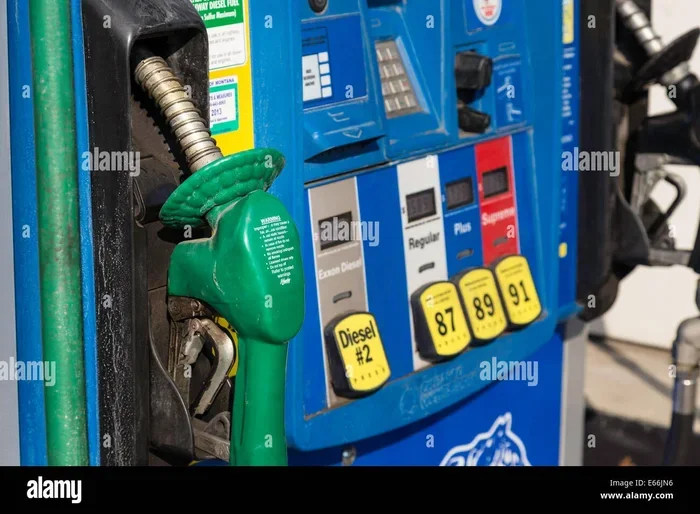
Always use the fuel grade recommended by your vehicle manufacturer. Using a lower grade can reduce performance and fuel economy. Using a higher grade than needed wastes money without any real benefit.
Final Verdict: Full or Half?
So what is the real answer to the question of whether to fill a gas tank full or half? The truth is, there is no single best answer. It depends on your driving habits, your climate, and your personal preferences.
If you drive long distances often, a full tank makes more sense. You get more range and fewer stops. If you drive short trips in a hot climate, a half tank can help reduce evaporation. If you live in a cold area, a fuller tank prevents condensation issues.
For most drivers, the best approach is simple. Keep your tank above the quarter mark at all times. Fill up when it is convenient. Do not stress about whether it is full or half. The small differences in cost and fuel economy are not worth worrying about.
The most important thing is to take care of your vehicle. Maintain your fuel system, drive efficiently, and visit your gas station regularly. That is the real secret to saving fuel and keeping your car running well for years to come.
So the next time you pull up to the pump, just do what works best for you. There is no perfect answer. But now you have the facts to make a smart choice. Fill a gas tank full or half based on your needs. Drive safe, save gas, and enjoy the ride.
Frequently Asked Questions
Does a full tank save more gas than a half tank?
The fuel savings from a full tank versus a half tank are extremely small, usually less than 1%. The weight difference is minor and has a negligible impact on fuel economy. Focus on driving habits and vehicle maintenance for real fuel savings.
How low should you let your gas tank get before filling up?
Most experts recommend keeping your tank above the quarter mark. Running on low can strain the fuel pump and increase the risk of getting stranded. Filling up when the tank reaches a quarter full is a smart habit.
Is it bad to fill your gas tank all the way?
No, filling your tank all the way is generally fine. It extends your driving range and keeps the fuel pump cooler. Just avoid overfilling past the pump click point, as this can damage the EVAP system.
Does a half tank of gas improve fuel efficiency?
A half tank slightly reduces vehicle weight, which can marginally improve fuel efficiency. However, the difference is so small that most drivers will not notice it at the pump. Other factors like tire pressure and driving style matter much more.
Can a full gas tank explode in hot weather?
No, a full gas tank will not explode in hot weather. Modern vehicles are designed with safety features to handle fuel expansion and pressure. The risk of a full tank catching fire in a collision is extremely low due to built-in safety systems.
How often should you fill up your gas tank?
There is no set rule for how often to fill up. It depends on your driving habits and tank size. The best practice is to refill before the tank drops below a quarter full. This keeps your fuel pump healthy and prevents unexpected runs out of gas.
=== CONCLUSION ===
The debate over whether to fill a gas tank full or half comes down to personal preference and driving conditions. A full tank offers more range and better fuel pump health. A half tank reduces weight slightly and may help in hot climates. But for most drivers, the differences are small and manageable.
What truly matters is keeping your fuel level above the quarter mark, maintaining your vehicle, and driving efficiently. These habits will save you more fuel and money than any tank-level strategy ever could.
Now that you have the real answer, you can fill up with confidence. Choose the approach that fits your lifestyle and stick with it. Your car and your wallet will thank you.