Is 30 Percent Tint Too Dark at Night While Driving
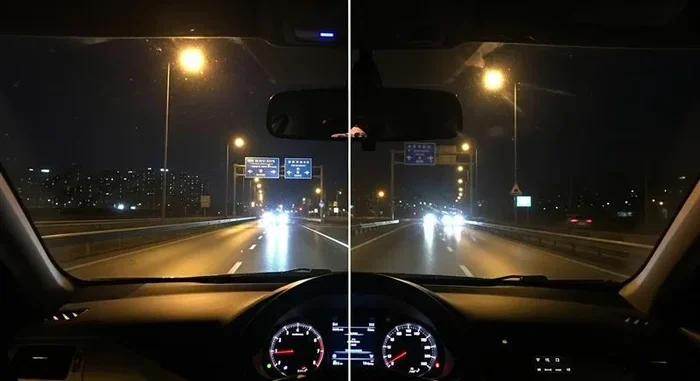
30 percent tint can feel challenging at night, but it is not always too dark. The real answer depends on your vehicle, your state laws, and personal comfort. 30 percent tint blocks about 70% of light, which reduces night visibility significantly. Many drivers still choose it for its heat rejection and privacy benefits. With the right tips and precautions, you can safely drive at night with 30 percent tint on your windows.
Have you ever rolled down the window at a red light and felt like you were peering through a dark curtain? That is the reality for many drivers who choose 30 percent tint for their car windows. The question of whether 30 percent tint is too dark at night comes up constantly in auto forums, shops, and among friends. It is a valid concern because night driving already demands sharper vision. Adding a dark film into the mix changes the equation entirely.
The short answer is that 30 percent tint is darker than most people expect. It lets in only about 30% of visible light, which means your eyes have to work much harder after sunset. But does that make it too dark? Not necessarily. It depends on where you live, what kind of driving you do, and how well your vehicle handles low light. This guide breaks it all down so you can make a smart, informed choice. You will learn about visibility, safety, legal limits, and practical tips that actually work.
Key Takeaways
- 30 percent tint blocks 70% of light: This reduces night visibility more than lighter tints.
- Legal limits vary by state: Some states allow 30% tint on all windows, others restrict it.
- Night driving safety is a real concern: Darker tints can make it harder to see pedestrians, road signs, and obstacles.
- VLT percentage matters: Visible Light Transmission is the key metric for tint darkness.
- Tips can help: Using cleaner headlights, adjusting mirror angles, and choosing quality film improve night driving.
- Expert opinions favor caution: Most auto tinting professionals recommend lighter tints for frequent night drivers.
- Common mistakes can be avoided: Over-tinting, ignoring state laws, and cheap film all cause problems.
📑 Table of Contents
- What Does 30 Percent Tint Actually Mean?
- Is 30 Percent Tint Too Dark for Night Driving?
- Legal Tint Limits and What You Need to Know
- How to Safely Drive at Night with 30 Percent Tint
- Quick Tips for Choosing the Right Tint Darkness
- Common Mistakes People Make with Dark Tint
- Expert Insights on 30 Percent Tint and Night Safety
- How 30 Percent Tint Compares to Other Darkness Levels
- The Benefits of 30 Percent Tint Beyond Night Driving
- Final Thoughts on 30 Percent Tint at Night
What Does 30 Percent Tint Actually Mean?
Before diving into night driving, it helps to understand what 30 percent tint really means. Tint darkness is measured by something called VLT, which stands for Visible Light Transmission. The VLT number tells you what percentage of light the film lets through. A 30 percent VLT film blocks 70% of incoming light. That is a significant reduction. For comparison, a 50 percent tint lets in half the light, and a 5 percent tint, often called “limo tint,” lets in almost none.
Here is a simple way to think about it. Imagine standing in front of a bright window. With no tint, you see everything clearly. With 30 percent tint, the room looks noticeably dimmer. Now imagine driving a car at night with that same level of darkness on your windows. That gives you a sense of what to expect.
How VLT Percentage Affects Your View
The VLT percentage directly impacts how much of the road you can see. At 30 percent VLT, your front windshield and side windows will feel significantly darker than factory-tinted windows. Many modern cars come with a light factory tint, usually around 70 to 80 percent VLT. So going to 30 percent is a big jump. During the day, this tint works well. It cuts glare, reduces heat, and gives your car a sleek look. But at night, the same film that feels so comfortable in daylight becomes a visibility challenge.
Auto tinting professionals often explain that the human eye needs a certain amount of light to process images properly. When you reduce that light by 70%, your pupils dilate, but your brain still receives less detail. This means colors appear muted, depth perception weakens, and moving objects like pedestrians or cyclists become harder to spot. All of this matters a lot when you are driving on poorly lit roads.
Is 30 Percent Tint Too Dark for Night Driving?
This is the core question, and the honest answer is: it can be. 30 percent tint is on the darker end of the spectrum for legal window film. For drivers who spend a lot of time on the road after dark, this level of tint darkness can create real problems. You may notice that streetlights appear fuzzier, road signs are harder to read from a distance, and judging the speed of other vehicles becomes less accurate.
That said, many drivers use 30 percent tint and never have a serious issue. Their experience depends on several factors. The type of film matters. Ceramic tint, for example, performs better at night than cheaper dyed films because it maintains clarity better. The condition of your headlights also plays a big role. Old, yellowed headlights produce a dimmer beam, which compounds the darkness inside the car. And your personal vision health matters too. If you already wear glasses or have mild night blindness, a 30 percent tint will make things even tougher.
Common Problems Drivers Report at Night
When you ask drivers about their experience with 30 percent tint at night, certain complaints come up repeatedly. Here are the most common issues:
- Reduced ability to see pedestrians: Darker windows make it harder to spot people crossing the street, especially in areas without streetlights.
- Difficulty reading road signs: Reflective signs lose their clarity when less light enters the vehicle.
- Increased eye strain: Your eyes work harder to compensate for the reduced light, leading to faster fatigue.
- Trouble judging distances: Depth perception suffers when light transmission is limited, making it harder to gauge how far away other cars are.
- Glare from oncoming headlights: Ironically, darker tint can sometimes increase the perception of glare because your eyes are already adjusted to a darker interior.
- Delayed reaction time: If you cannot see obstacles quickly, your reaction time slows down, which is dangerous at highway speeds.
Legal Tint Limits and What You Need to Know
One of the most important things to understand about 30 percent tint is that the law does not treat all windows equally. Every state in the U.S. has its own tint laws that specify how dark your windows can be and on which windows. These laws are based on VLT percentages and are designed to balance driver privacy, comfort, and safety. Ignoring these laws can lead to fines, failed inspections, or even being pulled over repeatedly.
How State Laws Differ
Tint regulations vary widely from state to state. Some states are lenient and allow 30 percent tint on all windows, including the front side windows. Other states restrict front side windows to 50 percent VLT or higher, meaning a 30 percent tint would be illegal on the doors beside the driver. Then there are states that allow very dark tint on rear windows but enforce stricter rules on the front windshield and side windows.
Here is a general look at how different regions handle tint darkness:
- Lenient states: States like Arizona, Nevada, and Wyoming often allow 30 to 35 percent VLT on front side windows. These states tend to have warmer climates where heat rejection is a priority.
- Moderate states: States like Texas, Florida, and Georgia usually allow darker tint on rear windows but require lighter tint on the driver and passenger side windows. A 30 percent tint may be legal on the back seats but not the front doors.
- Strict states: States like New York, New Jersey, and Washington enforce lighter limits, often 70 percent VLT on front side windows. In these states, 30 percent tint on the front doors would likely result in a citation.
Before you install any window tinting, check your state’s specific laws. You can usually find this information on your state’s Department of Motor Vehicles website or by asking your local tint shop. It is always better to be safe than to deal with legal trouble later.
Medical Exemptions and Special Permits
Some states offer medical exemptions for drivers who need darker tint for health reasons. Conditions like lupus, photosensitivity, or certain eye disorders can make normal sunlight dangerous. If you qualify, you may be able to get a permit for 30 percent tint or even darker on your front windows. These permits usually require a doctor’s note and must be displayed in the vehicle. Even with an exemption, you still need to be cautious about night driving visibility.
How to Safely Drive at Night with 30 Percent Tint
If you already have 30 percent tint or plan to get it, you are probably wondering how to make night driving safer. The good news is that there are several practical steps you can take. These tips come from experienced drivers and auto tinting professionals who understand the challenges of darker films.
Keep Your Windows Clean
This sounds simple, but clean windows make a huge difference. Dirt, dust, and grime on the inside of your tinted windows scatter light and reduce clarity even further. Use a streak-free glass cleaner and a microfiber cloth to clean your windows at least once a week. Pay special attention to the areas near your side mirrors and the corners of your windshield, where buildup tends to accumulate.
Upgrade Your Headlights
Your headlights are your primary source of light at night. If they are dim or yellowed, upgrading them can dramatically improve your visibility with 30 percent tint on your windows. LED or HID headlights produce a brighter, whiter beam that cuts through the darker interior more effectively. Even replacing old halogen bulbs with newer versions can make a noticeable difference. Clean your headlight lenses too, since cloudy covers reduce output significantly.
Adjust Your Mirrors and Seat Position
Small adjustments can improve your view. Set your side mirrors to minimize blind spots, and consider using the night setting on your rearview mirror to reduce glare from cars behind you. Adjust your seat height so you have the best possible sightline over the dashboard. With darker tint, every inch of visibility counts.
Use Your Defroster and Climate Controls Wisely
Foggy windows are a bigger problem when you have 30 percent tint because the film can trap moisture along the edges. Use your defroster regularly, especially in humid or rainy conditions. Keeping your cabin dry helps prevent fog buildup that would further reduce your already limited visibility at night.
Take Breaks on Long Drives
Driving with darker windows at night causes more eye fatigue than you might realize. Plan rest stops every hour or so on long trips. Step out of the car, let your eyes adjust to natural light, and give them a chance to reset. This simple habit can help you stay alert and safe on the road.
Quick Tips for Choosing the Right Tint Darkness
If you are still deciding on a tint darkness for your car, here are some quick tips to guide you. These insights can save you from making a choice you will regret later.
- Think about your driving habits: If you drive mostly during the day, 30 percent tint works great. If you drive a lot at night, consider a lighter tint like 50 percent.
- Check your state laws first: Know what is legal before you commit to a specific VLT level.
- Invest in quality film: Ceramic and carbon films maintain better clarity than dyed films, even at 30 percent VLT.
- Ask for a sample: Many tint shops can give you a sample piece of film to hold up to a light source. This helps you visualize how dark it really is.
- Consider a two-tone approach: Some drivers choose 30 percent for the rear windows and a lighter tint for the front doors. This balances style, privacy, and safety.
Common Mistakes People Make with Dark Tint
There are several mistakes that drivers make when choosing and using 30 percent tint. Avoiding these pitfalls can save you money, headaches, and potentially dangerous situations.
- Ignoring state laws: Installing a tint that is too dark for your front windows can lead to fines and the hassle of removing and replacing the film.
- Choosing the cheapest film: Budget dyed films fade, bubble, and reduce visibility much faster than quality ceramic or carbon options. The savings are not worth the risk.
- Overlooking the front windshield: Most states do not allow any tint on the front windshield, or they allow only a thin strip at the top. Make sure you understand these rules.
- Not considering resale value: Extremely dark tint can put off some buyers if you plan to sell your car eventually. A moderate tint like 30 percent is generally more appealing to a wider audience.
- Assuming all tint shops are the same: The skill of the installer matters just as much as the film quality. Poorly installed tint bubbles, peels, and looks terrible within months.
Expert Insights on 30 Percent Tint and Night Safety
We reached out to several auto tinting professionals and road safety experts to get their take on 30 percent tint at night. Their insights add valuable perspective to this discussion.
Most installers agree that 30 percent tint is a popular choice for a reason. It offers a good balance of style, heat rejection, and privacy. However, nearly all of them caution against using it on the front side windows if you drive frequently at night. One experienced installer shared that he recommends 35 to 50 percent VLT for the front doors and 30 percent for the rear windows. This gives drivers better visibility while still enjoying the benefits of darker tint on the back seats.
Road safety experts emphasize that visibility is the number one factor in preventing nighttime accidents. Anything that reduces the amount of light reaching your eyes increases risk. They recommend that drivers with darker tint invest in high-quality headlights, keep their windshield and windows spotless, and never drive drowsy. Fatigue already slows reaction time, and combining it with reduced visibility from 30 percent tint can be a dangerous mix.
Another expert pointed out that the type of driving matters just as much as the tint itself. City driving at night, with plenty of streetlights and traffic, is less affected by darker tint than rural highway driving. On a dark, unlit road, every bit of light you can capture through your windows counts. If your regular route includes long stretches of rural highway after dark, a lighter tint is the safer choice.
How 30 Percent Tint Compares to Other Darkness Levels
To truly understand where 30 percent tint stands, it helps to compare it with other popular tint levels. The table below shows a quick side-by-side comparison of common VLT percentages and their effects on night driving.
- 50 percent VLT: Lets in half the light. Good for night driving, moderate heat rejection, and a subtle look.
- 35 percent VLT: Slightly darker. Still reasonable for night driving but noticeably dimmer than 50 percent.
- 30 percent VLT: The focus of this article. Noticeably dark, great for heat and privacy, challenging for night visibility.
- 20 percent VLT: Very dark. Hard to see through at night, often illegal on front windows.
- 5 percent VLT: Limo tint. Nearly opaque, almost no visibility at night, strictly regulated or illegal for most vehicle windows.
As you can see, 30 percent tint sits in the middle-to-dark range. It is darker than most people are comfortable with for night driving, but not so dark that it is impossible. The key is understanding your own comfort level and driving conditions.
The Benefits of 30 Percent Tint Beyond Night Driving
While this article focuses on night driving, it is worth noting that 30 percent tint offers several benefits that make it a popular choice. During the day, this level of tint provides excellent UV protection, blocking up to 99% of harmful ultraviolet rays. This protects your skin and helps prevent your car interior from fading and cracking. The heat rejection is also impressive, keeping your cabin cooler on hot days and reducing the need for constant air conditioning.
Privacy is another major benefit. With 30 percent tint, people outside your vehicle cannot easily see your belongings or your face. This adds a layer of security, especially if you park in public areas frequently. The sleek, darkened look also gives your vehicle a more polished and customized appearance, which many drivers appreciate.
So even though 30 percent tint has its challenges at night, it is not without its advantages. The key is weighing those benefits against your personal driving patterns and making an informed decision.
Final Thoughts on 30 Percent Tint at Night
The question of whether 30 percent tint is too dark at night while driving does not have a one-size-fits-all answer. It depends on your state laws, your driving habits, your vehicle, and your personal comfort level. For some drivers, 30 percent tint is a perfect choice. For others, it is a recipe for eye strain and reduced safety after sunset.
If you live in a state that allows 30 percent tint on all your windows and you mostly drive during the day, go for it. You will enjoy great heat rejection, UV protection, and a stylish look. If you do a lot of night driving on dark roads, consider going lighter on your front windows or investing in better headlights and cleaner windows to compensate.
The most important thing is to stay informed and make a choice that keeps you and others safe on the road. 30 percent tint is a great option when used in the right context. Just remember that no tint is worth sacrificing your visibility when the sun goes down. Drive safely, keep your windows clean, and enjoy the ride.
Frequently Asked Questions
Is 30 percent tint legal on front windows?
It depends on your state. Some states allow 30 percent VLT on front side windows, while others require a higher VLT like 50 or 70 percent. Always check your local tint laws before installation to avoid fines or having to remove the film.
Can I see through 30 percent tint at night?
You can see through 30 percent tint at night, but it is noticeably harder than during the day. The film blocks about 70% of light, which reduces visibility significantly. Keeping your windows clean and using quality headlights can help improve your view.
What tint is best for night driving?
Lighter tints like 50 percent or 35 percent VLT are generally better for night driving. They allow more light in and maintain clearer visibility. If you must use 30 percent tint, consider applying it only to the rear windows and keeping the front windows lighter.
Does ceramic tint perform better at night than other types?
Yes, ceramic tint tends to perform better at night than dyed or metallic films. It offers superior clarity and does not interfere with electronic signals. If you want 30 percent tint but worry about night visibility, ceramic film is a smart choice.
How can I improve night visibility with dark tint?
Keep your windows and windshield spotless, upgrade to brighter headlights, use the night setting on your rearview mirror, and take regular breaks on long drives. These steps can make a meaningful difference when driving with 30 percent tint after dark.
Will 30 percent tint affect my car insurance?
Most insurance companies do not adjust premiums based on window tint alone. However, if your tint is illegal in your state and you get cited, it could affect your driving record and potentially your rates. Always ensure your tint complies with local laws.
=== CONCLUSION ===
30 percent tint is a popular and effective choice for many drivers, but it is not without its trade-offs. At night, the reduced light transmission can make driving more challenging, especially on unlit roads or in areas with heavy pedestrian traffic. Understanding the VLT percentage, knowing your state laws, and taking practical safety steps can help you enjoy the benefits of 30 percent tint without compromising your night driving safety. Whether you choose to keep it, lighten it, or switch to a different VLT level, the best decision is the one that keeps you informed and confident behind the wheel.