How to Remove Ice From Car Glass Quickly and Safely
Learning how to remove ice from car glass quickly and safely is essential for winter driving. This guide covers the best tools, homemade solutions, and proven methods to clear your windshield fast without causing damage. You will also learn common mistakes to avoid and expert tips to prevent ice buildup before it starts.
Winter mornings can be brutal. You step outside, and your car is coated in a thick layer of frost. The windshield is frozen solid, the side windows are ice blocks, and you have places to be. Learning how to remove ice from car glass quickly and safely is one of the most important winter driving skills you can have.
Every year, millions of drivers face this same problem. Some rush and use hot water. Others scrape too hard and scratch their glass. The good news is that there are simple, proven methods that work fast and keep your car glass safe. This guide walks you through every method, tool, and tip you need to know.
Whether you deal with light frost or heavy ice buildup, you will find practical solutions here. We cover everything from the best ice scrapers to DIY deicer sprays you can make at home. By the end, you will know exactly what to do the next time winter hits.
Key Takeaways
- Use the right tools: A plastic ice scraper and car deicer spray make ice removal fast and safe.
- Never use hot water: Sudden temperature changes can crack your windshield.
- Prevent ice buildup: A windshield cover or tarp saves you time every morning.
- Start your car early: Let the defrost system warm the glass gradually.
- Avoid metal scrapers: They scratch glass and damage wiper blades.
- DIY solutions work: A mix of water and rubbing alcohol melts ice in seconds.
- Safety first: Clear all windows fully before driving, not just a small peephole.
📑 Table of Contents
Why Ice Builds Up on Car Glass
Understanding why ice forms on your car helps you prevent it. When the temperature drops below freezing, moisture in the air settles on cold surfaces. Your car glass loses heat fast, especially on clear nights. The moisture turns directly into frost or ice.
Several factors make ice worse:
- Clear nights: Without clouds, heat escapes fast from your car surface.
- High humidity: More moisture in the air means more ice formation.
- Parked under trees: Trees trap cold air and moisture near your car.
- No garage: Cars left outside face the full brunt of winter cold.
- Wet roads: Spray from other vehicles adds moisture to your car body.
The type of ice also matters. Light frost is easy to remove. Thick ice sheets take more effort. Knowing what you are dealing with helps you choose the right removal method.
Frost vs. Ice: What Is the Difference?
Frost forms when water vapor freezes directly on the glass. It looks like a white, feathery coating. Ice forms when liquid water freezes on the surface. Ice is harder and more dangerous because it sticks tightly to the glass. Both need different approaches for safe removal.
Best Tools for Ice Removal
Having the right tools makes all the difference. A good ice scraper is your best friend during winter. But not all scrapers are created equal. Let us look at the top options.
Plastic Ice Scrapers
Plastic scrapers are the safest choice for car glass. They glide across the surface without scratching. Most drivers already own one, but if you do not, grab a quality plastic scraper before winter sets in. They are cheap, lightweight, and effective.
Brass and Rubber Scrapers
Brass scrapers are slightly softer than metal but firmer than plastic. They work well on thick ice. Rubber scrapers are gentle on glass and great for light frost. Both are good options if you want something more durable than basic plastic.
Deicer Sprays
Commercial car deicer spray is a game changer. These sprays lower the freezing point of ice, making it melt fast. You spray, wait a few seconds, and scrape. They work best on thin ice and light frost. Keep a bottle in your glove box for emergencies.
Windshield Covers and Tarp
A windshield cover is the ultimate prevention tool. You lay it over your windshield before bed. In the morning, you pull it off, and the glass is clear. Tarps and fitted covers are both effective. They save you 10 to 15 minutes every single morning.
| Tool | Best For | Price Range | Ease of Use |
|---|---|---|---|
| Plastic Ice Scraper | Light to medium frost | $3 – $10 | Very Easy |
| Brass Scraper | Thick ice buildup | $8 – $15 | Easy |
| Car Deicer Spray | Quick melt on thin ice | $5 – $12 | Very Easy |
| Windshield Cover | Prevention overnight | $10 – $25 | Easy |
| Rubber Scraper | Gentle daily frost removal | $5 – $12 | Very Easy |
Safe Methods to Remove Ice From Car Glass
Now let us get to the core of the topic. Here are the safest and most effective ice removal methods for your car glass. Each method works well for different situations.
Method 1: Start the Car and Use the Defrost System
This is the most common approach. Turn on your car and set the heater to defrost mode. The warm air slowly melts the ice. This method is safe because the temperature rises gradually.
Here is how to do it right:
- Start the engine and turn on the defrost setting.
- Set the temperature to medium-high.
- Turn on the fan to a higher speed.
- Wait 5 to 10 minutes for the ice to soften.
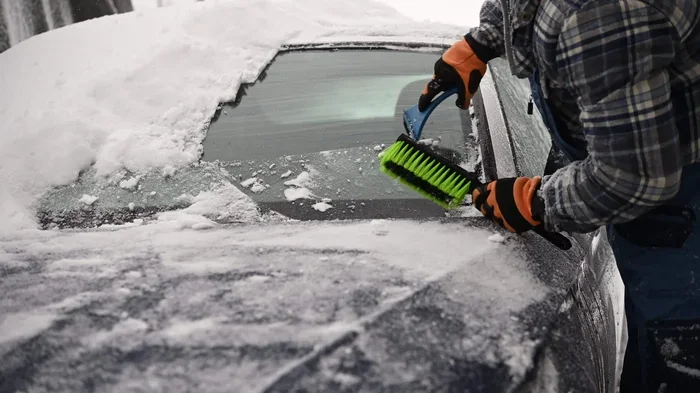
- Use your plastic scraper to gently remove loosened ice.
Pro tip: Turn on the rear defroster at the same time. It warms the rear windshield and back glass. This prevents ice buildup on those surfaces too.
Method 2: Use a Homemade Deicer Spray
You can make your own car deicer spray at home. It works just as well as store-bought versions. The magic ingredient is rubbing alcohol, which lowers the freezing point of water.
Here is the simple recipe:
- Mix two parts rubbing alcohol with one part water.
- Pour the mixture into a spray bottle.
- Spray the solution generously on the ice.
- Wait 30 seconds to one minute.
- Scrape the ice away with your plastic scraper.
This method is fast, cheap, and extremely effective. Many drivers keep a bottle in their trunk all winter long.
Method 3: Use Lukewarm Water (Not Hot!)
Lukewarm water can help loosen ice, but you must be careful. The water should feel warm, not hot. Hot water can cause thermal shock, which cracks your windshield. Always use water that is comfortably warm to the touch.
Steps for this method:
- Prepare a bucket of lukewarm water.
- Pour it slowly over the ice, starting from the edges.
- The ice will begin to melt and loosen.
- Scrape away the remaining ice with your scraper.
- Dry the glass with a clean cloth to prevent refreezing.
Warning: Never pour boiling or very hot water on frozen glass. The sudden temperature change can cause cracks that spread quickly. This is one of the most common and costly mistakes drivers make.
Method 4: Use a Credit Card or Plastic Putty Knife
In a pinch, a plastic card or putty knife works for light frost. It is not as effective as a proper ice scraper, but it gets the job done when you have nothing else. Avoid using metal cards or sharp objects. They can scratch and damage your glass.
Method 5: Start Scraping From the Top Down
No matter which method you use, always scrape from the top of the windshield down. Ice melts from the top first because warm air rises. Scraping top to bottom lets the loosened ice fall away naturally. This saves you effort and prevents re-freezing on lower sections.
Common Mistakes to Avoid
Many drivers make avoidable mistakes when dealing with frozen glass. These errors waste time, damage your car, and even create safety hazards. Here are the biggest mistakes to steer clear of.
Using Hot Water on Frozen Glass
This cannot be stressed enough. Hot water and frozen glass are a dangerous combination. The extreme temperature difference causes the glass to expand rapidly. This leads to cracks and chips that can cost hundreds of dollars to repair. Always use lukewarm water at most.
Using Metal Scrapers or Sharp Objects
Some people reach for a kitchen knife or a metal spatula. These tools scratch the glass surface deeply. Scratches weaken the glass over time and create spots where ice builds up faster. Stick to plastic or rubber scrapers designed for car use.
Only Clearing a Small Viewing Area
Some drivers clear just a small hole in the windshield to see the road. This is extremely dangerous. You need full visibility in all directions. Clear your entire windshield, side windows, mirrors, and rear window before you drive.
Turning on the Wipers on Frozen Glass
Never turn on your wipers when the blades are frozen to the windshield. The motor can burn out, and the wiper blades can tear. Always clear the ice from the blade area first. If your wipers are frozen, gently lift them away from the glass before scraping.
Ignoring Ice on the Roof
Ice on your roof can slide onto the windshield while you drive. It can also fly off onto the car behind you. Always knock off roof ice before you start driving. A soft brush or a roof snow brush works well for this.
How to Prevent Ice Buildup on Your Car
Prevention is always better than cure. If you take a few simple steps before winter hits, you can save yourself the hassle of scraping ice every morning. Here are the best prevention strategies.
Use a Windshield Cover
A fitted windshield cover is the single best prevention tool. It blocks moisture from settling on your glass overnight. The cover traps warmth from the car and keeps frost from forming. Simply pull it off in the morning, and you are ready to go.
Park in a Garage or Covered Area
If you have access to a garage, use it. A covered parking spot protects your car from the full force of cold air and moisture. Even a carport or awning helps. The less exposed your car is, the less ice you will deal with.
Apply a Rain Repellent Coating
Products like Rain-X or similar coatings create a hydrophobic layer on your glass. Water beads up and rolls off instead of settling into frost. This does not prevent ice completely, but it reduces buildup significantly.
Keep Your Windows Cracked Slightly
This might sound odd, but a small crack allows moisture to escape. When moisture cannot build up on the glass, frost forms less. Do not crack the window too much. Just a small gap of half an inch is enough.
Use a Tarp or Old Sheet
If you do not have a windshield cover, a tarp or old bedsheet works in a pinch. Lay it over the windshield and secure it with the wiper blades or bungee cords. It is not as snug as a fitted cover, but it still blocks a good amount of moisture.
Quick Tips for Fast and Safe Ice Removal
Here are some bonus tips that experienced drivers swear by. These quick hacks save time and protect your car.
- Keep your scraper in the car: Do not leave it at home. You might park somewhere unexpected.
- Carry a small spray bottle: Fill it with your homemade deicer solution for emergencies.
- Use a microfiber cloth: After scraping, wipe the glass dry to prevent refreezing.
- Scrape in one direction: This prevents streaking and makes the job faster.
- Do not use your hands: The moisture from your skin freezes and makes the ice worse.
- Warm up your car before scraping: Turn on the defrost a few minutes before you start scraping.
- Check all mirrors and lights: Ice on side mirrors and taillights reduces visibility for other drivers.
Expert Insights on Winter Car Glass Care
Automotive experts agree that proper winter care extends the life of your car glass. According to auto glass professionals, the biggest threat to windshields in winter is not the cold itself. It is the rapid temperature changes drivers create when trying to clear ice fast.
“The number one cause of windshield cracks in winter is thermal shock,” says Mark Jennings, an auto glass specialist with over 20 years of experience. “When you pour hot water on a frozen windshield, the outer layer expands while the inner layer stays cold. That tension creates cracks. Always warm your glass gradually.”
Experts also recommend replacing worn wiper blades before winter. Old blades cannot clear snow and ice effectively. They also leave streaks that freeze overnight, making the morning scrape harder. A fresh set of wipers paired with a good ice scraper is the ultimate winter combo.
Another expert tip is to keep your gas tank at least half full during winter. This helps your car’s heating system work more efficiently. A well-heated car defrosts the glass faster, which means less scraping time for you.
When to Seek Professional Help
Sometimes ice removal is not enough. If your windshield already has chips or cracks, ice removal can make the damage worse. In these cases, it is best to seek professional help. Auto glass repair shops can assess the damage and recommend the right fix.
Also, if you notice your defrost system is not working properly, do not rely on manual scraping alone. A malfunctioning heating system can leave you struggling with ice every morning. Get your car checked by a mechanic before winter gets severe.
Conclusion
Knowing how to remove ice from car glass quickly and safely is a winter essential. You have learned the best tools, the safest methods, and the common mistakes to avoid. From using the defrost system to making your own deicer spray, you now have a full toolkit of solutions.
Prevention is your best defense. A windshield cover, proper parking, and a rain repellent coating can save you precious minutes every morning. And always remember the golden rule: never use hot water on frozen glass.
Take action now. Stock up on the right tools before the next cold snap hits. Your future self will thank you when you step outside to a clear windshield on a freezing winter morning. Stay safe, stay prepared, and drive with confidence all winter long.
Frequently Asked Questions
What is the fastest way to remove ice from car glass?
The fastest method is using a commercial car deicer spray combined with a plastic ice scraper. Spray the solution, wait 30 seconds, and scrape. A homemade mix of rubbing alcohol and water works just as well and costs pennies.
Can I use hot water to melt ice on my windshield?
No. Hot water can cause thermal shock and crack your windshield. Always use lukewarm water at most, or better yet, rely on your car’s defrost system for safe, gradual warming.
How do I prevent ice from forming on my car windshield overnight?
The best prevention is a fitted windshield cover. You can also park in a garage, apply a rain repellent coating, or crack a window slightly to let moisture escape. A tarp or old sheet works well too.
Is it safe to use a credit card to scrape ice?
It is safe for light frost but not effective for thick ice. A plastic ice scraper is always the better choice. Avoid using metal objects or sharp tools, as they can scratch and damage your glass.
Why does ice keep coming back after I scrape my windshield?
Ice returns when moisture in the air settles on cold glass. This happens especially on clear, cold nights. To reduce regrowth, make sure your glass is fully dry after scraping, and consider using a windshield cover overnight.
Should I scrape ice off my car roof as well?
Yes. Ice on your roof can slide onto your windshield while driving or fly off onto other vehicles. Use a soft roof brush to remove ice from the roof, hood, and trunk before you start driving.