How to Prevent Your Car from Overheating in Summer
Learning how to prevent your car from overheating in summer is one of the smartest things you can do for your vehicle. Extreme heat puts serious strain on your engine, cooling system, and battery. This guide covers practical maintenance tips, warning signs to watch for, and quick fixes that can save you from costly repairs. Whether you are driving daily or planning a road trip, these steps will help keep your car running smoothly all summer long.
Summer heat can be brutal. Not just for you but for your car too. Every year, thousands of drivers face the frustrating and sometimes scary experience of a car overheating on a hot road. The good news is that most overheating problems are completely preventable. With a little knowledge and some simple habits, you can keep your engine running cool all season long.
This guide will walk you through everything you need to know about how to prevent your car from overheating in summer. We will cover the reasons cars overheat, the warning signs you should never ignore, and the best maintenance steps you can take right now. Think of this as your summer car care playbook. By the end, you will feel confident and prepared for even the hottest days on the road.
Let us start with the basics. Understanding why your car overheats in the first place makes it much easier to stop it from happening.
Key Takeaways
- Check coolant levels regularly: Low coolant is the number one cause of summer overheating.
- Inspect hoses and belts: Cracked or worn parts fail fast in high heat.
- Watch your temperature gauge: Catching early signs saves you from major engine damage.
- Park smart: Shaded spots and cracked windows reduce interior heat buildup.
- Flush your cooling system on schedule: Old coolant loses its effectiveness fast.
- Know when to pull over: Driving while overheating can destroy your engine.
- Follow a summer maintenance routine: Prevention always costs less than repair.
📑 Table of Contents
- Understanding Why Cars Overheat in Summer
- Top Warning Signs Your Car Is Overheating
- Essential Summer Car Maintenance Checklist
- Quick Fixes and Emergency Tips When Your Car Overheats
- Long-Term Solutions to Keep Your Engine Cool
- When to See a Mechanic
- Common Mistakes That Cause Summer Overheating
- Final Thoughts on Preventing Summer Overheating
Understanding Why Cars Overheat in Summer
Your car engine produces a lot of heat. The cooling system works hard to keep temperatures in a safe range. But when summer temperatures climb, that system faces extra pressure. Here is what happens inside your engine and why heat makes it worse.
How the Cooling System Works
Your cooling system uses a mixture of water and antifreeze, also called coolant. This liquid flows through engine passages and absorbs heat. It then travels to the radiator, where the heat gets released into the air. A water pump keeps the coolant moving. A thermostat opens and closes to regulate the flow. The radiator fan kicks in when the car needs extra cooling.
When any part of this system fails or gets weak, the engine temperature rises. In summer, the outside air is already hot, which makes it harder for the radiator to release heat. That is why overheating problems spike during the summer months.
Why Summer Heat Makes It Worse
High ambient temperatures reduce the cooling system’s efficiency. The radiator relies on cooler outside air to pull heat away from the coolant. When the air is already hot, this process slows down. Add in stop-and-go traffic, heavy loads, or driving on steep roads, and the engine works even harder.
Here are the most common reasons cars overheat in summer:
- Low coolant levels from leaks or evaporation
- Old or degraded coolant that has lost its effectiveness
- A faulty thermostat that stays closed
- A broken radiator fan that cannot pull air through the radiator
- Worn hoses or belts that crack or snap in heat
- A failing water pump that cannot circulate coolant
- A clogged radiator blocked by dirt or debris
Knowing these causes helps you focus your prevention efforts where they matter most.
Top Warning Signs Your Car Is Overheating
Catching overheating early can save your engine from serious damage. Most cars give you clear signals before a full breakdown happens. Here is what to look and listen for.
The Temperature Gauge
Your dashboard has a temperature gauge or a warning light. If the needle moves into the red zone, pay attention immediately. This is the most direct signal that your engine is too hot. Do not ignore it. Pull over safely and turn off the engine.
Steam or Smoke from the Hood
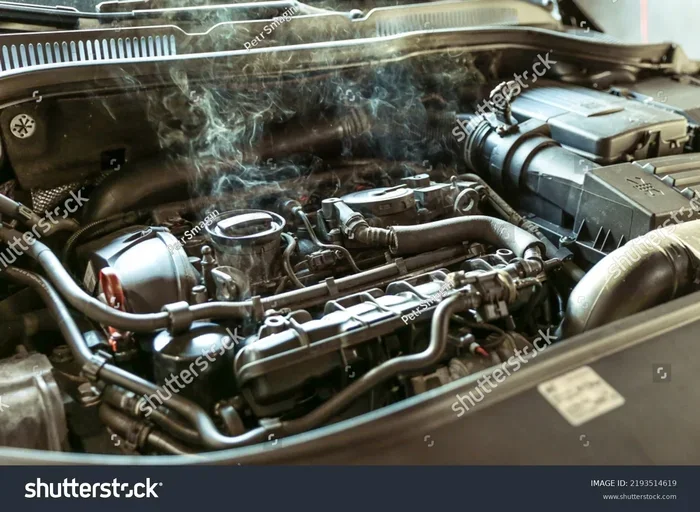
Seeing steam or smoke coming from under the hood is a clear sign of overheating. This usually means coolant has leaked onto a hot engine part. It can also mean the coolant reservoir is pressurized and releasing steam. Never open the radiator cap when the engine is hot. The pressurized coolant can cause severe burns.
Unusual Smells
A sweet, syrupy smell often means coolant is leaking. A burnt or rubbery smell might point to a slipping drive belt or an overheating component. Trust your nose. Strange smells under the hood are never a good sign.
Strange Sounds
Some cars make a knocking or pinging sound when the engine runs too hot. You might also hear a gurgling noise from the coolant system. These sounds mean the coolant is boiling or the engine is struggling.
If you notice any of these signs, stop driving and let the engine cool down. Continuing to drive can cause a blown head gasket, warped engine blocks, or total engine failure. The repair costs for these problems can be thousands of dollars.
Essential Summer Car Maintenance Checklist
The best way to prevent your car from overheating in summer is a solid maintenance routine. Here is a checklist you can follow before the heat peaks and throughout the season.
Check Your Coolant Levels
Coolant is the lifeblood of your cooling system. Start by checking the coolant reservoir when the engine is cold. The fluid should sit between the minimum and maximum marks. If it is low, top it off with the right type of coolant for your vehicle.
Here is what to keep in mind about coolant:
- Use the type recommended in your owner’s manual
- Never mix different coolant colors unless the manual says it is okay
- Check for a sweet smell or green, orange, or pink puddles under your car, which can signal a coolant leak
- Replace coolant on schedule, usually every 30,000 to 50,000 miles
If you find yourself constantly needing to add coolant, you likely have a leak. Get it checked by a mechanic before summer hits hard.
Inspect the Radiator and Hoses
The radiator and hoses carry coolant throughout the system. In summer heat, rubber hoses can become brittle and crack. Look for any visible damage, swelling, or soft spots. Squeeze the hoses gently when the engine is cool. They should feel firm but flexible, not hard or spongy.
Check the radiator cap too. A weak cap cannot hold the right pressure, which affects the entire cooling system. A new radiator cap is inexpensive and easy to replace.
Test the Thermostat and Water Pump
The thermostat controls when coolant flows to the radiator. If it gets stuck closed, coolant cannot circulate and the engine overheats. The water pump does the actual pushing. If it fails, coolant sits still and the engine heats up fast.
These parts are harder to inspect on your own, so include them in your regular service appointments. A mechanic can test the thermostat and listen for water pump noises during a routine checkup.
Flush the Cooling System
Over time, coolant breaks down and loses its ability to transfer heat. Old coolant can also develop rust and sediment that clog the system. A cooling system flush removes the old fluid and replaces it with fresh coolant.
Most mechanics recommend a flush every two years or 30,000 miles. Before a long summer road trip, consider getting this done. It is one of the most effective ways to protect your engine from overheating.
Check the Radiator Fan
The radiator fan pulls air through the radiator when the car is slow or idling. Without it, the engine can overheat in traffic or at stoplights. You might hear the fan kick on when the engine reaches a certain temperature. If you never hear it, have it tested.
Fan issues can range from a simple fuse replacement to a faulty fan motor. Either way, fixing it early prevents bigger problems down the road.
Inspect Drive Belts
The drive belt, also called the serpentine belt, powers the water pump and other accessories. A cracked or loose belt can cause the water pump to stop working, which leads to overheating. Look for visible cracks, glazing, or fraying. Replace worn belts before summer arrives.
Quick Fixes and Emergency Tips When Your Car Overheats
Even with the best prevention, sometimes things go wrong. Here is what to do if your car starts overheating on the road.
Step 1: Turn Off the Air Conditioning
This might sound counterintuitive, but turning off the A/C reduces the load on the engine. Roll down the windows instead. If the temperature gauge starts to drop, you can slowly turn the A/C back on.
Step 2: Turn on the Heater
This one surprises people. Cranking the heater to full blast pulls heat away from the engine and into the cabin. It is not comfortable, but it can buy you time to pull over safely.
Step 3: Pull Over and Turn Off the Engine
If the temperature gauge stays in the red, pull over immediately. Turn off the engine and wait at least 15 to 20 minutes before opening anything. Let the coolant cool down before you check the levels.
Step 4: Check for Visible Leaks
Once the engine is cool, open the hood and look for any leaking coolant. Do not touch anything hot. If you see a puddle or a hose that has come loose, you may be able to make a temporary repair. But do not keep driving if the problem is serious.
Keep a bottle of coolant and a basic emergency kit in your trunk during summer. These simple items can make a big difference if something goes wrong on the road.
Long-Term Solutions to Keep Your Engine Cool
Beyond the basics, there are smart habits and upgrades that help protect your car from overheating over the long haul.
Park in the Shade
Simple but effective. Parking in the shade keeps your engine bay cooler and reduces the initial heat load when you start driving. If shade is not available, use a windshield sunshade. It keeps the interior temperature down and reduces the strain on your A/C system.
Upgrade Your Coolant
Not all coolants are the same. High-performance coolants offer better heat absorption and protection against boiling. If you live in a very hot climate, talk to your mechanic about upgrading to a premium coolant formula. It is a small investment that can pay off during the hottest months.
Install a Radiator Guard or Fan Shroud
These accessories help direct airflow through the radiator more efficiently. They are especially useful for vehicles that sit low to the ground or drive on roads with a lot of debris. A radiator guard also protects the fins from damage, which keeps airflow smooth.
Monitor Your Driving Habits
Heavy towing, hauling, or driving in stop-and-go traffic all increase engine heat. If you need to tow something heavy, make sure your cooling system is in top shape first. Take breaks during long drives to let the engine cool down. These small habits add up to a lot of protection over time.
Keep Up with Oil Changes
Engine oil does more than lubricate. It also helps manage heat. Old or low oil cannot carry heat away from engine parts as effectively. Stick to your oil change schedule and use the grade of oil recommended by your vehicle manufacturer. Clean oil is a simple but powerful part of overheating prevention.
When to See a Mechanic
Some overheating issues are easy to fix at home. But others need professional attention. Here are signs that it is time to see a mechanic.
- You need to add coolant frequently, which suggests a hidden leak
- The temperature gauge fluctuates wildly or stays in the red
- You see white smoke from the exhaust, which can mean a blown head gasket
- The cooling system makes gurgling or bubbling sounds after the engine is off
- Your car overheats even on short, easy drives
A mechanic can perform a pressure test on the cooling system, check for internal leaks, and inspect parts that are hard to reach. Do not wait until a small problem turns into a major repair. Early action saves money and keeps you safe on the road.
Common Mistakes That Cause Summer Overheating
Many drivers unknowingly make habits that increase the risk of overheating. Here are some common mistakes to avoid.
- Ignoring the temperature gauge: Many drivers simply do not pay attention to it until it is too late.
- Topping off with water instead of coolant: Water works in a pinch but does not protect against boiling or corrosion the way coolant does.
- Skipping summer maintenance: People often think winter care is enough. Summer heat demands its own attention.
- Driving with the AC on max in traffic: This puts extra strain on the engine when it is already struggling to stay cool.
- Neglecting the radiator fan: A fan that does not work properly is one of the leading causes of overheating in summer traffic.
Avoiding these mistakes is one of the easiest ways to keep your engine healthy through the hottest months of the year.
Final Thoughts on Preventing Summer Overheating
How to prevent your car from overheating in summer comes down to preparation and awareness. Check your coolant, inspect your hoses, and follow a regular maintenance schedule. Know the warning signs and act quickly if something seems off. These steps take very little time but offer huge protection for your engine.
Summer driving should be fun, not stressful. When your car is properly maintained and you know what to look for, you can enjoy the open road with confidence. Keep this guide handy, share it with fellow drivers, and make overheating prevention a part of your summer routine. Your engine will thank you for it.
Stay cool out there, and drive safe all summer long.
Frequently Asked Questions
What causes a car to overheat in summer?
Cars overheat in summer mainly because the cooling system struggles to release heat in high temperatures. Common causes include low coolant, a broken radiator fan, a faulty thermostat, worn hoses, or a failing water pump. Stop-and-go traffic and heavy loads make the problem even worse.
How do I know if my car is overheating?
Watch for a rising temperature gauge on your dashboard, steam or smoke from the hood, a sweet smell from leaking coolant, or unusual knocking or gurgling sounds from the engine. If you see any of these signs, pull over safely and turn off the engine right away.
Can I keep driving if my car is overheating?
No. Driving while your car is overheating can cause serious engine damage, including a blown head gasket or a warped engine block. Pull over, turn off the engine, and wait for it to cool down before checking anything. Call for roadside assistance if needed.
How often should I check my coolant level in summer?
You should check your coolant level at least once a month during summer and before any long road trips. Always check it when the engine is cold to get an accurate reading and avoid burns from pressurized coolant.
Is it safe to add water to my coolant system in an emergency?
In an emergency, adding water is better than driving with no fluid at all. However, water does not protect against boiling or corrosion like coolant does. Add water to get to a safe location, then flush the system and refill with the proper coolant mixture as soon as possible.
What is the best coolant for summer driving?
Use the type of coolant recommended in your vehicle owner’s manual. Most modern cars use a long-life coolant that lasts up to five years or 150,000 miles. In extremely hot climates, a high-performance coolant with better heat absorption can offer extra protection.