How Much Is a BMW Catalytic Converter Really Worth
A BMW catalytic converter holds real value because of the precious metals inside, but its worth depends on your model, year, and current scrap prices. OEM replacements can cost anywhere from $1,000 to over $3,000, while scrap converters may fetch $50 to $500 depending on weight and metal content. Understanding what drives the price helps you make smart decisions about repair, replacement, and theft prevention.
Key Takeaways
- High Precious Metal Content: BMW catalytic converters contain platinum, palladium, and rhodium, which give them significant scrap value.
- OEM Replacement Costs Vary: Prices range from $1,000 to $3,500+ depending on your BMW model and year.
- Scrap Value Depends on Weight: Heavier converters contain more precious metals, so weight matters a lot.
- Theft Is a Real Risk: BMW converters are targeted by thieves because of their high resale value on the scrap market.
- Aftermarket Options Exist: Cheaper alternatives are available, but they may not meet emissions standards or last as long.
- Model and Year Matter: Newer BMW models with stricter emissions standards tend to have more expensive converters.
- Regular Maintenance Helps: Keeping your exhaust system in good shape extends the life of your catalytic converter.
📑 Table of Contents
- How Much Is a BMW Catalytic Converter Really Worth?
- What Is a BMW Catalytic Converter and Why Does It Matter?
- How Much Is a BMW Catalytic Converter Worth in Real Terms?
- Factors That Affect the Price of a BMW Catalytic Converter
- Common Problems with BMW Catalytic Converters
- How to Protect Your BMW Catalytic Converter
- The Bottom Line: What Is Your BMW Catalytic Converter Really Worth?
How Much Is a BMW Catalytic Converter Really Worth?
If you own a BMW, you have probably wondered about the cost of replacing a catalytic converter. Maybe your check engine light just came on, or you heard about catalytic converter theft in your neighborhood. Either way, understanding the real value of your BMW catalytic converter is important.
The truth is, a BMW catalytic converter is worth more than most people think. These devices contain precious metals like platinum, palladium, and rhodium. Because of this, they hold both functional and scrap value. But the exact price depends on many factors, including your specific BMW model, the year it was made, and current market conditions for precious metals.
In this guide, we will break down everything you need to know. You will learn what makes these converters so valuable, how much they cost to replace, and what you can do to protect yours. Whether you are dealing with a failed converter or just curious about your car’s worth, this article has you covered.
For context on how vehicle weight affects overall car value and parts pricing, you can check out our article on what it means when a car is 000 lbs heavy. Weight plays a surprising role in how much parts like catalytic converters are worth.
What Is a BMW Catalytic Converter and Why Does It Matter?
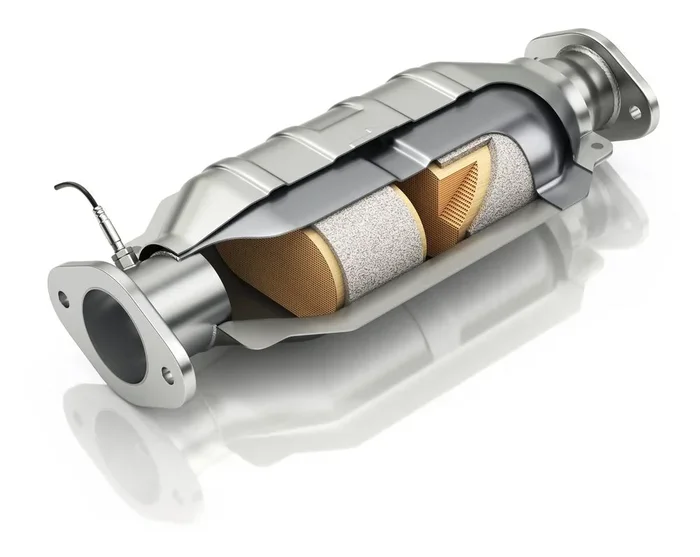
A catalytic converter is part of your BMW’s exhaust system. It sits between the exhaust manifold and the muffler. Its job is to clean up harmful gases before they leave the tailpipe. Without it, your BMW would release dangerous pollutants into the air.
How Does a Catalytic Converter Work?
The converter uses a honeycomb structure coated with precious metals. When hot exhaust gases flow through it, chemical reactions happen. Carbon monoxide becomes carbon dioxide. Unburned hydrocarbons get converted. Nitrogen oxides break down into nitrogen and oxygen. All of this happens in a split second as the gases pass through the unit.
BMW engineers design their catalytic converters to meet strict emissions standards. This is especially true for models sold in California and other states with tough regulations. That is why BMW catalytic converter units are often more advanced than what you find in regular cars.
Why Are BMW Converters Different?
BMW vehicles use high-performance exhaust systems. Their converters are built to handle higher temperatures and greater exhaust flow. This means they use more precious metals than a standard converter. More metals mean higher value. It also means higher replacement costs when something goes wrong.
Additionally, BMW models tend to be heavier vehicles. The overall weight of the car, including the exhaust system components, contributes to the value of individual parts. You can learn more about how vehicle weight impacts part values in our piece on why some cars are 000 lbs heavy for a car.
How Much Is a BMW Catalytic Converter Worth in Real Terms?
The value of a BMW catalytic converter depends on whether you are talking about replacement cost or scrap value. These are two very different numbers. Let us look at both.
OEM Replacement Cost
Buying a new OEM (Original Equipment Manufacturer) catalytic converter for a BMW can be expensive. Here is a rough breakdown by model:
- BMW 3 Series: $1,200 to $2,200
- BMW 5 Series: $1,500 to $2,800
- BMW X5: $1,800 to $3,500
- BMW 7 Series: $2,000 to $3,500+
- BMW M Series: $2,500 to $4,000+
These prices include the part and labor. Some BMW models have converters that are harder to access, which increases labor time. Newer models from 2015 and up tend to cost more because they use more advanced emission control devices.
Scrap Metal Value
If you are selling a used or damaged BMW catalytic converter for scrap, the price is much lower. Scrap yards pay based on weight and precious metal content. On average, a BMW catalytic converter fetches between $50 and $500 at a scrap yard.
The exact amount depends on the current price of platinum, palladium, and rhodium. These metals change in value every day based on global supply and demand. When prices are high, scrap converters become more valuable. This also makes them more tempting targets for thieves.
For reference, a heavier converter usually means more metal inside. This connects back to how vehicle weight and part composition affect value, which we explored in our article about cars that are 000 lbs heavy for a car.
Factors That Affect the Price of a BMW Catalytic Converter
Not all BMW catalytic converters are priced the same. Several key factors determine what you will pay for a replacement or what you might get for a used one.
Model and Year of Your BMW
Newer BMW models have more sophisticated exhaust systems. They also have stricter emissions requirements. This means the converters are more complex and use more precious metals. A 2022 BMW X5 converter will cost more than a 2010 BMW 3 Series converter.
Here is a quick comparison of how model and year affect pricing:
- Pre-2010 Models: Simpler designs, fewer precious metals, lower replacement cost.
- 2010 to 2017 Models: Moderate complexity, mid-range pricing.
- 2018 and Newer Models: Advanced emissions tech, higher precious metal content, highest cost.
Precious Metal Content
The three key metals inside a BMW catalytic converter are platinum, palladium, and rhodium. Each plays a specific role in cleaning exhaust gases. Rhodium is the most expensive of the three. Even small amounts drive up the value of the converter significantly.
A single BMW catalytic converter can contain anywhere from 3 to 7 grams of platinum. It may also contain 2 to 5 grams of palladium and 1 to 2 grams of rhodium. When you multiply these amounts by current market prices, the raw material value adds up fast.
Market Conditions for Scrap Metals
Precious metal prices fluctuate constantly. They are affected by mining output, global demand, and economic conditions. When the economy is strong, demand for these metals goes up. This pushes prices higher. During economic downturns, prices may drop.
If you are thinking about selling a used converter, timing matters. Watch the market and sell when prices are favorable. If you need a replacement, buying during a price dip might save you some money.
Aftermarket vs OEM Converters
OEM converters are made by the same manufacturer that built your BMW. They meet all factory specifications and come with warranties. Aftermarket converters are made by third-party companies. They cost less but may not last as long or meet emissions standards.
Here is a quick comparison:
- OEM Converter: Higher cost, better quality, meets all emissions standards, longer lifespan.
- Aftermarket Converter: Lower cost, variable quality, may not pass emissions tests, shorter lifespan.
For most BMW owners, the OEM route is the safer choice. The extra cost is worth the reliability and compliance with emissions laws.
Common Problems with BMW Catalytic Converters
BMW catalytic converters do not last forever. Over time, they can become clogged, damaged, or contaminated. Knowing the warning signs helps you catch problems early.
Signs Your BMW Catalytic Converter Is Failing
Watch for these common symptoms:
- Check Engine Light: This is the most common warning sign. Your BMW’s computer detects issues with the exhaust system.
- Reduced Engine Performance: A clogged converter restricts exhaust flow. You may feel sluggish or lose power.
- Dark Exhaust Smoke: Black or dark smoke from the tailpipe can signal a failing converter.
- Sulfur or Rotten Egg Smell: A strong smell from the exhaust means the converter is not processing gases properly.
- Failed Emissions Test: If your BMW does not pass an emissions test, the converter may be the culprit.
What Causes Converter Failure?
Several things can damage a BMW catalytic converter:
- Oil or Coolant Leaks: Fluids entering the exhaust system coat the converter’s internals and reduce its effectiveness.
- Engine Misfires: Unburned fuel entering the converter can cause it to overheat and melt internally.
- Physical Damage: Road debris or accidents can dent or puncture the converter housing.
- Age and Mileage: Like all parts, converters wear out over time. Most last between 70,000 and 100,000 miles.
How to Protect Your BMW Catalytic Converter
Catalytic converter theft has become a serious problem in recent years. Thieves target them because the precious metals inside are easy to sell. BMW converters are especially attractive because of their high metal content.
Anti-Theft Measures
Here are some steps you can take to protect your BMW:
- Install an Anti-Theft Device: Special cages and shields make it harder for thieves to remove your converter quickly.
- Park in Well-Lit Areas: Thieves prefer dark, secluded spots. Parking in a garage or well-lit lot reduces risk.
- Use a Car Alarm: Some modern alarms detect vibration from cutting tools and trigger immediately.
- Engrave Your VIN: Marking your converter with your vehicle identification number makes it harder to sell stolen parts.
Regular Maintenance Tips
Proper maintenance keeps your catalytic converter working longer:
- Keep your engine tuned. A misfiring engine sends unburned fuel into the converter and causes damage.
- Fix oil and coolant leaks promptly. Do not let fluids enter the exhaust system.
- Use the recommended fuel grade. Premium fuel helps keep the combustion process clean.
- Avoid short trips when possible. The converter needs time to reach operating temperature.
- Have your exhaust system inspected during regular service appointments.
Taking care of your BMW exhaust system saves you money in the long run. A well-maintained converter can last well beyond 100,000 miles, keeping your BMW catalytic converter in good shape and your wallet happy.
The Bottom Line: What Is Your BMW Catalytic Converter Really Worth?
The value of a BMW catalytic converter comes down to three things: replacement cost, scrap value, and the cost of not replacing it. If your converter is failing, ignoring the problem is not an option. A bad converter can damage your engine, fail emissions tests, and reduce fuel efficiency.
For most BMW owners, the replacement cost is the most relevant number. Expect to pay between $1,000 and $3,500 for an OEM unit, depending on your model and year. If you are looking at scrap value, expect $50 to $500 based on current precious metal prices and the weight of the unit.
The best thing you can do is stay proactive. Monitor your BMW for warning signs. Keep up with regular maintenance. And take steps to protect your converter from theft. These simple actions help you get the most value out of this important exhaust component.
Remember that the weight and construction of your BMW play a role in part pricing. Heavier vehicles with more robust exhaust systems tend to have more valuable components. For more insights on how vehicle weight affects parts and overall value, check out our detailed guide on what makes a car 000 lbs heavy for a car.
Your BMW catalytic converter is worth taking care of. It keeps your car running clean, keeps you legal on emissions, and holds real value as a scrap part. Treat it well, and it will serve you for many miles to come.
Frequently Asked Questions
Why are BMW catalytic converters so expensive to replace?
BMW catalytic converters use more precious metals than standard converters. They are also built to meet strict emissions standards. The combination of high-quality materials and complex engineering drives up the replacement cost significantly.
Can I sell my old BMW catalytic converter for scrap?
Yes, you can sell a used BMW catalytic converter to a scrap yard. The price depends on the weight and current market prices for platinum, palladium, and rhodium. Expect to receive between $50 and $500 for most BMW models.
How long does a BMW catalytic converter last?
A well-maintained BMW catalytic converter typically lasts between 70,000 and 100,000 miles. Factors like driving habits, engine health, and maintenance schedules can extend or shorten this lifespan.
What should I do if my BMW catalytic converter gets stolen?
First, report the theft to your local police. Then contact your insurance company to file a claim. Finally, get a replacement converter installed as soon as possible. Driving without a converter can damage your engine and cause your BMW to fail emissions tests.
Are aftermarket catalytic converters worth it for BMWs?
Aftermarket converters cost less upfront, but they may not meet OEM quality standards. They can also cause emissions test failures in some states. For most BMW owners, an OEM converter is the better long-term investment.
How can I tell if my BMW catalytic converter is stolen?
You will notice a loud exhaust noise when you start the car. Your BMW may also run rough or trigger the check engine light. Visually inspect the exhaust system if you suspect theft. A missing converter is easy to spot under the vehicle.
=== CONCLUSION ===
The BMW catalytic converter is a vital part of your vehicle. It keeps emissions clean and your engine running properly. Its worth goes beyond just function. The precious metals inside give it real scrap value, and the replacement cost reflects the quality and complexity BMW builds into every unit.
Whether you are facing a replacement bill, considering selling a used converter, or simply protecting your investment, understanding the value of this part is essential. Keep up with maintenance, watch for warning signs, and take anti-theft precautions. Your BMW catalytic converter is worth the effort.