How Many Cylinders Does a Maserati Have and Why It Matters
A Maserati can have anywhere from 6 to 8 cylinders, depending on the model and engine type. Most Maserati cars use a V6 or V8 engine configuration that delivers thrilling performance and that iconic Italian rumble. Understanding cylinder count helps you appreciate what makes these luxury vehicles so special on the road.
When you think of Maserati, what comes to mind? Probably that deep, throaty engine sound. The kind that turns heads at a stoplight. Maybe it is the sleek Italian design. Or the way the car hugs the road like it was born to race. But one thing many car lovers wonder about is the engine itself. Specifically, how many cylinders does a Maserati have? This question matters more than you might think. The cylinder count shapes everything from raw power to driving feel. Let us break it all down in a way that makes sense.
A Maserati engine is not like the engine in your daily commuter. These are hand-built powerplants designed for one thing: an unforgettable driving experience. The Maserati engine comes in different shapes and sizes. Some have six cylinders. Some have eight. Each setup serves a purpose. And knowing which one your car has can change how you maintain it, drive it, and even love it. So let us dive into the world of Maserati cylinders and see what makes them tick.
Key Takeaways
- Maserati engines typically have 6 or 8 cylinders: Most models feature a V6 or V8 layout for powerful performance.
- Cylinder count affects horsepower and torque: More cylinders generally mean more power and smoother delivery.
- Different Maserati models use different engines: From the Grecale to the MC20, each has its own unique cylinder setup.
- Engine configuration impacts sound and feel: The V8 gives that deep, aggressive growl Maserati is known for.
- Regular maintenance matters: Keeping your Maserati engine in top shape ensures it runs the way it should.
- Future Maserati models may shift: Electrification could change how Maserati builds engines going forward.
- Weight and balance matter: The engine weight plays a big role in how the car handles and drives.
📑 Table of Contents
- Understanding Maserati Engine Basics
- How Many Cylinders Do Different Maserati Models Have
- Why Cylinder Count Matters for Performance
- The Evolution of Maserati Engine Configurations
- Tips for Keeping Your Maserati Engine in Top Shape
- Common Mistakes Maserati Owners Make with Their Engines
- The Future of Maserati Engines
- Final Thoughts on Maserati Cylinders
Understanding Maserati Engine Basics
Before we get into specific numbers, let us talk about what an engine cylinder actually does. A cylinder is where the magic happens. Fuel and air mix inside. A spark plug ignites the mixture. That explosion pushes a piston down. That motion turns the wheels. More cylinders mean more explosions happening at the same time. This creates more power. But it also adds weight. It is a balancing act that Maserati engineers have perfected over decades.
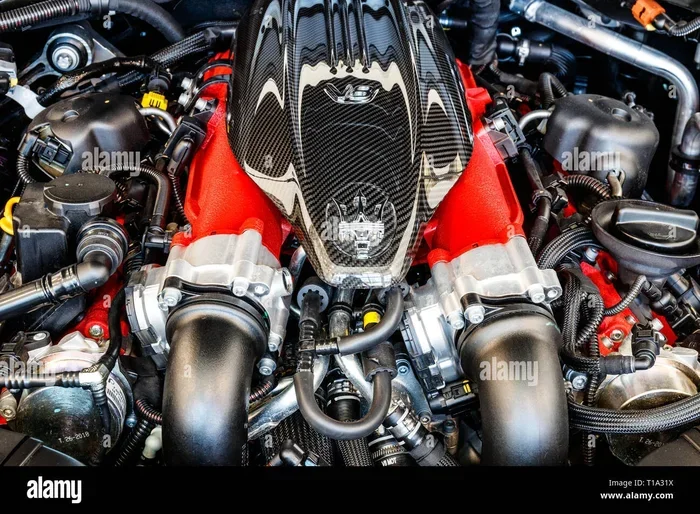
The engine configuration in a Maserati almost always follows a V-shape. A V6 engine has two banks of three cylinders. A V8 has two banks of four. This V-shape design keeps the engine compact. It also helps with balance and weight distribution. Maserati has used this layout for a very long time. It is part of the brand DNA. When you hear that Maserati engine sound, the V-configuration is a big reason why.
What Makes Maserati Engines Special
Maserati does not just build any engine. They build engines with soul. Every Maserati powerplant is designed and assembled by hand at their factory in Modena, Italy. The Italian sports car tradition runs deep here. They use premium materials. They tune each engine for a specific driving character. Some focus on top-end power. Others focus on low-end torque. The result is an engine that feels alive. It responds to your foot like a partner, not a machine.
The combustion chambers inside a Maserati engine are precision-crafted. Every millimeter matters. Even the shape of the intake manifold is designed to boost airflow. These details are what separate a Maserati from a mass-produced sedan. When you invest in a Maserati, you are investing in engineering passion. The engine displacement and cylinder count work together to create a unique driving signature for each model.
How Many Cylinders Do Different Maserati Models Have
Not all Maseratis are the same. Each model has its own engine setup. Some use a six-cylinder engine. Others use eight. Let us walk through the current lineup and see what is under the hood. This will help you understand why Maserati offers different cylinder counts.
Maserati V6 Models
The Maserati V6 engine has been a staple of the brand for years. It offers a great balance of power and efficiency. The V6 is lighter than a V8. It still delivers strong performance. Here are some Maserati models that use a V6 setup:
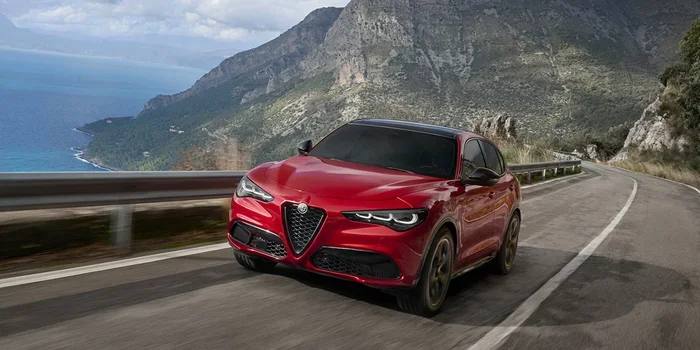
- Maserati Grecale: This compact luxury SUV uses a twin-turbo V6 engine. It produces around 424 horsepower in the Trofeo version. It is a great example of a modern Maserati staying relevant.
- Maserati Ghibli: The Ghibli has been a Maserati staple for decades. Its twin-turbo V6 delivers smooth, refined power. It is the perfect daily driver for someone who wants Italian luxury.
- Maserati Levante: This larger SUV also offers a V6 option. It balances the need for space with the desire for sporty performance.
The V6 engine in these models typically has engine displacement around 3.0 liters. That might sound small compared to a V8. But with twin-turbo technology, these engines punch well above their weight. They deliver strong torque and responsive acceleration. For many drivers, the V6 is the sweet spot. It gives you Maserati performance without the thirst of a V8.
Maserati V8 Models
Now we get to the big guns. The Maserati V8 engine is what true enthusiasts dream about. It is loud. It is powerful. It is the heart of the most extreme Maserati models. The V8 configuration gives these cars their signature growl. It is the sound of Italian motorsport heritage.
- Maserati Quattroporte: The flagship sedan offers a V8 option in the Trofeo trim. This engine produces over 523 horsepower. It makes the Quattroporte one of the fastest luxury sedans on the market.
- Maserati MC20: This mid-engine supercar is pure Maserati fury. Its 3.0-liter twin-turbo V8 produces 621 horsepower. It proves Maserati can compete with the best sports cars in the world.
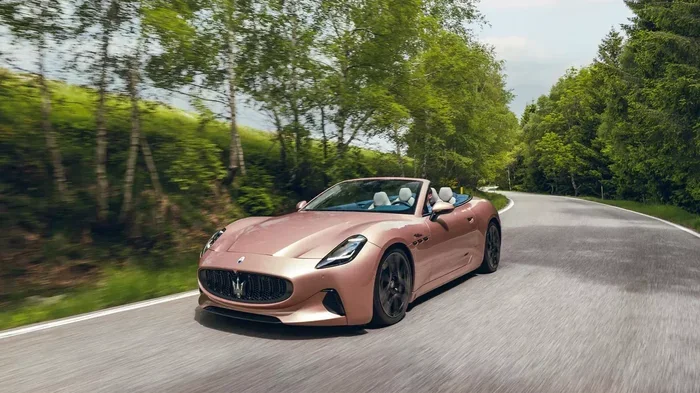
- Maserati GranTurismo (new generation): The latest GranTurismo brings back the V8 in a grand tourer package. It combines comfort with brutal performance.
The V8 engine in these models typically has a displacement of 3.8 liters. The twin-turbo setup helps extract every last bit of power. The horsepower numbers speak for themselves. But it is not just about speed. The V8 delivers a linear, smooth power band. It pulls hard from low RPM all the way to the redline. That is what makes a Maserati V8 so special.
Comparison Table: V6 vs V8 Maserati Engines
| Feature | V6 Engine | V8 Engine |
|---|---|---|
| Cylinder Count | 6 | 8 |
| Typical Displacement | 3.0 liters | 3.8 liters |
| Horsepower Range | 424 – 530 hp | 530 – 621 hp |
| Torque Range | 430 – 538 lb-ft | 538 – 730 lb-ft |
| Best For | Daily driving, balance | Maximum performance |
| Fuel Economy | Better | Lower |
| Sound Profile | Refined, smooth | Aggressive, deep |
As you can see, the choice between a V6 and V8 comes down to what you value most. If you want a Maserati you can drive every day, the V6 makes sense. If you want the full experience, the V8 is unbeatable.
Why Cylinder Count Matters for Performance
You might wonder why cylinder count matters so much. Can you not just add a turbo and get the same result? Not exactly. The number of cylinders affects how power is delivered. It changes the character of the engine. It even influences how the car feels on the road.
More cylinders mean more power strokes per revolution. In a V8 engine, you get a power pulse every 90 degrees of crankshaft rotation. In a V6, it is every 120 degrees. This difference creates a smoother, more refined power delivery in the V8. The engine feels like it never stops pulling. There are no gaps. No hesitation. Just constant, effortless acceleration.
The engine performance of a Maserati is directly tied to its cylinder count. A V6 Maserati can still be very fast. The Grecale Trofeo, for example, sprints to 60 mph in about 3.6 seconds. That is impressive for an SUV. But the MC20 with its V8 does it in about 2.9 seconds. The extra cylinders make a real difference in the final result.
Weight is another factor to consider. More cylinders mean a heavier engine. This is where things like engine weight and balance become important. A heavy engine can affect how a car handles. It can shift the weight balance forward. Maserati engineers work hard to manage this. They use lightweight materials. They place the engine carefully. But the basic physics remain. More cylinders equal more weight. It is something every driver should keep in mind.
The Role of Turbocharging
Modern Maserati engines use twin-turbo technology. This means two turbochargers force more air into the combustion chambers. More air means more fuel can burn. More fuel burning means more power. Turbocharging allows Maserati to get strong performance from a smaller engine. A twin-turbo V6 can match or even beat some naturally aspirated V8 engines from the past.
The turbochargers also help with torque delivery. Torque is the twisting force that turns your wheels. More torque means better acceleration. It means the car feels responsive and eager. The twin-turbo setup ensures that torque is available across a wide range of engine speeds. You get strong pull from low RPM. And the power keeps building as you climb through the gears.
The Evolution of Maserati Engine Configurations
Maserati has not always used V6 and V8 engines. The brand has a rich history of engine innovation. Over the decades, they have tried different layouts. They have experimented with different cylinder counts. Understanding this history helps you appreciate where Maserati is today.
In the 1960s and 1970s, Maserati used naturally aspirated inline-six engines. These were smooth and elegant. They lacked the raw aggression of a V8. But they had a refined charm that car lovers still admire today. As the brand evolved, they moved toward V8 engines. The Bora and Khamsin models featured powerful V8s that put Maserati on the map as a true performance brand.
In recent years, Maserati has shifted toward smaller, turbocharged engines. The current V6 engines are a perfect example. They use advanced technology to deliver performance that matches or exceeds older designs. The flat-plane crankshaft in the MC20 V8 is another example of cutting-edge engineering. This design allows for higher RPM and a more aggressive sound profile.
Looking ahead, Maserati is embracing electrification. Future models may use hybrid or fully electric powertrains. The cylinder count of traditional engines may become less relevant. But for now, the V6 and V8 remain the heart of the Maserati lineup. They represent everything the brand stands for: Italian passion, engineering excellence, and driving thrill.
What This Means for Car Maintenance
If you own a Maserati, understanding your engine is important for maintenance. A V6 engine has fewer moving parts than a V8. This can mean lower maintenance costs over time. But both engines are complex machines. They need regular care. Oil changes are critical. So are spark plug replacements and timing belt inspections.
Because Maserati engines are hand-built, they require specialized knowledge. Not every mechanic can work on them properly. You need a technician who understands the unique Maserati engine specifications. Regular car maintenance at a qualified shop will keep your engine running strong for years. Ignoring scheduled service can lead to expensive repairs down the road.
Tips for Keeping Your Maserati Engine in Top Shape
Owning a Maserati is a privilege. It also comes with responsibility. These engines need proper care to perform their best. Here are some practical tips to keep your Maserati running like new.
- Follow the service schedule: Maserati provides a detailed maintenance plan. Stick to it. Do not skip oil changes or inspections.
- Use the right oil: These engines need high-quality synthetic oil. Check your owner manual for the exact specification.
- Listen to your engine: You know your car better than anyone. If something sounds different, get it checked. Early detection prevents big problems.
- Keep it clean: Dirt and grime can affect engine performance. Regular washing and undercarriage cleaning help protect vital components.
- Drive it regularly: Maseratis are meant to be driven. Letting a car sit for too long can cause issues with the battery, fluids, and seals.
- Warm it up gently: Avoid revving a cold engine. Let it reach operating temperature before pushing it hard.
These simple habits go a long way. They help preserve the engine performance and longevity of your Maserati. A well-maintained Maserati engine can last for hundreds of thousands of miles. The key is consistency and attention to detail.
Common Mistakes Maserati Owners Make with Their Engines
Even passionate Maserati owners sometimes make mistakes. These small errors can add up over time. Here are some common pitfalls to avoid.
- Skipping oil changes: This is the number one mistake. Old oil loses its ability to lubricate and protect. It can cause serious engine damage over time.
- Ignoring warning lights: That check engine light is there for a reason. Ignoring it can lead to costly repairs that could have been prevented.
- Using low-quality fuel: Maserati engines are designed for premium fuel. Using lower grades can cause knocking and reduce performance.
- Overlooking fluid checks: Coolant, transmission fluid, and brake fluid all play a role in engine health. Check them regularly.
- Driving too aggressively too often: Maseratis can handle spirited driving. But constant hard driving wears out engine components faster than normal use.
Avoiding these mistakes will help your Maserati engine stay healthy. It will also keep your car running smoothly for many years to come. Prevention is always cheaper than repair.
The Future of Maserati Engines
What does the future hold for Maserati engines? The automotive world is changing fast. Electrification is no longer a trend. It is a reality. Maserati has already announced plans for hybrid and electric models. The brand wants to stay competitive while honoring its heritage.
Future Maseratis may still use the V6 and V8 names. But they could be paired with electric motors. This hybrid approach would boost power while improving efficiency. The engine sound that Maserati fans love might be preserved through synthetic sound enhancement. Or it might evolve into something entirely new.
One thing is certain. Maserati will always prioritize driving emotion. Whether the engine has six cylinders or zero, the goal remains the same. To deliver an experience that makes you fall in love with driving. The cylinder count may change. But the Maserati spirit will never die.
For now, the current lineup offers a perfect blend of tradition and innovation. The V6 and V8 engines are masterpieces of engineering. They represent everything that makes Maserati special. If you are lucky enough to own one, take care of it. And enjoy every moment behind the wheel.
Final Thoughts on Maserati Cylinders
So, how many cylinders does a Maserati have? The answer depends on the model. Most Maseratis come with either a V6 or a V8 engine. The V6 offers a great balance of power and practicality. The V8 delivers the full, unfiltered Maserati experience. Both are incredible machines that deserve your respect and attention.
Understanding your Maserati’s cylinder count helps you appreciate what makes it special. It also helps you make informed decisions about maintenance and driving habits. Whether you drive a Ghibli with a V6 or an MC20 with a V8, you are part of a proud tradition. A tradition of Italian engineering excellence and driving passion.
Take care of your engine. Drive it often. And never forget the sound. That is what makes a Maserati more than just a car. It is an experience. And the cylinders under the hood are where it all begins.
Frequently Asked Questions
How many cylinders does a Maserati Ghibli have?
The Maserati Ghibli comes with a twin-turbo V6 engine that has 6 cylinders. This configuration delivers a great balance of power and efficiency for daily driving.
Is a V6 or V8 Maserati better?
It depends on what you value most. A V6 Maserati offers better fuel economy and lower running costs. A V8 Maserati delivers maximum performance and that iconic deep engine sound. Both are excellent choices.
How much horsepower does a Maserati V8 produce?
A Maserati V8 engine can produce between 530 and 621 horsepower depending on the model. The MC20 with its V8 produces the most power at 621 hp.
Does Maserati make any 4-cylinder cars?
Currently, Maserati does not offer any 4-cylinder models in most markets. All current Maserati models use either a V6 or V8 engine configuration for optimal performance.
How often should I change the oil in my Maserati engine?
Maserati recommends oil changes every 7,500 to 10,000 miles depending on driving conditions. Always use the recommended synthetic oil specification for best results.
Will future Maseratis still have traditional engines with cylinders?
Maserati is moving toward hybrid and electric powertrains. However, they plan to maintain their signature engine character even in electrified models. The V6 and V8 names may still appear in future hybrid configurations.
=== CONCLUSION ===
A Maserati’s cylinder count is more than just a number. It defines the character, performance, and driving experience of each model. Whether your Maserati has a V6 or a V8 engine, you are part of a legacy of Italian automotive excellence. Understanding what is under your hood helps you appreciate the engineering passion that goes into every Maserati. Keep your engine well-maintained, drive it with care, and enjoy every moment of that unmistakable Maserati rumble.