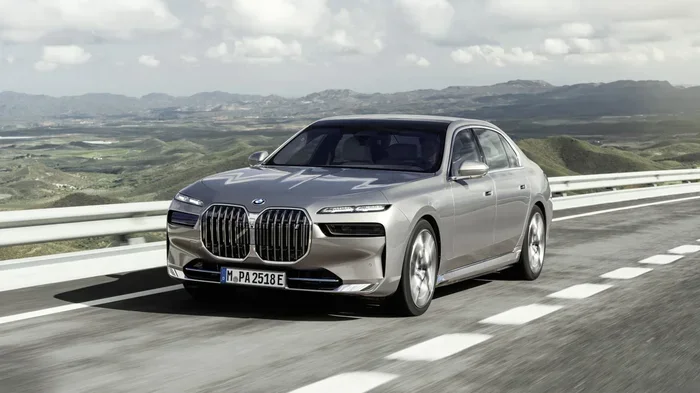
Can a BMW Really Last 300K Miles Without Breaking Down
Yes, a BMW can last 300K miles with the right care and maintenance. Many BMW owners have pushed their vehicles well past the 300,000-mile mark without major issues. The key lies in consistent BMW maintenance, smart driving habits, and choosing models known for durability and long-term reliability.
Can a BMW really last 300K miles without breaking down? The short answer is yes. The long answer is a bit more nuanced, but that is exactly what we are going to explore today. If you own a BMW or are thinking about buying one with big miles on the clock, this guide is for you.
BMW vehicles are engineered with precision and performance in mind. But longevity is a different beast entirely. A car that feels fast and luxurious at 30K miles may start showing its age by 150K miles if it has not been properly cared for. The good news is that many BMW models have proven they can go the distance when owners commit to a solid maintenance routine.
In this article, we will break down everything you need to know about BMW reliability at high mileage. We will cover common problems, the best models for longevity, maintenance schedules, and real-world tips that actually work. By the end, you will have a clear picture of what it takes to make a BMW last 300K miles or more.
Key Takeaways
- Regular maintenance is non-negotiable: Staying on top of oil changes, coolant flushes, and brake inspections keeps your BMW running strong.
- Not all BMW models are equal: Some models like the E46 3 Series and E28 5 Series have proven track records at high mileage.
- Driving habits matter: Gentle warming up, smooth acceleration, and avoiding short trips extend engine life significantly.
- Repair costs can add up: Budgeting for maintenance is essential when owning a high-mileage BMW.
- Weight impacts longevity: Heavier vehicles face more wear and tear, which is why understanding how weight affects your car is important for BMW owners.
- Timing chain and valve cover gaskets are common failure points: Knowing these helps you stay ahead of costly repairs.
📑 Table of Contents
What Makes a BMW Last 300K Miles?
Every car has a theoretical lifespan. But reaching 300K miles depends on a combination of factors. Some of these factors are within your control, and some are not. Let us look at what really matters.
Engine Design and Build Quality
BMW has a long history of building robust engines. The inline-six engines, in particular, are known for their smoothness and durability. These engines have a simple design with fewer moving parts compared to V-shaped engines. That simplicity translates to fewer things that can go wrong over time.
The N52 and M54 engines are often cited as some of the most reliable BMW powerplants ever made. These engines have been known to surpass 300K miles with basic maintenance. On the other hand, some newer turbocharged engines like the N54 and N55 have more complex components that can wear out faster under stress.
Material Quality and Engineering Standards
BMW uses high-grade materials in their vehicles. The engine blocks, transmission cases, and chassis components are built to tight tolerances. This means less friction, less wear, and a longer overall lifespan. However, this does not mean BMWs are immune to aging. Every car eventually needs attention.
One thing to keep in mind is vehicle weight. BMWs tend to be heavier than many competitors because of their luxury features and solid construction. Understanding how extra weight impacts your vehicle over time is important. If you want to dive deeper into this topic, check out this guide on what happens when a car is too heavy.
Owner Commitment to Maintenance
This is the single biggest factor. A well-maintained BMW will far outlast a neglected one. Many high-mileage BMW owners share a common trait: they never skip scheduled services. Oil changes, coolant flushes, transmission fluid changes, and brake inspections are all done on time or ahead of schedule.
Think of it this way. Would you skip brushing your teeth for years and expect them to stay healthy? Of course not. Your BMW works the same way. Regular care prevents small issues from becoming big, expensive problems.
Common BMW Problems at High Mileage
Every car has weak spots, and BMWs are no exception. Knowing these problems ahead of time helps you catch them early before they turn into costly repairs.
Timing Chain and Guide Rails
The timing chain is one of the most common failure points on higher-mileage BMWs, especially the N47 diesel engine and some N52 and N55 petrol engines. Over time, the chain stretches and the guide rails wear out. Symptoms include a rattling noise on startup, rough idling, and check engine lights.
Replacing a timing chain can cost anywhere from $1,500 to $3,500 depending on the model. The good news is that catching this early prevents engine damage. If you hear a persistent rattle when you first start your car, do not ignore it.
Valve Cover Gasket Leaks
BMW valve cover gaskets tend to deteriorate as the engine ages. Oil leaks from the top of the engine are a telltale sign. Left unchecked, oil leaks can lead to misfires, reduced performance, and even engine damage.
The fix is relatively straightforward and affordable compared to other BMW repairs. Replacing the valve cover gasket typically costs between $300 and $800. This is a repair you should not put off.
Water Pump and Thermostat Failure
BMW water pumps are often electric and controlled by the engine computer. They tend to fail around the 100K to 150K mile mark. A failing water pump can cause overheating, which leads to serious engine damage if not addressed quickly.
The thermostat is another common failure point. Both parts are relatively inexpensive to replace, but labor costs can add up. Staying on top of your cooling system maintenance helps prevent these issues from escalating.
Transmission Wear
BMW automatic transmissions, particularly the ZF 8HP units, are generally reliable. However, older models with the 5HP and 6HP transmissions can develop issues around 150K miles. Symptoms include rough shifting, slipping, and delayed engagement.
Regular transmission fluid changes every 50K miles go a long way in extending transmission life. Many owners skip this service, and it comes back to bite them later.
Maintenance Schedule for Long-Lasting BMWs
A proper maintenance schedule is the backbone of BMW longevity. Here is a practical breakdown of what your BMW needs and when.
Oil Changes
Oil is the lifeblood of your engine. BMW recommends oil changes every 10K to 15K miles for synthetic oil. However, many experienced BMW mechanics recommend changing oil every 7K to 8K miles for high-mileage vehicles. This extra effort pays off big time over the long run.
Always use BMW-approved synthetic oil that meets the LL-01 or LL-04 specification. Cheap oil brands may save you a few dollars now but can cause expensive damage down the road.
Coolant System Maintenance
BMW coolant should be flushed every 30K miles or every two years. The cooling system protects your engine from overheating, and old coolant loses its effectiveness over time. A coolant flush costs around $150 to $250, which is a small price compared to a blown engine.
Brake System Inspections
BMW brake pads typically last between 40K and 70K miles depending on driving style. Rotors may need replacement every 80K to 120K miles. Regular inspections help you catch worn components before they damage calipers or compromise safety.
Transmission Fluid Changes
Many owners overlook this service, but it is critical. BMW transmission fluid should be changed every 50K miles. Fresh fluid keeps the transmission shifting smoothly and reduces wear on internal components.
Spark Plugs and Ignition Coils
Spark plugs should be replaced every 60K to 100K miles. Worn spark plugs cause misfires, reduced fuel economy, and rough running. Ignition coils are another common wear item that should be inspected regularly.
Best BMW Models for Hitting 300K Miles
Not all BMWs are created equal when it comes to longevity. Some models have earned a reputation for being virtually indestructible when properly maintained.
BMW E36 3 Series (1990-1999)
The E36 3 Series is a legend among BMW enthusiasts. These cars are simple, well-built, and relatively easy to work on. The M42 and M43 inline-four engines and the M50 and M52 inline-six engines are known to run well past 300K miles with basic care.
Parts are abundant and affordable, which makes long-term ownership much more manageable. If you are looking for a high-mileage daily driver, the E36 is hard to beat.
BMW E46 3 Series (1998-2006)
The E46 is arguably the best 3 Series BMW ever made. The M54 inline-six engine is incredibly durable and has been known to reach 300K miles without major engine work. The M56 inline-six found in the 330Ci is another excellent option.
The E46 also benefits from a solid reputation in the used car market, meaning you can find them at reasonable prices. Maintenance costs are manageable, and the driving experience is second to none.
BMW E28 5 Series (1981-1988)
The E28 5 Series is a sleeper hit when it comes to longevity. These cars were built like tanks and many examples still roam the roads with 300K+ miles on the clock. The M20 and M30 inline-six engines are simple, robust, and easy to maintain.
If you can find a clean E28, it could be one of the most reliable long-term BMW investments you ever make.
BMW E39 5 Series (1995-2003)
The E39 5 Series offers a perfect balance of luxury and durability. The M52 and M54 engines are proven performers that handle high mileage gracefully. The E39 also features a well-designed cooling system and robust electrical components.
Many E39 owners report crossing the 300K mile mark with only routine maintenance and minor repairs. It is a great choice for anyone seeking a long-term luxury sedan.
Driving Habits That Extend BMW Life
How you drive has a huge impact on how long your BMW lasts. Small changes in your driving habits can add tens of thousands of miles to your vehicle’s life.
Warm Up Your Engine Properly
Cold engines experience more wear than warm ones. When you start your BMW in the morning, let it idle for 30 seconds to a minute before driving off gently. Avoid revving the engine while it is still cold. This allows the oil to circulate and lubricate all moving parts properly.
Avoid Short Trips When Possible
Short trips are tough on any car. The engine does not reach full operating temperature, which means moisture and fuel accumulate in the oil. Over time, this leads to sludge buildup and increased wear. If you can combine errands into longer trips, your BMW will thank you.
Drive Smoothly
Aggressive driving accelerates wear on every component from the engine to the transmission to the brakes. Smooth acceleration, gentle braking, and steady speeds reduce stress on your BMW and improve fuel economy at the same time.
Address Issues Promptly
Never ignore warning signs. A strange noise, a check engine light, or a subtle change in performance could indicate a problem that is getting worse. The longer you wait, the more expensive the repair becomes.
The Cost of Owning a High-Mileage BMW
Owning a BMW with 200K+ miles comes with financial responsibilities. Let us be honest about what to expect.
Routine Maintenance Costs
Annual maintenance for a high-mileage BMW typically runs between $1,000 and $2,500 depending on the model and your location. Oil changes, brake pads, filters, and fluid flushes make up the bulk of these costs. While this is more than a typical Honda or Toyota, it is manageable for most owners who budget accordingly.
Major Repair Costs
Major repairs on a BMW can be expensive. A timing chain replacement might cost $2,500 to $3,500. A transmission rebuild could run $3,000 to $5,000. An engine swap can easily exceed $5,000. This is why preventive maintenance is so important. Catching problems early saves thousands of dollars in the long run.
Is It Worth It?
For many BMW owners, the answer is yes. The driving experience, build quality, and luxury features make BMW ownership worthwhile even at high mileage. Plus, a well-maintained BMW at 300K miles still holds decent resale value compared to many competitors.
If you are considering a high-mileage BMW, do your homework. Get a pre-purchase inspection from a qualified mechanic. Review the service history carefully. And make sure you have a budget set aside for repairs and maintenance.
Final Thoughts on BMW Longevity
So, can a BMW last 300K miles? Absolutely. The evidence is clear from thousands of real-world examples. BMWs are capable of extraordinary longevity when they receive proper care and attention.
The key takeaways are simple. Stay on top of your BMW maintenance schedule. Choose models known for durability. Drive responsibly. Address issues before they become major problems. And understand that ownership costs are higher than average, but the driving experience makes it worthwhile for enthusiasts.
A BMW at 300K miles is not a broken-down vehicle. It is a well-loved machine that has been cared for by someone who understands the value of long-term ownership. If you are willing to put in the work, your BMW can absolutely go the distance and keep delivering the performance and luxury you fell in love with from day one.
Start today by reviewing your BMW’s service history and creating a maintenance plan for the miles ahead. Your future self will thank you when your odometer rolls past 300K with confidence and pride.
Frequently Asked Questions
Can any BMW model realistically reach 300K miles?
Many BMW models can reach 300K miles with proper maintenance, but some are more reliable than others. The E36, E46, E28, and E39 models are among the most proven for high-mileage longevity. Newer models with complex turbo engines may face more issues at high mileage without diligent care.
How often should I change the oil in my BMW for maximum longevity?
For maximum longevity, change your BMW oil every 5K to 8K miles using BMW-approved synthetic oil. While BMW factory intervals suggest 10K to 15K miles, shorter intervals significantly reduce engine wear and help your vehicle reach 300K miles and beyond.
What is the most expensive repair on a high-mileage BMW?
The most expensive repairs on high-mileage BMWs typically involve the engine or transmission. A timing chain replacement can cost $2,500 to $3,500, while a transmission rebuild may run $3,000 to $5,000. Regular maintenance helps prevent these costly repairs.
Is it cheaper to maintain a BMW or a Mercedes at high mileage?
BMW and Mercedes maintenance costs are similar at high mileage. Both brands use premium parts and specialized labor. However, older BMW models from the E36 and E46 era tend to be more affordable to maintain than comparable Mercedes models from the same period.
Should I buy a BMW with over 200K miles?
Buying a BMW with over 200K miles can be a great deal if the vehicle has a clean service history and no major issues. Always get a pre-purchase inspection and budget for ongoing maintenance. A well-cared-for BMW at 200K miles can easily last another 100K miles.
Do BMWs depreciate faster than other luxury brands at high mileage?
BMWs tend to hold their value better than many luxury brands at high mileage, especially models with strong reliability reputations. The E46 3 Series and E39 5 Series are examples of BMWs that retain value well even past 200K miles due to their proven durability and driving appeal.
=== CONCLUSION ===
A BMW can absolutely last 300K miles without breaking down. The key is consistent BMW maintenance, smart model selection, and responsible driving habits. Models like the E36, E46, E28, and E39 have proven themselves as reliable long-term companions. While ownership costs are higher than average, the reward is a vehicle that delivers performance, luxury, and driving pleasure for hundreds of thousands of miles.
If you are committed to the upkeep, your BMW will reward you with years of dependable service. Start building your maintenance plan today and enjoy the journey to 300K miles and beyond.