Can You Bring a Car Seat on a Plane for Safe Travel
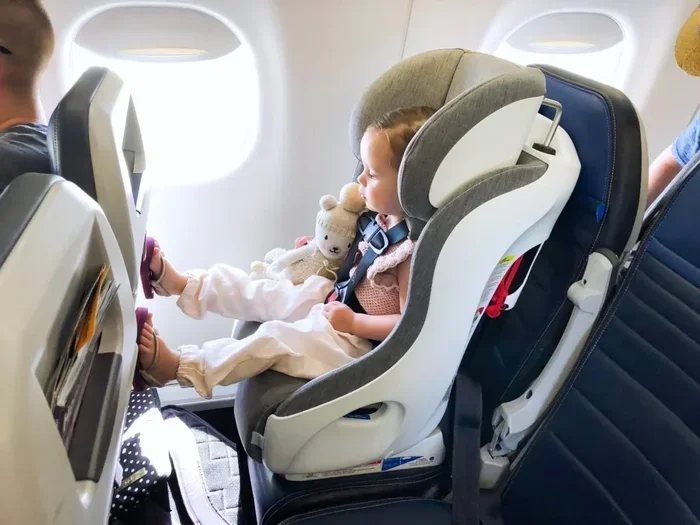
Yes, you can bring a car seat on a plane, but there are important rules to follow. The FAA requires a car seat on airplane to be labeled as approved for aviation use. Most airlines allow one child safety seat on plane per ticketed passenger, and you can either use it onboard or gate check car seat items at the entrance of the plane. Knowing the car seat baggage rules ahead of time saves stress and keeps your family safe.
Key Takeaways
- FAA Approval Is Essential: Only seats labeled FAA approved car seat are allowed on planes. Check the label before you fly.
- Airlines Have Specific Policies: Each airline sets its own car seat airline policy. Always confirm with your carrier before booking.
- You Have Two Options: Use the car seat onboard in a reserved seat or gate check it at the aircraft door.
- Protect Your Seat During Travel: Use a travel bag and proper cleaning products like those from 3M Car Care Delhi to keep your seat in top shape.
- Rear Facing Is Safer for Young Kids: Keep children rear facing on planes for as long as possible, just as you would in a car.
- Booster Seats Have Restrictions: Most airlines only allow booster seats with a built-in harness for infants and toddlers.
- Check Weight and Dimension Limits: Car seat dimensions airplane guidelines vary by airline, so verify size limits beforehand.
📑 Table of Contents
Can You Bring a Car Seat on a Plane for Safe Travel?
Can you bring a car seat on a plane? The answer is a clear yes. The Federal Aviation Administration, or FAA, allows parents and guardians to bring a car seat on airplane flights. But there are rules. Not every car seat qualifies. The seat must carry a label that says it is FAA approved car seat for use on aircraft. This label is your golden ticket. Without it, the airline crew may not let you use the seat onboard.
Traveling with a young child can feel overwhelming. You are juggling luggage, snacks, and keeping your little one calm. Adding a child safety seat on plane to the mix might seem like too much. But it is worth it. A car seat carry on provides a familiar and safe space for your child during takeoff, landing, and turbulence. It also gives parents peace of mind knowing their child is properly restrained.
The rules around bring car seat on flight are not complicated. They are designed with safety in mind. Planes experience sudden turbulence and hard landings. A child car seat flying that is properly certified can protect your child during these moments. Think of it as an extra layer of safety, just like a seatbelt for adults. The more prepared you are, the smoother your trip will be.
Many parents also ask about the car seat airline policy for different carriers. Some airlines are very family friendly. They offer priority boarding for parents with young children. Others have strict rules about when and where a seat can be used. Knowing the rules before you book your ticket helps you avoid surprises at the airport. Always check directly with your airline or visit their website for the latest car seat baggage rules.
If you have a very young child, you might wonder about a 1-year baby car seat and whether it works on a plane. The good news is that most rear-facing infant seats work fine on flights. The key is the FAA approval label. As long as your seat has that label, you are good to go. For older toddlers, a forward facing car seat flight option is also acceptable if it meets the same approval standards.
Airline Rules and Policies for Car Seats on Flights
Every airline has its own set of rules when it comes to car seat airline policy. These rules can vary slightly from one carrier to another. Some airlines allow you to use a car seat during all phases of flight. Others restrict usage during takeoff and landing. Understanding these differences before you travel is crucial.
Common Airline Car Seat Policies
Most major airlines follow FAA guidelines closely. They require a FAA approved car seat with a visible label. Here are some common policies you will encounter:
- Reserved Seat Policy: Many airlines allow you to book a separate seat for your child and use the car seat in that seat. This is the safest option.
- Lap Child Policy: If your child is under two years old, they can sit on your lap without a separate ticket. In this case, you can still bring a car seat on board and use it if you have a separate seat booked.
- Gate Check Policy: If you do not have a reserved seat for your child, you can gate check car seat items. The crew will take the seat at the aircraft door and return it to you at the gate upon arrival.
- Bulkhead Seating: Some airlines reserve bulkhead seats for families with young children. These seats often have extra legroom, which makes installing a car seat on airplane easier.
How to Check Airline Rules Before You Fly
Do not guess when it comes to car seat baggage rules. Every airline publishes its policies online. Here is how to check them:
- Visit the airline’s official website.
- Search for “child travel policy” or “car seat policy.”
- Read the section on infant and child seating.
- Call the airline’s customer service if you have questions.
- Confirm your booking includes any needed child seat arrangements.
Taking these five minutes to check can save you a lot of stress on travel day. It also ensures your child safety seat on plane meets all requirements. Some budget airlines may have stricter rules or fewer family-friendly options. Always double-check before you book.
It is also worth noting that car seat weight limit airline policies exist. Most airlines do not have a strict weight limit for the car seat itself. However, the total weight of your luggage and child items matters. If you are carrying a heavy seat and a diaper bag, make sure you stay within the carry-on weight limits. A rear facing car seat airplane setup can sometimes be bulkier than a forward-facing one. Plan accordingly and choose a seat that is lightweight if possible.
How to Choose the Right Car Seat for Flying
Not all car seats are created equal when it comes to air travel. Choosing the right one makes a big difference in comfort and safety. Here is what you need to know about car seat dimensions airplane requirements and how to pick the best seat for your trip.
FAA Approved Car Seats
The most important factor is the FAA approved car seat label. Look for this label on the back or side of the seat. It will say “This restraint is certified for use in motor vehicles and aircraft.” If you do not see this label, the airline will likely not allow you to use the seat on the plane. This is a non-negotiable rule.
Rear Facing vs Forward Facing
For the safest rear facing car seat airplane experience, keep your child rear facing for as long as possible. Rear-facing seats offer the best protection for a child’s head, neck, and spine. Many parents switch to forward-facing too early. On a plane, you have the space to keep your child rear facing longer.
If your child has outgrown the rear-facing limit, a forward facing car seat flight option works well. Just make sure it has the FAA approval label. A booster seat on airplane is generally not allowed for young children. Most airlines require a booster seat to have a built-in harness system. Belt-positioning boosters without a harness are usually only allowed for older children who can sit properly with the adult seatbelt.
Compact and Travel-Friendly Seats
If you want a car seat travel tips solution, consider a compact or travel-specific car seat. These seats are designed to be lightweight and easy to carry. They often fold or have carrying handles that make them convenient for airport navigation. Some popular options include:
- Compact Rear-Facing Seats: Lightweight and narrow, perfect for tight airplane seats.
- Travel Vests: These are not traditional car seats but are FAA approved and very portable.
- Convertible Seats: These grow with your child but can be heavier. Use them only if you have help carrying them through the airport.
When choosing a seat, think about car seat dimensions airplane space constraints. Economy seats are narrow. A bulky car seat might not fit comfortably. Measure your seat before you buy and check the airline’s seat width specifications if available.
Protecting Your Car Seat During Travel
Traveling with a car seat can be rough on the equipment. Airport floors, luggage carts, and overhead bins all pose risks. Protecting your car seat protection travel gear should be a top priority. A well-maintained seat is safer and lasts longer.
Use a Car Seat Travel Bag
A car seat travel bag is one of the best investments you can make. It shields the seat from dirt, scratches, and impacts during handling. Most travel bags come with padded sides and shoulder straps. They make carrying the seat through the airport much easier. Some bags even have wheels for rolling the seat alongside your luggage.
Clean and Maintain Your Seat Before the Trip
Before you pack your child car seat flying gear, give it a thorough cleaning. Use gentle, airline-safe cleaning products. Products from 3M Car Care Delhi or similar brands work well for removing stains and grime from car seat fabric and plastic. A clean seat is a hygienic seat, especially important when your child will be sitting in it for hours.
Wipe down all surfaces with a mild cleaner. Let the seat dry completely before packing it. This prevents mold and mildew from developing during the trip. If your seat has removable covers, wash them according to the manufacturer’s instructions before you travel.
Handling and Gate Check Tips
If you decide to gate check car seat items, there are a few things to keep in mind. First, attach a luggage tag with your contact information. Second, remove any accessories like cup holders or head supports before handing the seat over. Third, consider using a travel bag even for gate-checked seats. The seat will be handled by ground crew, and protection helps prevent damage.
When you arrive at your destination, inspect the seat carefully. Check for cracks, loose straps, or any damage that could compromise safety. If the seat appears damaged, do not use it for the drive to your hotel or rental car. A 1 kg car fire extinguisher is a great travel companion for any road trip, and it reminds us that car safety extends beyond just the seat itself. Always prioritize safety in every aspect of your journey.
Common Mistakes Parents Make When Flying with a Car Seat
Even experienced parents make mistakes when traveling with a child safety seat on plane. Avoiding these common errors can make your trip smoother and safer.
Mistake 1: Not Checking FAA Approval
The biggest mistake is bringing a car seat without the FAA approval label. Some parents assume any car seat works on a plane. It does not. If the seat lacks the label, the airline crew will ask you to check it or use it only as checked luggage. Always verify the label before you leave home.
Mistake 2: Ignoring Airline-Specific Rules
Every airline has its own car seat airline policy. Some require advance notice for child seats. Others have specific rules about which rows allow car seat installation. Do not assume all airlines follow the same rules. A quick call or website check saves time and frustration.
Mistake 3: Overpacking the Car Seat
Parents often want to bring everything for their child on the plane. They strap toys, blankets, and bags to the car seat. This can be dangerous. Extra items attached to the seat can become projectiles during turbulence or a hard landing. Keep the seat as light and uncluttered as possible. Pack extras in your carry-on bag instead.
Mistake 4: Forgetting to Install the Seat Correctly
A car seat on airplane must be installed correctly to work. On a plane, you use the aircraft seatbelt to secure the car seat. Make sure the seatbelt is threaded through the correct path on the car seat. Tighten it firmly so there is no wobble. If you are unsure, ask a flight attendant for help. They are trained to assist with car seat installation on aircraft.
Mistake 5: Not Planning for Space
Economy airplane seats are small. A large car seat might not fit comfortably in the seat next to you. This can make the flight uncomfortable for everyone. Choose a compact seat or consider purchasing a separate seat near the bulkhead where space is typically greater. Planning ahead for space is one of the best car seat travel tips you can follow.
Expert Tips for Stress-Free Car Seat Travel
Flying with a car seat does not have to be stressful. With the right preparation, it becomes second nature. Here are some expert-backed car seat travel tips to help you navigate every step of your journey.
Arrive Early at the Airport
Give yourself extra time when flying with a child and a car seat. You need time to check in, go through security, and find your gate. Rushing creates unnecessary stress. Arriving at least two hours before a domestic flight gives you a comfortable buffer.
Use a Wheeled Car Seat Bag
A wheeled bag transforms how you move through the airport. You can roll the seat alongside your carry-on instead of carrying it. This is especially helpful for long walks between gates or terminals. Look for bags with sturdy wheels and a telescoping handle.
Practice Installing the Seat at Home
Before your trip, practice installing the car seat in a similar space at home. Use a regular chair or even a car seat on the floor. This helps you understand how the seatbelt path works and gives you confidence for the actual installation on the plane. Practice makes perfect, and it reduces anxiety on travel day.
Pack Essentials in a Separate Bag
Keep your child’s essentials in a separate, easy-to-access bag. Diapers, wipes, a change of clothes, and snacks should be within reach. You do not want to dig through a large suitcase while your child is fussy on the plane. A well-organized carry-on bag makes the child car seat flying experience much more enjoyable for everyone.
Some parents also like to bring a 12v car socket to 3 pin adapter for charging devices during the flight. While not directly related to the car seat, having your phone charged means you can use entertainment apps to keep your child calm and occupied. A prepared parent is a calm parent, and calm parents raise calm kids.
Conclusion
So, can you bring a car seat on a plane? Absolutely. The key is preparation and knowledge. Always choose a FAA approved car seat and confirm the car seat airline policy with your carrier before you fly. Whether you use the seat onboard or gate check car seat items at the door, your child’s safety comes first.
Protect your seat with a quality travel bag and keep it clean using trusted products. Avoid common mistakes like ignoring airline rules or overpacking the seat. Follow the car seat travel tips shared in this guide, and you will breeze through your next family trip. A safe journey starts with the right gear and the right mindset. Fly smart, travel safe, and enjoy every moment with your little one.
Frequently Asked Questions
Do Airlines Allow Car Seats on Board for Free?
Yes, most airlines allow a car seat on airplane to be brought on board for free if you have a ticketed seat for your child. If your child is under two and sitting on your lap, you can still bring the seat but may need to check it at the gate. Always confirm with your specific airline about their car seat baggage rules and any fees that may apply.
What Does FAA Approved Car Seat Mean?
An FAA approved car seat is a seat that has been tested and certified for use on aircraft. It will have a label or sticker that says “Certified for use in motor vehicles and aircraft.” This label guarantees the seat meets the safety standards set by the Federal Aviation Administration for air travel. Without this label, the airline will not permit the seat to be used onboard.
Can I Use a Rear Facing Car Seat on a Plane?
Yes, you can use a rear facing car seat airplane style seat on a plane. In fact, rear-facing is the safest position for young children. As long as the seat is FAA approved and fits within the airplane seat width, you can install it in your reserved seat. Airlines generally do not restrict rear-facing installation as long as it does not block emergency exits.
What Is Gate Check for a Car Seat?
Gate check car seat means you take the car seat to the aircraft door at the beginning of your flight. The ground crew handles it and stores it in the cargo area. When you arrive, the seat is brought back to the gate for you. This is a convenient option if you do not have a reserved seat for your child or if your car seat carry on is too bulky to use onboard.
How Do I Clean a Car Seat After a Flight?
After a child car seat flying trip, wipe down all surfaces with a mild cleaner. Use products designed for car seat fabric and plastic, such as those available through 3M Car Care Delhi services. Remove and wash any fabric covers according to the manufacturer’s instructions. Let everything dry completely before storing the seat to prevent mold and odors.
Can I Bring a Booster Seat on a Plane?
Most airlines allow booster seats on planes only if they have a built-in harness system for younger children. Belt-positioning boosters without a harness are typically allowed only for older children who can sit properly with the adult seatbelt. Always check the car seat airline policy of your specific carrier before bringing a booster seat. The rules can vary significantly between airlines.
=== CONCLUSION ===
Traveling with a child becomes much easier when you understand the rules around a car seat on airplane journeys. From choosing a FAA approved car seat to protecting your gear with a travel bag, every step matters. Follow the car seat travel tips in this guide, avoid common mistakes, and always prioritize your child’s safety. With the right preparation, you and your family can enjoy a smooth and stress-free flight every time.