How Far Can a Keyless Car Drive Without the Key Fob
A keyless car can typically drive between 30 and 50 miles after the key fob dies, depending on the vehicle model, fuel level, and system design. Most modern vehicles with push button start will warn you well before the engine shuts down, giving you time to pull over safely. Understanding how smart key systems work helps you avoid getting stranded and keeps your car secure.
Have you ever walked away from your car and suddenly wondered, “How far can a keyless car drive without the key fob?” It is a question more drivers are asking as push button start vehicles become the norm on roads everywhere. The answer might surprise you. Most keyless cars can keep rolling for quite a while even after the key fob battery dies. But the details matter, and understanding them can save you from a very frustrating morning.
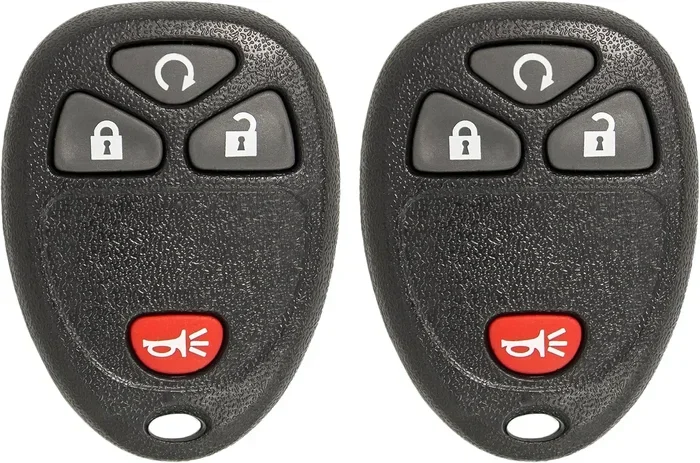
Modern vehicles use smart key systems that communicate wirelessly with the car. These systems rely on a small transmitter inside the key fob. When the fob is near the vehicle, the car recognizes it and allows the engine to start. But what happens when that tiny battery inside the fob gives out? Can you still drive home? The short answer is yes, in most cases. The longer answer depends on your car model, fuel level, and the specific proximity sensor technology your vehicle uses.
This article breaks down everything you need to know about driving a keyless car without the key fob. We will cover how the systems work, what to expect when the battery dies, and practical tips to avoid getting stuck. Whether you drive a Toyota, Ford, BMW, or a hybrid electric vehicle, this guide has you covered.
Key Takeaways
- Driving range varies: Most keyless cars allow 30 to 50 miles of driving after the fob battery dies, but this depends on the vehicle.
- Warning systems are standard: Nearly all modern cars alert you when the key fob is not detected, giving you time to react.
- Safety features prevent theft: Immobilizer systems ensure the engine cannot start without the correct key fob nearby.
- Battery replacement is simple: Most key fobs use a common CR2032 battery that costs under $5 and takes minutes to swap.
- Hybrid and electric vehicles behave differently: Some EV models allow longer distances without the key due to their power systems.
- Spare keys save the day: Always keep a backup key fob or physical key in a safe place at home or in your bag.
- Roadside assistance helps: If you do get stranded, most insurance plans and manufacturers offer free towing or key replacement services.
📑 Table of Contents
- How Keyless Ignition Systems Work
- How Far Can You Actually Drive Without the Key Fob
- What Happens When Your Key Fob Battery Dies
- Safety Features and Security Risks
- Different Car Brands and Their Rules
- Tips to Avoid Getting Stranded
- Common Mistakes Drivers Make With Keyless Cars
- Expert Insights
- Key Takeaways
- Conclusion
How Keyless Ignition Systems Work
The Basics of Push Button Start
Keyless ignition, also called push button start, replaced the traditional metal key decades ago. Instead of inserting a key into a lock, you press a button on the dashboard. The car checks whether the correct key fob is within a certain distance. If the fob is detected, the engine starts. If not, the car stays locked and the engine will not turn over.
The system uses a proximity sensor that sends out a low-frequency radio signal. This signal looks for the unique identification code inside your fob. Think of it like a secret handshake between your car and the key. As long as the fob is somewhere inside the vehicle, usually within a few feet, the car recognizes it and allows operation.
What Is a Transponder Chip?
Inside every key fob is a small transponder chip. This chip stores a unique code that matches your vehicle’s immobilizer system. The immobilizer is a security feature built into the car’s engine control unit. It prevents the engine from starting unless it receives the correct code. This is why you cannot just use any random fob to start someone else’s car.
The transponder chip does not need much power to send its code. That is why the car can still detect a fob even when the fob’s main battery is low. The low-power signal from the chip is enough to communicate with the car’s receiver antenna, which is usually located near the steering column or inside the center console.
How the Car Detects the Fob
Different car manufacturers use different methods to detect the key fob. Some vehicles have multiple antennas placed around the cabin. These antennas work together to pinpoint the fob’s location. For example, if the fob is in your pocket on the driver’s side, the car knows to unlock the driver’s door first.
Other vehicles use a single, more powerful antenna. These systems have a wider detection range but may be less precise about where exactly the fob is located inside the car. Either way, the goal is the same: confirm that the authorized key is present before allowing the engine to run.
How Far Can You Actually Drive Without the Key Fob
General Range Estimates
So, how far can a keyless car drive without the key fob? On average, most vehicles allow you to drive between 30 and 50 miles after the fob battery dies. Some models may allow even more distance, especially if the fuel tank is full or the battery pack is charged. However, this is not a hard and fast rule. The actual range depends on several factors.
Here are the key factors that affect how far you can drive:
- Fuel level: A full tank gives you more distance than a half-empty tank, obviously.
- Vehicle model: Different manufacturers set different limits for their smart key systems.
- Driving speed: Highway driving uses more fuel than city driving, so you may run out sooner.
- Car type: Hybrid and electric vehicles sometimes behave differently than traditional gasoline cars.
- Warning system sensitivity: Some cars shut down quickly; others let you keep going much longer.
What Happens When the Car Does Not Detect the Fob
When the car stops detecting the fob, it will usually display a warning message on the dashboard. You might see a flashing light, a beeping sound, or a message that says “Key Not Detected” or “Push Key Fob to Start.” These warnings are designed to give you time to pull over safely.
In most vehicles, the engine will continue running normally even after the warning appears. The car does not shut off immediately. This is intentional. Manufacturers want to prevent sudden engine shutdowns while driving, which could be dangerous. So you can generally keep driving until you find a safe place to stop and address the issue.
Hybrid and Electric Vehicle Differences
Hybrid and electric vehicles add a new layer to this question. Because EVs and hybrids use battery power instead of gasoline, their driving range without the key fob can be quite different. Some electric vehicles allow you to drive the full remaining charge even if the fob dies, because the power source is built into the car itself.
However, some EV manufacturers limit functionality when the fob is not detected. For instance, certain models may reduce heating or cooling power, limit top speed, or disable some infotainment features to conserve energy. Always check your owner’s manual for the specific rules that apply to your vehicle.
What Happens When Your Key Fob Battery Dies
Common Warning Signs
Before your key fob battery dies completely, it usually gives you warning signs. Recognizing these signs early can prevent you from being caught off guard. Here are the most common indicators that your fob battery is running low:
- The fob needs to be very close to the push button for the car to start.
- The remote lock and unlock functions become unreliable.
- The dashboard displays a low battery warning for the key fob.
- The car takes longer to recognize the fob when you approach.
- You need to press the fob button multiple times to get a response.
Emergency Start Procedures
Most keyless cars have an emergency start procedure built in. If the fob battery is completely dead, you can usually still start the car by placing the fob directly against the start button or a specific designated spot on the steering column. This allows the car’s antenna to read the transponder chip directly through the fob casing, bypassing the dead battery.
For example, on many Toyota and Lexus models, you press the fob against the start button and hold it there while pressing the brake pedal. On Ford vehicles, the designated spot is usually on the steering column where the key would normally go in older models. Check your owner’s manual for the exact location on your specific car.
Replacing the Fob Battery
Replacing a key fob battery is one of the easiest maintenance tasks you can do. Most key fobs use a CR2032 battery, which you can buy at any grocery store, pharmacy, or electronics shop for under $5. The replacement process usually involves popping open the fob case with a small flathead screwdriver, swapping the old battery for the new one, and snapping the case back together.
It takes about two minutes and requires no special tools. Some fob models have a small pinhole on the back that you press with a paperclip to release the battery compartment. Always carry a spare CR2032 battery in your glove box. It is a small habit that saves a lot of hassle.
Safety Features and Security Risks
How Immobilizer Systems Protect Your Car
One of the biggest concerns drivers have about keyless cars is security. Can someone steal your car if the fob is nearby? Modern vehicles use rolling code technology to prevent this. The transponder chip inside the fob generates a new code every time you use it. This means even if someone intercepts the signal, they cannot reuse it to start your car.
The immobilizer system works hand in hand with this rolling code. If the engine control unit does not receive the correct, current code, it will not allow the engine to start. This is why a keyless car cannot be hotwired the way older cars could. The security is built into the electronic system, not a physical lock.
Relay Attack Risks
There is one security risk that keyless car owners should know about: relay attacks. In a relay attack, a thief uses two devices to amplify the fob’s signal from inside your home and relay it to your car parked outside. This tricks the car into thinking the fob is nearby, and the doors unlock and the engine starts.
You can protect yourself from relay attacks by storing your fob in a signal-blocking pouch or faraday box when you are at home. These pouches cost around $10 and block the radio signals that thieves try to intercept. Some newer car models also offer built-in relay attack protection, so check with your dealer about available software updates.
What to Do If Your Car Is Stolen
If you suspect your keyless car has been stolen, act quickly. Call the police and provide your vehicle identification number. Most modern cars have GPS tracking built into their telematics systems, which can help law enforcement locate the vehicle. Contact your insurance company right away as well. Many comprehensive insurance policies cover keyless car theft and will pay for a replacement vehicle or key fob.
Different Car Brands and Their Rules
Toyota and Lexus
Toyota and Lexus vehicles are among the most popular keyless cars on the road. Most Toyota models allow you to drive the car even after the fob battery dies, as long as you use the emergency start procedure. The car will display a persistent warning message, but the engine continues running normally. Toyota estimates that drivers can cover roughly 40 to 50 miles without a working fob battery.
Ford and Lincoln
Ford vehicles use a similar system. The FordPass app can also serve as a backup key in some models. If your physical fob dies, you can use the app on your smartphone to lock, unlock, and start the car. This adds an extra layer of convenience and backup. Ford allows normal driving for approximately 30 to 50 miles after the fob battery dies.
BMW and Luxury Brands
BMW and other luxury brands often have more sophisticated smart key systems. These vehicles may display more aggressive warnings when the fob is not detected. Some BMW models will limit engine power or reduce functionality to encourage the driver to stop safely. The driving range without a working fob is generally similar to other brands, around 30 to 50 miles, but the car may feel different to drive.
Electric and Hybrid Manufacturers
Tesla, Nissan Leaf, Chevrolet Bolt, and other EV manufacturers handle keyless driving differently. Tesla, for example, uses a phone key and card key as backups. If the key fob battery dies, you can still drive using the phone app or the card key. Nissan Leaf owners can use a physical emergency key hidden inside the fob to start the car. Always check with your specific manufacturer for their backup protocols.
Tips to Avoid Getting Stranded
Replace Fob Batteries Proactively
The best way to avoid being stranded is to replace your key fob battery before it dies completely. Most fob batteries last between two and three years. Set a calendar reminder on your phone to replace the battery every two years. This simple habit eliminates the risk entirely.
Keep a Spare Key Fob
Always keep a spare key fob in a safe place. You can store one at home, one in your office, and one in your travel bag. If your primary fob dies, the spare gets you back on the road quickly. Most dealerships can program a replacement fob for you, though this may cost between $50 and $200 depending on the brand.
Know Your Car’s Emergency Procedure
Take five minutes to read the emergency start procedure in your owner’s manual. Know exactly where to place the fob if the battery dies. This knowledge is invaluable in a moment of panic. Write the procedure on a small card and keep it in your glove box along with your spare fob battery.
Use Roadside Assistance
If you do get stranded, do not panic. Call your roadside assistance provider. Most insurance plans, credit cards, and manufacturer warranties include roadside assistance that covers key-related issues. They can either bring you a replacement fob, tow your car to a dealer, or help you start the vehicle using the emergency procedure.
Keep Your Phone Charged
Many modern cars let you use your smartphone as a digital key through apps like Apple CarKey, Google Wallet, or manufacturer-specific apps. If your physical fob dies and your phone is charged, you may still be able to unlock and start your car. Keep your phone battery healthy and carry a portable charger for emergencies.
Drive Directly to a Safe Location
If your fob dies while driving, do not try to push the car or turn it off and on again. Drive calmly to the nearest safe parking spot, gas station, or dealership. Turn on your hazard lights to alert other drivers. Once safely parked, use the emergency start procedure or call for help.
Common Mistakes Drivers Make With Keyless Cars
Even experienced drivers make mistakes with keyless ignition systems. Here are the most common ones to avoid:
- Leaving the fob in the car overnight: This can drain the car’s 12-volt battery, leaving you unable to start the car the next morning.
- Assuming the car will shut off immediately: Most vehicles keep running even after the fob is no longer detected. This is a safety feature, not a malfunction.
- Ignoring low battery warnings: When the dashboard shows a fob battery warning, replace it within a week. Do not wait until it dies completely.
- Not having a backup plan: Relying solely on one fob is risky. Always have a spare or a digital backup ready.
- Storing the fob near electronic devices: Phones, laptops, and other electronics can interfere with the fob’s signal. Store it in a dedicated spot away from strong electromagnetic fields.
Expert Insights
Automotive experts agree that keyless car systems are generally very reliable and safe. According to several mechanics and automotive engineers, the most common issue is simply a dead fob battery. This is an easy fix that most car owners can handle themselves. The more serious concern is relay theft, which affects older vehicles that lack built-in relay attack protection.
John Davis, a certified automotive technician with over 15 years of experience, recommends a simple routine: “Replace your key fob battery every two years, keep a spare battery in your glove box, and know your car’s emergency start procedure. These three steps will prevent 99 percent of keyless car problems.”
Security researchers also emphasize that newer vehicles are much safer than older ones. The rolling code technology and encrypted communication between the fob and the car make modern keyless systems very difficult to hack. As long as you follow basic security practices, your keyless car is just as safe as a traditional keyed vehicle.
Key Takeaways
- Driving range varies: Most keyless cars allow 30 to 50 miles of driving after the fob battery dies, but this depends on the vehicle.
- Warning systems are standard: Nearly all modern cars alert you when the key fob is not detected, giving you time to react.
- Safety features prevent theft: Immobilizer systems ensure the engine cannot start without the correct key fob nearby.
- Battery replacement is simple: Most key fobs use a common CR2032 battery that costs under $5 and takes minutes to swap.
- Hybrid and electric vehicles behave differently: Some EV models allow longer distances without the key due to their power systems.
- Spare keys save the day: Always keep a backup key fob or physical key in a safe place at home or in your bag.
- Roadside assistance helps: If you do get stranded, most insurance plans and manufacturers offer free towing or key replacement services.
Conclusion
The question “how far can a keyless car drive without the key” has a straightforward answer. Most vehicles let you drive 30 to 50 miles after the key fob battery dies, giving you plenty of time to reach a safe spot or a dealership. The smart key system is designed with safety and convenience in mind, and the warning systems ensure you are never caught completely off guard.
Understanding how your keyless car works gives you confidence and peace of mind. Replace your fob battery proactively, keep a spare key handy, and learn the emergency start procedure for your specific model. These small habits make a big difference when you need them most.
Keyless cars represent the future of driving, and the technology behind them continues to improve every year. With better proximity sensors, stronger security encryption, and more reliable battery life, the days of getting stranded by a dead fob are quickly becoming a thing of the past. Stay informed, stay prepared, and enjoy the convenience of your keyless ignition system.
Frequently Asked Questions
Can I still drive my keyless car if the fob battery is completely dead?
Yes, in most cases you can. The car’s immobilizer system allows the engine to keep running once it has started. You can use the emergency start procedure by placing the dead fob against the start button or a designated spot on the steering column to continue driving safely.
How do I know when my key fob battery is about to die?
Watch for warning signs like the fob needing to be very close to the car to work, unreliable remote lock and unlock functions, or a low battery warning on the dashboard. Most fob batteries last two to three years, so replacing them proactively prevents surprises.
What type of battery does a key fob use?
The vast majority of key fobs use a CR2032 battery, which is a common, inexpensive coin-cell battery. You can find it at any grocery store, pharmacy, or electronics shop for under $5. Replacement takes only a couple of minutes.
Can someone steal my keyless car if the fob is inside my house?
Modern vehicles use rolling code technology and encrypted signals to prevent theft. However, older or less secure models may be vulnerable to relay attacks. Store your fob in a signal-blocking pouch at night and keep your car in a locked garage when possible.
Does driving without the key fob damage the car?
No, driving without the key fob does not damage your vehicle. The car is designed to operate normally even when the fob is not detected. The only difference is that you will see warning messages on the dashboard until the fob battery is replaced.
How much does it cost to replace a lost key fob?
Replacement key fobs typically cost between $50 and $200, depending on the car brand and model. Luxury vehicles may cost more. Many dealerships offer programming services, and some insurance policies or roadside assistance plans cover the cost of a replacement fob.