Do Car Trunks Have Emergency Releases You Need to Know
Yes, most modern cars include a trunk emergency release — a vital safety feature hidden inside the trunk lid or rear seat area. These releases can save lives if someone gets trapped inside the trunk. Understanding how your car trunk emergency release works is essential for every driver and passenger. This guide breaks down everything you need to know about trunk safety mechanisms, from legal requirements to practical tips.
Have you ever wondered what happens if you get trapped inside your car trunk? It sounds like a scary scenario, but it can happen. A lot of people never think about their car trunk emergency release until they actually need it. And by then, it might be too late if you don’t know how it works.
The good news is that most modern vehicles come equipped with a trunk release mechanism designed to help occupants escape. But here is the catch — not all cars have them. And even when they do, many drivers have no idea where the release is or how to use it. Let us fix that right now.
In this article, we will cover everything about trunk emergency releases. You will learn how they work, why they matter, what the law says, and how to maintain yours. Whether you drive a new sedan or an older SUV, this guide has something valuable for you.
Key Takeaways
- Federal law requires trunk emergency releases: Since 2001, all new cars sold in the U.S. must have an interior trunk release handle.
- Older vehicles may lack this feature: Cars manufactured before 2001 might not have a trunk release, making manual escape harder.
- Release mechanisms vary by vehicle: Some use glow-in-the-dark handles, others have pull cables or lever systems inside the trunk lid.
- Regular maintenance matters: Keep your trunk release mechanism clean and functional to ensure it works when needed.
- Know where your release is: Familiarize yourself with the location before an emergency happens.
- Trunk safety extends beyond releases: Using car safety tools like fire extinguishers and first aid kits adds another layer of protection.
📑 Table of Contents
- What Is a Car Trunk Emergency Release?
- Why Do Car Trunks Have Emergency Releases?
- Legal Requirements for Trunk Emergency Releases
- How to Use Your Car Trunk Emergency Release
- Trunk Maintenance Tips for Safety and Longevity
- Emergency Preparedness: Beyond the Trunk Release
- Common Mistakes People Make About Trunk Safety
- Conclusion
What Is a Car Trunk Emergency Release?
A car trunk emergency release is a safety feature built into your vehicle. It allows anyone trapped inside the trunk to open it from the inside. This feature is not just a luxury. It is a life-saving tool that can make all the difference in a dangerous situation.
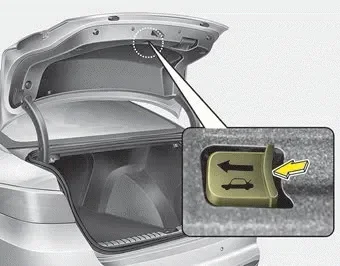
Most trunk releases are simple mechanisms. They usually consist of a handle, a lever, or a pull cable located inside the trunk lid. When you pull or push the release, it unlocks the trunk latch. This lets you push the lid open from the inside.
How Does the Trunk Release Mechanism Work?
The mechanics behind a trunk emergency release are straightforward. Most vehicles use a trunk release cable connected to the trunk latch. When you pull the interior handle, the cable pulls the latch open. Some newer models use a glow-in-the-dark handle so you can find it in the dark.
Here is how most systems work step by step:
- You pull the interior trunk release handle.
- The cable engages the trunk latch mechanism.
- The latch unlocks and releases the trunk lid.
- You push the trunk lid open from the inside.
Some vehicles also have a secondary release near the rear seats. This is especially common in SUVs and hatchbacks. The rear seat release gives passengers another way out if they cannot reach the trunk lid handle.
Types of Trunk Emergency Release Systems
Not all trunk releases are the same. Different vehicles use different systems. Here are the most common types you will encounter:
- Interior Handle Release: A pull handle located on the inside of the trunk lid. This is the most common type found in modern cars.
- Rear Seat Release: A lever or handle near the rear seats that opens the trunk from inside the cabin.
- Glow-in-the-Dark Handle: A handle with phosphorescent material that glows in low light conditions.
- Pull Cable Release: A cable system that connects an interior lever to the trunk latch.
- Electronic Release: Found in luxury vehicles, these use electronic signals to unlock the trunk from inside.
Each type serves the same purpose. They all aim to give trapped occupants a way out. The difference lies in how they are activated and where they are located.
Why Do Car Trunks Have Emergency Releases?
The answer to this question is simple — safety. Car trunks are enclosed spaces with limited air supply. If someone gets locked inside, the situation can become dangerous very quickly. A trunk escape hatch or release mechanism provides a critical exit route.
Children are especially vulnerable. A curious child climbing into a trunk during a game of hide-and-seek could get trapped. Without a release mechanism, the consequences could be tragic. This is exactly why safety regulators made trunk releases mandatory.
Real-Life Situations Where Trunk Releases Save Lives
Trunk emergency releases are not just theoretical safety features. They have saved real lives. Here are a few scenarios where having a trunk release made a difference:
- Child safety incidents: Children who accidentally lock themselves in trunks can use the release to escape.
- Accident scenarios: After a collision, a trunk may become jammed. A release mechanism allows occupants to escape.
- Medical emergencies: Someone experiencing claustrophobia or panic inside a trunk can use the release to get fresh air.
- Submersion events: If a vehicle ends up in water, a trunk release can provide an escape route.
These are not hypothetical situations. They happen more often than most people realize. And every time a trunk release works as intended, it proves why this feature is so important.
Legal Requirements for Trunk Emergency Releases
You might be surprised to learn that trunk emergency releases are not optional in many places. The law requires them on all new vehicles sold in certain regions. Let us look at what the regulations say.
United States Regulations
In the United States, the National Highway Traffic Safety Administration (NHTSA) mandated interior trunk releases for all new cars starting in 2001. This rule came after several tragic incidents involving children trapped in trunks. The regulation applies to all passenger vehicles manufactured and sold in the U.S. since September 1, 2001.
The rule requires that every new car must have an interior trunk release that can be operated from inside the trunk. The release must be easy to use and clearly visible. It does not need to be complicated. A simple handle or lever works perfectly as long as it functions reliably.
International Standards
Other countries have similar regulations. The European Union requires trunk releases on new vehicles. Many other nations have adopted their own versions of this safety standard. The global trend is clear — trunk emergency releases are becoming a universal safety requirement.
However, older vehicles may not comply with these standards. If you drive a car made before 2001, there is a good chance it does not have an interior trunk release. This is something to keep in mind if you own or drive an older vehicle.
How to Use Your Car Trunk Emergency Release
Knowing where your trunk release is matters. But knowing how to use it matters just as much. Let us walk through the process so you are prepared.
Step-by-Step Guide to Using the Trunk Release
- Stay calm: Panic makes everything harder. Take a deep breath and focus.
- Feel around the trunk lid: Run your hands along the inside of the trunk lid. The release handle is usually near the latch.
- Look for a glow-in-the-dark handle: In newer vehicles, the handle may glow in the dark. This makes it easier to find in low-light conditions.
- Pull the handle firmly: Give it a solid pull. You should feel the latch release.
- Push the trunk lid open: Once the latch is released, push the lid open from the inside.
- Exit the vehicle: Get out safely and call for help if needed.
If the trunk release does not work, do not panic. There are still things you can try. Use your phone to call for help. If you have a car emergency tool like a window breaker, you can use it to escape through a window. This is why keeping safety tools in your car is always a smart move.
Common Problems With Trunk Emergency Releases
Trunk releases can develop problems over time. Here are some common issues and what to do about them:
- Stuck release handle: Dirt or debris can jam the handle. Clean it regularly with a cloth or 3M cleaning cloth to prevent buildup.
- Broken release cable: The cable connecting the handle to the latch can fray or snap. This requires professional repair.
- Rusty latch mechanism: In humid or coastal areas, the trunk latch can rust. Regular maintenance helps prevent this.
- Glow-in-the-dark handle not working: The phosphorescent material can fade over time. The handle still works mechanically, but visibility is reduced.
- Electronic release failure: In luxury vehicles, electronic releases can fail due to electrical issues. A backup manual release is always helpful.
Trunk Maintenance Tips for Safety and Longevity
Your trunk is more than just a storage space. It is a safety compartment with critical features like the emergency release. Keeping it in good shape ensures everything works when you need it most.
Cleaning and Care
Dirt, moisture, and debris can all affect your trunk’s functionality. Here is how to keep it in top shape:
- Clean the trunk interior regularly with a mild cleaner and a 3M cloth.
- Check the trunk release handle for dirt or grime buildup.
- Ensure the trunk seal is intact to prevent water leaks.
- Inspect the trunk latch for rust or corrosion.
- Keep the trunk organized to avoid putting excess pressure on the lid mechanism.
Protecting the Trunk Interior
Using quality car mats in the trunk can protect the interior from scratches and spills. 7D car mats are a great option for many vehicle models. They fit snugly and keep the trunk floor clean and protected.
Additionally, consider using a trunk organizer to keep items secure during travel. Loose items can shift during braking and potentially interfere with the trunk release mechanism.
When to Seek Professional Help
Some trunk issues need professional attention. If you notice any of the following, take your vehicle to a mechanic:
- The trunk release handle feels loose or wobbly.
- The trunk lid does not close properly.
- You hear unusual noises when opening or closing the trunk.
- The release cable appears frayed or damaged.
- The trunk latch sticks or requires excessive force to operate.
Regular car care goes a long way. Simple habits like cleaning your trunk and checking the release mechanism can extend the life of your vehicle and keep you safe.
Emergency Preparedness: Beyond the Trunk Release
A trunk emergency release is just one part of car safety. Being prepared for emergencies means having the right tools and knowledge. Here are some additional safety measures every driver should consider.
Essential Car Safety Tools
Keep these items in your vehicle at all times:
- Car fire extinguisher: A 1 kg car fire extinguisher can handle small fires before they spread.
- First aid kit: Essential for treating minor injuries on the road.
- Window breaker tool: A multi-tool with a seatbelt cutter and window breaker can help you escape if doors or trunk are jammed.
- Flashlight: A reliable flashlight helps you see inside the trunk during a nighttime emergency.
- Portable phone charger: Keeps your phone powered so you can call for help.
Creating a Family Safety Plan
Talk to your family about trunk safety. Make sure everyone knows where the trunk release is. Practice finding it in a safe, controlled environment. For families with young children, this is especially important. Teach kids that the trunk is not a place to play and show them where the release handle is located.
Also, make it a habit to check the trunk before locking your car. This simple habit can prevent children from accidentally getting locked inside. It takes just a few seconds and could save a life.
Common Mistakes People Make About Trunk Safety
There are several mistakes drivers make when it comes to trunk safety. Avoiding these can keep you and your passengers safer:
- Assuming your trunk has a release: Older vehicles and some budget models may not have one. Always check.
- Never testing the release: A release mechanism that has never been tested may not work when you need it. Test it regularly.
- Ignoring warning signs: A sticky or loose release handle is a warning sign. Do not ignore it.
- Leaving the trunk release handle covered: Some people place items over the handle, blocking access. Keep it clear.
- Not teaching children about trunk safety: Kids are curious. Educate them about the dangers of playing in the trunk and how to use the release.
Conclusion
So, do car trunks have emergency releases? The answer is yes — for most modern vehicles. But this safety feature is only effective if you know it exists and know how to use it. Take a moment today to locate your trunk release. Test it. Make sure it works. Share this knowledge with your family.
Car safety is not just about driving carefully. It is about being prepared for the unexpected. A car trunk emergency release is one of the simplest yet most important safety features in your vehicle. Do not take it for granted.
Keep your trunk clean, your release mechanism well-maintained, and your emergency tools within reach. These small steps can make a huge difference when it matters most. Stay safe, stay informed, and always be prepared.
Frequently Asked Questions
Do all cars have a trunk emergency release?
Most cars manufactured after 2001 in the United States are required to have an interior trunk emergency release. However, older vehicles and some models sold in other markets may not have this feature. Always check your owner’s manual to confirm your vehicle has one.
Where is the trunk emergency release located?
The trunk emergency release is usually found inside the trunk lid, near the latch mechanism. Some vehicles also have a secondary release near the rear seats or inside the rear cabin area. Look for a glow-in-the-dark handle or a small lever on the inside of the trunk lid.
Can a trunk emergency release fail?
Yes, trunk emergency releases can fail due to rust, debris buildup, broken cables, or electrical issues in electronic systems. Regular maintenance and testing can help prevent failures. If your release feels sticky or loose, have a mechanic inspect it.
Are trunk emergency releases required by law?
In the United States, the NHTSA requires all new passenger vehicles to have an interior trunk release since 2001. Many other countries have similar regulations. However, older vehicles may not be subject to this requirement.
What should I do if the trunk release does not work?
If the trunk release fails, use a window breaker tool to create an escape route through a window. Stay calm and call for help immediately. Keeping a multi-purpose emergency tool in your car at all times is a smart safety practice.
How often should I test my trunk emergency release?
It is a good idea to test your trunk emergency release every three to six months. A quick pull of the handle takes only a few seconds and ensures the mechanism is working properly. This simple habit can save lives.