Can You Shift Into Sport Mode While Driving Safely
Yes, you can safely shift into sport mode while driving. Most modern vehicles let you toggle sport mode while driving on the fly without damaging your transmission or engine. Switching to sport mode changes how your car responds to throttle, holds gears longer at higher RPMs, and sharpens steering feedback for a more engaging ride.
What happens when you flip that sport mode switch while cruising down the highway? You might wonder if it is safe, if it damages your car, or if it just makes the engine louder. The truth is, shifting into sport mode while driving is something most modern vehicles allow you to do on the fly.
Sport mode changes how your car responds to the gas pedal, how the transmission shifts gears, and how the steering feels. It makes driving more engaging and fun. But it also comes with trade-offs that every driver should understand before they press that button.
In this article, we will walk you through everything you need to know about using sport mode while driving. We will cover how it works, when to use it, what mistakes to avoid, and expert tips to get the most out of your vehicle. Whether you drive a sedan, SUV, or sports car, this guide has you covered.
Key Takeaways
- You can shift into sport mode while driving: Almost all modern vehicles allow you to toggle sport mode on the go without stopping or putting the car in park.
- Sport mode changes multiple systems: It adjusts throttle response, transmission shift points, steering feel, and sometimes suspension stiffness for a more dynamic driving experience.
- It is safe when used correctly: Switching modes while driving will not harm your car, but leaving sport mode on all the time can reduce fuel economy and increase wear.
- Use it in the right situations: Sport mode is best for highway passing, winding roads, towing, and hilly terrain. Avoid it in heavy traffic or on slippery surfaces.
- Common mistakes include leaving it on permanently: This wastes fuel, makes the ride uncomfortable, and puts extra stress on your engine and transmission over time.
- Practice makes perfect: If you are new to sport mode, try it in a safe area first to get a feel for how your vehicle responds differently.
📑 Table of Contents
- What Is Sport Mode and How Does It Work?
- Can You Shift Into Sport Mode While Driving?
- What Happens When You Switch to Sport Mode on the Go?
- When Should You Use Sport Mode While Driving?
- Common Mistakes People Make With Sport Mode
- Expert Tips for Using Sport Mode Safely
- Sport Mode vs. Normal Mode: Which Should You Choose?
- Conclusion
What Is Sport Mode and How Does It Work?
Sport mode is a driving setting that changes how your vehicle behaves on the road. It adjusts several systems at once to make your car feel more responsive and lively. Think of it as giving your car a small personality upgrade with the push of a button.
When you activate sport mode, the car’s computer recalibrates multiple parameters. It tells the engine control unit to deliver power more aggressively. It tells the transmission to hold gears longer. And in many cases, it adjusts the steering weight and suspension damping to match the new driving style.
How Sport Mode Affects Your Vehicle
When you switch to sport mode, several things happen behind the scenes:
- Throttle response increases: The car becomes more sensitive to how hard you press the gas pedal. Even a gentle tap gives you more power than in normal mode.
- Transmission shifts later: The gearbox holds gears longer before upshifting, keeping the engine in its power band where it produces the most torque.
- Steering tightens: The steering feel becomes firmer and more precise, giving you better feedback through the wheel.
- Engine RPM stays higher: Your engine runs at higher revolutions per minute, which means more power is available for quick acceleration.
- Adaptive suspension stiffens: If your car has adjustable shocks, sport mode tightens them up for better handling through corners.
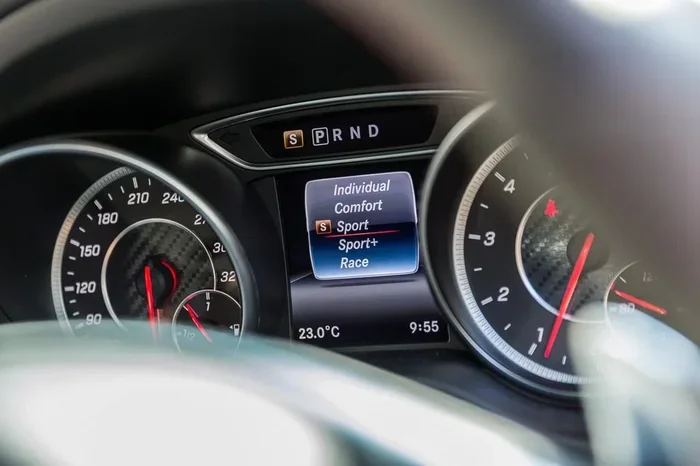
Some vehicles also adjust the vehicle stability control system when sport mode is active. The system may allow a bit more wheel slip before it intervenes, giving experienced drivers more control during spirited driving. Not all cars are the same though. Luxury brands like BMW and Mercedes often have multiple driving modes, including comfort, sport, and sport plus. Each one tweaks different systems in unique ways.
A basic sedan might only change throttle and transmission behavior. A high-end sports car could adjust everything from exhaust notes to gear ratios. So it is always good to read your owner’s manual to know exactly what your transmission modes do and how they affect your specific vehicle.
Can You Shift Into Sport Mode While Driving?
The short answer is yes. You can shift into sport mode while driving in almost all modern vehicles. Manufacturers design these systems to be used on the go. You do not need to pull over or stop the engine first. The car’s computer handles all the changes smoothly in the background.
Here is how it typically works:
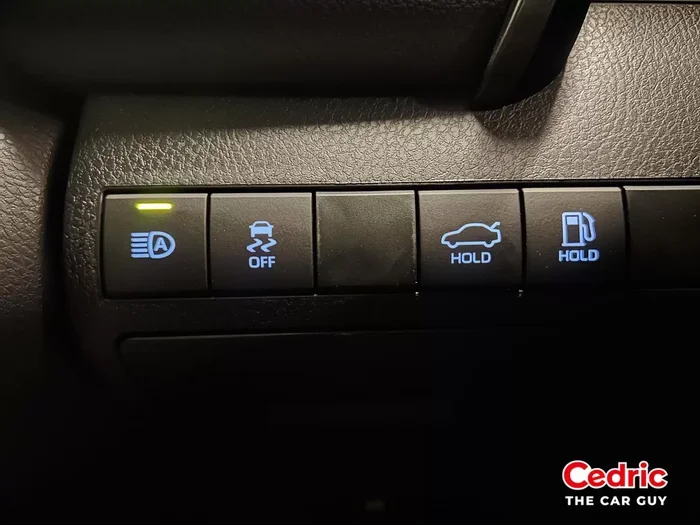
- While driving at any speed, locate the drive mode button or selector on your center console or steering wheel.
- Press or toggle it to sport mode.
- Your dashboard will display a confirmation, often with the word “Sport” or a sport icon lighting up.
- The car immediately begins adjusting throttle, transmission, and steering settings to match the new mode.
This is one of the great things about modern automotive technology. The transition is seamless. You will not feel a jolt or a disruption in power. The car simply starts behaving differently, and you can enjoy the more responsive feel right away.
However, there is a small exception. Some older vehicles or certain models may require the car to be in park or at a complete stop before switching modes. Always check your owner’s manual if you are unsure. But for the vast majority of cars on the road today, you can switch to sport mode anytime you want. Whether you are at a red light, cruising on the highway, or navigating city streets, the button is always available to you.
Some vehicles also come with shift paddles on the steering column or steering wheel. These allow you to manually upshift and downshift while sport mode is active. Using shift paddles together with sport mode gives you even more control over your gear shifting and lets you hold a lower gear for extended periods. This is especially useful on mountain roads or when you want to use engine braking on a long downhill stretch.
What Happens When You Switch to Sport Mode on the Go?
Now that you know you can do it, let us talk about what actually happens under the hood. Understanding the mechanics helps you use sport mode more effectively and safely. It also helps you appreciate why the car behaves differently when you flip that switch.
Transmission Behavior Changes
The transmission is the biggest thing that changes when you switch to sport mode. In normal mode, your car shifts up early to save fuel. The engine stays at lower RPMs, which keeps things smooth and efficient. This is great for daily commuting and long road trips where fuel economy matters most.
In sport mode, the transmission holds gears longer. This means the engine stays at higher RPM range for a longer period. When you do shift, the downshift happens sooner and more aggressively. The result is that you have more power available right when you need it.
For example, imagine you are on a two-lane road and need to pass a slower vehicle. In normal mode, you might have to press the gas pedal all the way to the floor to get a quick upshift and surge forward. In sport mode, the car holds a lower gear longer, giving you instant acceleration without needing to work the pedal as hard. The rev matching during downshifts also becomes smoother, which reduces wear on the transmission and makes the whole experience more refined.
Throttle and Engine Response
The throttle mapping changes significantly in sport mode. A light press on the gas pedal in normal mode might give you a gentle acceleration. In sport mode, that same light press gives you a much stronger response. The engine eagerly delivers more power for less effort.
This is great for situations where you need quick power. It is also why some people love sport mode for daily driving. The car just feels more alive and responsive. However, it does mean you use more fuel. The engine works harder, which means you will visit the gas station a bit more often. If you are tracking your fuel economy, you will likely notice a drop when sport mode is active.
One thing to keep in mind is the manual driving mode aspect of sport mode. In some vehicles, sport mode unlocks the ability to manually select gears using the shift paddles or the gear lever. This gives you full control over which gear the car is in, letting you hold a low gear for engine braking or push the RPMs higher for maximum acceleration.
Steering and Suspension Adjustments
Many vehicles also adjust steering weight in sport mode. The steering becomes heavier and more precise. This gives you better feedback when you are driving fast or navigating tight corners. You can feel the road surface more clearly through the wheel, which builds confidence.
If your car has adaptive suspension or sport suspension, sport mode will stiffen the springs and dampers. This reduces body roll during turns and makes the car feel more planted. On smooth roads, this is a wonderful feeling. On rough roads, the stiffer suspension can feel harsher and transmit more bumps into the cabin. So keep the road surface in mind when you decide to switch modes.
| Feature | Normal Mode | Sport Mode |
|---|---|---|
| Throttle Response | Soft and gradual | Sharp and immediate |
| Gear Shifting | Early upshifts for fuel economy | Later upshifts for power |
| Steering Feel | Light and comfortable | Firmer and more precise |
| Suspension | Soft for comfort | Stiffer for handling |
| Fuel Economy | Better | Lower |
| Engine Sound | Quieter | Louder and more aggressive |
| RPM Range | Lower, for efficiency | Higher, for power |
| Stability Control | Standard intervention | Allows more slip |
When Should You Use Sport Mode While Driving?
Sport mode is not just for racetracks or weekend fun drives. There are plenty of real-world situations where it makes sense to switch over. Let us look at the best times to use it and when you should leave it off.
Highway Passing and Merging
When you need to quickly pass a slow-moving truck or merge onto a busy highway, sport mode gives you that extra boost. The engine stays in a lower gear longer, so you have immediate power without waiting for a downshift. This can make highway driving feel much more confident and relaxed.
Instead of flooring the pedal and waiting for the transmission to respond, sport mode gives you instant access to the power you need. The quicker acceleration means you spend less time in the passing lane, which is safer for everyone on the road.
Winding Roads and Curves
If you are driving on a scenic road with lots of curves, sport mode really shines. The firmer steering and stiffer suspension help you feel more connected to the road. You can carry more speed through corners with greater confidence and precision.
This is where performance driving becomes enjoyable. Sport mode transforms a regular Sunday drive into something that feels much more engaging and dynamic. The car feels like it wants to go faster and corner harder. Just remember to stay within legal speed limits and always drive according to road conditions.
Towing and Hilly Terrain
Sport mode can also be helpful when you are towing a trailer or driving through hilly areas. The transmission holds lower gears longer, which gives you better engine braking on downhill slopes. This takes some of the load off your brakes and helps you maintain a steady, controlled speed without riding the brakes constantly.
Similarly, when climbing a steep hill, sport mode keeps the engine in its power band. You get smoother acceleration without the transmission constantly hunting between gears. This reduces wear on the drivetrain and makes hill climbing feel effortless.
When NOT to Use Sport Mode
Sport mode is not ideal for every situation. Here are times when you should stick to normal mode:
- Daily commuting in heavy traffic: The firmer suspension and sharp throttle can make stop-and-go driving tiring and uncomfortable.
- Wet or icy roads: The more aggressive power delivery can cause wheel spin on slippery surfaces, reducing traction and safety.
- Long road trips: You will burn more fuel and the engine noise can become fatiguing over long distances.
- Parking and low-speed maneuvering: Sport mode can make the car feel jerky at very low speeds, making parallel parking and tight turns harder to control.
- Rough or unpaved roads: The stiffer suspension transmits more vibration and impact, which can be uncomfortable on gravel or dirt roads.
Common Mistakes People Make With Sport Mode
Even though sport mode is simple to use, there are some common mistakes that drivers make. Avoiding these will help you get the most out of the feature while keeping your car in good shape for years to come.
Leaving Sport Mode On All the Time
One of the biggest mistakes is leaving sport mode engaged permanently. It might feel fun at first, but it has real downsides. Your fuel economy will drop noticeably. The constant high RPM range puts more stress on the engine and transmission over time. You will also notice that your steering feels unnecessarily stiff during normal driving, and the louder engine noise can become fatiguing for you and your passengers on long trips.
It is best to switch back to normal mode when you do not need the extra performance. Think of sport mode as a tool you use when needed, not a permanent setting. Your wallet and your car will thank you.
Ignoring Road Conditions
Sport mode changes how your car grips the road. The more aggressive power delivery can cause your tires to lose traction, especially on wet or gravel surfaces. Some drivers forget this and wonder why the car feels unstable or slides a bit more than usual.
Always consider the road conditions before switching modes. If the road is wet, icy, or gravelly, normal mode is the safer choice. Your driving dynamics are fundamentally different in sport mode, and you need to adjust your driving style accordingly. Gentle inputs are always better than abrupt ones, regardless of which mode you are in.
Revving the Engine Too High
Sport mode encourages the engine to run at higher RPMs. Some drivers take this too far and hold the engine in the red zone for too long. This can cause unnecessary wear and even damage over time. It also defeats the purpose of engine braking, which relies on controlled RPM ranges to slow the car down safely.
It is perfectly fine to enjoy the higher RPMs, but try to stay within the manufacturer’s recommended range. The tachometer on your dashboard will show you where the safe limits are. If the needle is consistently in the red, ease off the throttle and let the gears do their work.
Forgetting to Switch Back
Another common mistake is simply forgetting to switch back to normal mode after using sport mode. You might get used to the sport feel and drive for miles without realizing you are still in sport mode. This wastes fuel and wears out components faster than necessary.
Make it a habit to check your dashboard display after spirited driving. A quick glance will tell you which mode you are in. Some cars even have a reminder or will automatically switch back to normal mode after a certain period, but do not rely on that. Get in the habit of switching back yourself.
Expert Tips for Using Sport Mode Safely
Getting the most out of sport mode is about knowing when and how to use it. Here are some expert tips to help you drive smarter and safer while still enjoying the performance benefits.
Use Sport Mode in Short Bursts
The best approach is to use sport mode in short bursts. Need to pass a car on the highway? Switch to sport, complete the maneuver, and switch back. This gives you the performance boost when you need it without the downsides of constant use.
Think of sport mode like a spice. A little bit enhances the meal, but too much overwhelms it. The same goes for your driving experience. Short bursts of sport mode keep things fun and engaging without sacrificing comfort or efficiency for the rest of your drive.
Practice in Safe Areas First
If you are new to sport mode, practice in a safe, open area first. An empty parking lot or a quiet road is perfect. Get a feel for how the car responds differently. Notice how the throttle, steering, and transmission behave in sport mode compared to normal mode.
This practice will build your confidence and help you understand your vehicle’s limits. Once you know how sport mode feels, you can use it more confidently on public roads. You will also be better prepared for unexpected situations that require quick, responsive inputs from your car.
Pair Sport Mode with Smooth Driving
Sport mode does not mean aggressive driving. You can still drive smoothly and calmly while sport mode is active. The car will just respond better to your inputs. Smooth, deliberate inputs in sport mode feel much better than jerky, panicked movements.
Focus on gradual throttle application and smooth steering inputs. This will give you the best of both worlds: responsiveness and control. You will also reduce wear on your tires, brakes, and drivetrain components. Smooth driving in sport mode is the hallmark of a skilled driver.
Monitor Your Transmission Health
If you use sport mode frequently, pay extra attention to your transmission fluid health. Sport mode puts more stress on the transmission, so regular fluid changes become even more important. Check your owner’s manual for the recommended service intervals and stick to them.
Some signs that your transmission might be struggling include rough shifts, delayed engagement, or unusual noises coming from the drivetrain. If you notice any of these symptoms, get your car checked by a qualified mechanic right away. Early detection can save you from expensive repairs down the road.
Combine Sport Mode with the Right Tires
If you really enjoy using sport mode, consider investing in a good set of performance tires. They provide better grip and traction, which complements the aggressive power delivery of sport mode. Quality tires also improve your driving dynamics in normal mode, so you get benefits all the time.
Look for tires with a good balance of wet and dry performance. All-season performance tires are a great choice for most drivers. They give you the grip you need for spirited driving while still being practical for everyday use. Avoid ultra-high-performance summer tires if you live in an area with cold winters.
Sport Mode vs. Normal Mode: Which Should You Choose?
Choosing between sport mode and normal mode depends on your driving situation and personal preferences. Here is a quick breakdown to help you decide which mode is right for the moment.
Choose normal mode when:
- You are driving in the city or heavy traffic
- Road conditions are wet, icy, or uneven
- You are on a long road trip and want comfort
- Fuel economy is your priority
- You are driving at night on unfamiliar roads
Choose sport mode when:
- You need quick acceleration for passing or merging
- You are driving on winding or scenic roads
- You are towing a load or driving uphill
- You want a more engaging and fun driving experience
- You are on a track or open road where speed is safe and legal
The beauty of having both options is that you can switch between them as often as you like. There is no right or wrong choice. It is all about matching your driving mode to the situation at hand. The best drivers are the ones who can adapt to different conditions and use every tool their vehicle provides.
Some drivers also enjoy using shift paddles in combination with sport mode. Shift paddles let you manually control gear changes without touching the gear lever. This gives you even more control over your gear ratios and allows for a truly customized driving experience. It is especially fun on open roads where you can really explore what your car is capable of.
Conclusion
So, can you shift into sport mode while driving safely? Absolutely. Shifting into sport mode while driving is safe, simple, and supported by virtually all modern vehicles. It changes how your car responds to throttle, shifts gears, and handles the road. When used correctly, it enhances your driving experience and gives you more control behind the wheel.
The key is to use sport mode wisely. Switch to it when you need extra performance, and switch back to normal mode when you do not. Avoid leaving it on all the time, and always consider road conditions before making the switch. Follow the expert tips in this guide, and you will get the most out of your vehicle without any downsides.
Sport mode while driving is a fantastic feature that makes your car more fun, more responsive, and more engaging. Now that you know how it works and when to use it, go ahead and enjoy the drive. Your car is ready to perform whenever you are. Just remember to drive safely, respect the road conditions, and have fun with it.
Frequently Asked Questions
Will shifting into sport mode damage my transmission?
No, shifting into sport mode while driving will not damage your transmission. Modern vehicles are engineered to handle mode changes on the fly. The car’s computer manages all the adjustments smoothly. However, constantly running your engine at high RPMs in sport mode can increase wear over time, so it is best to use sport mode in moderation.
Does sport mode make my car faster?
Sport mode does not change your car’s top speed or maximum horsepower. What it does is make the car more responsive. Throttle inputs feel sharper, the transmission holds gears longer, and steering becomes firmer. This gives you faster acceleration in real-world driving situations, even though the engine’s peak power numbers stay the same.
Can I use sport mode in the rain?
It is generally not recommended to use sport mode on wet roads. The more aggressive power delivery can cause your tires to lose traction. Rain already reduces grip, and sport mode amplifies that risk. Stick to normal mode when road conditions are slippery to maintain better control and safety.
Will sport mode use more fuel?
Yes, sport mode will reduce your fuel economy. The engine runs at higher RPMs, the transmission holds gears longer, and the throttle response is more aggressive. All of these factors mean your car burns more fuel. If you are trying to maximize your range, normal mode is the better choice.
Do I need to stop the car before switching to sport mode?
In most modern vehicles, you do not need to stop. You can switch to sport mode at any speed while driving. The car’s computer handles the transition seamlessly. However, some older models or specific vehicles may require you to be in park or at a complete stop. Check your owner’s manual to be sure.
What is the difference between sport mode and manual mode?
Sport mode automatically adjusts throttle, transmission, and steering for a more aggressive feel, but it still shifts gears for you. Manual mode gives you full control over gear selection using shift paddles or the gear lever. Some vehicles combine both, allowing you to use sport mode with manual shifting for the best of both worlds.
=== CONCLUSION ===
Shifting into sport mode while driving is safe, easy, and supported by virtually every modern vehicle on the market today. You now know how sport mode works, when to use it, what mistakes to avoid, and how to get the most out of the feature. The key takeaway is simple: use sport mode when you need extra performance and responsiveness, and switch back to normal mode for everyday driving comfort and efficiency.
Remember to consider road conditions, avoid leaving sport mode on permanently, and practice smooth driving techniques. Your vehicle is designed to handle the switch seamlessly, so do not be afraid to experiment and find what works best for you. With the tips and insights from this guide, you are ready to enjoy a more engaging and dynamic driving experience every time you get behind the wheel.