Can You Drive a Car With a Salvage Title Heres the Truth
Can you drive a car with a salvage title? The short answer is yes, but it comes with big caveats. A salvage title car means the vehicle was declared a total loss by an insurer. You can register, insure, and drive it after repairs, but only if it passes a salvage title inspection. Buying a salvage vehicle can save money, yet it carries serious risks that every buyer should understand.
So, can you drive a car with a salvage title? The answer might surprise you. Yes, you can. But the road to getting that car on the road is full of steps, risks, and surprises. If you have ever seen a car with a branded title and wondered what that really means, you are in the right place.
A salvage title is not the end of the road for a vehicle. It is actually a starting point for many buyers who want a deal. But it is also a warning sign that demands your attention. In this guide, we will walk you through everything you need to know. From what a salvage title means to how you can insure and register a salvage title vehicle, we have got you covered.
Key Takeaways
- A salvage title means the car was totaled: The insurer decided repair costs exceeded the vehicle’s value.
- You can drive a salvage title car after rebuilding it: It must pass a state inspection and get a rebuilt title.
- Insurance is harder to find: Many companies limit coverage or charge higher premiums for salvage vehicles.
- Salvage title cars are cheaper: You can save 20% to 40% compared to clean title vehicles.
- Resale value drops significantly: A rebuilt title car is worth much less than a clean title car.
- Hidden damage is a real risk: Always get a full inspection before buying.
- Know your state laws: Rules vary widely for salvage title registration and driving.
📑 Table of Contents
- What Does a Salvage Title Actually Mean?
- Can You Actually Drive a Car With a Salvage Title?
- Insurance and Salvage Title Vehicles
- How Much Is a Salvage Title Car Worth?
- The Pros and Cons of Buying a Salvage Title Vehicle
- Common Mistakes People Make With Salvage Title Cars
- Expert Insights on Salvage Title Vehicles
- Key Takeaways
- Conclusion
What Does a Salvage Title Actually Mean?
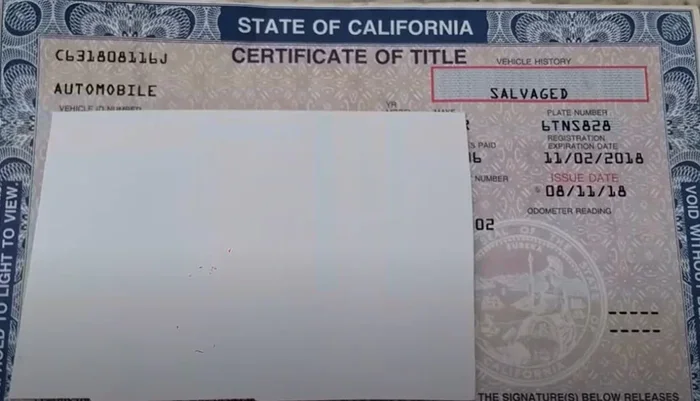
A salvage title is a branding put on a vehicle title by a state motor vehicle agency. It tells the world that the car was declared a total loss. But what does total loss really mean? It means the cost of repairs was higher than the car’s actual cash value. At that point, the insurance company paid out a claim and took ownership of the vehicle.
There are several reasons a car gets a salvage title. A bad accident is the most common cause. Flood damage is another big one. Theft recovery also leads to salvage branding. Sometimes a car has engine failure or electrical problems that make repairs too expensive. Whatever the reason, the result is the same. The vehicle gets a branded title that stays with it forever.
How Is a Salvage Title Different From a Clean Title?
A clean title means the car has no major history of damage. It has been owned and driven normally. A salvage title tells a very different story. It means the car was once considered a write-off. This distinction matters a lot when you try to sell, insure, or finance the vehicle.
Here is a quick comparison to help you understand the difference.
- Clean Title: No major damage history. Full value. Easy to finance and insure.
- Salvage Title: Declared a total loss. Requires rebuild and inspection. Lower value and harder to insure.
- Rebuilt Title: Previously salvaged, but repaired and inspected. Still worth less than clean title.
Think of it like a medical report for a car. A clean title is like a clean bill of health. A salvage title is like a serious diagnosis. The car can recover, but the record never fully goes away.
Can You Actually Drive a Car With a Salvage Title?
Here is the most important part. You cannot legally drive a car with a salvage title on public roads. Not yet, anyway. A salvage title vehicle is not street legal in most states. It cannot be registered. It cannot be insured for driving. It can only be towed to a repair shop or used for parts.
But here is where it gets interesting. Once you repair the vehicle and it passes a state inspection, you can apply for a rebuilt title. A rebuilt title means the car is road legal again. You can register it, get plates, and drive it. So the real question is not whether you can drive a salvage title car. The real question is whether you are willing to go through the process of rebuilding it first.
Steps to Make a Salvage Title Car Street Legal
Turning a salvage title vehicle into a drivable car takes work. Here are the general steps you need to follow. Keep in mind that rules vary by state, so always check with your local DMV.
- Buy the salvage vehicle: Purchase it from an insurance company, auction, or private seller.
- Repair all damage: Fix the frame, body, engine, and any safety systems. Use quality parts.
- Get a rebuilt inspection: Take the car to a certified inspector. They check safety and structural integrity.
- Apply for a rebuilt title: Submit inspection results and paperwork to your state DMV.
- Register and insure the car: Once you have the rebuilt title, you can register and insure it for road use.
The process can take weeks or even months. It also costs money. Repairs, inspections, and fees add up fast. But for many buyers, the savings make it worth the effort.
Insurance and Salvage Title Vehicles
One of the biggest challenges with a salvage title car is insurance. Not all companies will cover a vehicle with a branded title. And those that do often offer limited options. Understanding your insurance options is crucial before you buy.
Why Is Insurance Harder to Get?
Insurance companies see salvage title vehicles as high risk. They do not know the full extent of the damage. Even after repairs, there could be hidden issues. A car that was flooded, for example, might have rust or electrical problems years later. The insurer does not want to take that chance without proof of quality repairs.
Because of this, many standard auto insurance policies will not cover a salvage title car. You may need to look for specialty insurers. Some companies offer salvage title insurance but at higher rates. Others only cover a rebuilt title vehicle after it has been inspected and registered.
Types of Coverage You May Need
When you do find insurance for a salvage title vehicle, the coverage options may be limited. Here are the types of coverage you should look for.
- Liability Coverage: This is usually available. It covers damage you cause to others.
- Collision Coverage: Some insurers offer this for rebuilt title cars. Expect higher deductibles.
- Comprehensive Coverage: This may be available but often comes with restrictions.
- Gap Coverage: If you finance the car, you may need gap insurance to cover the difference between loan balance and actual value.
Always compare quotes from multiple insurers. Some companies specialize in high-risk vehicles. They may offer better rates and more flexible terms. Be upfront about the vehicle’s history. Hiding a salvage title from your insurer can void your policy entirely.
How Much Is a Salvage Title Car Worth?
Price is often the main reason people look at salvage title vehicles. And yes, they are cheaper. But how much cheaper? The answer depends on several factors.
A salvage title car typically sells for 20% to 40% less than a comparable clean title vehicle. The exact discount depends on the damage, the repairs needed, and the car’s make and model. A popular model with minor damage might only be worth 15% less. A rare car with major frame damage could be worth 50% less or more.
Here are some things that affect the price of a salvage title vehicle.
- Type of damage: Accident damage, flood damage, and fire damage all affect value differently.
- Extent of repairs: Minor fixes mean a higher resale price. Major structural damage means a lower one.
- Market demand: Popular models hold value better than obscure ones.
- Location: Some states have stricter rules, which affects the resale market.
- Quality of repairs: Professionally repaired cars fetch more than DIY fixes.
Before you buy, get a vehicle history report. Services like Carfax and AutoCheck can show you the damage history. This helps you understand whether the price is fair. Always negotiate based on the cost of repairs, not just the discount from clean title pricing.
The Hidden Costs of a Salvage Title Car
The purchase price is not the only cost. You also need to factor in repair expenses. Inspection fees. Registration fees. And higher insurance premiums. A car that looks like a great deal on paper might end up costing more than expected.
For example, let us say you buy a salvage title car for $8,000 that would normally cost $12,000 with a clean title. That is a $4,000 savings. But if repairs cost $3,000 and insurance is $500 more per year, your savings shrink fast. Over five years, you might only save $1,500. That is not a bad deal, but it is not the massive savings you might have imagined.
The Pros and Cons of Buying a Salvage Title Vehicle
Every purchase has trade-offs. A salvage title car is no different. Let us look at the real advantages and disadvantages so you can make an informed decision.
The Pros
- Lower purchase price: You can save thousands of dollars compared to clean title vehicles.
- Great for parts or projects: If you are a mechanic or hobbyist, a salvage car can be a goldmine.
- Insurance is available: Some companies do cover rebuilt title vehicles, especially after inspection.
- You can drive it legally: Once rebuilt and inspected, it is street legal.
- Good for short-term use: If you need a temporary car, a rebuilt salvage vehicle can work well.
The Cons
- Hidden damage is a real risk: Even after repairs, problems can surface months later.
- Lower resale value: A rebuilt title car will always sell for less than a clean title car.
- Harder to finance: Many lenders will not loan money on a salvage title vehicle.
- Insurance costs more: Higher premiums and limited coverage options are common.
- Safety concerns: If repairs were done poorly, the car may not protect you in a crash.
The decision to buy a salvage title car comes down to your situation. If you are a skilled mechanic with a tight budget, it can be a great option. If you need a reliable daily driver with a warranty, a clean title car is probably a better choice.
Common Mistakes People Make With Salvage Title Cars
Buying a salvage title vehicle is risky if you do not know what to watch for. Many first-time buyers make avoidable mistakes. Here are the ones you should steer clear of.
Skipping the Inspection
This is the number one mistake. Never buy a salvage title car without a professional inspection. A mechanic can spot hidden damage that you cannot see from the outside. They can check the frame, the engine, the transmission, and the electrical systems. Spending $150 on an inspection could save you thousands in future repairs.
Ignoring the Vehicle History Report
A vehicle history report is your best friend. It tells you where the car has been, what happened to it, and how it was repaired. A Carfax or AutoCheck report can reveal if the car was flooded, in a serious accident, or had frame damage. If the seller does not want to provide a history report, that is a red flag.
Assuming All Repairs Were Done Properly
Just because a salvage title car looks good on the outside does not mean it was fixed right. Some sellers do cheap, quick repairs to get the car sold fast. They might use used or aftermarket parts instead of OEM parts. The repairs might not meet safety standards. Always ask for repair receipts and documentation. A well-documented repair history is a good sign.
Overlooking Insurance Limitations
Some buyers fall in love with a salvage title car and forget to check insurance options. Then they get stuck. Before you buy, call your insurance company. Ask them if they will cover the vehicle. Ask about premiums and coverage limits. Do this before you sign any papers.
Buying Without a Test Drive
You would not buy a clean title car without a test drive. Do not do it with a salvage title car either. A test drive reveals handling issues, strange noises, and electrical problems. If the seller says the car cannot be driven yet, wait until it can. Then take it for a thorough spin.
Expert Insights on Salvage Title Vehicles
We asked industry experts for their take on driving a salvage title car. Their advice highlights both the opportunity and the caution you need.
Mike Torres, certified auto appraiser: “A salvage title car can be a smart buy if you know exactly what you are getting. The key is due diligence. Get the history report, get a professional inspection, and understand the repair costs before you bid.”
Sarah Lin, insurance broker: “I always tell clients that insuring a salvage title vehicle is possible, but it requires patience. You may need to go through specialty markets. The coverage might cost more, but it is worth it for the peace of mind.”
Dave Romero, mechanic with 20 years of experience: “The worst thing I see is people buying flood-damaged cars without realizing it. Salt water corrosion eats wiring and connectors from the inside out. You cannot see it, but it will ruin the car in two years. Always insist on a full diagnostic before purchase.”
These experts agree on one thing. Knowledge is your best defense. The more you know about the vehicle’s history and condition, the better your chances of making a smart purchase.
Key Takeaways
- A salvage title means the car was declared a total loss: The insurer decided repair costs exceeded the vehicle’s value.
- You cannot drive a salvage title car on public roads: It must be rebuilt, inspected, and re-titled first.
- Insurance is available but limited: Expect higher premiums and fewer coverage options from most insurers.
- Salvage title cars offer real savings: 20% to 40% less than clean title equivalents, but hidden costs can eat into those savings.
- Always get a professional inspection: Hidden damage is the biggest risk with any salvage vehicle.
- Resale value is lower: A rebuilt title car will never sell for as much as a clean title car.
- Know your state laws: Rules for salvage title inspection, registration, and insurance vary by location.
Conclusion
So, can you drive a car with a salvage title? The answer is yes, but not right away. You need to repair the vehicle, pass a state inspection, and get a rebuilt title. Once that is done, the car is fully street legal. You can register it, insure it, and drive it just like any other car on the road.
But the journey does not end there. Driving a salvage title car comes with responsibilities. You need the right insurance. You need to understand the risks. And you need to be honest about the vehicle’s history. If you do all of that, a salvage title car can be a smart, budget-friendly choice.
The key is to go in with your eyes wide open. Know the pros and cons. Do your homework. Get inspections. And never rush into a purchase. A salvage title car is not for everyone. But for the right buyer, it can be a great way to save money and get back on the road.
Whether you are looking at a flooded sedan or a wrecked SUV, the same rules apply. Be informed. Be careful. And make sure your salvage title vehicle is safe, legal, and worth every penny before you drive off.
Frequently Asked Questions
Is it legal to drive a salvage title car?
No, you cannot legally drive a car with a salvage title on public roads. The vehicle must be repaired, pass a state inspection, and receive a rebuilt title first. Only then is it street legal and registered for driving.
Can you get insurance for a salvage title car?
Yes, but it can be challenging. Many standard insurers do not cover salvage title vehicles. You may need to find a specialty insurer. Coverage options are often limited, and premiums tend to be higher than for clean title cars.
How much is a salvage title car worth?
A salvage title car typically sells for 20% to 40% less than a comparable clean title vehicle. The exact price depends on the type of damage, the cost of repairs, the car’s make and model, and local market conditions.
What is the difference between a salvage title and a rebuilt title?
A salvage title means the car was declared a total loss and has not been repaired yet. A rebuilt title means the car was repaired, inspected, and deemed road safe by the state. You can only drive a car with a rebuilt title on public roads.
Can you sell a salvage title car?
Yes, you can sell a salvage title car, but it will be harder to find a buyer and the price will be lower. You must disclose the salvage title status to the buyer in most states. Many buyers prefer clean title vehicles for their higher value and easier financing.
Should you buy a salvage title car?
It depends on your situation. If you are a skilled mechanic, have a tight budget, and are willing to do the research, a salvage title car can be a great deal. If you need a reliable daily driver with a warranty and easy financing, a clean title car is usually the better choice.