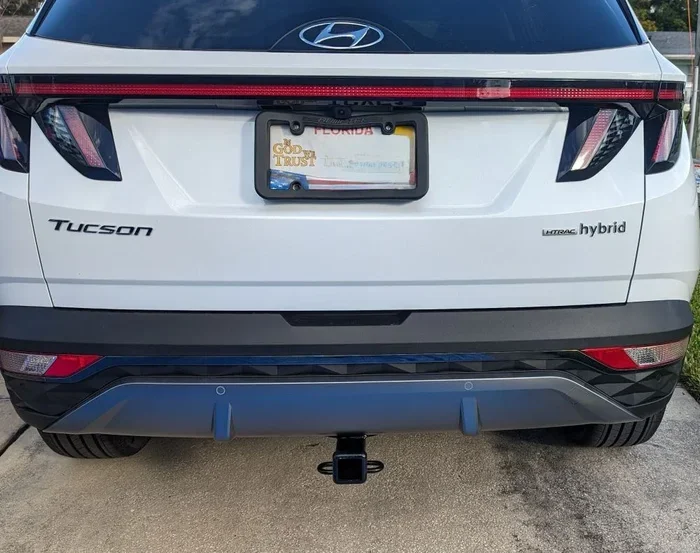
Can I Jump Start My Hybrid Car Heres What You Need to Know
So, can I jump start my hybrid car? The short answer is yes, but it’s not as simple as jump-starting a regular gas-powered car. Hybrid vehicles have unique electrical systems that require special care and precautions. In this guide, we’ll walk you through everything you need to know about jump starting a hybrid safely and effectively.
This is a comprehensive guide about Can I Jump Start My Hybrid Car.
Key Takeaways
- Use the 12-volt battery: Always target the small 12-volt auxiliary battery, never the high-voltage hybrid battery when jump starting.
- Safety comes first: Wear gloves, avoid sparks near the battery, and read your owner’s manual before attempting any jump start.
- Not all hybrids are the same: Different brands like Toyota Prius, Honda Insight, and Ford Fusion Hybrid have different jump-starting procedures.
- Portable jump starters work: A quality portable jump starter designed for hybrids can be a lifesaver on the road.
- Call roadside assistance: When in doubt, professional help is always the safest option for your hybrid vehicle.
- Prevent dead battery situations: Regular maintenance and driving habits help keep your hybrid battery and 12-volt battery in good shape.
[FEATURED_IMAGE_PLACEHOLDER]
Can I Jump Start My Hybrid Car? Here’s What You Need to Know
So you’re standing in your driveway or a parking lot, turning the key, and nothing happens. The dashboard lights flicker. The engine stays silent. You might be thinking, “Can I jump start my hybrid car the same way I do my old sedan?” It’s a common question, and the answer is more nuanced than you might expect.
Hybrid vehicles are different from conventional cars. They have two electrical systems working together. There’s the standard 12-volt battery you’d find in any car, and then there’s the high-voltage hybrid battery that powers the electric motor. Understanding this difference is crucial before you attempt anything under the hood.
In this guide, we’ll cover everything you need to know. We’ll explain how hybrid electrical systems work, walk you through the safe way to jump start your car, and share tips to prevent a dead battery in the first place. Let’s get into it.
Why Hybrid Cars Are Different
A conventional car has one battery. It’s a 12-volt lead-acid battery that handles starting, lighting, and ignition. When that battery dies, jump-starting is straightforward. You connect jumper cables, find another car, and you’re on your way.
Hybrid technology changes the game. These vehicles use a hybrid battery pack that can range from 100 to 400 volts or more. This high-voltage system powers the electric motor and works alongside the gas engine. It’s powerful, but it’s also dangerous if you don’t handle it properly.
On top of that, hybrids still have a small 12-volt battery. This little battery runs the car’s electronics, dashboard, and ignition system. When your hybrid won’t start, the problem is almost always this 12-volt battery, not the big hybrid pack. That’s good news. It means you can usually fix the problem without touching the high-voltage system at all.
Here are some key differences between hybrid and conventional vehicles:
- Dual battery systems: Hybrids have both a 12-volt battery and a high-voltage hybrid battery.
- Complex electrical systems: The wiring and components are more sophisticated than in a standard car.
- Safety risks: The high-voltage battery can deliver a dangerous or even fatal shock if mishandled.
- Unique jump-start points: Many hybrids have a dedicated jump-start terminal or fuse box access point.
How to Safely Jump Start Your Hybrid Car
Now let’s answer the big question. Yes, you can jump start a hybrid, but you need to do it the right way. The goal is always the same: give the 12-volt auxiliary battery a boost so the car’s ignition system can wake up and start the engine.
Before you grab any jumper cables, take a breath. Let’s go through the process step by step.
Step 1: Locate the 12-Volt Battery
In most hybrids, the 12-volt battery isn’t where you’d expect it. In a Toyota Prius, for example, it’s typically in the trunk, behind the rear seat or under a cover on the left side. In a Honda Insight, it might be under the rear seat or in the engine bay. Always check your owner’s manual first.
Some hybrids don’t have a traditional battery at all. Instead, they have a negative ground point or a dedicated jump-start terminal in the fuse box. Look for labels like “Jump Start” or “12V” under the hood or in the trunk area.
Step 2: Prepare for Safety
Safety should be your top priority. Here’s what to do before you connect anything:
- Turn off the hybrid completely and remove the key or press the power button to shut it down.
- Put on insulated gloves if you have them.
- Keep your hands dry and away from metal jewelry that could cause a spark.
- Make sure the other vehicle (if using it) is turned off and in park.
- Never touch the red and black cable clamps together once connected.
Step 3: Connect the Jumper Cables
Once you’ve found the 12-volt battery or jump-start point, follow these steps carefully:
- Connect the red (positive) clamp to the positive terminal on the dead 12-volt battery.
- Connect the other red clamp to the positive terminal on the good battery in the helper vehicle.
- Connect the black (negative) clamp to the negative terminal on the good battery.
- Connect the last black clamp to an unpainted metal ground point on the hybrid’s frame or engine block. Never attach it directly to the hybrid battery or its cables.
Step 4: Start the Car
Start the helper vehicle and let it run for a few minutes. This gives the dead battery a small charge. Then, try starting your hybrid. In many models, you press the power button just like you normally would. The 12-volt battery should have enough juice to power the ignition system and get things going.
If it doesn’t start on the first try, wait another two minutes and try again. Don’t crank the starter motor for more than a few seconds at a time to avoid overheating it.
Step 5: Disconnect and Go
Once your hybrid starts, disconnect the cables in reverse order. Black from your car first, then black from the helper vehicle, then red from the helper, and finally red from your car. Let your hybrid run for at least 15 to 20 minutes to recharge the 12-volt battery.
Using a Portable Jump Starter for Hybrids
Not everyone has a second vehicle nearby. That’s where a portable jump starter comes in. These compact devices are a game-changer for roadside assistance and can fit in your trunk or under a seat.
But here’s the catch. Not every jump starter works with hybrids. You need one that can deliver enough power to start a hybrid vehicle’s electrical system. Look for models rated at least 300 to 500 peak amps. Some are specifically designed and labeled for hybrid and electric vehicles.
What to Look for in a Hybrid Jump Starter
Choosing the right jump starter matters. Here are the features to consider:
- Peak amps: Go for at least 300 amps. Some hybrids need more power to engage the starter motor.
- Voltage compatibility: Make sure it supports 12-volt systems, which is what you’re jumping in a hybrid.
- Safety features: Look for reverse polarity protection, spark-proof clamps, and overcharge protection.
- Portability: A lightweight, compact design makes it easy to store and carry.
- USB ports: Bonus if it can charge your phone while you’re stranded.
How to Use a Portable Jump Starter on a Hybrid
The process is simpler than using jumper cables:
- Turn off your hybrid and make sure it’s completely powered down.
- Connect the red clamp to the positive 12-volt terminal.
- Connect the black clamp to the negative terminal or ground point.
- Turn on the jump starter.
- Press the power button in your hybrid to start it.
- Disconnect the jump starter once the engine is running.
Always keep your portable jump starter charged and ready. It’s one of the best items to include in your emergency kit for any vehicle, especially a hybrid.
Common Mistakes to Avoid When Jump Starting a Hybrid
Jump-starting a hybrid vehicle comes with risks that don’t exist with conventional cars. Many people make mistakes that can damage the electrical system, hurt the battery, or even cause injury. Here are the most common errors to steer clear of.
Connecting to the High-Voltage Battery
This is the biggest mistake people make. The hybrid battery operates at hundreds of volts. Connecting jumper cables to it can cause a serious electrical short, damage the battery cells, or deliver a dangerous shock. Always stick to the 12-volt system and nothing else.
Ignoring the Owner’s Manual
Every hybrid model is different. Some have specific jump-start procedures, dedicated terminals, or warnings in the manual. Skipping this step is like flying blind. Take five minutes to look up your specific model’s instructions. It could save you time, money, and a lot of stress.
Using the Wrong Jumper Cables
Thin, cheap cables can’t handle the power transfer needed. Use heavy-duty cables rated for at least 200 amps. Poor-quality cables can overheat, melt, or fail to deliver enough current to start the car.
Reversing the Cable Connections
Connecting the cables backward is a recipe for disaster. It can fry the 12-volt battery, damage electronic modules, or cause sparks. Double-check every connection before you turn anything on. Red to positive. Black to negative or ground. No exceptions.
Trying to Jump Start a Completely Dead Hybrid
If your hybrid has been sitting for months or the 12-volt battery is completely dead, a jump start might not work. In some cases, the battery is too far gone and needs a full charge or replacement. If you’re not getting any response after multiple tries, it’s time to call for professional help.
When to Call for Roadside Assistance Instead
There’s no shame in calling for help. Sometimes, a dead hybrid battery situation is beyond a simple jump start. Knowing when to make that call can protect you and your vehicle.
Signs You Need Professional Help
Watch for these warning signs that suggest you should skip the DIY approach:
- Your hybrid has been sitting unused for weeks or months and won’t respond at all.
- You notice a burning smell or visible damage near the battery area.
- The dashboard shows a hybrid system warning or error message.
- You’ve already tried to jump start it multiple times without success.
- You’re not confident about identifying the correct battery terminals or jump points.
- Your vehicle is in an unsafe location, like a busy highway or dark area.
What Roadside Assistance Can Do
Professional towing and roadside service teams come equipped with industrial-grade jump equipment. They can assess the battery condition, jump start the vehicle safely, and even diagnose underlying issues. Many insurance policies and hybrid manufacturers offer roadside assistance as part of your package. Check your coverage before you need it.
Some hybrid brands like Toyota and Honda include roadside assistance for a certain number of years. Take advantage of it. It’s there for exactly these situations.
How to Prevent a Dead Hybrid Battery
The best way to deal with a dead 12-volt battery is to never let it die in the first place. Preventive care keeps your hybrid vehicle running smoothly and saves you from stressful roadside situations.
Keep the 12-Volt Battery Healthy
The small 12-volt battery in your hybrid is often overlooked because the high-voltage battery gets all the attention. But it’s the one responsible for starting the car. Here’s how to keep it in good shape:
- Drive regularly: If you let your hybrid sit for too long, the 12-volt battery slowly loses charge. Take it for a drive at least once a week.
- Turn off electronics when parked: Don’t leave lights, the radio, or climate control running with the engine off for extended periods.
- Check battery age: Most 12-volt batteries last three to five years. If yours is getting old, consider replacing it proactively.
- Inspect terminals: Look for corrosion or loose connections. Clean them with a baking soda and water solution when needed.
Maintain the Hybrid Battery Too
The high-voltage hybrid battery also needs attention, though it typically lasts much longer. Most hybrid batteries are designed to last the life of the vehicle, but extreme temperatures and poor driving habits can shorten their lifespan. Avoid frequent deep discharges and keep your car in a garage during very hot or very cold weather when possible.
Keep an Emergency Kit in Your Car
Being prepared makes all the difference. Here’s what every hybrid owner should have in their trunk:
- A quality portable jump starter rated for hybrids
- Heavy-duty jumper cables
- Insulated gloves and safety glasses
- A basic tool kit
- A flashlight with fresh batteries
- Reflective warning triangles or flares
- Your owner’s manual (seriously, it has jump-start instructions)
Quick Tips for Jump Starting a Hybrid Safely
Let’s wrap the actionable advice into a few fast tips you can reference anytime.
- Always target the 12-volt battery. Never touch the high-voltage hybrid battery or its orange cables.
- Read your manual first. Every model has specific jump-start points and procedures.
- Use quality tools. Invest in good jumper cables or a reliable portable jump starter.
- Wear safety gear. Gloves and glasses protect you from sparks and accidental shorts.
- Stay calm and methodical. Rushing leads to mistakes. Follow each step carefully.
- Recharge after jumping. Drive for at least 15 to 20 minutes to restore the 12-volt charge.
- Know your limits. When in doubt, call a professional for roadside assistance.
Expert Insights on Hybrid Jump Starting
We spoke with ASE-certified technicians and hybrid specialists to get their take on the most important things drivers should know.
Why the 12-Volt Battery Is the Real Culprit
“Most people think the hybrid battery is the problem when their car won’t start. In reality, it’s almost always the 12-volt battery,” says one master technician. “The high-voltage system is robust and rarely fails. The small battery gets neglected, and that’s what causes starting issues.”
Hybrid Batteries Have Built-In Protections
Another expert pointed out that modern hybrid technology includes sophisticated safety systems. “These cars are designed to prevent accidental activation of the high-voltage system during a jump start. The interlock systems and disconnects are there for a reason. Trust them and don’t try to bypass anything.”
Portable Jump Starters Have Changed the Game
Technicians increasingly recommend portable jump starters for hybrid owners. “A good jump starter in your trunk gives you independence. You don’t need to find another car or wait for a tow. Just make sure it’s rated for your vehicle and kept charged.”
Conclusion
So, can I jump start my hybrid car? Absolutely yes, but with important caveats. You need to understand your vehicle’s dual electrical system, always target the 12-volt battery, follow proper safety steps, and never touch the high-voltage components. With the right knowledge and tools, jump-starting your hybrid can be a straightforward process.
Remember to keep your owner’s manual handy, invest in a quality portable jump starter, and maintain your 12-volt battery regularly. When things go wrong and a simple jump start isn’t enough, don’t hesitate to call for professional roadside assistance. Your safety and your vehicle’s health always come first.
Now you have the confidence and know-how to handle a dead hybrid battery like a pro. Stay prepared, drive smart, and keep that hybrid running strong.
Can I Jump Start My Hybrid Car? Here’s What You Need to Know
What if my hybrid won’t start even after a jump? If the 12-volt battery is completely dead or damaged, a jump start might not work. The battery may need a slow charge or full replacement. Check the battery age and condition. Also, inspect the terminals for corrosion. If you’ve tried everything and the car still won’t start, call a professional.
Is it safe to use jumper cables on a hybrid? Yes, as long as you connect them to the 12-volt battery only. Never attach cables to the high-voltage hybrid battery. Always follow your vehicle’s specific jump-start procedure and use properly rated cables.
How long does a hybrid 12-volt battery last? Most 12-volt batteries in hybrids last between three and five years. Driving habits, climate, and how often you use electronics with the engine off all affect lifespan. Replacing it before it fails is the best approach.
Can a portable jump starter damage my hybrid? Not if you use it correctly. Make sure the jump starter is rated for your vehicle’s voltage. Connect the clamps properly and avoid touching them together once attached. Quality jump starters include safety features to prevent damage.
Do all hybrids have the same jump-start points? No, each model is different. Some have the 12-volt battery in the trunk, others under the hood, and some use dedicated ground points. Always consult your owner’s manual to find the correct location for your specific car.
What’s the difference between a hybrid battery and a 12-volt battery? The hybrid battery is a high-voltage pack that powers the electric motor. It can range from 100 to 400+ volts. The 12-volt battery is a standard lead-acid battery that runs the car’s electronics and ignition system. They serve completely different purposes.
Being informed is your best tool. Whether you’re dealing with a dead battery on a rainy night or just preparing for the future, this guide gives you the knowledge to handle it. Share it with fellow hybrid owners who might need it. Safe driving!
Frequently Asked Questions
What is Can I Jump Start My Hybrid Car?
Can I Jump Start My Hybrid Car is an important topic with many practical applications.