Car Plug to Wall Plug Adapter How to Choose the Best One
A car plug to wall plug adapter lets you charge your devices from any standard wall outlet using your vehicle’s power setup. Choosing the right one depends on wattage, safety features, and compatibility with your devices. This guide breaks down everything you need to know in simple terms.
A car plug to wall plug adapter is one of those small gadgets that can make a big difference in your daily life. Whether you are charging your laptop at home, powering up your phone during a road trip, or running a small appliance in your RV, this little device does the heavy lifting. But here is the thing, not all adapters are created equal. Some are cheap and unsafe. Others are overpriced for what they actually do.
In this guide, we will walk you through everything you need to know about picking the right car plug to wall plug adapter. We will cover types, wattage, safety features, compatibility, and common mistakes to avoid. By the end, you will feel confident choosing the perfect adapter for your needs.
Key Takeaways
- Match wattage to your devices: Always check the power needs of what you want to charge before buying an adapter.
- Safety features matter: Look for built-in surge protection, overheat prevention, and certification marks on any adapter you buy.
- Know the difference between adapters and inverters: A car plug to wall plug adapter converts DC to AC, while a simple car charger uses DC power directly.
- Portability is key for travelers: Compact, lightweight adapters are ideal for road trips and everyday commuting.
- Check compatibility first: Not all adapters work with every vehicle or power outlet type worldwide.
- Read real reviews: Customer feedback reveals durability and performance issues that spec sheets often miss.
📑 Table of Contents
- What Is a Car Plug to Wall Plug Adapter?
- Types of Car Plug to Wall Plug Adapters
- How to Choose the Best Car Plug to Wall Plug Adapter
- Comparison Table: Top Features to Consider
- Quick Tips for Using Your Adapter Safely
- Common Mistakes People Make When Buying Adapters
- Expert Insights: What Professionals Look For
- Key Takeaways
- Conclusion
What Is a Car Plug to Wall Plug Adapter?
A car plug to wall plug adapter is a device that lets you plug your car charger or inverter into a standard wall outlet. It essentially bridges the gap between your vehicle’s power system and your home’s electrical system. This means you can charge your devices, power small tools, or run electronics without needing your car running.
The basic idea is simple. Your car uses direct current, or DC power. Most wall outlets supply alternating current, or AC power. An adapter converts one form of electricity to the other so your devices can charge safely.
How Does It Work?
Inside the adapter, there are circuits that handle the conversion process. When you plug the adapter into a wall outlet, it takes the AC power and converts it to DC power. This DC power then matches what your car charger or device expects. Some adapters also include voltage regulation to keep the output stable and safe.
Think of it like a translator between two languages. The wall outlet speaks one electrical language, and your car device speaks another. The adapter makes sure they understand each other perfectly.
Common Uses for a Car Plug to Wall Plug Adapter
People use these adapters for all kinds of reasons. Here are some of the most common scenarios:
- Charging at home: Plug your car charger into the wall overnight so it is ready to go in the morning.
- Road trips: Keep your phone, tablet, and laptop charged during long drives without draining your car battery.
- RV and camping: Power small appliances and electronics when camping with an electrical hook-up.
- Emergency backup: Use your car battery as a backup power source during power outages at home.
- Work vans and trucks: Power tools and equipment directly from a wall outlet before heading to the job site.
Types of Car Plug to Wall Plug Adapters
Not all adapters are the same. Different types serve different purposes, and knowing the difference helps you make a smart choice. Let us look at the main categories.
Basic 12V to AC Adapters
The most common type is the simple 12V to AC adapter. These plug into a standard wall outlet and output 12 volts of DC power, just like your car’s cigarette lighter socket. They are affordable and work well for basic charging needs. You can use them to power phone chargers, GPS devices, and small electronics.
These adapters usually come with a cigarette lighter-style plug on one end and a wall plug on the other. They are lightweight and easy to carry around.
Power Inverters with Wall Plug Output
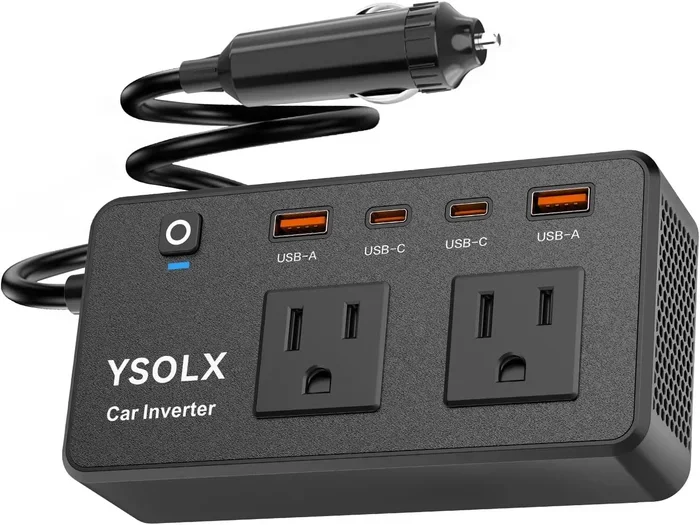
A power inverter is a step up from a basic adapter. It converts DC power from your car battery into standard AC power, just like what comes out of your wall outlet at home. This means you can plug in almost any device, not just car chargers.
Power inverters come in different sizes. Small ones handle phones and laptops. Larger ones can power TVs, mini fridges, and even power tools. The key thing to watch is the wattage rating, which we will cover in detail later.
USB Car Chargers with Wall Plug Capability
Some modern car power adapters double as wall plug adapters. These units have USB ports and sometimes even a standard AC outlet built in. They are incredibly versatile and perfect for people who travel frequently. You can plug one into a wall outlet at a hotel or a friend’s house and charge all your devices at once.
Travel Adapters with Car Plug Compatibility
If you travel internationally, a travel adapter with car plug compatibility is a game-changer. These adapters work with different outlet types around the world and often include a car plug option. They are compact and designed for people who are always on the move.
How to Choose the Best Car Plug to Wall Plug Adapter
Choosing the right adapter might seem simple, but there are several important factors to consider. Let us break them down one by one.
Check the Wattage Rating
Wattage is the most important spec to look at. It tells you how much power the adapter can handle. If you try to draw more power than the adapter supports, it will overheat or fail. Here is a quick guide:
- 10 to 20 watts: Perfect for phones, earbuds, and small tablets.
- 30 to 60 watts: Great for laptops, cameras, and larger tablets.
- 60 to 100 watts: Can handle small appliances and multiple devices at once.
- 100+ watts: Best for power inverters and heavy-duty applications.
Always add up the wattage of all the devices you plan to use at the same time. Then choose an adapter with a rating slightly higher than that total. This gives you a safety buffer and prevents the adapter from working too hard.
Look for Safety Certifications
Safety should always come first when dealing with electricity. Look for adapters that have recognized certification marks. These include UL (Underwriters Laboratories), CE (Conformite Europeenne), and FCC (Federal Communications Commission). These marks mean the adapter has been tested and meets safety standards.
Never buy an adapter without any certification. Cheap, uncertified adapters can overheat, cause fires, or damage your devices. It is simply not worth the risk.
Consider the Plug Type and Compatibility
Make sure the adapter fits both your car and your wall outlet. In the United States, most wall outlets have two flat prongs. In Europe, they use round pins. In the UK, they have three rectangular pins.
For your car, check whether you use a cigarette lighter plug or a newer 12V accessory port. Some adapters come with interchangeable plugs, which is very convenient if you travel to different countries or drive multiple vehicles.
Size and Portability
If you plan to carry your adapter on trips, size and weight matter a lot. A bulky adapter is annoying to pack and take up valuable space. Look for compact models that are easy to store in a bag or glove compartment.
Some adapters are designed specifically for travel. They fold up, have built-in cables, or come with carrying cases. These are excellent choices for people who are always on the go.
Number of Ports and Charging Speed
If you need to charge multiple devices at once, look for adapters with multiple ports. USB-A ports work with most older devices. USB-C ports are faster and work with newer phones, tablets, and laptops.
Some adapters also support fast charging technologies like Quick Charge or Power Delivery. These can significantly reduce charging times. If speed matters to you, prioritize adapters with these features.
Comparison Table: Top Features to Consider
| Feature | Basic Adapter | Power Inverter | Travel Adapter |
|---|---|---|---|
| AC Output | No | Yes | Yes |
| USB Ports | Sometimes | Sometimes | Often |
| Wattage Range | 10-20W | 100-300W | 10-60W |
| Portability | Excellent | Moderate | Very Good |
| Price Range | $5-$15 | $30-$100+ | $10-$30 |
| Best For | Simple charging | Running appliances | International travel |
Quick Tips for Using Your Adapter Safely
Using a car plug to wall plug adapter is generally safe, but a few best practices go a long way. Here are some quick tips to keep in mind:
- Never exceed the wattage rating. Overloading an adapter is the number one cause of overheating and failure.
- Unplug when not in use. Even when no device is connected, an adapter plugged into a wall outlet draws a small amount of power. Over time, this can wear out the adapter.
- Keep it in a cool, dry place. Heat is the enemy of electronics. Do not leave your adapter in a hot car or near direct sunlight for extended periods.
- Inspect regularly. Check the cables and plug for fraying, cracks, or discoloration. If anything looks damaged, replace the adapter immediately.
- Use one adapter per outlet. Do not plug multiple adapters into the same wall outlet using a power strip. This can overload the circuit.
Common Mistakes People Make When Buying Adapters
Even smart shoppers make mistakes when buying a car plug to wall plug adapter. Here are the most common ones to avoid.
Buying Based on Price Alone
The cheapest adapter on the shelf might look like a great deal. But cheap adapters often cut corners on safety features and build quality. They may use thin wires, poor internal components, or skip important testing. Spending a little more on a reputable brand can save you from a fire hazard or a fried device.
Ignoring Wattage Needs
Many people buy an adapter without checking what their devices actually need. They plug in a laptop that draws 65 watts into an adapter rated for only 20 watts. The result is frustration at best and a burnt-out adapter at worst. Always do your math before you buy.
Overlooking Certification Marks
As mentioned earlier, certification is non-negotiable. Some people skip this step and buy an adapter that looks fine on the outside but has no internal safety mechanisms. Do not be one of them. Always look for UL, CE, or FCC marks.
Assuming All Adapters Are Universal
Not every adapter works with every vehicle or every wall outlet type. Some are designed for specific regions or specific car models. Before purchasing, double-check that the adapter is compatible with both your car and the outlets where you plan to use it.
Expert Insights: What Professionals Look For
We spoke with a few automotive and electrical experts to find out what they look for when choosing a car plug to wall plug adapter. Here is what they had to say.
Mark T., automotive technician: “I always tell my customers to check the amperage rating, not just the wattage. Amperage tells you how much current flows through the adapter. A good adapter should have at least 3 amps for basic charging and 5 amps or more for laptops.”
Sarah L., electrical engineer: “Surge protection is something most people overlook. A good adapter for car should have built-in protection against power spikes. This protects your devices and extends the life of the adapter itself.”
David R., travel blogger: “For travelers, I recommend getting a universal adapter with a car plug option. It covers almost every situation you will encounter, whether you are at home, in a hotel, or at a rest stop on a road trip.”
Key Takeaways
- Match wattage to your devices: Always check the power needs of what you want to charge before buying an adapter.
- Safety features matter: Look for built-in surge protection, overheat prevention, and certification marks on any adapter you buy.
- Know the difference between adapters and inverters: A car plug to wall plug adapter converts DC to AC, while a simple car charger uses DC power directly.
- Portability is key for travelers: Compact, lightweight adapters are ideal for road trips and everyday commuting.
- Check compatibility first: Not all adapters work with every vehicle or power outlet type worldwide.
- Read real reviews: Customer feedback reveals durability and performance issues that spec sheets often miss.
Conclusion
Finding the best car plug to wall plug adapter does not have to be complicated. You simply need to know what you want to power, how much power it needs, and what safety features matter most to you. Start by checking the wattage and amperage requirements of your devices. Then look for adapters with proper certifications and solid build quality. Consider factors like portability, plug compatibility, and the number of ports you need.
Avoid the common mistakes we discussed, like buying the cheapest option or ignoring safety certifications. And remember, a good adapter is an investment in the safety of your devices and your home. Take your time, do your research, and you will find the perfect car plug to wall plug adapter for your lifestyle.
Now that you have all the information you need, you are ready to make a confident choice. Happy charging, and stay safe out there.
Frequently Asked Questions
Can I use a car plug to wall plug adapter with any vehicle?
Most adapters work with any vehicle that has a 12V accessory port or cigarette lighter socket. However, you should always check the adapter’s compatibility with your specific vehicle model. Some newer cars use different port designs that may require a special adapter.
Is it safe to leave a car plug to wall plug adapter plugged in overnight?
It is generally safe if the adapter has built-in safety features like overheat protection and surge suppression. However, it is a good habit to unplug it when you are not actively using it. This reduces the risk of electrical issues and extends the life of the adapter.
What is the difference between a car plug to wall plug adapter and a power inverter?
A basic adapter converts wall AC power to DC power for car chargers and accessories. A power inverter does the opposite, converting DC power from your car battery into standard AC power. Power inverters can run larger devices like laptops, small TVs, and appliances, while adapters are mainly for charging.
How do I know what wattage adapter I need?
Check the label on your device or its charger. It will list the wattage requirement. Add up the wattage of all devices you plan to charge at the same time. Then choose an adapter with a rating that exceeds that total by at least 10 to 20 percent for a safety margin.
Are car plug to wall plug adapters allowed on airplanes?
Adapters themselves are generally allowed in both carry-on and checked luggage. However, power inverters with high wattage may be restricted by airlines. Always check with your airline before traveling with a power inverter or high-wattage adapter.
Can a car plug to wall plug adapter damage my devices?
A quality adapter with proper safety certifications will not damage your devices. However, a cheap or incompatible adapter can deliver unstable power, which may harm sensitive electronics. Always buy from reputable brands and check that the adapter matches your device’s voltage and amperage requirements.